
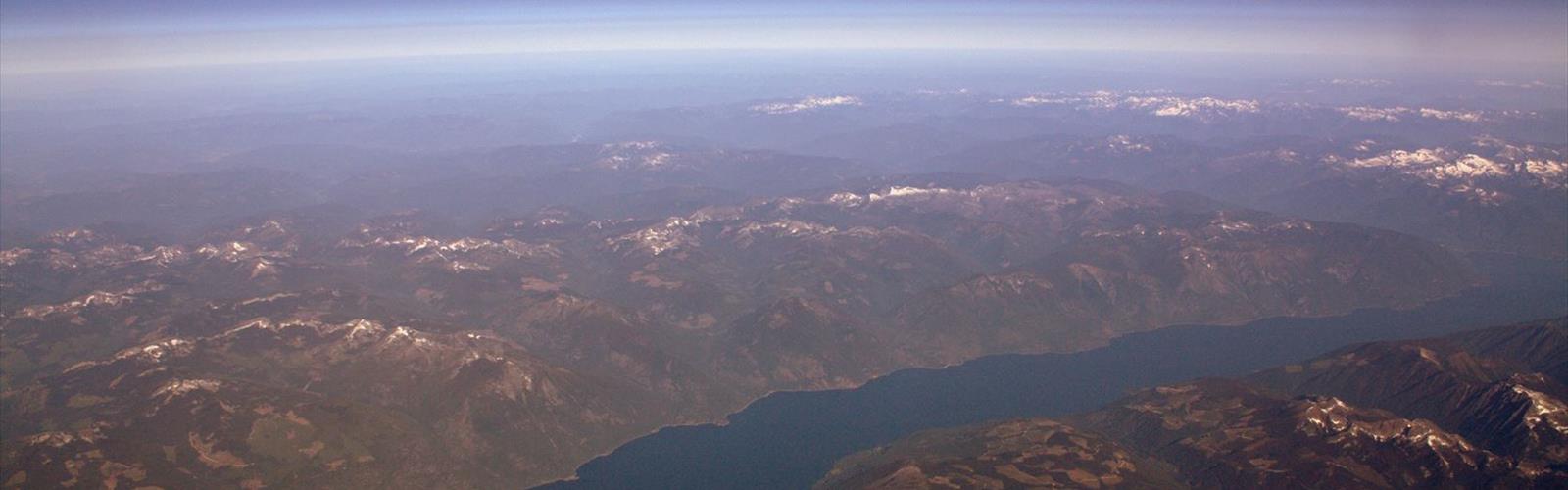

Ready to explore Kootenay Lake? Here's everything you need to know before you go!
Discover the trail
Trail description
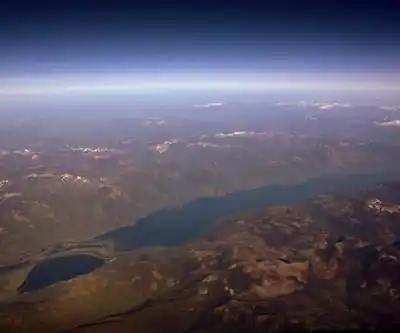
Kootenay Lake stretches over 100 kilometers through the heart of British Columbia's Kootenay Rockies, creating one of the province's most spectacular outdoor playgrounds. This massive lake cuts through a landscape of towering peaks and dense forests, offering hikers access to everything from gentle shoreline walks to challenging alpine adventures that showcase some of Canada's most dramatic mountain scenery.
The lake's sheer size means you'll find completely different experiences depending on which section you explore. The northern reaches feel wilder and more remote, while the southern portions offer easier access to established trail networks and charming lakeside communities. This variety makes Kootenay Lake an ideal base for multi-day hiking trips where you can sample different terrains and difficulty levels without traveling far between trailheads.
Trail Networks and Hiking Options
The hiking around Kootenay Lake covers an impressive range of experiences that cater to every skill level and interest. Kokanee Glacier Park trails represent the area's crown jewel for serious hikers, leading you through subalpine meadows that burst with wildflowers in summer before opening onto dramatic viewpoints where active glaciers spill down between jagged peaks. These routes demand proper preparation and experience, but reward you with some of the most spectacular alpine scenery in the Canadian Rockies.
For a completely different but equally rewarding experience, Pilot Bay Provincial Park offers well-maintained paths that follow the lake's contours through mixed forest. These gentler trails provide constant panoramic views across the water to the surrounding mountains, making them perfect for photographers or anyone who prefers steady, moderate walking over steep climbs. The contrast between the intimate forest sections and the sweeping lake vistas creates a uniquely satisfying hiking experience that feels both peaceful and inspiring.
The diversity of trail options means you can easily spend a week in the area without repeating routes or getting bored. Shoreline paths let you appreciate the lake's massive scale up close, while mountain trails provide the elevated perspectives that reveal how this water body fits into the broader landscape of peaks and valleys. Many hikers find themselves returning to different sections throughout their stay, discovering new details and perspectives each time.
Terrain and What to Expect
The terrain around Kootenay Lake reflects the dramatic geological forces that shaped this region over millions of years. Lakeside trails typically follow relatively gentle grades through dense stands of cedar, fir, and pine, with frequent openings that frame the water and distant mountains in picture-perfect compositions. The forest floor supports rich undergrowth that changes dramatically with the seasons, from spring wildflowers to fall colors that rival anything in North America.
Mountain trails climb through distinct elevation zones, starting in the same dense forests before transitioning to more open slopes where you'll encounter different tree species and increasingly expansive views. The higher routes eventually break into true alpine terrain where the trees give way to meadows, rocky slopes, and the kind of panoramic vistas that make the Kootenay Rockies famous among serious hikers. The transition between these zones happens gradually enough that you can appreciate each ecosystem's unique characteristics.
Weather can change quickly, especially on the higher trails, so even day hikes require proper preparation and layered clothing. The lake's size means it creates its own microclimate effects, and conditions can vary significantly between different sections of the shoreline. Morning fog often clings to the water's surface before burning off to reveal crystal-clear views, while afternoon thunderstorms can develop rapidly in the surrounding peaks.
Wildlife and Natural Features
The diverse habitats around Kootenay Lake support an impressive array of wildlife that adds excitement and unpredictability to every hike. Black bears are common throughout the forested areas, making proper food storage and bear awareness essential skills for anyone spending time on the trails. Deer frequently appear along the quieter paths, especially during early morning or evening hikes when they come down to drink from the lake.
The lake itself attracts numerous bird species, with eagles and ospreys providing dramatic wildlife viewing opportunities as they hunt over the clear waters. Their fishing techniques are fascinating to watch, and the combination of aquatic and forest habitats creates ideal conditions for wildlife photography. However, the unpredictable nature of animal encounters means patience and preparation are key to successful viewing.
This rich biodiversity extends beyond the larger mammals and birds to include smaller species that contribute to the area's ecological complexity. The variety of habitats, from lakeside wetlands to high alpine zones, means every hike offers potential wildlife encounters that enhance the outdoor experience and remind you that you're traveling through active, living ecosystems.
Water-Based Activities
While hiking remains the primary draw, Kootenay Lake's crystal-clear waters provide excellent opportunities to extend your outdoor adventures beyond the trails. Kayaking and canoeing allow you to access remote shoreline areas that aren't reachable by foot, while paddleboarding offers a unique perspective on the surrounding mountain landscape that you simply can't get from land-based activities.
The lake supports healthy populations of kokanee salmon and rainbow trout, making it a destination for anglers who want to combine fishing with hiking. Many trails provide access to productive fishing spots that you can only reach on foot, adding another dimension to your backcountry experience and giving you multiple reasons to explore different areas around the lake.
Communities and Logistics
Nelson and Kaslo serve as the primary base communities for exploring Kootenay Lake's hiking opportunities, each offering distinct advantages for outdoor enthusiasts. Both towns provide the full range of services that hikers need, from gear shops and restaurants to comfortable accommodations where you can recover after long days on the trails.
Nelson has developed a reputation for its vibrant arts scene and excellent dining options, making it an ideal place to spend rest days between hiking adventures. The town's walkable downtown core and friendly atmosphere create a perfect contrast to the wilderness experiences you'll find on the trails. Kaslo provides a smaller, more intimate community experience while still offering essential services and easy access to trailheads.
The combination of spectacular hiking, diverse wildlife, multiple activity options, and charming base communities makes Kootenay Lake a destination where you can easily spend a week or more without exhausting the possibilities. The variety ensures that different group members with varying interests and abilities can all find rewarding ways to experience this remarkable landscape.
The Essential Hiking Checklist
Everything you need for your next hike. Bilingual, printable, 1 page.
Get your free hiking checklistRecommended gear for this trail
As an Amazon Associate I earn from qualifying purchases.


Ready to go?
Everything you need to know before you goStarting Point
The kootenay lake is located in British Columbia. To get to the start of the trails, take Highway 3 east from Creston. The trailhead is located about 15 km east of Creston, just past the turnoff for Yahk Provincial Park.
When?
How much?
As an Amazon Associate I earn from qualifying purchases.
Affiliate links — LGPO may earn a commission at no extra cost to you.
- Hiking shoes Essential
- → Salomon Elixir Tour Mid WP · 203.38 $
- Layered clothing Essential
- Rain jacket Essential
- Trekking poles
- → Black Diamond Trail Ergo Cork · 69.99 $
- Headlamp
- → Petzl Actik Core 625 · 103.95 $
FAQ - Frequently asked questions
Everything you need to knowSimilar hikes nearby
Discover other trails you might enjoy

Emerald Lake
Kootenay Rockies

Golden Skybridge
Kootenay Rockies
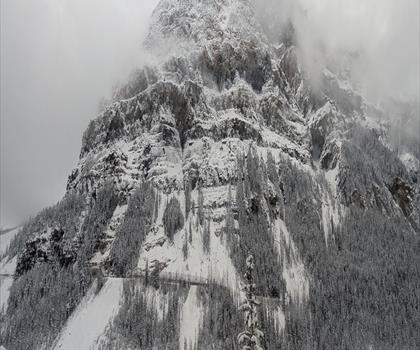
Mount Stephen
Kootenay Rockies
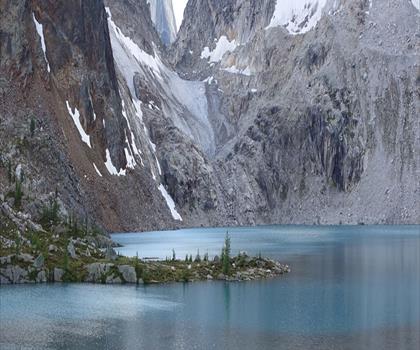
Bugaboo Provincial Park
Kootenay Rockies
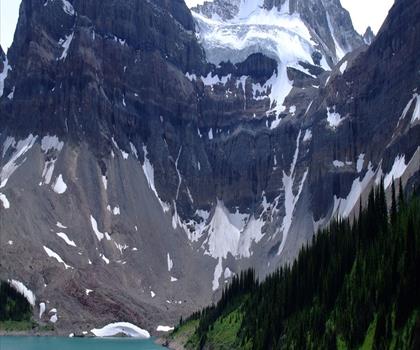
Magog, Lake
Kootenay Rockies
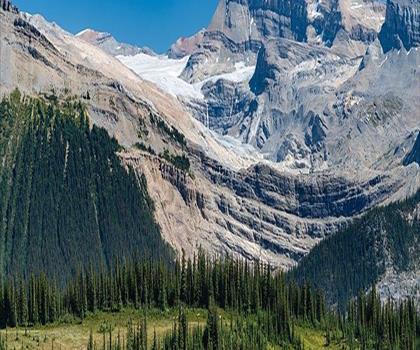
Iceline Trail
Kootenay Rockies
Hiking near Kelowna
45 trails to explore ~195 km away
We work hard to provide the most up-to-date and error-free data possible. If something seems incorrect, let us know! Your contribution helps the whole community.
Hikers' opinions
Be the first to review!
No hiker has shared their experience yet. Share your impressions and help other hikers!