
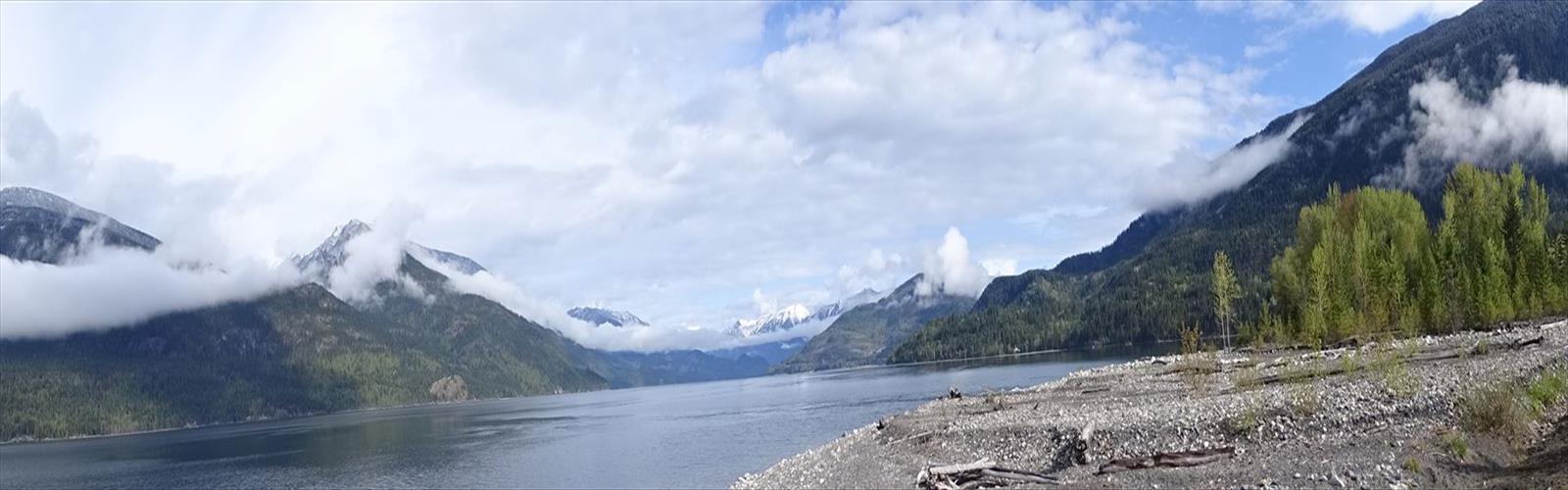

Ready to explore Slocan Lake? Here's everything you need to know before you go!
Discover the trail
Trail description
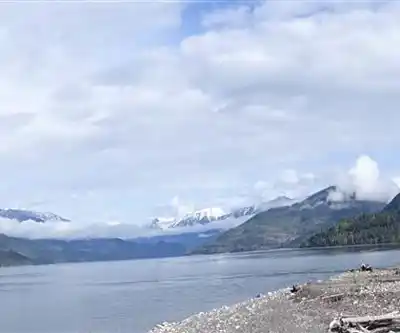
Slocan Lake stretches 37 kilometers through the heart of the Slocan Valley in British Columbia's West Kootenay region, offering one of the most scenic and historically rich destinations in the Southeastern Interior. This pristine mountain lake sits cradled between the dramatic peaks of the Valhalla Range to the west and the mineral-rich mountains of the Kootenay Range to the east, creating a corridor of stunning alpine scenery that takes 3 to 4 days to fully explore.
The lake serves as the centerpiece of a region steeped in mining history, where the famous "Silvery Slocan" silver rush once brought steamboats, railways, and fortune seekers into these remote mountains. Today, visitors can experience this same dramatic landscape at a more leisurely pace, whether traveling by car along BC Highway 6 or exploring the numerous trails that wind through the surrounding wilderness.
Geography and Access
Slocan Lake is fed by Bonanza Creek, which flows down from Summit Lake through Bonanza Pass, connecting this valley system to Nakusp on Upper Arrow Lake. At the lake's southern end, the Slocan River drains the lake at Slocan City, flowing south through the Slocan Valley to meet the Kootenay River near South Slocan, just miles above the Kootenay's confluence with the mighty Columbia River.
BC Highway 6 provides excellent access along the entire eastern shore, running from Hills at the lake's northern tip down to Slocan City at its foot, then continuing south along the Slocan River. This scenic drive offers numerous pullouts and viewpoints where visitors can appreciate the lake's full length and the towering peaks that frame it on both sides. The highway makes this an exceptionally accessible destination for outdoor enthusiasts of all experience levels.
The Canadian Pacific rail line, a remnant of the mining boom era, once connected this region to the legendary silver camp of Sandon via Carpenter Creek. Today, the line terminates at Rosebery Slip on the lake's eastern shore, serving as a reminder of the area's industrial heritage while the surrounding landscape has returned to its natural tranquility.
Communities and Landmarks
Several charming communities dot the lake's shoreline, each offering its own character and access points for outdoor recreation. At the southern end, Slocan City serves as the main gateway, distinguished from nearby Slocan Park and South Slocan. This historic village maintains its small-town character while providing essential services for visitors exploring the region.
Midway up the eastern shore, the twin communities of New Denver and Silverton provide excellent bases for exploration, with their historic downtown areas reflecting the region's mining heritage. These towns offer accommodations, restaurants, and outfitters while maintaining their authentic mountain character. The communities serve as perfect staging points for day trips or longer expeditions into the surrounding wilderness.
Just north of these communities, Rosebery sits at the mouth of Wilson Creek, where the old railway terminus creates an interesting historical focal point. At the lake's northern end, the community of Hills marks the transition into the more remote upper valley, where the wilderness character becomes more pronounced and the surrounding peaks seem to close in around the lake's narrower northern reaches.
Natural Features and Wildlife
The western shore of Slocan Lake is dominated by the spectacular Valhalla Range, locally known as "the Valhallas." Most of this dramatic mountain wilderness is protected within Valhalla Provincial Park, ensuring that the pristine alpine environment remains undeveloped. These peaks rise abruptly from the lake's edge, creating a stunning backdrop of granite spires, alpine meadows, and cascading waterfalls that seem to pour directly into the lake.
The lake and surrounding forests support diverse wildlife populations that add excitement to any visit. Black bears are commonly seen throughout the region, particularly during berry season when they forage along the shoreline and in the adjacent valleys. Bald eagles and other raptors patrol the lake's waters, often visible soaring above the surface or perched in the towering conifers that line the shore. Mountain goats occasionally venture down from the high peaks, and deer are frequently spotted in the early morning and evening hours.
The clear mountain waters of Slocan Lake provide excellent habitat for various fish species, making this a premier destination for anglers. The lake's substantial size and depth, combined with its relatively pristine condition, support healthy fish populations that attract both local and visiting anglers throughout the open water season.
Recreation Opportunities
Slocan Lake's impressive length and mountain setting create ideal conditions for multiple outdoor activities. The lake's size and typically calm conditions make it perfect for boating, whether by motorboat, canoe, or kayak. Paddlers can explore quiet bays and inlets while enjoying unobstructed views of the surrounding peaks, with numerous spots along the shoreline suitable for breaks or camping. The protected waters near the communities offer safe launching points for watercraft of all sizes.
Swimming opportunities abound during the warmer months, when the lake's clear waters provide refreshing relief after hiking or simply relaxing on the shore. The lake's mountain setting means water temperatures are cool but comfortable during summer, and the scenery makes every swim memorable. Several beaches and access points along the highway provide easy entry to the water.
The surrounding terrain offers extensive trail networks that cater to hikers of all abilities. These trails provide access to viewpoints overlooking the lake, alpine meadows in the Valhalla Range, and historical sites related to the mining era. Many trails connect to the broader network of paths that penetrate deep into both the Valhalla and Kootenay ranges, offering everything from short nature walks to multi-day backcountry adventures. The relatively easy terrain around the lake itself makes it accessible for families and casual hikers, while more challenging routes lead into the high alpine zones.
Historical Significance
The mountains east of Slocan Lake were the epicenter of one of British Columbia's most significant mining booms. The "Silvery Slocan" silver rush brought unprecedented development to this remote region, with steamboats plying the lake's waters and multiple railway lines pushing through the mountains to reach the boom town of Sandon. The lake served as a crucial transportation corridor, with sternwheelers carrying ore, supplies, and passengers between the mining camps and the outside world.
Sandon, known as the "capital" of the silver rush, was served by three separate railway lines - two approaching from the Slocan Lake direction via Carpenter Creek, and a third coming over Retallack Pass from Kaslo on Kootenay Lake. This transportation network transformed the region temporarily into one of the busiest areas in the province, though today's visitors will find a landscape that has largely returned to its natural state.
The remnants of this industrial heritage add a fascinating dimension to modern outdoor recreation, with old mining roads now serving as hiking trails and abandoned railway grades providing easy walking routes through otherwise challenging mountain terrain. These historical elements help visitors understand how dramatically this landscape has been transformed, from industrial hub back to wilderness sanctuary, making every visit a journey through both natural beauty and human history.
The Essential Hiking Checklist
Everything you need for your next hike. Bilingual, printable, 1 page.
Get your free hiking checklistRecommended gear for this trail
As an Amazon Associate I earn from qualifying purchases.


Ready to go?
Everything you need to know before you goStarting Point
The slocan lake is located in British Columbia. To get to the start of the trails, take Highway 6 from Nelson to slocan lake. Turn onto the North Shore Road and drive for about 10 km until you reach the trailhead.
When?
How much?
As an Amazon Associate I earn from qualifying purchases.
Affiliate links — LGPO may earn a commission at no extra cost to you.
- Hiking shoes Essential
- → Salomon Elixir Tour Mid WP · 203.38 $
- Layered clothing Essential
- Rain jacket Essential
- Trekking poles
- → Black Diamond Trail Ergo Cork · 69.99 $
- Headlamp
- → Petzl Actik Core 625 · 103.95 $
FAQ - Frequently asked questions
Everything you need to knowSimilar hikes nearby
Discover other trails you might enjoy

Emerald Lake
Kootenay Rockies

Golden Skybridge
Kootenay Rockies
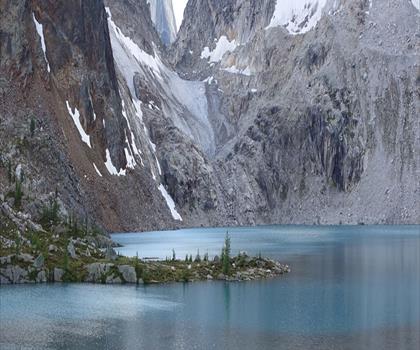
Bugaboo Provincial Park
Kootenay Rockies
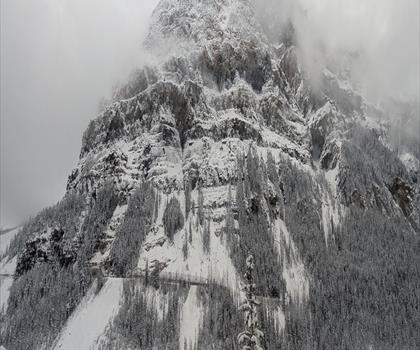
Mount Stephen
Kootenay Rockies
Magog, Lake
Kootenay Rockies
Iceline Trail
Kootenay Rockies
Hiking near Kelowna
45 trails to explore ~152 km away
We work hard to provide the most up-to-date and error-free data possible. If something seems incorrect, let us know! Your contribution helps the whole community.
Hikers' opinions
Be the first to review!
No hiker has shared their experience yet. Share your impressions and help other hikers!