
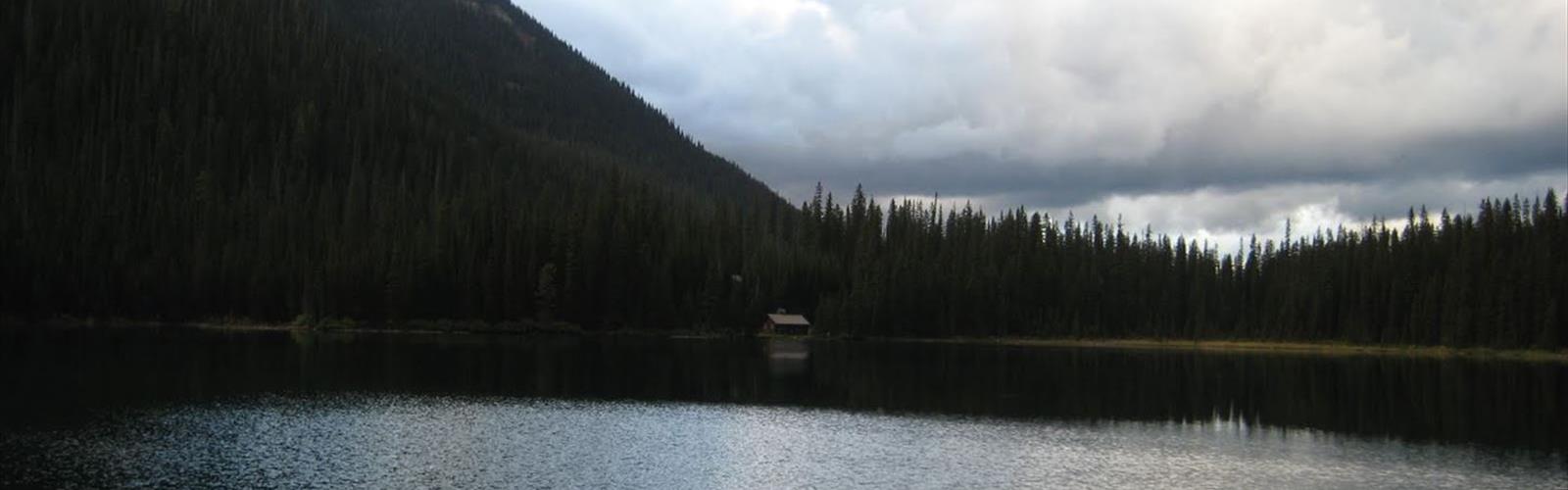

Ready to explore Top of the World Provincial Park? Here's everything you need to know before you go!
Discover the trail
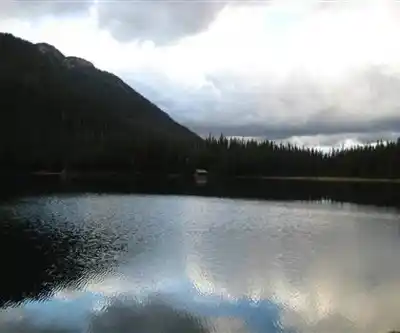
Trail description
Top of the World Provincial Park delivers exactly what its name promises—a wilderness experience that puts you on top of British Columbia's most spectacular mountain terrain. Tucked away in the southeastern corner of the province within the Kootenay Rockies region, this park offers serious hikers a chance to explore pristine alpine country that feels genuinely remote and untouched.
The park's defining feature is its dramatic elevation changes and expansive ridge systems that provide those coveted "top of the world" views. You'll find yourself hiking through multiple ecosystems as you gain elevation—starting in dense montane forests of spruce and fir, transitioning through subalpine meadows dotted with wildflowers during summer months, and finally emerging onto exposed alpine ridges where the landscape opens up into sweeping panoramas of surrounding peaks and valleys.
Trail System and Hiking Experience
The main hiking route through Top of the World Provincial Park covers 15 kilometers with 800 meters of elevation gain, making this a hard-difficulty adventure that typically takes around 6 hours and 45 minutes to complete. This isn't a casual day hike—you'll need solid fitness and mountain hiking experience to tackle the sustained climbs and navigate the alpine terrain safely.
The Fish Lake Trail stands out as the park's most popular route, and for good reason. This trail guides you through some of the most diverse and beautiful terrain the park has to offer. You'll start by winding through verdant meadows that come alive with alpine flowers in July and August, then follow the trail as it traces alongside crystal-clear mountain lakes. These serene waters provide perfect spots for extended breaks, peaceful picnics, or simply taking in the reflection of surrounding peaks on calm days.
What makes this trail system particularly rewarding is how the scenery constantly evolves. The lower sections immerse you in lush forest environments where the canopy filters sunlight into dappled patterns on the forest floor. As you climb higher, the trees thin out and you enter the subalpine zone where open meadows offer the first taste of the expansive views to come. The final push to the alpine zone is where the park truly earns its name—you'll find yourself on exposed ridges with panoramic views stretching across the Kootenay Rockies in every direction.
The trail network accommodates hikers with varying experience levels, though even the easier routes require basic mountain hiking skills. Seasoned trekkers will appreciate the challenging terrain and remote feel, while those newer to alpine hiking can build their skills on the more accessible sections before committing to the full ridge traverse.
Wildlife and Natural Features
Top of the World Provincial Park sits in prime wildlife habitat, and animal encounters are a regular part of the hiking experience here. Mountain goats are among the park's most impressive residents—these sure-footed climbers are often spotted on the steep rocky slopes and cliff faces that characterize the alpine zones. Deer are commonly seen throughout the park, particularly in the meadow areas during early morning and evening hours.
Black bears also inhabit the park, so proper food storage and bear awareness are essential. The varied terrain provides ideal habitat for these animals, from berry-rich slopes in late summer to the dense forest cover they prefer for denning. Always make noise while hiking and carry bear spray as a precaution.
Birdwatchers will find the park's diverse elevations support an impressive variety of avian species. The different elevation zones each host their own bird communities—from forest-dwelling species in the lower elevations to specialized alpine birds that thrive in the harsh conditions above treeline. The transition zones between ecosystems are particularly productive for spotting different species.
The park's crystal-clear lakes are another highlight that sets it apart from other alpine destinations. These pristine waters reflect the surrounding peaks and provide crucial habitat for aquatic life while offering hikers some of the most photogenic spots in the region. The lakes also serve as important navigation landmarks on longer hikes through the park's more remote sections.
Backcountry Camping
For those wanting to extend their Top of the World experience beyond a day hike, the park offers several backcountry camping sites that let you fully immerse yourself in the alpine environment. Camping here means falling asleep to complete silence broken only by natural sounds—wind through the peaks, distant wildlife calls, or the gentle lapping of lake water against rocky shores.
The backcountry sites are strategically located to provide access to the park's best hiking while minimizing environmental impact. You'll need to be completely self-sufficient for backcountry camping, bringing all necessary gear including a reliable shelter system capable of handling sudden weather changes common in alpine environments.
Following Leave No Trace principles is particularly important in this pristine environment. The park's remote location and fragile alpine ecosystems mean that any impact from visitors is magnified and takes much longer to recover. Pack out all waste, camp only in designated areas, and be especially careful with food storage to avoid attracting wildlife to camping areas.
Weather conditions can change rapidly in the alpine environment, so come prepared with appropriate layers and rain gear regardless of the forecast. The elevation and exposed terrain mean temperatures can drop significantly even during summer months, and afternoon thunderstorms are common during certain times of year.
Top of the World Provincial Park represents British Columbia's alpine wilderness at its finest—a place where serious hikers can challenge themselves against dramatic terrain while experiencing the kind of pristine mountain environment that's becoming increasingly rare. The combination of accessible trails, diverse wildlife, and genuinely spectacular scenery makes this park a standout destination in the Kootenay Rockies region.
The Essential Hiking Checklist
Everything you need for your next hike. Bilingual, printable, 1 page.
Get your free hiking checklistRecommended gear for this trail
As an Amazon Associate I earn from qualifying purchases.


Ready to go?
Everything you need to know before you goStarting Point
The top of the world provincial park is located in the Cassiar Mountains of British Columbia. The nearest town is Dease Lake, which is located approximately 190 km north of the park.
When?
How much?
As an Amazon Associate I earn from qualifying purchases.
Affiliate links — LGPO may earn a commission at no extra cost to you.
- Hiking shoes Essential
- → Salomon Elixir Tour Mid WP · 203.38 $
- Layered clothing Essential
- Rain jacket Essential
- Trekking poles
- → Black Diamond Trail Ergo Cork · 69.99 $
- Headlamp
- → Petzl Actik Core 625 · 103.95 $
FAQ - Frequently asked questions
Everything you need to knowSimilar hikes nearby
Discover other trails you might enjoy

Emerald Lake
Kootenay Rockies

Golden Skybridge
Kootenay Rockies
Mount Stephen
Kootenay Rockies
Bugaboo Provincial Park
Kootenay Rockies
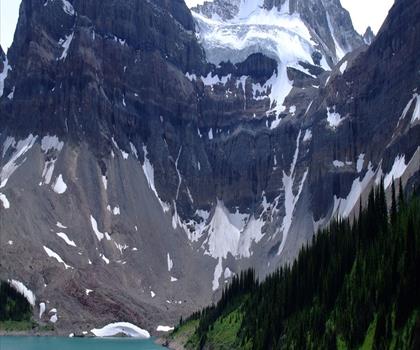
Magog, Lake
Kootenay Rockies
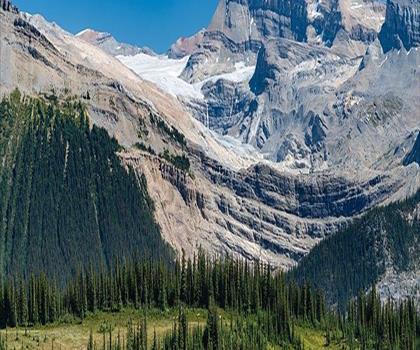
Iceline Trail
Kootenay Rockies
Hiking near Canmore
200 trails to explore ~138 km away
We work hard to provide the most up-to-date and error-free data possible. If something seems incorrect, let us know! Your contribution helps the whole community.
Hikers' opinions
Be the first to review!
No hiker has shared their experience yet. Share your impressions and help other hikers!