
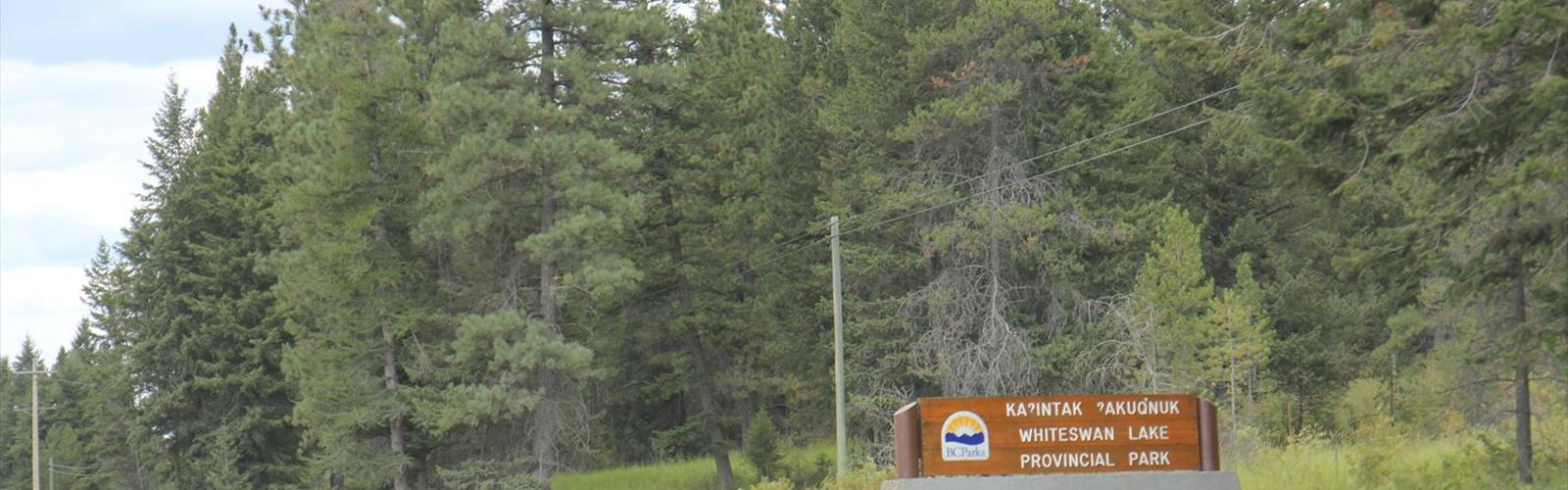

Ready to explore Whiteswan Lake? Here's everything you need to know before you go!
Discover the trail
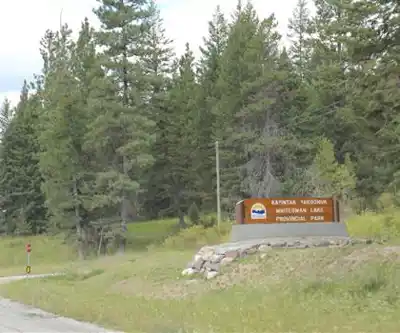
Trail description
Whiteswan Lake sits in the heart of the Kootenay Rockies, offering one of British Columbia's most rewarding accessible wilderness experiences. This pristine mountain lake, cradled by towering peaks and dense conifer forest, forms the centerpiece of Whiteswan Lake Provincial Park. What genuinely sets this destination apart from other BC parks is the combination it delivers in one place: easy lakeside walking, more demanding mountain routes, natural hot springs, excellent fishing, and paddling—all from a single basecamp deep in the Kootenay backcountry.
The Trail
The main trail at Whiteswan Lake covers 2.4 km with 200 m of elevation gain, rated Easy and typically completed in around 1 hour 15 minutes. The route follows the shoreline through old-growth forest, keeping the lake in view for much of the walk. The path stays well-maintained underfoot—pine needles and soft forest floor for the most part—with the terrain remaining gentle enough for families and casual hikers.
The forest here is classic Kootenay interior: dense stands of spruce and fir, with the occasional opening that frames the lake and the peaks beyond. The trail doesn't demand much technically, but it delivers consistently on scenery. On calm mornings, the lake surface mirrors the surrounding mountains so cleanly that the reflection competes with the real thing.
Beyond the Main Trail
The park's broader trail network extends well beyond the lakeside loop. Several routes branch into the surrounding Kootenay Mountains, climbing through forest before breaking out into alpine meadows and rocky ridgelines. The elevation gain becomes noticeable quickly once you leave the lake behind, and the terrain shifts from root-crossed forest tracks to granite outcroppings and rocky scrambles. Stream crossings appear on the higher routes, especially during spring snowmelt.
These upper trails reward the effort with sweeping views across the full valley system—the kind of panorama that makes you stop and actually look rather than just glance. The contrast between the sheltered lakeside walk and the exposed ridgeline routes gives the park genuine range for different ability levels and moods.
Lussier Hot Springs
The park's most talked-about feature isn't the lake itself—it's the Lussier Hot Springs located within the park boundaries. These natural mineral springs maintain their temperature year-round, which means soaking in warm water while surrounded by snow-covered peaks is a legitimate winter option, not just a summer bonus. The experience of sitting in hot mineral water with cold mountain air on your face is one of those things that's hard to explain but easy to remember. After a full day on the trails, the hot springs shift from a novelty to a necessity.
Wildlife and the Lake Environment
Wildlife encounters are a regular part of any visit to Whiteswan Lake. Eagles work the thermal currents above the surrounding peaks. Deer graze in the meadows near the lake during early morning and evening. The ecosystem supports a wide range of species, from songbirds to larger mammals, making the park a productive spot for wildlife photography without requiring any special effort or remote backcountry travel.
The lake itself stays cold throughout most of the year, as expected at this elevation, but the clarity is exceptional—on calm days you can see well into the depths from the shoreline or from a boat. The protected status of the park and its relatively remote location have kept the water in excellent condition.
Paddling and Fishing
Whiteswan Lake's calm, sheltered waters suit kayaking and canoeing well. Paddlers can work their way into quiet bays and inlets while the mountain backdrop stays in view the entire time. There's no motorized boat traffic to contend with, which keeps the surface undisturbed and the experience peaceful.
Fishing is productive here. The cold, clean water supports healthy fish populations, and the varied shoreline gives anglers plenty of options for casting. Early morning and evening hours consistently produce the best results, when the lake sits still and the light is low.
Camping and Facilities
The campground at Whiteswan Lake strikes a good balance between comfort and genuine wilderness feel. Sites are level, with picnic tables and fire pits, and the layout preserves reasonable privacy between neighbours. The campground sits close enough to the lake and trailheads that you're not wasting time getting where you want to go each morning.
Evening campfires are permitted, and the lack of light pollution in this part of the Kootenay Rockies means clear nights deliver impressive star displays. The northern lights make occasional appearances. Day-use picnic areas are scattered through the park for visitors not staying overnight, providing solid lunch stops during longer outings.
Getting There
Access to Whiteswan Lake runs via the Whiteswan Lake Forest Service Road, which branches off Highway 93/95 near Canal Flats. The road is gravel but well-packed under normal conditions, and regular passenger vehicles handle it without trouble. The drive through dense timber—with occasional mountain views opening up—functions as a proper transition into the wilderness rather than just a means to an end. Wildlife sightings along the access road are common enough that keeping your speed moderate makes sense for more than one reason.
The relative remoteness keeps crowds manageable compared to more accessible BC provincial parks, which contributes directly to the quality of the experience once you arrive. That said, come prepared: there are no services inside the park boundaries, so supplies need to be sorted before you leave the highway.
Seasonal Notes
Summer is the most straightforward season for hiking and water activities, with warm days and full trail access. Spring and fall bring cooler temperatures that suit longer hikes well, though mountain weather can shift quickly and layers are always worth carrying. Winter access depends on road conditions and snow levels, but the Lussier Hot Springs remain the draw that keeps visitors coming even in the colder months—the combination of warm mineral water and a snow-covered landscape around you is genuinely hard to beat.
The Essential Hiking Checklist
Everything you need for your next hike. Bilingual, printable, 1 page.
Get your free hiking checklistRecommended gear for this trail
As an Amazon Associate I earn from qualifying purchases.


Ready to go?
Everything you need to know before you goStarting Point
The start of the trails at the whiteswan lake in British Columbia can be accessed by travelling east on Highway 3 from Cranbrook. The turnoff for the lake is located approximately 25 kilometres from Cranbrook.
When?
How much?
As an Amazon Associate I earn from qualifying purchases.
Affiliate links — LGPO may earn a commission at no extra cost to you.
- Hiking shoes Essential
- → Salomon Elixir Tour Mid WP · 203.38 $
- Layered clothing Essential
- Rain jacket Essential
- Trekking poles
- → Black Diamond Trail Ergo Cork · 69.99 $
- Headlamp
- → Petzl Actik Core 625 · 103.95 $
FAQ - Frequently asked questions
Everything you need to knowSimilar hikes nearby
Discover other trails you might enjoy

Emerald Lake
Kootenay Rockies

Golden Skybridge
Kootenay Rockies
Mount Stephen
Kootenay Rockies
Bugaboo Provincial Park
Kootenay Rockies
Magog, Lake
Kootenay Rockies
Iceline Trail
Kootenay Rockies
Hiking near Canmore
200 trails to explore ~106 km away
We work hard to provide the most up-to-date and error-free data possible. If something seems incorrect, let us know! Your contribution helps the whole community.
Hikers' opinions
Be the first to review!
No hiker has shared their experience yet. Share your impressions and help other hikers!