
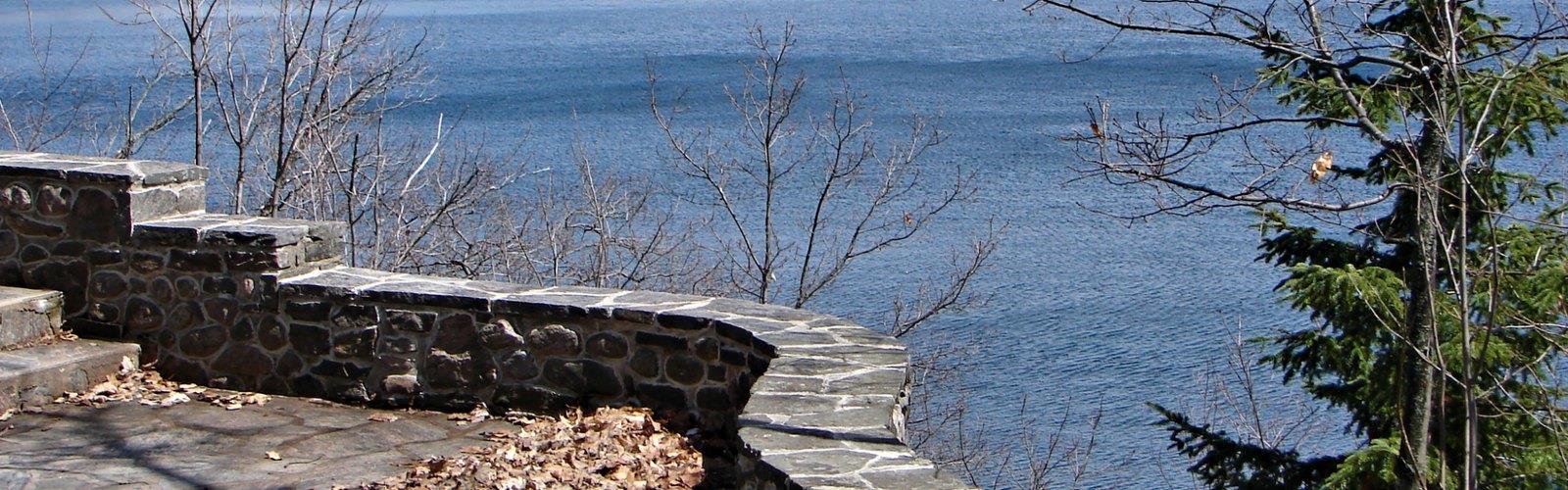

Ready to explore Bernard Lake? Here's everything you need to know before you go!
Discover the trail
Oh no! We don't have any photos 😢
This trail hasn't been captured yet. Be the first to share your adventure!Trail description
Bernard Lake sits in the heart of Algonquin Park, within the broader landscape that spans the Almaguin Highlands, Muskoka, and Parry Sound regions. It's the kind of destination that rewards hikers looking for genuine Ontario wilderness without fighting crowds for a parking spot. The trails here offer a real sense of space and quiet that's increasingly hard to find in more popular corners of the park.
Trail System and Hiking Experience
The trail network around Bernard Lake covers 56 kilometers in total, giving hikers plenty of room to explore at their own pace. With only about 100 meters of elevation gain across the entire route, this is a genuinely easy destination — the kind of place where you can focus on what's around you rather than watching your footing on steep terrain. Estimated hiking time runs around 14 hours for the full distance, which most people will split across multiple days or tackle in sections.
The terrain is classic Canadian Shield: rolling forest floor, exposed granite outcrops, and the occasional rocky scramble that breaks up the rhythm of walking through dense boreal forest. Towering white pines and mixed hardwoods dominate the canopy, with the understory shifting between open stretches and tighter sections where the trail narrows through thicker growth. Small stream crossings and wetland edges add variety to the walking experience.
Trail marking is reliable throughout the network, which makes navigation straightforward for hikers of all experience levels. The paths wind through the forest in ways that regularly open up to lake views, so you're never far from a reason to stop and take in the surroundings. Several natural vantage points along the route make good rest spots and offer clean sightlines across the water.
What stands out about Bernard Lake compared to busier Algonquin destinations is the absence of trail congestion. You can cover serious distance here without the stop-and-go experience of more famous park routes. The sound of your boots on pine needles, the wind moving through the canopy, and the occasional loon call tend to be the dominant soundtrack.
Wildlife and Natural Features
The mix of forest, wetland, and open water around Bernard Lake creates good habitat diversity, and the wildlife reflects that. Moose are a real possibility near the marshy lake edges, particularly in early morning when they feed on aquatic vegetation. White-tailed deer are commonly spotted along the trails, especially at dawn and dusk. Make noise while hiking — this is moose country, and surprising one at close range is not the experience you're after.
Birdlife is strong throughout the seasons. The lake draws waterfowl, and the surrounding forest supports woodpeckers, nuthatches, and a solid variety of seasonal migrants. Gray jays and ravens are year-round residents with a well-known habit of investigating hikers and their food. Loons are present on the lake and their calls carry across the water in a way that's become synonymous with Algonquin evenings.
The lake itself has the dark, clear water typical of Algonquin's shield lakes. Rocky shorelines alternate with marshy inlets, and the forest comes right down to the water's edge in most places. Beaver activity is visible in quieter bays, and the wetland margins support plant communities worth slowing down to observe.
Paddling
Bernard Lake's calm, protected waters suit canoes and kayaks well. The lake's size makes for a satisfying paddle without requiring a full-day commitment, and it pairs naturally with the hiking trails for a combined land-and-water day. Quiet bays around the perimeter offer slower, more exploratory paddling where beaver lodges and waterfowl are common sights. Spring can bring higher water levels, so check conditions before heading out early in the season.
Camping
Camping near Bernard Lake extends the experience well beyond a day trip. Being on-site overnight changes your relationship with the place — morning mist on the water, the gradual start of forest bird activity at first light, and the kind of dark skies that are genuinely rare closer to urban areas. The camping here connects directly to the hiking and paddling, so you can build a multi-day itinerary that uses the lake as a base rather than a single destination.
Getting There and Planning Your Visit
Bernard Lake is accessible from the main routes running through Algonquin Park and the surrounding Almaguin Highlands, Muskoka, and Parry Sound areas. The access works for both day trips and longer stays, and the location fits naturally into broader Algonquin itineraries that combine multiple lakes and trail systems.
The easy difficulty rating and well-maintained trail conditions make this a solid choice for families, newer hikers, or anyone who wants to cover real distance without technical challenges. Experienced hikers will appreciate the length of the network and the opportunity to move through the landscape at a steady pace without the interruptions that come with busier trailheads.
Seasonal timing shapes the experience noticeably. Spring brings wildflowers and migrating birds, though expect muddy sections and higher water. Summer offers the most stable conditions for both hiking and paddling. Fall delivers the forest color that makes this region worth visiting on its own terms. Winter opens the trails to snowshoeing and cross-country skiing for those prepared for cold-weather travel.
The Essential Hiking Checklist
Everything you need for your next hike. Bilingual, printable, 1 page.
Get your free hiking checklistRecommended gear for this trail
As an Amazon Associate I earn from qualifying purchases.


Ready to go?
Everything you need to know before you goStarting Point
The bernard lake trails can be accessed from the north end of the lake. There is a small parking lot and trailhead located there.
When?
How much?
As an Amazon Associate I earn from qualifying purchases.
Affiliate links — LGPO may earn a commission at no extra cost to you.
- Hiking shoes Essential
- → Salomon Elixir Tour Mid WP · 203.38 $
- Layered clothing Essential
- Rain jacket Essential
- Trekking poles
- → Black Diamond Trail Ergo Cork · 69.99 $
- Headlamp
- → Petzl Actik Core 625 · 103.95 $
FAQ - Frequently asked questions
Everything you need to knowSimilar hikes nearby
Discover other trails you might enjoy
Opeongo Lake
Algonquin Park, Almaguin Highlands, Muskoka and Parry Sound
Barron Canyon
Algonquin Park, Almaguin Highlands, Muskoka and Parry Sound
Doe Lake
Algonquin Park, Almaguin Highlands, Muskoka and Parry Sound
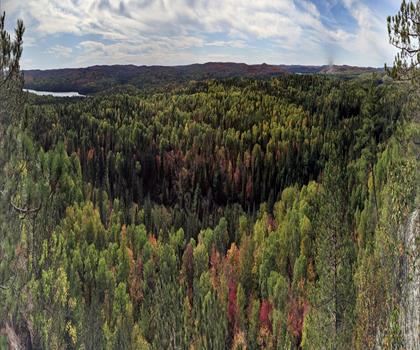
Centennial Ridges Trail
Algonquin Park, Almaguin Highlands, Muskoka and Parry Sound
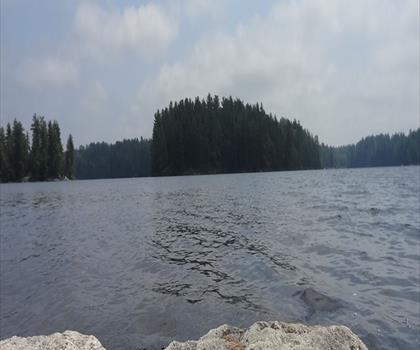
Hardy Lake
Algonquin Park, Almaguin Highlands, Muskoka and Parry Sound
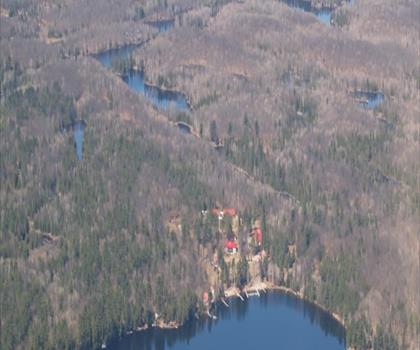
Whitestone Lake
Algonquin Park, Almaguin Highlands, Muskoka and Parry Sound
Hiking near Barrie
146 trails to explore ~150 km away
We work hard to provide the most up-to-date and error-free data possible. If something seems incorrect, let us know! Your contribution helps the whole community.
Hikers' opinions
Be the first to review!
No hiker has shared their experience yet. Share your impressions and help other hikers!