
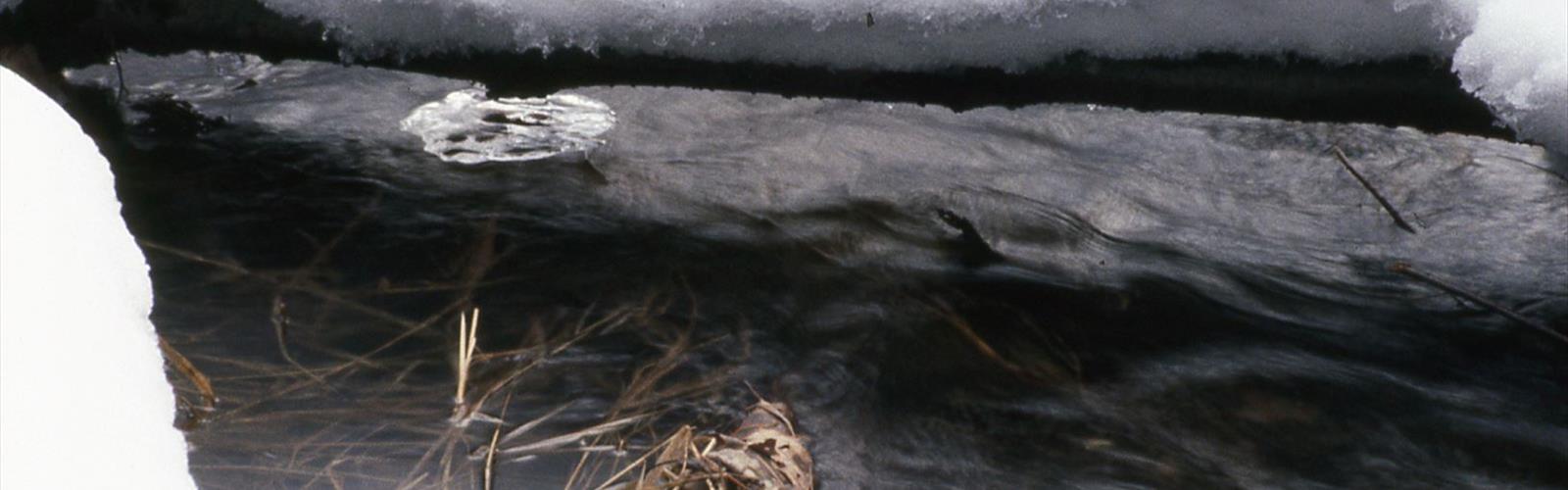

Ready to explore Bonnie Lake? Here's everything you need to know before you go!
Discover the trail
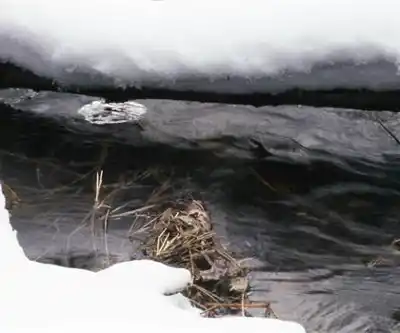
Trail description
Bonnie Lake sits in the heart of Ontario's most celebrated wilderness corridor, within the overlapping territories of Algonquin Park, Almaguin Highlands, Muskoka, and Parry Sound. The 18-kilometer trail system here offers a genuine day out in classic Canadian Shield country, with 100 meters of elevation gain spread across the full distance and an estimated 4 to 6 hours to complete the circuit. It's the kind of hike where the terrain does the work of keeping you engaged without ever feeling punishing.
Trail Terrain and What to Expect Underfoot
The paths wind through landscape that defines this part of Ontario: granite outcroppings pushing up through thick carpets of pine needles and moss, mixed forest of white pine, red maple, and birch, and an understory that fills in with ferns and wildflowers through the warmer months. The trail surface shifts between packed earth in the forested sections and rockier ground closer to the lake's edge, so footwear with decent ankle support makes a real difference.
Elevation changes are gradual for most of the route. The steeper pitches tend to show up on approaches to viewpoints overlooking the lake, where the effort pays off quickly. Stream crossings appear at several points along the way — typically manageable via logs or stepping stones, though spring runoff and heavy rain can make these sections more interesting than planned.
The lake itself becomes a recurring presence throughout the hike. Multiple vantage points along the route look out over the water, and the clarity of Bonnie Lake is one of its most striking features — on a calm day you can see well down to the rocky bottom. These spots work naturally as rest stops, and they're especially worth lingering at during early morning or late afternoon when the light through the forest canopy hits the water at a low angle.
Wildlife Along the Route
The location within this cluster of protected regions creates solid conditions for wildlife sightings. White-tailed deer are a regular presence along trail edges, particularly in the early morning and evening hours. Their paths cross the hiking trail in several places, and following those corridors with your eyes into the forest often reveals more than the trail itself does.
Bald eagles patrol the lake regularly, nesting in the tallest pines and using the water as prime hunting ground. Patient hikers willing to sit quietly at one of the lake viewpoints have a reasonable shot at watching a fishing run. Common loons provide the audio backdrop that most people associate with northern Ontario lakes — their calls carry across the water at dawn and dusk in a way that's hard to forget.
Great blue herons work the shallower bays, and various duck species move through during migration. Black bears are present in the area, though encounters are uncommon given the size of the surrounding wilderness and the bears' general preference for avoiding people. Standard precautions apply: proper food storage, awareness of your surroundings, and making enough noise on the trail that surprises stay rare.
Seasonal Conditions
Summer is the most straightforward season here. The trail is in good shape, the lake is accessible for swimming at several points where the path meets the shoreline, and the full 18 kilometers can be completed comfortably within the estimated time window. Kayakers and canoeists often use the same shoreline access points, so the lake tends to have some activity on it during peak summer weekends.
Fall is arguably the strongest season for this hike. The mixed hardwood forest — particularly the maples and birches — puts on a serious color display that typically peaks in late September to early October. Temperatures drop into a comfortable range for hiking, insects are largely gone, and visibility through the forest opens up as the understory dies back. The combination makes for some of the clearest views of the lake from the trail's elevated sections.
Winter converts the trail system into snowshoe and cross-country ski territory. Animal tracks in the snow add a layer of interest that's absent in other seasons, and the frozen lake surface extends the area available to explore. That said, winter visits require a realistic time buffer — travel is slower, and conditions can change quickly in this part of Ontario.
Spring is the most variable season. Mud and seasonal flooding at stream crossings can complicate the route, and some sections may be genuinely impassable during peak snowmelt. The tradeoff is increased wildlife activity and early wildflower displays for those willing to work around the conditions.
Getting There and Practical Notes
Bonnie Lake is within reasonable driving distance of major Ontario urban centers, making it a workable option for a day trip or weekend outing. The drive itself transitions clearly from developed areas into the Canadian Shield landscape that surrounds the trail.
For a hike of this length and character, the standard kit applies: sturdy boots suited to mixed terrain, layered clothing for variable conditions, and enough water and food for a 4 to 6-hour outing. The more remote sections of the trail make basic emergency preparedness worth the small extra weight — a first aid kit and a way to communicate or navigate if cell coverage drops out. Weather in this region can shift with elevation and proximity to the lake, so checking conditions before heading out is worth the few minutes it takes.
The Essential Hiking Checklist
Everything you need for your next hike. Bilingual, printable, 1 page.
Get your free hiking checklistRecommended gear for this trail
As an Amazon Associate I earn from qualifying purchases.


Ready to go?
Everything you need to know before you goStarting Point
The bonnie lake trails can be accessed from the town of Kearney, Ontario. From Kearney, take Highway 17 east for approximately 5 km until you reach the junction for Highway 6. Take Highway 6 north for approximately 15 km until you reach the junction for bonnie lake Road. Take bonnie lake Road west for approximately 4 km until you reach the trailhead parking lot.
When?
How much?
As an Amazon Associate I earn from qualifying purchases.
Affiliate links — LGPO may earn a commission at no extra cost to you.
- Hiking shoes Essential
- → Salomon Elixir Tour Mid WP · 203.38 $
- Layered clothing Essential
- Rain jacket Essential
- Trekking poles
- → Black Diamond Trail Ergo Cork · 69.99 $
- Headlamp
- → Petzl Actik Core 625 · 103.95 $
FAQ - Frequently asked questions
Everything you need to knowSimilar hikes nearby
Discover other trails you might enjoy
Opeongo Lake
Algonquin Park, Almaguin Highlands, Muskoka and Parry Sound
Barron Canyon
Algonquin Park, Almaguin Highlands, Muskoka and Parry Sound
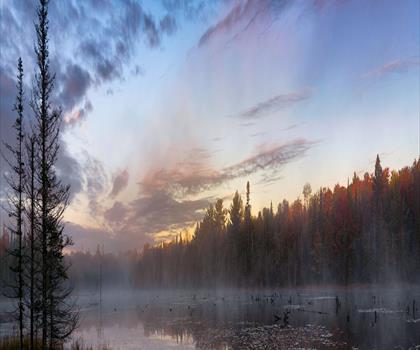
Doe Lake
Algonquin Park, Almaguin Highlands, Muskoka and Parry Sound
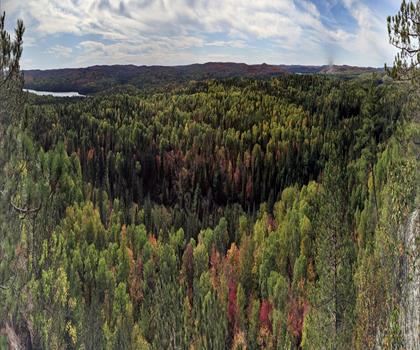
Centennial Ridges Trail
Algonquin Park, Almaguin Highlands, Muskoka and Parry Sound
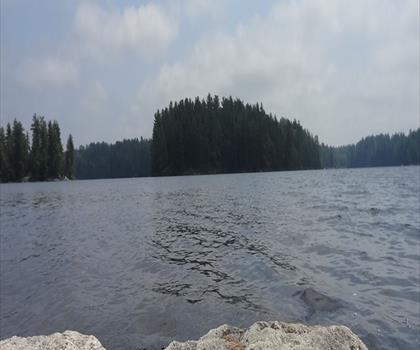
Hardy Lake
Algonquin Park, Almaguin Highlands, Muskoka and Parry Sound
Whitestone Lake
Algonquin Park, Almaguin Highlands, Muskoka and Parry Sound
Hiking near Barrie
146 trails to explore ~90 km away
We work hard to provide the most up-to-date and error-free data possible. If something seems incorrect, let us know! Your contribution helps the whole community.
Hikers' opinions
Be the first to review!
No hiker has shared their experience yet. Share your impressions and help other hikers!