
Ready to explore Grundy Lake Provincial Park? Here's everything you need to know before you go!
Discover the trail
Oh no! We don't have any photos 😢
This trail hasn't been captured yet. Be the first to share your adventure!Trail description
Description
Grundy Lake Provincial Park sits in the heart of Northeastern Ontario, offering a perfect blend of accessible wilderness and well-maintained facilities that make it a standout destination in the Algonquin Park region. This park strikes an ideal balance for hikers and outdoor enthusiasts—remote enough to feel like a true escape, yet close enough to major centers to make it practical for both day trips and extended stays.
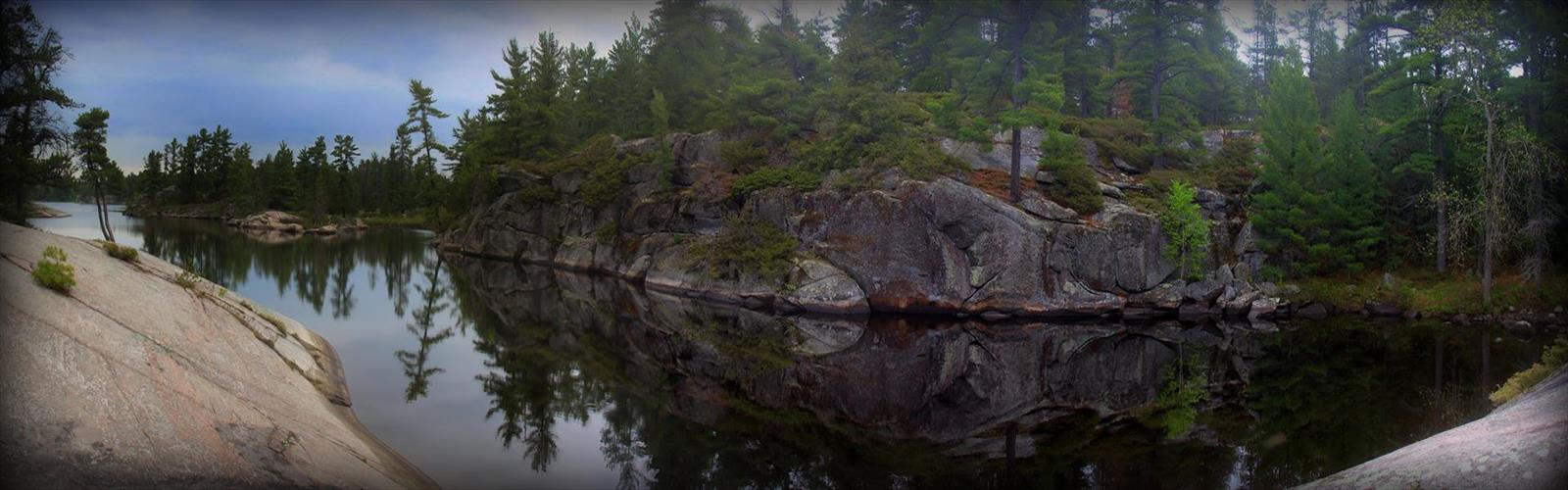
The park's landscape showcases the classic Canadian Shield terrain that defines this part of Ontario. Rocky outcrops emerge from dense mixed forests of maple, birch, and pine, while a network of pristine lakes creates natural corridors through the wilderness. The terrain here is generally forgiving, with gentle rolling hills and well-established trail systems that make navigation straightforward even for less experienced hikers. The 6 km of trails wind through this varied landscape with only 50 meters of elevation gain, making for comfortable hiking that can typically be completed in about an hour and a half.
Trail Experience and Terrain
The park's trail system caters to a wide range of hiking abilities, with two main routes offering distinctly different experiences. The Swan Lake Trail provides a moderate 1.5 km loop that serves as an excellent introduction to the park's character. This trail winds through lush mixed forest before opening up to serene lakeside sections where the path follows the shoreline closely enough to hear the gentle lapping of water against the rocks.
The terrain on the Swan Lake Trail is relatively gentle, with some minor elevation changes that add interest without creating significant challenges. The forest sections offer good canopy cover, making this a comfortable hike even on warmer days. The lakeside portions provide natural rest spots with clear views across the water, and the loop design means you'll experience different perspectives of the same landscape as you circle back.
For hikers seeking more of a physical challenge, the Gut Lake Trail extends the experience to 2.5 km with more varied terrain and elevation changes. This trail rewards the extra effort with stunning vistas that showcase the broader landscape of the region. The path includes some steeper sections that climb to elevated viewpoints, offering panoramic views across the interconnected lake system that defines this part of Ontario.
The trail surfaces vary from well-packed earth through the forest sections to rocky shoreline areas that require more careful footing. Root systems from the surrounding trees occasionally cross the path, creating natural steps and minor obstacles that add character to the hiking experience without posing serious challenges. The Canadian Shield bedrock surfaces in several areas, providing solid footing and interesting geological features to observe along the way.
Wildlife and Natural Environment
The park's diverse ecosystems support an impressive array of wildlife that reflects the rich biodiversity of the Northeastern Ontario wilderness. White-tailed deer are commonly spotted throughout the park, particularly during early morning and evening hours when they venture closer to the trail systems. Beavers maintain active colonies in several of the park's water bodies, and their engineering projects—dams, lodges, and modified waterways—add a fascinating element to the landscape.
Moose sightings, while less predictable, do occur regularly enough that hikers should be aware of proper wildlife protocols. These magnificent animals often use the same corridors as human visitors, particularly around water sources and in the early hours of the day. The Gut Lake Trail provides the park's best opportunities for wildlife spotting, as the more remote sections and varied habitat along this route increase your chances of encountering the park's resident animals in their natural environment.
Birdwatchers will find the park particularly rewarding. The combination of forest and water habitats attracts species like loons, whose haunting calls echo across the lakes, and herons that can often be observed fishing in the shallower bays. The mixed forest environment also supports a variety of songbirds and raptors that change with the seasons.
Water Activities and Lake Access
The park's pristine lake system extends the outdoor experience well beyond hiking. The crystal-clear waters maintain excellent quality due to the park's protected status and the natural filtration provided by the surrounding forest ecosystem. Canoeing and kayaking offer peaceful ways to explore areas of the park that aren't accessible by foot, with several interconnected waterways providing options for both short paddles and longer expeditions.
Swimming opportunities abound during the warmer months, with several natural beaches and rocky shoreline areas that provide easy water access. The lakes warm sufficiently during summer to make swimming comfortable, and the clear water and natural bottom make for pleasant conditions. Many hikers combine their trail experience with a refreshing swim, particularly after completing the longer Gut Lake Trail.
Anglers will find well-stocked waters with healthy populations of bass and pike. The varied underwater structure created by fallen trees, rocky points, and weed beds provides excellent habitat for these species. Both shore fishing and boat fishing are productive, with different areas of the lakes offering distinct fishing experiences.
Camping and Extended Stays
The park's camping facilities allow visitors to extend their wilderness experience beyond day trips. The campground offers a range of options designed to accommodate different camping styles and comfort levels. Basic tent sites provide a more primitive experience for those seeking to minimize their impact and maximize their connection with the natural environment.
For campers who prefer some modern conveniences, sites with electrical hookups are available, allowing for the use of small appliances and devices while still maintaining the outdoor camping experience. All campsites are well-maintained and positioned to provide privacy while ensuring easy access to park facilities.
The camping experience at Grundy Lake is enhanced by the park's natural acoustics—the combination of forest and water creates a peaceful soundscape of lapping waves, rustling leaves, and wildlife calls that provides a perfect backdrop for sleeping under the stars.
Access and Planning Information
Grundy Lake Provincial Park's location makes it easily accessible from major urban centers, with reasonable driving distances from both Sudbury and Parry Sound. This accessibility makes it practical for weekend getaways while still providing the sense of remoteness that many outdoor enthusiasts seek.
Proper preparation enhances the experience significantly. Sturdy footwear is essential, as the trail surfaces include everything from smooth forest paths to rocky shoreline sections. Insect repellent is particularly important during the warmer months when blackflies and mosquitoes are most active. Carrying plenty of water is always wise, even on shorter hikes, as the physical activity combined with fresh air tends to increase hydration needs.
The park's combination of well-maintained trails, diverse wildlife, excellent water access, and quality camping facilities creates an outdoor destination that delivers both adventure and comfort in the heart of Northeastern Ontario's wilderness.
Ready to go?
Everything you need to know before you goStarting Point
The grundy lake provincial park is located in Ontario. To get to the start of the trails, take Highway 69 north to Highway 559. Turn left onto Highway 559 and follow it until you reach the park.
When?
How much?
- Hiking shoes Essential
- Layered clothing Essential
- Rain jacket Essential
- Trekking poles
- Headlamp
FAQ - Frequently asked questions
Everything you need to knowThe Essential Hiking Checklist
Everything you need for your next hike. Bilingual, printable, 1 page.
Download the free checklistSimilar hikes nearby
Discover other trails you might enjoy
Opeongo Lake
Algonquin Park, Almaguin Highlands, Muskoka and Parry Sound
Barron Canyon
Algonquin Park, Almaguin Highlands, Muskoka and Parry Sound
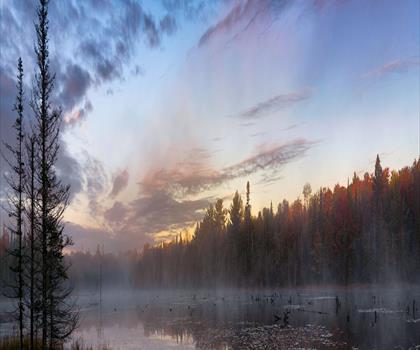
Doe Lake
Algonquin Park, Almaguin Highlands, Muskoka and Parry Sound
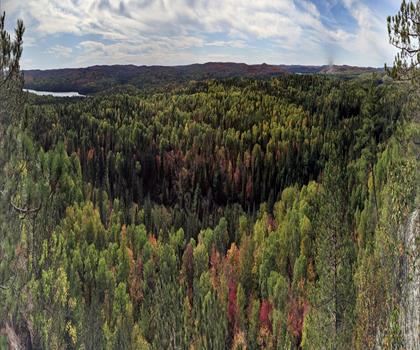
Centennial Ridges Trail
Algonquin Park, Almaguin Highlands, Muskoka and Parry Sound
Stubb's Falls
Algonquin Park, Almaguin Highlands, Muskoka and Parry Sound
Kahshe Lake
Algonquin Park, Almaguin Highlands, Muskoka and Parry Sound
Hiking near Barrie
146 trails to explore ~186 km away
We work hard to provide the most up-to-date and error-free data possible. If something seems incorrect, let us know! Your contribution helps the whole community.
Hikers' opinions