
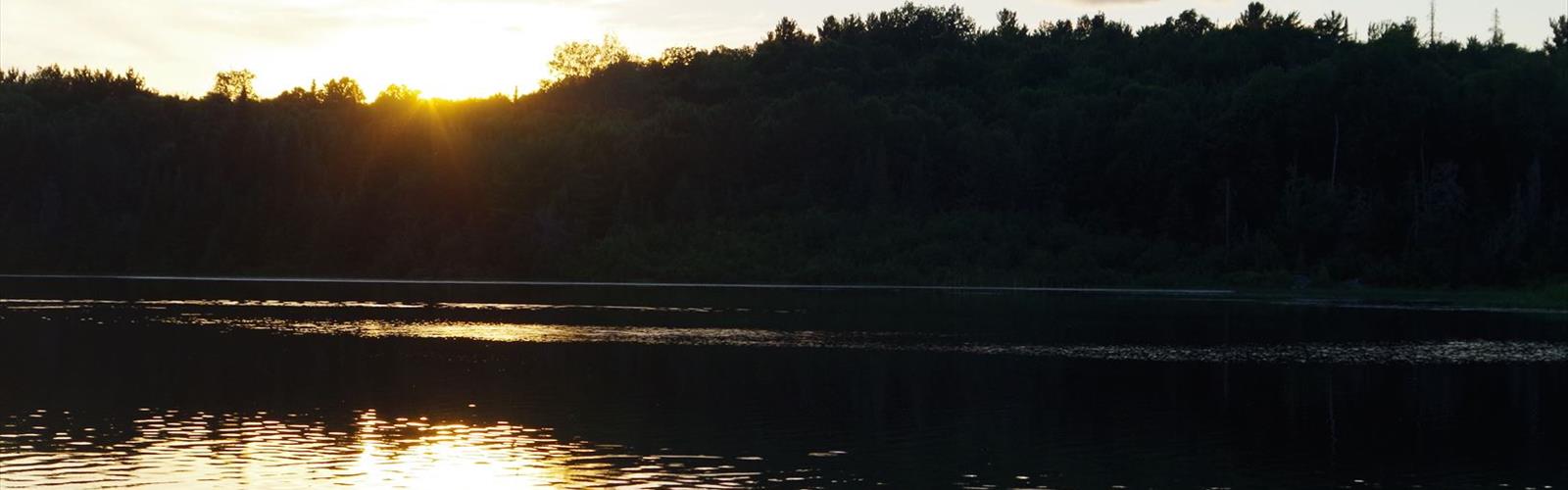
Ready to explore Marten River Provincial park? Here's everything you need to know before you go!
Discover the trail
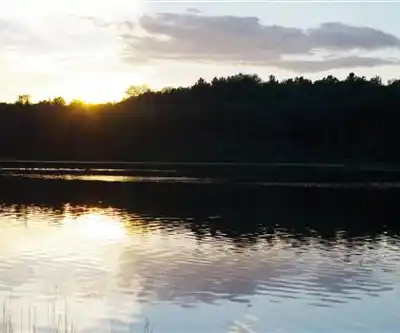
Oh no! We don't have any photos 😢
This trail hasn't been captured yet. Be the first to share your adventure!Trail description
Description
Marten River Provincial Park sits along Highway 11 in northeastern Ontario, serving as a natural gateway between the populated south and the vast wilderness beyond. This 1,100-hectare park occupies a unique ecological position where the Great Lakes-St. Lawrence forest meets the boreal forest, creating diverse habitats that support an impressive range of wildlife and plant communities.
The park's location makes it easily accessible for day trips or longer adventures, yet once you step onto the trails, the proximity to the highway fades into background noise quickly absorbed by the forest canopy. The landscape here tells the story of Ontario's geological past, with ancient bedrock formations, wetlands carved by glacial activity, and forests that have regenerated from the logging era of the early 1900s.
Trail Network and Hiking Experience
The park's 3.2-kilometer trail system provides a surprisingly challenging hiking experience despite the modest 30 meters of elevation gain. What makes these trails difficult isn't steep climbs, but rather the technical terrain and navigation challenges that test even experienced hikers. The trails wind through dense forest sections where root systems create uneven footing, and wetland crossings require careful attention to avoid muddy or unstable ground.
The Transition Trail stands out as the park's signature hiking experience, living up to its name by guiding you through the ecological transition zone that defines this region. This trail demands attention as it navigates through mixed forest where towering white pines share space with maple, birch, and poplar. The trail's technical sections include several stream crossings and areas where the path becomes less defined, requiring hikers to follow blazes carefully through dense understory.
The trail's highlight comes at several viewpoints overlooking the surrounding wetlands, where the forest opens up to reveal the intricate network of marshes and small lakes that characterize the Marten River watershed. These viewpoints provide welcome breaks from the more demanding sections while offering excellent opportunities to spot wildlife in the open water areas below.
As you navigate the Transition Trail, you'll notice how the forest composition shifts subtly. The southern hardwood species gradually give way to more boreal characteristics—balsam fir, black spruce, and jack pine become more prominent. This transition creates diverse microhabitats that support the park's rich wildlife population, but also means trail conditions can vary significantly as you move between different forest types.
The Old Logging Trail offers a different set of challenges, following historic routes used during the area's logging heyday. While this path features interpretive signs that bring the region's industrial heritage to life, explaining how massive pine logs were floated down the Marten River to sawmills downstream, the trail itself can be deceptively difficult. Old logging roads often become waterlogged, and sections where heavy machinery once operated can create uneven, rocky terrain that requires careful footing.
Wildlife and Natural Features
Marten River's position in the transition zone creates exceptional wildlife viewing opportunities, though the challenging terrain means you'll need to stay alert for both animals and trail conditions. Moose frequent the wetland areas, particularly during early morning and evening hours when they wade into shallow water to feed on aquatic vegetation. The park's numerous beaver ponds and marshes provide ideal habitat for these massive animals, and patient observers often spot them from the trail viewpoints.
The haunting calls of common loons echo across the park's lakes throughout the warmer months, while great blue herons can often be seen standing motionless in shallow bays waiting for fish. The diverse forest habitats support an impressive variety of bird species that changes with the seasons. Woodpeckers, including the impressive pileated woodpecker, work the mature trees, while various warbler species fill the understory with song during spring and summer months.
Black bears inhabit the area, and the challenging, less-traveled nature of some trail sections means encounters are possible. The park's day-use nature and regular human activity help minimize risks, but hikers should remain bear-aware, especially in dense forest sections where visibility is limited. The wetlands also support populations of beaver, muskrat, and otter, with evidence of their activity visible along many of the waterways.
Camping and Extended Stays
The park's campground provides an excellent base for tackling the challenging trail system over multiple days or for recovering after a demanding hike. Both tent sites and RV-accessible spots are available, with facilities designed to accommodate different camping preferences. The campground's layout takes advantage of the natural forest setting, with sites positioned to provide privacy while maintaining easy access to washroom facilities and other amenities.
Camping here offers the chance to experience the park's wildlife activity during dawn and dusk hours when many species are most active. The sounds of the forest change dramatically after dark, with owls calling across the wetlands and the occasional splash of beaver or muskrat in nearby waters. Morning often brings mist rising from the lakes and the opportunity to spot wildlife before other visitors arrive.
For hikers planning to tackle the more challenging trail sections, camping allows you to start early when conditions are often better and wildlife activity is at its peak. The cooler morning temperatures also make the demanding terrain more manageable.
Seasonal Considerations and Planning
The park's character changes significantly with the seasons, and these changes dramatically affect trail difficulty. Spring brings migrating birds and the emergence of wildflowers, but trails become particularly challenging during snowmelt when muddy conditions can make already difficult sections nearly impassable.
Summer provides the most stable trail conditions, though the technical terrain remains demanding. Peak wildlife activity during this season, particularly in the wetland areas, rewards hikers who successfully navigate the challenging sections. However, dense forest canopy can create humid conditions that add to the physical demands of the trails.
Fall transforms the mixed forest into a showcase of autumn colors, with the maples and birches providing brilliant reds and yellows against the evergreen backdrop. This season offers some of the best trail conditions as summer's humidity fades and insects become less problematic, though fallen leaves can obscure trail markers and create slippery conditions on technical sections.
Before visiting, check current trail conditions and any seasonal advisories, as wet conditions can make challenging sections dangerous. Pack appropriate hiking boots with good ankle support for the uneven terrain, and bring plenty of water and snacks as the demanding nature of the trails can take longer than expected. Insect repellent becomes essential during summer months, particularly near the wetland areas where mosquitoes and blackflies can be numerous.
The park's location along Highway 11 makes it an ideal stop for experienced hikers looking for a genuine challenge without venturing into true wilderness areas, offering a taste of Ontario's diverse ecosystems wrapped in a surprisingly demanding trail experience.
Ready to go?
Everything you need to know before you goStarting Point
The marten river provincial park is located in Ontario. To get to the start of the trails, take Highway 11 north to Highway 631. Turn left onto Highway 631 and follow it until you reach the park.
When?
How much?
- Hiking shoes Essential
- Layered clothing Essential
- Rain jacket Essential
- Trekking poles
- Headlamp
FAQ - Frequently asked questions
Everything you need to knowThe Essential Hiking Checklist
Everything you need for your next hike. Bilingual, printable, 1 page.
Download the free checklistSimilar hikes nearby
Discover other trails you might enjoy

Opeongo Lake
Algonquin Park, Almaguin Highlands, Muskoka and Parry Sound
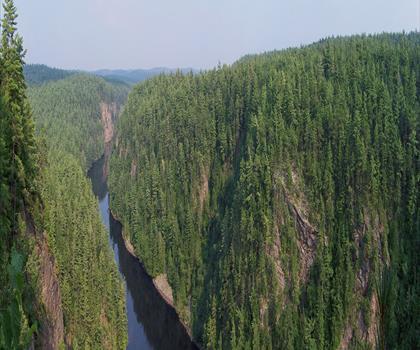
Barron Canyon
Algonquin Park, Almaguin Highlands, Muskoka and Parry Sound
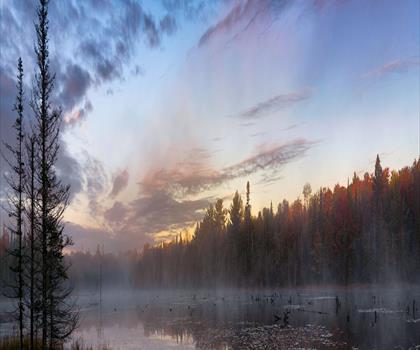
Doe Lake
Algonquin Park, Almaguin Highlands, Muskoka and Parry Sound
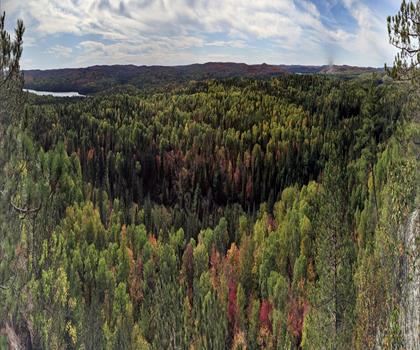
Centennial Ridges Trail
Algonquin Park, Almaguin Highlands, Muskoka and Parry Sound
Hardy Lake
Algonquin Park, Almaguin Highlands, Muskoka and Parry Sound
Whitestone Lake
Algonquin Park, Almaguin Highlands, Muskoka and Parry Sound
Hiking near Barrie
146 trails to explore ~261 km away
We work hard to provide the most up-to-date and error-free data possible. If something seems incorrect, let us know! Your contribution helps the whole community.
Hikers' opinions