
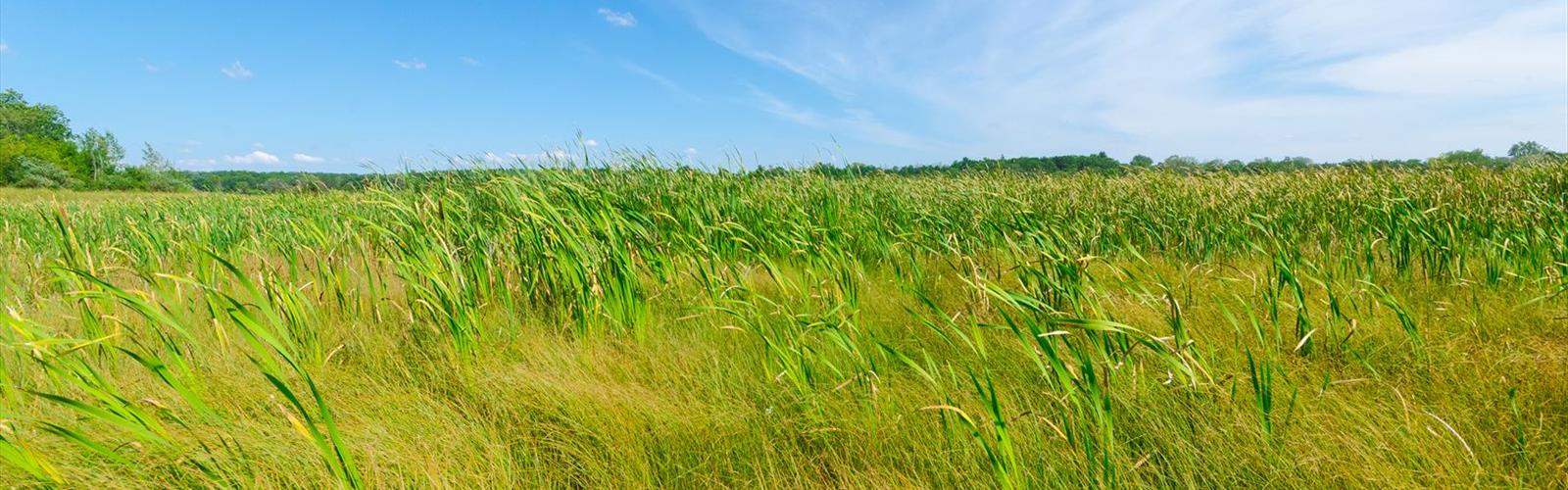

Ready to explore Pickerel Lake? Here's everything you need to know before you go!
Discover the trail

Trail description
Pickerel Lake is a quiet destination tucked into Ontario's wilderness across the Algonquin Park, Almaguin Highlands, Muskoka, and Parry Sound region. The trail covering the 3-kilometer route takes roughly 2.5 hours at a comfortable pace, with only 30 meters of elevation gain spread across the entire distance — enough to keep things interesting without pushing anyone too hard. It's the kind of place that rewards hikers who aren't chasing a summit but want a genuine, unhurried experience in the Canadian Shield landscape.
The Trail
The route moves through classic Ontario mixed forest from the start. White pines and sugar maples form a solid canopy overhead, and the trail underfoot feels genuinely wild without being technically demanding. Granite outcroppings and fallen logs break up the forest floor regularly — this is Canadian Shield country, and the ancient rock is never far from the surface.
The elevation changes are gradual and spread out, so you won't hit any single steep section that forces a rest. The rolling terrain keeps the walk from feeling flat or monotonous, and the modest climbs give you just enough of a workout to feel like you've earned the lake at the end. The path is well-defined throughout, though it retains the character of a backcountry trail rather than a groomed park walkway.
Mid-route, the forest opens briefly into clearer sections where the surrounding hills come into view. These breaks in the canopy are worth pausing at — they give you a sense of the broader landscape and are reliable spots for wildlife activity, particularly in the quieter morning hours.
Arriving at the Lake
The final stretch descends gently through a mix of birch, maple, and conifers. You'll often hear the lake before you see it — the subtle sound of water and the shift in air quality that comes with proximity to a large body of water. When Pickerel Lake opens up in front of you, it's a straightforward payoff: clear water, unbroken forest on all sides, and the kind of stillness that's increasingly hard to find.
The shoreline has smooth granite slabs and natural flat areas that work well for a lunch stop. On calm days the water surface reflects the surrounding trees cleanly, which makes the spot feel larger and more remote than the short trail distance might suggest. The water stays cool even through summer, fed by depth and shaded by the surrounding forest.
Wildlife Along the Way
The corridor between forest and water makes this area productive for wildlife. Deer are a regular presence, especially early and late in the day when they move toward the lake. Moose sightings happen often enough that it's worth keeping your eyes open and your voice low — if you do encounter one, give it plenty of room and don't approach. The standard advice applies: stay calm, back away slowly, and let the animal move on its own terms.
Bird activity is consistent throughout the hike. Loons are a fixture on the lake itself, and their calls carry well across the water. Woodpeckers are audible in the denser forest sections, and the mix of habitat types — open water, shoreline, mixed forest — supports a solid variety of species for anyone paying attention.
The forest also shows the layered history of Ontario's woodlands. Old-growth white pines that survived historical logging stand noticeably taller than the surrounding canopy in places, and their scale puts the age of this landscape in perspective.
When to Go
The trail is accessible through most of the hiking season. Spring brings active wildlife and fresh growth but expect muddy sections and potentially wet footing. Summer offers the most comfortable conditions overall and the best chance for a swim, though you'll share the trail with more visitors during peak weeks.
Fall is a strong choice for Pickerel Lake. The autumn foliage around the lake reflects well on the water's surface, the insects are largely gone, and the cooler temperatures make the 3-kilometer distance feel easy. The light in October and early November hits the Canadian Shield landscape in a way that's hard to replicate at other times of year.
Winter access is possible but requires appropriate gear and experience — the frozen lake and snow-covered forest create a completely different environment that suits those comfortable with cold-weather travel.
Before You Head Out
Given that Pickerel Lake sits across multiple administrative regions — Algonquin Park, Almaguin Highlands, Muskoka, and Parry Sound — it's worth confirming current access points and any applicable regulations before your visit, as these can vary depending on which entry you use. Check current trail conditions ahead of time, particularly in spring and after significant rainfall.
Bring enough water for the full 2.5-hour outing, pack out everything you bring in, and leave the shoreline as you found it so the next group gets the same experience you did.
The Essential Hiking Checklist
Everything you need for your next hike. Bilingual, printable, 1 page.
Get your free hiking checklistRecommended gear for this trail
As an Amazon Associate I earn from qualifying purchases.


Ready to go?
Everything you need to know before you goStarting Point
To access the hiking trails, you can start at the main trailhead located at the parking lot on Highway 60. If you're coming from the west, take Highway 11 to Huntsville and then follow Highway 60 east into the park. From the east, take Highway 17 to Renfrew, then head south on Highway 60. There are several other access points along Highway 60 where you can find additional trailheads. Make sure to check for specific directions based on your starting location and desired trailhead.
When?
How much?
As an Amazon Associate I earn from qualifying purchases.
Affiliate links — LGPO may earn a commission at no extra cost to you.
- Hiking shoes Essential
- → Salomon Elixir Tour Mid WP · 203.38 $
- Layered clothing Essential
- Rain jacket Essential
- Trekking poles
- → Black Diamond Trail Ergo Cork · 69.99 $
- Headlamp
- → Petzl Actik Core 625 · 103.95 $
FAQ - Frequently asked questions
Everything you need to knowSimilar hikes nearby
Discover other trails you might enjoy
Opeongo Lake
Algonquin Park, Almaguin Highlands, Muskoka and Parry Sound
Barron Canyon
Algonquin Park, Almaguin Highlands, Muskoka and Parry Sound
Doe Lake
Algonquin Park, Almaguin Highlands, Muskoka and Parry Sound
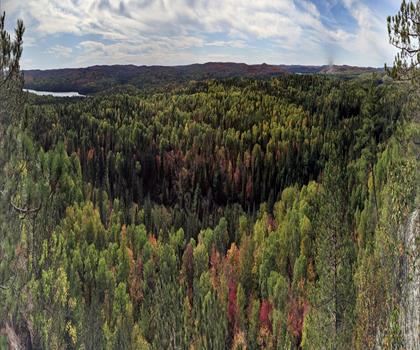
Centennial Ridges Trail
Algonquin Park, Almaguin Highlands, Muskoka and Parry Sound
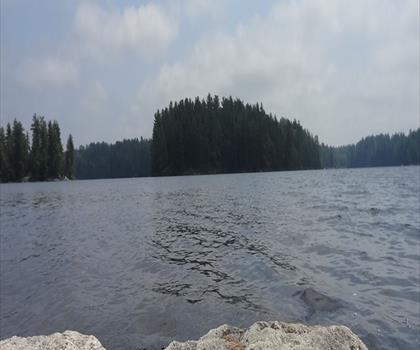
Hardy Lake
Algonquin Park, Almaguin Highlands, Muskoka and Parry Sound
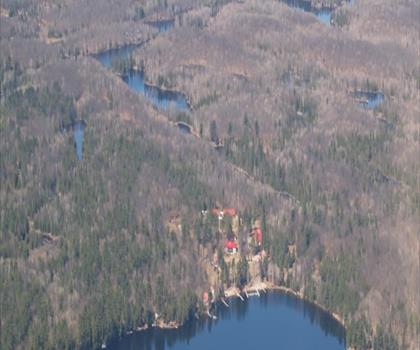
Whitestone Lake
Algonquin Park, Almaguin Highlands, Muskoka and Parry Sound
Hiking near Barrie
146 trails to explore ~145 km away
We work hard to provide the most up-to-date and error-free data possible. If something seems incorrect, let us know! Your contribution helps the whole community.
Hikers' opinions
Be the first to review!
No hiker has shared their experience yet. Share your impressions and help other hikers!