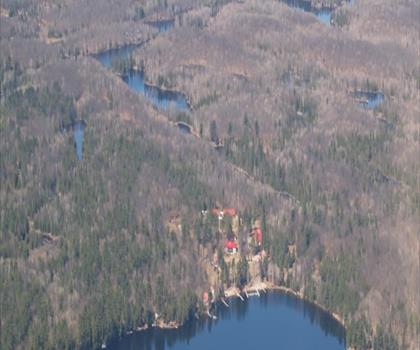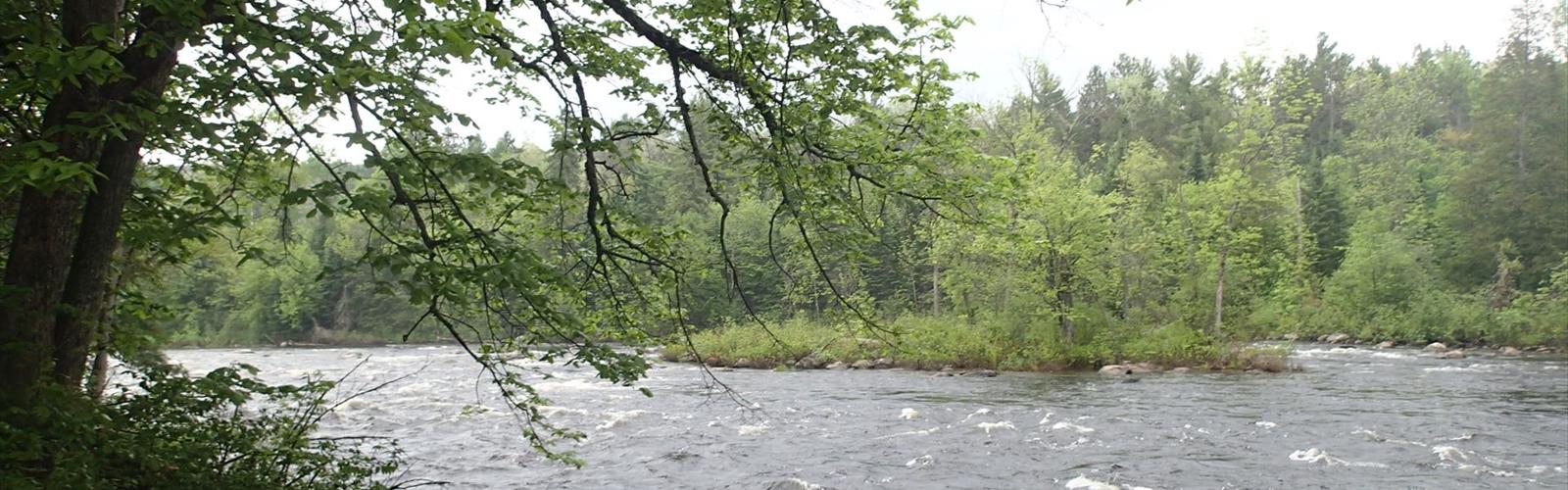
Hiking Samuel de Champlain Provincial Park - panoramic view  tree outdoor landscape nature mountain sky autumn plant cloud background lake painting forest surrounded distance
--°C
Loading...
See forecast →

Hiking in Samuel de Champlain Provincial Park: trails, map and practical info

Algonquin Park, Almaguin Highlands, Muskoka and Parry Sound • Ontario

4.5 Appreciated by 28 hikers
François Dumaine
By François DumaineContributor since 2022Updated 27/05/2026
Elevation
100 ft

Explore the historic Mattawa River corridor in Ontario's Algonquin region through the Etienne Trail system, offering loops from 5 to 17 kilometers. This 100m elevation adventure winds through classic Canadian Shield terrain where French explorer Samuel de Champlain once traveled.

Recommended for :

Ready to explore Samuel de Champlain Provincial Park? Here's everything you need to know before you go!

Discover the trail
Oh no! We don't have any photos 😢

This trail hasn't been captured yet. Be the first to share your adventure!

Trail description

Description

Samuel de Champlain Provincial Park sits in the heart of Ontario's Algonquin Park, Almaguin Highlands, Muskoka, and Parry Sound region, offering over 2,500 hectares of pristine wilderness along the historic Mattawa River. Named after the famous French explorer, this park delivers the kind of authentic Canadian Shield experience that draws hikers back year after year.

Trail System and Hiking Options

The park's crown jewel is the Etienne Trail system, which provides three distinct loop options designed to accommodate different fitness levels and time commitments. The shortest 5-kilometer loop makes an excellent introduction for families or those seeking a leisurely morning hike, while the intermediate and advanced loops extend to 17 kilometers for hikers wanting a more substantial challenge.

These trails wind through classic Canadian Shield terrain, where ancient granite outcroppings emerge from dense mixed forests of maple, birch, and towering white pine. The path surfaces vary from well-maintained dirt trails to occasional rocky sections that require careful footing, particularly after rain. Hikers traverse rolling hills that offer periodic elevation changes without demanding technical climbing skills, making the trails accessible to most outdoor enthusiasts with basic fitness levels.

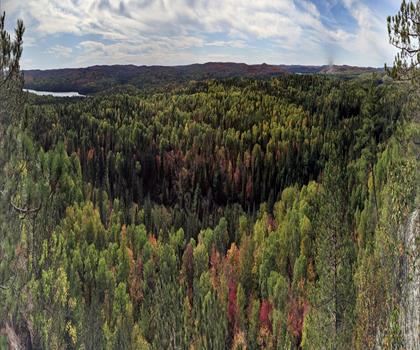
Throughout the trail system, you'll encounter numerous vantage points overlooking the surrounding forest canopy and glimpses of the Mattawa River valley below. The longer loops venture deeper into the backcountry, where the forest grows quieter and wildlife sightings become more frequent. Trail markers are well-maintained, though carrying a park map from the visitor center remains advisable for the longer routes.

Natural Environment and Terrain

The Mattawa River serves as the park's defining geographical feature, meandering through the landscape and creating diverse ecosystems along its banks. This waterway not only provides scenic beauty but also supports the rich biodiversity that makes wildlife watching so rewarding here. The river's presence moderates the local climate and creates microclimates that support different plant communities throughout the park.

The forest composition reflects the transitional zone between the Great Lakes-St. Lawrence and Boreal forest regions. Hikers move through stands of sugar maple and yellow birch that explode with color during autumn, interspersed with coniferous sections dominated by white pine, red pine, and eastern hemlock. The understory varies seasonally, with spring bringing trilliums and other wildflowers, while summer offers lush fern carpets in the shadier sections.

Rocky outcroppings and small wetlands punctuate the landscape, creating habitat diversity that supports the park's wildlife populations. These geological features also provide natural rest stops and photo opportunities, particularly where they offer views across the forest or down to the river. The Canadian Shield bedrock creates dramatic contrasts between exposed granite faces and deep forest pockets where centuries of organic matter have accumulated.

Wildlife and Natural Observation

Samuel de Champlain Provincial Park hosts an impressive array of wildlife that reflects the health of its ecosystems. Moose are among the most sought-after sightings, often spotted in marshy areas and along the river during early morning or evening hours. White-tailed deer move throughout the park but are most commonly observed in the meadow areas and forest edges.

The Mattawa River and its tributaries support healthy populations of river otters, whose playful behavior delights visitors lucky enough to witness their antics. Beavers have created several active sites throughout the park, and their engineering projects provide excellent wildlife viewing opportunities. These industrious animals have shaped much of the park's wetland character through their dam-building activities.

Bird enthusiasts will find the park particularly rewarding, with species ranging from common loons calling across the water to various woodpecker species echoing through the forest. Raptors including red-tailed hawks and the occasional bald eagle patrol the skies, while smaller songbirds populate the diverse forest habitats. The mix of coniferous and deciduous trees creates ideal nesting conditions for both resident and migratory species.

Black bears inhabit the area, though encounters remain relatively uncommon due to the park's size and the bears' natural wariness of humans. Proper food storage practices are essential for all visitors, whether day hiking or camping.

Water Activities and River Access

The Mattawa River provides excellent opportunities for paddling enthusiasts looking to complement their hiking experience. Canoeing and kayaking along this historic waterway offer a different perspective on the park's landscapes, with access points that connect to the trail system for multi-activity adventures.

The river's gentle current makes it suitable for paddlers of various skill levels, while the surrounding scenery provides constant visual interest. Wildlife viewing from the water often proves even more productive than from land, as many animals come to drink and feed along the riverbanks. The river corridor also reveals geological features and forest perspectives that remain hidden from the trail system.

Camping and Overnight Options

The park accommodates both car camping and backcountry camping experiences, allowing visitors to choose their preferred level of comfort and wilderness immersion. Car camping sites provide convenient access to facilities while maintaining the feeling of being surrounded by nature. These sites work well for families or those who prefer having their vehicle nearby for gear storage and quick access to supplies.

For a more authentic wilderness experience, the backcountry camping options place you deeper in the park's interior, accessible via the trail system. These sites offer genuine solitude and the chance to experience the park's nocturnal character, from the haunting calls of loons to the rustle of wildlife moving through the darkness. The remote locations provide unfiltered access to the sounds and rhythms of the forest ecosystem.

Both camping options provide excellent opportunities for stargazing, as the park's location away from major urban centers results in relatively dark skies that reveal the Milky Way on clear nights.

Visitor Services and Planning

The visitor center serves as the essential first stop for any park visit, providing current trail maps, weather updates, and information about seasonal wildlife activity. Staff can recommend specific trails based on your interests and fitness level, and they maintain current information about trail conditions that might affect your hiking plans.

Guided tours are available and can significantly enhance your understanding of the park's natural and cultural history. These programs often reveal details about the area's connection to Samuel de Champlain's explorations and the role of the Mattawa River in Canada's fur trade history. The interpretive programs help visitors understand the complex relationships between the park's geological features, plant communities, and wildlife populations.

The park's location within the broader Algonquin region means it serves as an excellent base for exploring other nearby natural areas, making it possible to experience multiple facets of this renowned outdoor recreation destination during a single visit.

Ready to go?

Everything you need to know before you go

Where?

Address
6905 Hwy 17 E, Mattawa, Ontario P0H 1V0, Canada
GPS coordinates
46.2839009, -78.8544047
Phone
Not available

Starting Point

The samuel de champlain provincial park is located in Ontario. To get to the start of the trails, take Highway 401 to exit 727 and follow Highway 2 north for about 9 km. The park entrance will be on your left.

When?

Opening hours
From sunrise to sunset
Varies by season
Best season
Fall
Spectacular colors
Best time
Early morning
Less crowded
Weather (next days)
Loading

How much?

Entry fees
Adult
Not available
Child
What to bring?
Gear
  • Hiking shoes Essential
  • Layered clothing Essential
  • Rain jacket Essential
  • Trekking poles
  • Headlamp
Download the PDF checklist
Water & food
2L minimum
No water point on the trail
Bring energy snacks for a 4h+ hike
Good to know
Park rules
No dogs
Safety
Download the GPX before you go
Limited cellular coverage on the trail
Slippery after rain
Be careful on rocky sections
In an emergency
Emergency
911
Parking GPS
46.2839009, -78.8544047
Center
Not available

Hikers' opinions

4.5
6 Reviews
D
David
Nov 8, 2025
Beautiful natural setting but the trails need better maintenance. We hiked the Geology Loop which was marked as 5km but turned out to be closer to 7km. The viewpoints are becoming overgrown and some sections of trail are being reclaimed by nature. The rocky terrain with roots and steep hills made for a challenging hike. Despite these issues, the scenic lookouts over the river were worth the effort. Park has potential but needs more investment.
L
Lisa
Oct 12, 2025
Visited during fall colors and the scenery was breathtaking. The Nature Loop is an 8km moderate hike with some steep sections but rewards you with beautiful forest views. Park offers excellent educational programming and the staff are passionate about sharing local history. Swimming area near the campsites is perfect for cooling off after hiking. Only complaint is the road into the park needs repair - very bumpy and rough for RVs. Overall a wonderful outdoor experience.
M
Marcus
Sep 15, 2025
Spent a wonderful weekend exploring the hiking trails here. The History Loop was particularly impressive with its rugged terrain and scenic lookouts over the Mattawa River. The trail is well-marked but definitely challenging with steep sections - proper hiking boots are essential. The park staff were incredibly knowledgeable and helpful, making our visit educational as well as enjoyable. Only downside was the expensive firewood at $7.75 per bundle.
J
Jennifer
Aug 3, 2025
Great family destination with something for everyone. The Kag Trail is a perfect short but challenging hike through diverse ecosystems including red pine forest and beaver ponds. Kids loved the educational programs and the replica voyageur canoe experience. The park's historical significance adds an interesting cultural element. Canoe rentals are a bit pricey but the equipment is in excellent condition. Mosquitoes can be intense during summer months so come prepared with repellent.
S
Sarah
Jul 22, 2025
This park exceeded all expectations! The campground facilities are spotless - some of the cleanest washrooms and showers I've seen in any provincial park. We loved the variety of activities available, from canoeing on Moore Lake to the free fishing equipment program. The kids had a blast tubing down the river and spotting wildlife. The night sky here is absolutely spectacular with minimal light pollution. Definitely planning a return visit.

FAQ - Frequently asked questions

Everything you need to know
100.00
No
No
To reach Samuel de Champlain Provincial Park, take Highway 401 to exit 727 and follow Highway 2 north for about 9 km. The park entrance will be on your left.
Didn't find your answer?
Free 1 pages

The Essential Hiking Checklist

Everything you need for your next hike. Bilingual, printable, 1 page.

Download the free checklist
Top 10 best hiking in Algonquin Park, Almaguin Highlands, Muskoka and Parry Sound
Our ranking based on hiker reviews

Hiking near Barrie

146 trails to explore ~221 km away

View trails
Did you spot an error?

We work hard to provide the most up-to-date and error-free data possible. If something seems incorrect, let us know!

Update : June 2026