

Ready to explore Seguin Trail? Here's everything you need to know before you go!
Discover the trail
Trail description
The Seguin Trail cuts through some of Ontario's most diverse and scenic terrain, spanning approximately 80 kilometers across Algonquin Park, the Almaguin Highlands, Muskoka, and Parry Sound regions. As part of the Trans Canada Trail network, this multi-use corridor follows the bed of a historic railway line dating back to the late 1800s — a heritage that shapes everything from the trail's unusually straight sections to its characteristically gentle grades. That combination of natural landscape and industrial history gives the Seguin Trail a personality you won't find on most trails in the region.
Who Uses This Trail
The Seguin Trail is genuinely multi-use, and that's worth knowing before you head out. Hikers share the corridor with cyclists and ATV riders during the warmer months, and in winter the trail becomes an active snowmobile route. Depending on the season and the section you choose, you'll encounter very different user groups. If you're looking for a quiet solo walk, early mornings on weekdays tend to be your best bet. Families and groups planning day trips will find the trail accommodating, especially near established access points like Foley Matheson Park near Parry Sound, which offers parking, picnic facilities, and washrooms.
Trail Character and Terrain
The trail's character shifts noticeably as it moves through different landscapes. Dense stands of towering pines dominate long stretches, creating shaded corridors with needle-carpeted floors that feel almost cathedral-like on a quiet morning. These give way to mixed hardwood sections, open wetland edges, and lake shores — each with its own feel and its own wildlife.
The railway heritage keeps grades relatively gentle across much of the route, but don't expect a groomed path. The old rail bed has settled and been partially reclaimed by vegetation over the decades, creating natural undulations, soft spots, and occasional obstacles that keep things interesting. Trail surfaces range from packed gravel and earth to grassy sections where the corridor has grown in. After rain, forested sections with limited drainage can get muddy, so waterproof footwear is a practical choice rather than an optional one.
The trail's 80-kilometer length means you can easily tailor your outing. Pick a section, set a turnaround point, and you've got anything from a two-hour walk to a full day of exploration without needing to commit to the whole route.
Wildlife and Natural Features
Wildlife sightings are a genuine highlight here. Deer are common, particularly in the early morning and at dusk when they move closer to the trail edge. Moose do appear, especially in the more remote northern sections where wetlands and lake shores provide good habitat. The bird life is varied — forest species throughout the wooded stretches, and waterfowl wherever the trail passes lakes and wetland areas.
The mix of ecosystems along the route is part of what makes a longer section worth doing. Pine forest, mixed hardwood, wetland, and Canadian Shield lakefront all show up within the same outing, and each supports a noticeably different community of plants and animals.
Points of Interest
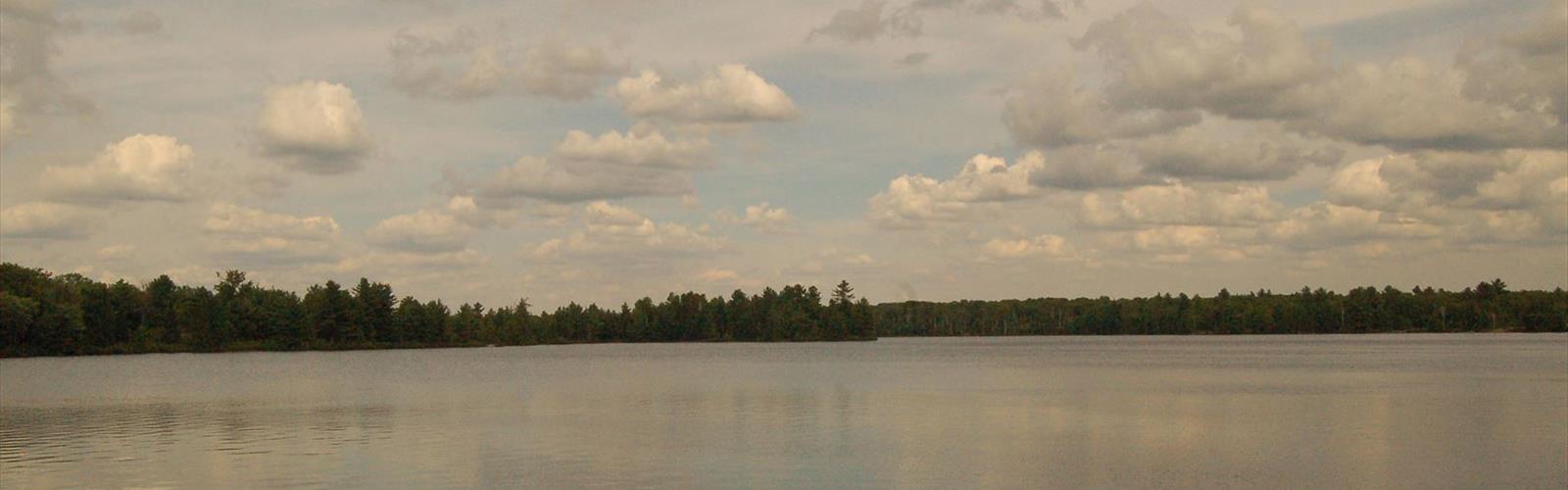
Bear Lake is one of the trail's standout destinations. It's a natural rest stop — calm water, forested surroundings, and enough space to spread out for lunch. The lake stays cool even in summer, but on a warm day it's hard to pass up a swim. The setting is a good example of the Canadian Shield landscape that defines this part of Ontario.
History runs through the trail in a literal sense. Old bridge abutments, graded rail bed, and scattered remnants of the original railway infrastructure appear at various points along the route. These aren't dramatic ruins, but they're tangible — they help explain the trail's geometry and connect the landscape to the era when this corridor carried train traffic through the region.
Seasonal Conditions
Spring brings wildflowers and migrating birds, but mud season is real — some sections become genuinely difficult to navigate, and you'll want to check conditions before heading out. Summer offers the most comfortable hiking, with full canopy shade and warm enough temperatures to make a lake stop worthwhile.
Fall is arguably the most rewarding season visually. The hardwood sections turn brilliant, the insects are gone, and the cooler air makes for comfortable walking. Winter changes the trail's character entirely — snowmobiles have right of way on this corridor, so if you're hiking in snow conditions, stay aware of motorized traffic and dress for the cold.
Planning Your Visit
Cell service is unreliable across much of the trail, particularly away from Parry Sound. Tell someone your planned route and expected return time before you go — this is standard practice on any trail with limited communication, and the Seguin Trail's length makes it more relevant than usual.
Water sources along the route are limited. Carry more than you think you'll need, especially in summer. The lakes are there in an emergency, but you'd need to treat the water before drinking. Pack out everything you bring in — the trail sees a wide range of users, and keeping it in good shape is a shared responsibility.
The elevation gain of 200 meters across the trail's length is spread out enough that it rarely feels demanding, but the cumulative effect on longer sections is worth factoring into your planning, especially if you're bringing younger kids or less experienced hikers along.
The Essential Hiking Checklist
Everything you need for your next hike. Bilingual, printable, 1 page.
Get your free hiking checklistRecommended gear for this trail
As an Amazon Associate I earn from qualifying purchases.


Ready to go?
Everything you need to know before you goStarting Point
The start of the trails at the seguin trail in Ontario can be accessed by travelling east on Highway 401 to exit 474. From there, take County Road 2 north for 9.5 kilometres until you reach the trailhead parking lot on the left.
When?
How much?
As an Amazon Associate I earn from qualifying purchases.
Affiliate links — LGPO may earn a commission at no extra cost to you.
- Hiking shoes Essential
- → Salomon Elixir Tour Mid WP · 203.38 $
- Layered clothing Essential
- Rain jacket Essential
- Trekking poles
- → Black Diamond Trail Ergo Cork · 69.99 $
- Headlamp
- → Petzl Actik Core 625 · 103.95 $
FAQ - Frequently asked questions
Everything you need to knowSimilar hikes nearby
Discover other trails you might enjoy

Opeongo Lake
Algonquin Park, Almaguin Highlands, Muskoka and Parry Sound
Barron Canyon
Algonquin Park, Almaguin Highlands, Muskoka and Parry Sound
Doe Lake
Algonquin Park, Almaguin Highlands, Muskoka and Parry Sound
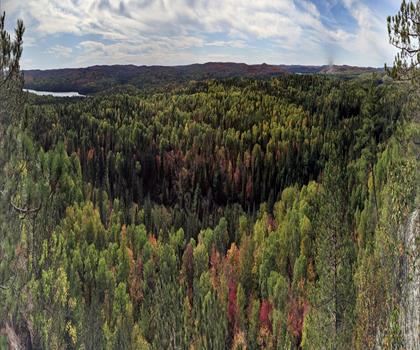
Centennial Ridges Trail
Algonquin Park, Almaguin Highlands, Muskoka and Parry Sound
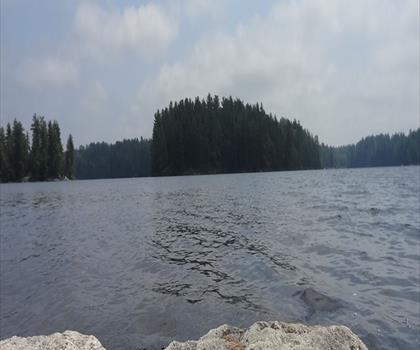
Hardy Lake
Algonquin Park, Almaguin Highlands, Muskoka and Parry Sound
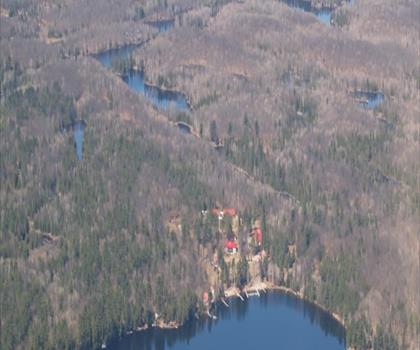
Whitestone Lake
Algonquin Park, Almaguin Highlands, Muskoka and Parry Sound
Hiking near Barrie
146 trails to explore ~112 km away
We work hard to provide the most up-to-date and error-free data possible. If something seems incorrect, let us know! Your contribution helps the whole community.
Hikers' opinions
Be the first to review!
No hiker has shared their experience yet. Share your impressions and help other hikers!