

Ready to explore Ganaraska Forest Trail? Here's everything you need to know before you go!
Discover the trail
Trail description
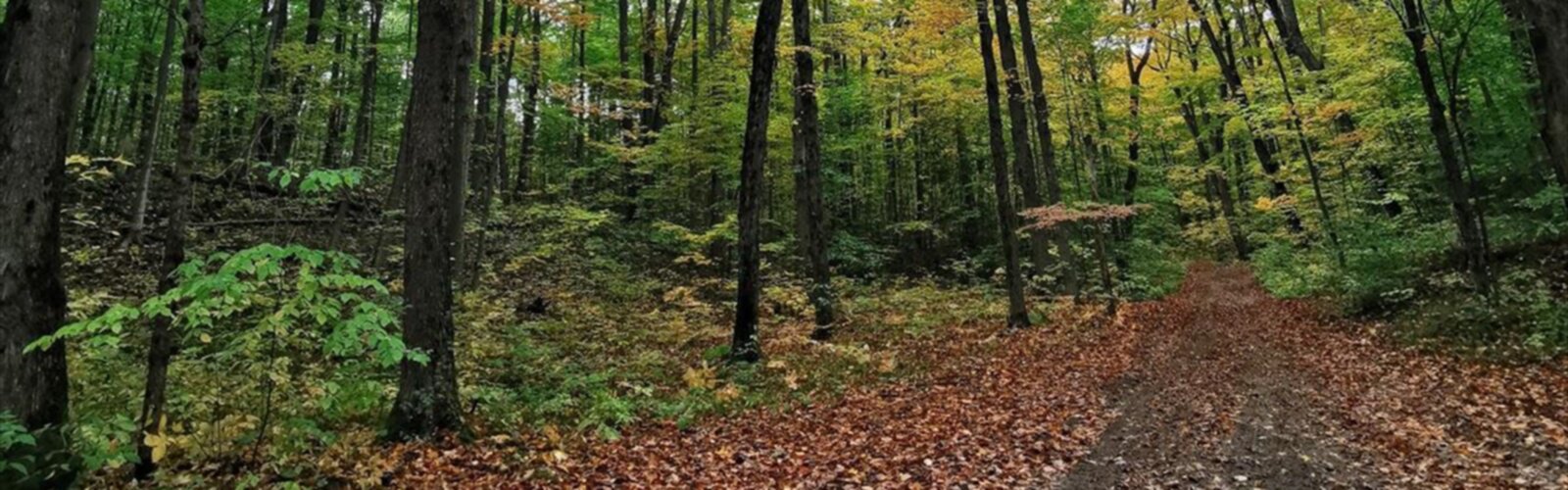
The Ganaraska Forest Trail system sprawls across 11,000 acres of Southern Ontario's largest forest, creating an extensive network of hiking opportunities that spans the York, Durham, and Headwaters regions. This isn't just another woodland walk—it's a genuine wilderness experience surprisingly close to urban centers, where you can lose yourself in dense canopy cover and emerge hours later feeling like you've traveled much farther from civilization than the map suggests.
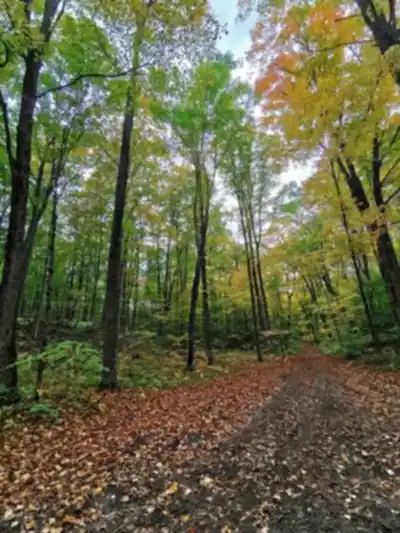
What sets Ganaraska apart from other regional forests is its sheer scale and diversity. The 159-kilometer trail network winds through dramatically different ecosystems, each offering its own character and challenges. You'll transition from thick hardwood stands where maple and oak create cathedral-like spaces overhead, to open meadows that burst with wildflowers in spring and summer, then back into coniferous sections where the forest floor stays soft underfoot year-round.
Trail Network and Navigation
The well-marked trail system accommodates everyone from families looking for gentle nature walks to experienced hikers seeking longer wilderness routes. Trail maps are available at entry points, and the clear marking system means you can focus on the experience rather than worrying about getting lost. The network includes everything from easy 30-minute loops perfect for introducing kids to hiking, to challenging full-day routes that will test your endurance across the forest's 300 meters of elevation gain.
The terrain varies significantly as you move through different sections. Some trails follow old logging roads that provide easier walking and wider sight lines, while others are true single-track paths that weave between trees and over small creek crossings. The elevation changes are gradual but noticeable—you'll find yourself working harder on some climbs than you might expect in this part of Ontario, and the payoff comes in the form of elevated viewpoints that open up across the forest canopy.
Seasonal Experiences
Each season transforms the Ganaraska Forest into what feels like a completely different place. Spring brings an explosion of trilliums, wild leeks, and other woodland flowers that carpet the forest floor before the leaves fully emerge. The trails can be muddy during snowmelt, but this is when you'll hear the most bird activity as migrants return and residents begin nesting.
Summer hiking means full canopy cover that keeps you cool even on hot days, though you'll want to be prepared for mosquitoes and blackflies in the denser, wetter sections. Fall is spectacular here—the mixed forest creates a tapestry of colors that rivals anywhere in Ontario, and the cooler temperatures make for ideal hiking conditions. Winter opens up sight lines as the leaves drop, and many trails remain accessible for snowshoeing when conditions allow.
Wildlife and Natural Features
The forest's size and relative isolation create habitat for wildlife that's becoming increasingly rare in Southern Ontario. White-tailed deer are common throughout the forest, and you'll often spot them in the meadow areas during early morning or evening hikes. Red foxes, coyotes, and the occasional black bear call this forest home, though bear encounters are rare and typically involve animals moving quickly away from human activity.
Bird watching is exceptional here, with over 200 species recorded in the forest. The mix of habitats supports everything from deep-woods species like pileated woodpeckers and various warbler species, to meadow birds like bobolinks and eastern bluebirds in the open areas. Hawks and other raptors are frequently seen soaring above the canopy, and the forest's streams and wetland areas attract waterfowl and wading birds.
The forest's streams and small wetlands add another dimension to the hiking experience. Several trails cross or follow waterways, and these areas often provide the best wildlife viewing opportunities. The sound of running water creates a peaceful backdrop for hiking, and these spots make natural rest areas during longer hikes.
Planning Your Visit
The Ganaraska Forest Centre serves as the primary information hub for trail conditions and current updates. Weather can change trail conditions significantly, especially during spring snowmelt and after heavy rains, so checking current conditions before heading out will help you choose the most appropriate routes and prepare accordingly.
Water and snacks are essential for longer hikes, as there are no facilities once you're on the trail system. The forest's size means that even shorter hikes can take longer than expected if you stop frequently for wildlife watching or photography. Appropriate footwear is important—while some trails are smooth enough for running shoes, others cross rocky areas or muddy sections where hiking boots provide better traction and ankle support.
The forest's location across multiple regions means there are several access points, each offering different trail options and experiences. Some entrances provide immediate access to longer wilderness routes, while others are better suited for shorter family hikes or specific features like scenic viewpoints or wildlife viewing areas.
Services and amenities
This information may vary by season.
The Essential Hiking Checklist
Everything you need for your next hike. Bilingual, printable, 1 page.
Get your free hiking checklistRecommended gear for this trail
As an Amazon Associate I earn from qualifying purchases.


Ready to go?
Everything you need to know before you goStarting Point
The Ganarsaka trail begins at Port Hope on Lake Ontario's north coast and connects with the Bruce Trail in Glen Huron after more than 400 kilometres.
The Ganaraska trail links with the Lake Ontario Waterfront Trail in Port Hope. The path crosses the Oak Ridges (hiking) Trail in the Ganaraska Forest.
A branch route veers off to Midland in the hills of Oro Township, between Barri and Orillia, and then swings south, via Wasaga Beach, to rejoin the main trail about east of Glen Huron (the link between the Midland section and the Wasaga section is not yet complete).
The trail's entire length exceeds 500 kilometres, including numerous offshoot paths.
When?
How much?
As an Amazon Associate I earn from qualifying purchases.
Affiliate links — LGPO may earn a commission at no extra cost to you.
- Hiking shoes Essential
- → Salomon Elixir Tour Mid WP · 203.38 $
- Layered clothing Essential
- Rain jacket Essential
- Trekking poles
- → Black Diamond Trail Ergo Cork · 69.99 $
- Headlamp
- → Petzl Actik Core 625 · 103.95 $
FAQ - Frequently asked questions
Everything you need to knowSimilar hikes nearby
Discover other trails you might enjoy
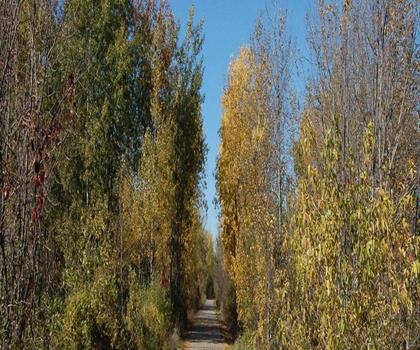
Victoria Rail Trail
Kawarthas Northumberland
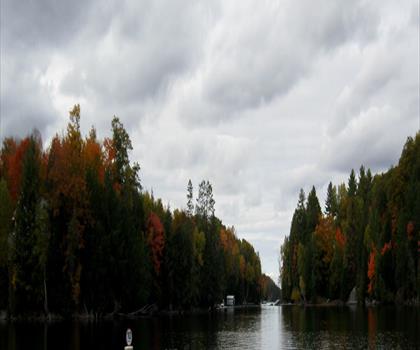
Chandos Lake
Kawarthas Northumberland
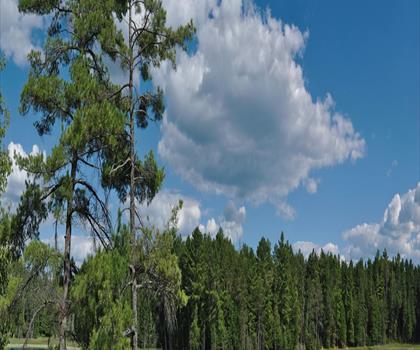
Petroglyphs Provincial Park
Kawarthas Northumberland
Presqu'ile Provincial Park
Kawarthas Northumberland
Ranney Gorge Suspension Bridge
Kawarthas Northumberland
Head Lake
Kawarthas Northumberland
Hiking near Toronto
168 trails to explore ~77 km away
We work hard to provide the most up-to-date and error-free data possible. If something seems incorrect, let us know! Your contribution helps the whole community.
Hikers' opinions
Be the first to review!
No hiker has shared their experience yet. Share your impressions and help other hikers!