
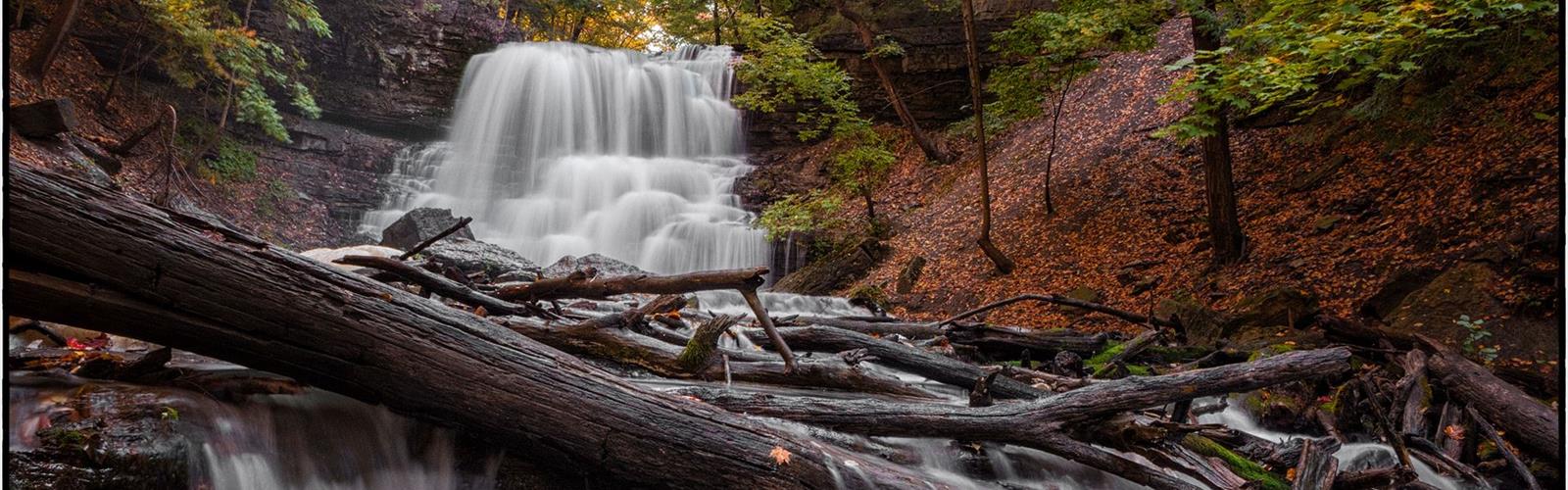

Ready to explore DeCew Falls? Here's everything you need to know before you go!
Discover the trail
Trail description
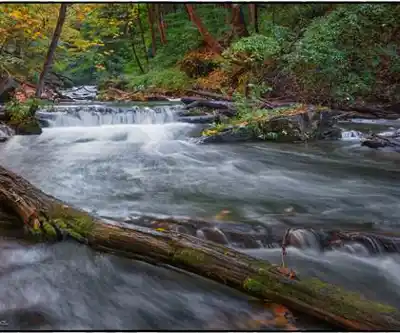
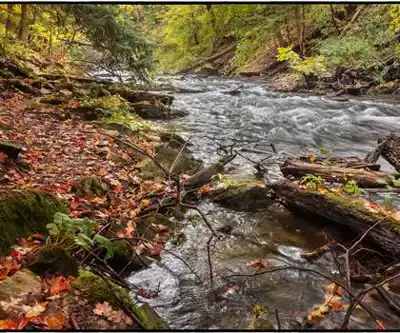
DeCew Falls is one of the most rewarding waterfall destinations in the Niagara region — compact enough for a quick outing, but rich enough to hold your attention for a full morning. Located near St. Catharines along the Niagara Escarpment, this 1.5 km trail packs in two distinct waterfalls, a working 19th-century mill, and some genuinely dramatic limestone scenery, all within about 30 minutes of hiking.
Two Falls, Two Personalities
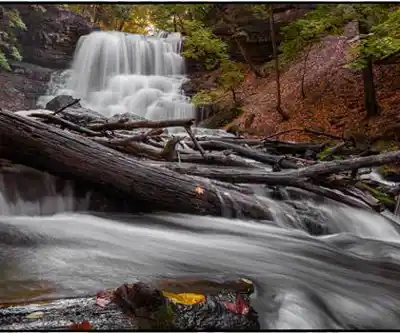
The main draw is Upper DeCew Falls, where water drops 22 meters over a sheer limestone cliff into a deep pool below. The escarpment wall here has been carved into a natural amphitheater shape, which does two things: it gives you great sightlines from multiple spots, and it amplifies the sound of the water in a way that feels surprisingly powerful for a trail this short. Spring runoff is when this fall really earns its reputation — the volume and noise are impressive.
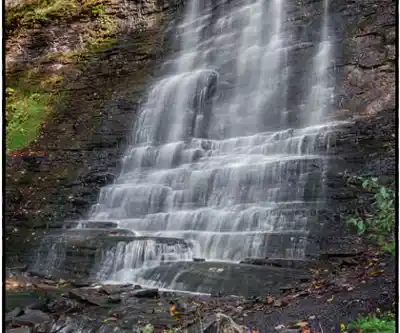
Downstream, Lower DeCew Falls is a completely different experience. At 7 meters, it's smaller, but it tumbles over a series of stepped rock ledges rather than dropping in a single plunge. The result is a more layered, photogenic cascade that photographs beautifully in soft light. Having both falls within the same short loop is what sets this location apart from many single-waterfall destinations in the region.
The Trail
Access runs along the Bruce Trail through mature deciduous forest — maple, oak, and beech dominate the canopy. The trail follows the escarpment edge, with occasional open views through the trees toward the surrounding countryside. The path itself is well-marked as part of the Bruce Trail system, but the terrain is more varied than the "easy" rating might suggest to first-timers.
The 70 meters of elevation change is concentrated in specific sections rather than spread evenly across the route. Much of the hike involves descending toward creek level to reach the falls, which means the climb back up to the escarpment rim comes at the end when legs are already tired. The descent to the base of the falls involves uneven limestone surfaces and exposed tree roots — manageable, but worth paying attention to. When wet, the limestone becomes genuinely slippery, and the rocks immediately around the waterfall pools are the most hazardous spots on the trail.
Morningstar Mill
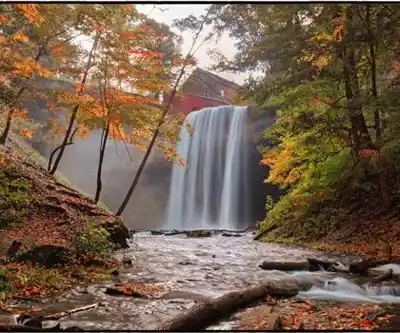
The Morningstar Mill is a legitimate highlight, not just a footnote. This 19th-century gristmill still operates using water power drawn from DeCew Creek — the same mechanism it used when it was first built. The wooden waterwheel and stone grinding equipment are in working condition, and visiting when the mill is running gives you a tangible sense of how early settlers in the Niagara region processed grain. It works well as either a starting point or a final stop on the loop, and the contrast between the engineered mill and the natural falls just upstream makes the whole area feel more layered than a typical waterfall hike.
Seasonal Conditions
Spring is peak season for the falls themselves. Snowmelt and seasonal rain push water levels to their highest, and the forest floor comes alive with wildflowers. Trail conditions can be muddy, and stream crossings may be more demanding, but the payoff at the falls is worth it.
Summer offers the most stable footing and comfortable temperatures for exploring, though water levels can drop noticeably during dry stretches, which affects the drama of the upper falls in particular.
Fall is arguably the most photogenic time to visit. The combination of hardwood foliage — maple and beech turn particularly well here — and flowing water creates strong conditions for photography. Footing is generally good as long as leaf litter hasn't accumulated on the wet limestone sections.
Winter hiking is possible, and the frozen upper falls form impressive ice formations worth seeing. That said, ice on the trail surfaces and around the falls requires real caution and proper footwear. This is not a casual winter stroll.
Practical Notes
Sturdy hiking boots with ankle support are the right call here regardless of season. The limestone bedrock is the main hazard — it looks solid but becomes extremely slick when wet or icy, and the areas closest to the water are where most slips happen. Stay back from the edge of the pools; they can have cold temperatures and unpredictable currents even when they look calm.
The trail is well-blazed as part of the Bruce Trail network, but a few side paths branch off toward different viewpoints and can cause brief confusion. Downloading an offline map before you go is a simple precaution that saves time on the ground.
The geological story here is visible in the rock faces themselves — the exposed limestone layers in the waterfall walls show the escarpment's formation clearly, and fossil hunters occasionally find marine specimens embedded in the rock, remnants of the shallow sea that once covered this part of Ontario.
Wildlife is present throughout: white-tailed deer are commonly spotted in the forested sections, various bird species use the creek corridor, and the pools below the falls support aquatic life worth watching if you take a few quiet minutes at the water's edge.
The Essential Hiking Checklist
Everything you need for your next hike. Bilingual, printable, 1 page.
Get your free hiking checklistRecommended gear for this trail
As an Amazon Associate I earn from qualifying purchases.


Ready to go?
Everything you need to know before you goStarting Point
The easiest way to get to the start of the trails at the decew falls is to drive to St. Catharines and take the QEW towards Niagara Falls. Take exit 38 for DeCew Road and turn left onto DeCew Road. The entrance to the park will be on your right.
When?
How much?
As an Amazon Associate I earn from qualifying purchases.
Affiliate links — LGPO may earn a commission at no extra cost to you.
- Hiking shoes Essential
- → Salomon Elixir Tour Mid WP · 203.38 $
- Layered clothing Essential
- Rain jacket Essential
- Trekking poles
- → Black Diamond Trail Ergo Cork · 69.99 $
- Headlamp
- → Petzl Actik Core 625 · 103.95 $
FAQ - Frequently asked questions
Everything you need to knowSimilar hikes nearby
Discover other trails you might enjoy
Niagara River Recreation Trail
Niagara Canada
Niagara Glen Nature Centre
Niagara Canada

Woodend Conservation Area
Niagara Canada
Lakeside Park Beach
Niagara Canada
Ball's Falls Conservation Area
Niagara Canada
Short Hills Provincial Park
Niagara Canada
Hiking near Niagara Falls
128 trails to explore ~16 km away
We work hard to provide the most up-to-date and error-free data possible. If something seems incorrect, let us know! Your contribution helps the whole community.
Hikers' opinions
Be the first to review!
No hiker has shared their experience yet. Share your impressions and help other hikers!