
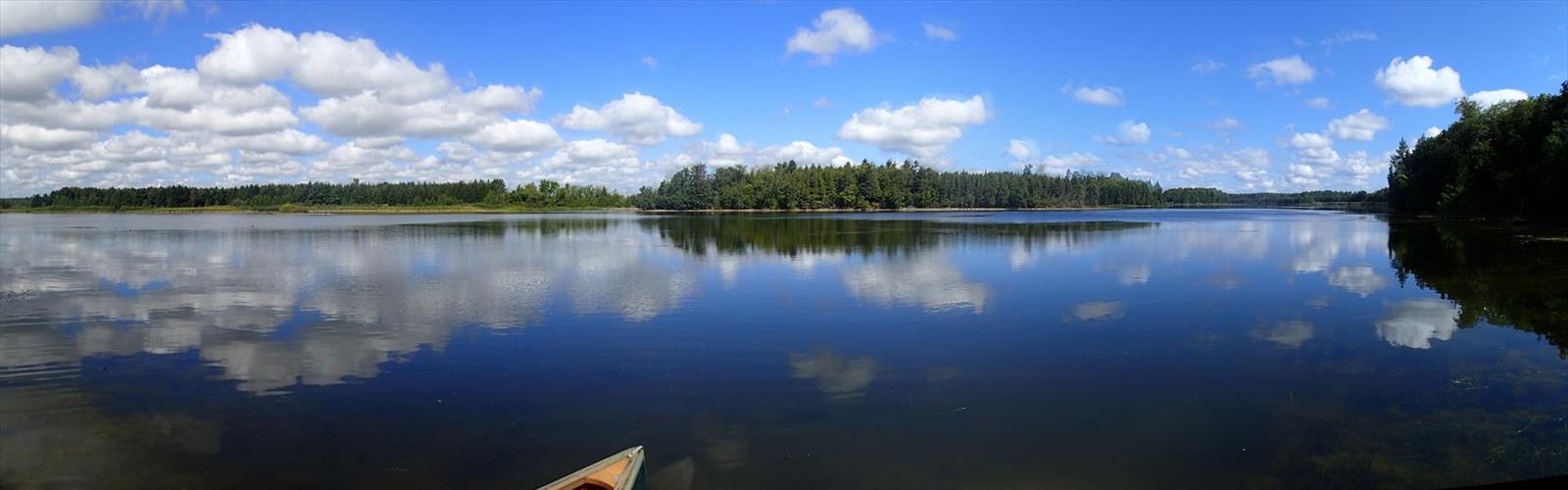

Ready to explore Island Lake Conservation Area? Here's everything you need to know before you go!
Discover the trail
Trail description
Island Lake Conservation Area is one of those places that earns its reputation the honest way — through good trails, open water views, and a natural setting that genuinely delivers on what you came for. Located in the York-Durham and Headwaters region of Ontario, this conservation area is a go-to destination for hikers, cyclists, and paddlers looking to get outside without driving half a day to do it.
The Setting
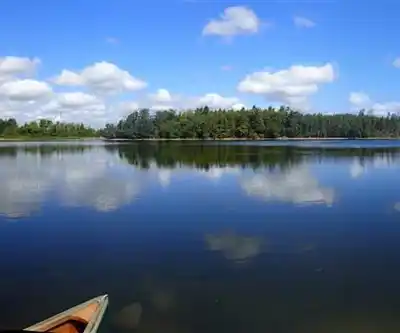
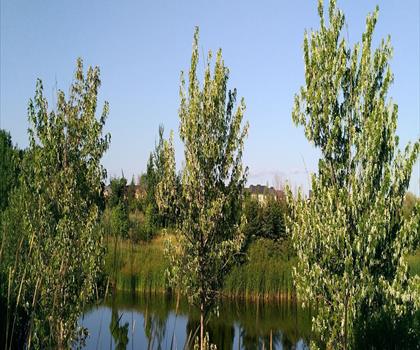
The centerpiece of the conservation area is Island Lake itself — a reservoir that gives the whole place its character. The lake sits at the heart of the property, and much of the trail network wraps around it, meaning you get consistent water views throughout your outing. The surrounding landscape is a mix of open meadows, mature forest, and wetland edges, which makes for a varied experience even on a single loop.
The terrain here is relatively gentle. You're not dealing with serious elevation changes, which makes Island Lake accessible to a wide range of visitors — families with kids, people returning to hiking after a break, or anyone who wants a solid walk without the punishment. That said, the trails are long enough and the scenery interesting enough that it doesn't feel like a casual stroll either.
The Trails
The trail system at Island Lake is well-maintained and clearly marked. The main loop follows the shoreline of the lake for much of its length, giving you that open, breezy feel you get when water is nearby. Sections pass through wooded corridors that provide shade in warmer months, then open back up to meadow stretches with big sky views.
The paths are wide and well-groomed in most sections, which also makes them popular with cyclists — this is a multi-use area, so expect to share the trail. The surface varies between packed gravel and natural ground depending on where you are on the loop, but nothing that requires technical footwear. A solid pair of trail runners or hiking shoes handles everything here comfortably.
Wildlife and Natural Features
The mix of habitats at Island Lake — open water, wetlands, meadow, and forest — creates good conditions for wildlife watching. Birding is a genuine draw here, particularly during migration seasons when the lake and surrounding wetlands attract waterfowl and shorebirds. Great blue herons are a common sight along the water's edge, and the meadow sections can be productive for spotting raptors and songbirds.
The wetland areas along parts of the trail are worth slowing down for. Frogs, turtles, and other wetland species are regularly spotted, and the plant diversity in these zones is noticeably different from the upland sections. It's the kind of place where paying attention pays off.
Paddling and Water Access
Island Lake isn't just a hiking destination — the lake itself is a significant draw for paddlers. Canoe and kayak rentals are available on-site, making it easy to get out on the water without hauling your own gear. The lake is calm and well-suited to recreational paddling, and combining a hike with time on the water is a natural way to spend a full day here.
Fishing is also permitted on the lake, adding another reason for families and outdoor enthusiasts to make a day of it rather than just passing through.
Facilities and Access
The conservation area has solid infrastructure for a day-use destination. There are washroom facilities, a parking area, and picnic spots available. The site is managed by the Credit Valley Conservation Authority, which keeps the trails and grounds in good shape year-round.
There is an entrance fee to access Island Lake Conservation Area — fees are set by Credit Valley Conservation and are worth checking directly on their site before you go, as they can vary by season and visitor type. The area is open year-round, and each season brings something different to the experience.
- Spring: Wildflowers emerge along the trail edges and migrating birds move through in numbers — one of the best times to visit for nature watching.
- Summer: Peak season for paddling and picnicking; trails are busy on weekends, so arriving early makes a difference.
- Fall: The mixed forest puts on a solid colour show, and the crowds thin out compared to summer.
- Winter: The trails are open for snowshoeing and cross-country skiing when conditions allow, giving the area a completely different feel.
Dogs and Bikes
Dogs are welcome at Island Lake Conservation Area but must be kept on leash at all times. Given the wildlife habitat and the number of families using the trails, this is a reasonable rule and one that's actively enforced. Make sure to bring bags and clean up after your dog — the area sees a lot of visitors and keeping it clean matters.
Cyclists are permitted on the main trail loop, which is one of the reasons the paths are kept wide and well-surfaced. If you're hiking, just be aware that bikes share the space, particularly on weekends. It's generally a smooth coexistence, but worth keeping in mind if you're hiking with young kids or dogs.
Getting There
Island Lake Conservation Area is located near Orangeville in the York-Durham and Headwaters region of Ontario. It's within reasonable driving distance from the Greater Toronto Area, which explains why it draws a steady crowd on weekends and holidays. Parking is available on-site and is included with the entrance fee. Arriving early on busy days is the best way to secure a good spot and get on the trail before it fills up.
There is no public transit access to the site, so a vehicle is the practical way to get here for most visitors.
What Makes It Worth the Trip
What sets Island Lake apart from other conservation areas in the region is the combination of a genuinely scenic lake, a well-developed trail network, and the option to add paddling or fishing to your day. It's not a wilderness experience — this is a managed, accessible conservation area — but it delivers real natural beauty and enough trail distance to feel like a proper outing rather than a quick walk around a park.
For anyone based in or around the Greater Toronto Area looking for a reliable, well-rounded outdoor destination that doesn't require a long drive, Island Lake Conservation Area consistently delivers.
The Essential Hiking Checklist
Everything you need for your next hike. Bilingual, printable, 1 page.
Get your free hiking checklistRecommended gear for this trail
As an Amazon Associate I earn from qualifying purchases.


Ready to go?
Everything you need to know before you goStarting Point
The island lake conservation area is located in Orangeville, Ontario. To get to the start of the trails, take Highway 10 north to Orangeville. Turn left onto Fifth Line and continue until you reach the conservation area entrance.
When?
How much?
As an Amazon Associate I earn from qualifying purchases.
Affiliate links — LGPO may earn a commission at no extra cost to you.
- Hiking shoes Essential
- → Salomon Elixir Tour Mid WP · 203.38 $
- Layered clothing Essential
- Rain jacket Essential
- Trekking poles
- → Black Diamond Trail Ergo Cork · 69.99 $
- Headlamp
- → Petzl Actik Core 625 · 103.95 $
FAQ - Frequently asked questions
Everything you need to knowSimilar hikes nearby
Discover other trails you might enjoy

North Maple Regional Park
York, Durham and Headwaters
Murphys Pinnacle, Ontario
York, Durham and Headwaters
Vicki Barron Lakeside Trail
York, Durham and Headwaters

Hockley Valley
York, Durham and Headwaters

Eldred King Woodlands
York, Durham and Headwaters
Wismer Park
York, Durham and Headwaters
Hiking near Guelph
166 trails to explore ~45 km away
We work hard to provide the most up-to-date and error-free data possible. If something seems incorrect, let us know! Your contribution helps the whole community.
Hikers' opinions
Be the first to review!
No hiker has shared their experience yet. Share your impressions and help other hikers!