
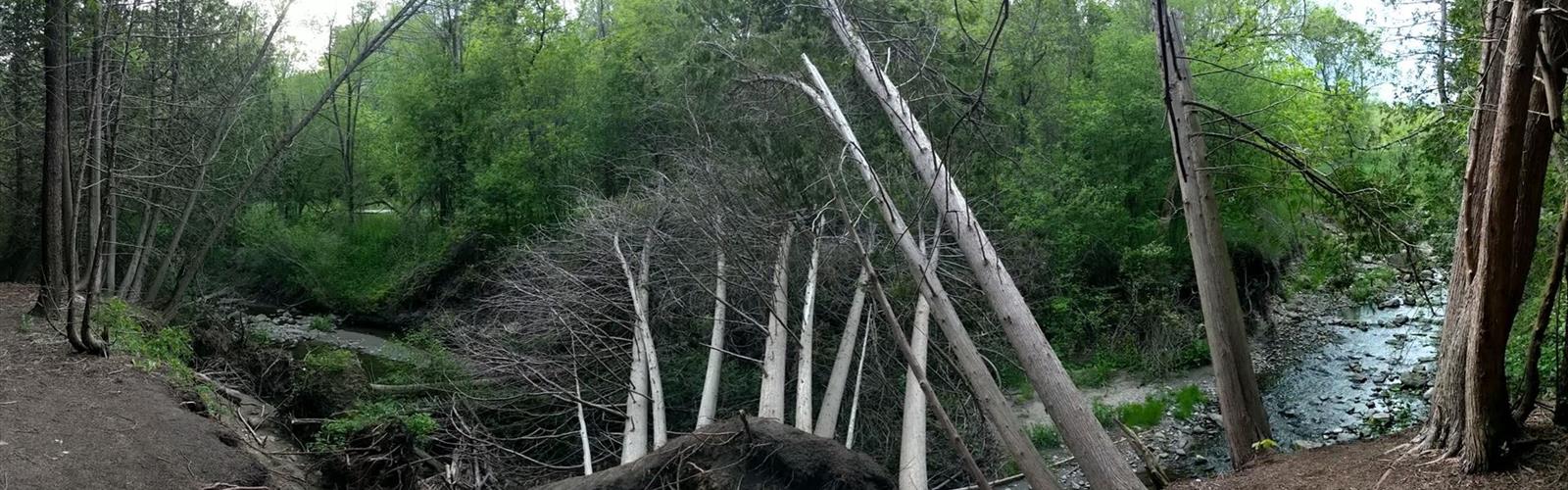

Ready to explore Rouge Valley Trail? Here's everything you need to know before you go!
Discover the trail
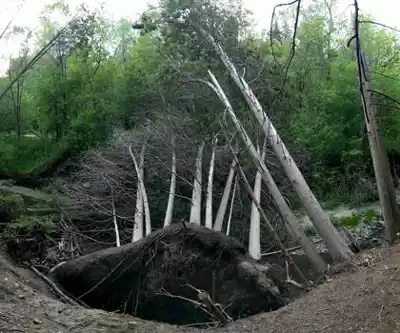
Trail description
The Rouge Valley Trail is a 3.2-kilometer moderate hike that cuts through one of the most accessible stretches of wilderness in Southern Ontario. Located within Rouge National Urban Park in the York, Durham and Headwaters region, this trail delivers a genuine outdoor experience without requiring a long drive out of the city. The combination of river valley terrain, mixed forest, and 300 meters of elevation change makes it a satisfying option for hikers looking for more than a flat walk in the park.
Most people complete the route in around 1.5 hours at a comfortable pace, though the varied terrain and natural features along the way make it easy to stretch that into a longer outing if you're not in a rush.
Terrain and Trail Experience
The trail works through several distinct environments as it follows the natural contours of the Rouge River valley. From the upper plateau, the path descends into the valley through a series of gradual switchbacks, giving you glimpses of the river through the tree canopy before you reach the valley floor. The descent is steady but manageable — nothing that will stop you in your tracks, but enough to get your legs working.
Once you reach the valley floor, the trail flattens out and follows the Rouge River through riparian woodland. This middle section is the most relaxed stretch of the hike, with the sound of moving water alongside you and natural rest spots where you can sit and take in the scenery. The footing here is generally solid, though low-lying areas near stream crossings can get muddy after rain or during spring melt. Wooden boardwalks cover the wettest sections, which helps considerably.
The return portion climbs back through rolling hills, with occasional open views across the valley — especially noticeable in fall and winter when the leaves are down. The trail surface throughout is mostly packed earth and natural materials, with some rocky patches near water crossings. Sturdy footwear with decent traction is the right call here, particularly outside of summer.
Wildlife and Natural Features
Rouge National Urban Park has put serious effort into habitat conservation, and it shows on this trail. The ecosystem transitions from upland hardwood forest — maple, oak, and hickory — down through riparian woodland and into wetland areas near the river. Each zone supports different species, which keeps the hike feeling varied from start to finish.
Deer are a regular sighting, particularly in the early morning or toward evening when they come out to graze in the meadow areas or drink from the river. Foxes are around year-round but tend to stay out of sight — you're more likely to catch a flash of red disappearing into the brush than a prolonged look. The wetland sections attract herons and kingfishers along the river, and the mature forest is good habitat for several woodpecker species.
Spring migration is worth planning around if birding is your thing. Warblers, vireos, and thrushes move through in good numbers, and the wetland areas host red-winged blackbirds through the summer. From the higher sections of the trail, you have a decent vantage point for spotting hawks riding thermals overhead.
Historical Layers
The trail doesn't just show you what the land looks like now — it gives you a sense of how it got here. Interpretive signs placed along the route walk through the history of the valley, from Indigenous use of the land through early European settlement and the agricultural era that followed. As you hike, you'll come across stone foundations and old cleared areas that are gradually being reclaimed by forest, visible reminders of the farming operations that once occupied this land.
Understanding that context makes the conservation work happening in the park feel more concrete. The forest you're walking through is actively recovering, and the interpretive signage does a good job of explaining what that process looks like and why it matters.
Seasonal Highlights
Spring is when the valley floor comes alive before the canopy closes in. Trilliums, bloodroot, and wild leeks cover the forest floor in the weeks before full leaf-out, and the river runs high with snowmelt. Some sections will be muddy, but the wildflower display makes it worth the extra care underfoot.
Summer brings full shade through most of the forested sections, which makes this trail a solid choice on hot days when exposed routes feel punishing. The trade-off is insects — the wetland areas can be buggy, so bringing repellent is a good idea from late spring through midsummer.
Fall is when this trail really earns its reputation. The mixed hardwood forest turns the valley into a full display of reds, oranges, and yellows, and the calmer stretches of the Rouge River reflect the color back at you. Cooler temperatures and minimal insect activity make autumn the most comfortable season for most hikers.
Winter keeps the trail accessible through most of the route, and the bare trees open up sightlines that are completely hidden the rest of the year. Ice formations along the river add an interesting visual element. That said, the elevation changes can get slippery in icy conditions, so microspikes or traction devices are worth throwing in your pack for cold-weather visits.
What to Bring
The 3.2-kilometer distance and 300 meters of elevation gain are enough to work up a real thirst, so bring at least one liter of water per person — more on warm days. Pack a snack or a light lunch, since there are good spots along the river to stop and eat. Hiking boots or trail shoes with solid grip will handle the terrain better than casual sneakers, especially in wet or winter conditions.
As part of Rouge National Urban Park, the trail falls under Leave No Trace guidelines — stay on marked paths to protect the ongoing restoration work, and pack out everything you bring in.
The Essential Hiking Checklist
Everything you need for your next hike. Bilingual, printable, 1 page.
Get your free hiking checklistRecommended gear for this trail
As an Amazon Associate I earn from qualifying purchases.


Ready to go?
Everything you need to know before you goStarting Point
The rouge valley trail is located in Ontario, Canada. To get to the start of the trails, take Highway 401 to the Rouge Hill exit and follow the signs to the park.
When?
How much?
As an Amazon Associate I earn from qualifying purchases.
Affiliate links — LGPO may earn a commission at no extra cost to you.
- Hiking shoes Essential
- → Salomon Elixir Tour Mid WP · 203.38 $
- Layered clothing Essential
- Rain jacket Essential
- Trekking poles
- → Black Diamond Trail Ergo Cork · 69.99 $
- Headlamp
- → Petzl Actik Core 625 · 103.95 $
FAQ - Frequently asked questions
Everything you need to knowSimilar hikes nearby
Discover other trails you might enjoy

North Maple Regional Park
York, Durham and Headwaters
Murphys Pinnacle, Ontario
York, Durham and Headwaters
Vicki Barron Lakeside Trail
York, Durham and Headwaters

Hockley Valley
York, Durham and Headwaters

Eldred King Woodlands
York, Durham and Headwaters

Lake Aquitaine
York, Durham and Headwaters
Hiking near Toronto
168 trails to explore ~26 km away
We work hard to provide the most up-to-date and error-free data possible. If something seems incorrect, let us know! Your contribution helps the whole community.
Hikers' opinions
Be the first to review!
No hiker has shared their experience yet. Share your impressions and help other hikers!