


Ready to explore Waterfront Trail? Here's everything you need to know before you go!
Discover the trail

Trail description
The Waterfront Trail through York, Durham, and Headwaters is one of Ontario's most accessible long-distance routes, stretching 159 kilometers through a genuinely varied mix of landscapes with almost no elevation gain — just 50 meters across the entire distance. It forms part of a much larger trail network that follows Lake Ontario's shoreline, but this regional section earns its own reputation for the way it packs so much variety into terrain that almost anyone can handle.
The near-flat profile is one of the trail's defining qualities. You're not here for a workout that tests your legs — you're here for the scenery, the fresh air, and the constant shift between environments that keeps the kilometers from feeling repetitive.
What the Terrain Actually Looks Like
The trail moves between two very different worlds depending on which section you're walking. Along the lakeshore, you'll find packed earth paths and boardwalks with open views across Lake Ontario. The surface is generally firm and easy to read underfoot, though sections close to the water can get soft after a good rain. These stretches feel wide and bright, with the lake doing most of the visual work.
Move inland and the character shifts completely. The trail threads through mature hardwood forest — maple, oak, and birch — where the canopy closes overhead and the lake disappears behind the trees. The footing here is natural dirt, sometimes rooted and uneven in spots, but nothing that requires technical footwear. Small bridges carry you over streams and wetland crossings, and these are worth slowing down for. The water is usually clear and the surrounding vegetation dense enough that it feels genuinely removed from the developed areas nearby.
The gentle rolling terrain between these two environments adds just enough visual interest to keep things engaging without ever demanding serious effort. This is a trail where you can hold a conversation, stop whenever something catches your eye, and cover real distance without feeling like you've pushed hard.
Wildlife and Natural Features
The combination of aquatic shoreline and inland forest creates habitat diversity that shows up clearly in the wildlife you'll encounter. Birdwatchers tend to get a lot out of this trail — the lakeshore sections attract great blue herons, cormorants, and various duck species, while the forested stretches bring in woodland birds including woodpeckers, warblers during spring migration, and red-winged blackbirds wherever the trail edges near marshy ground.
White-tailed deer are a regular presence in the forest clearings, most reliably in the early morning and around dusk. Chipmunks and squirrels are active throughout the day and easy to spot in the wooded sections. The wetland crossings are worth a patient pause — these transitional zones tend to concentrate wildlife activity in ways the open lakeshore and deep forest don't.
Access and Flexibility
One of the practical strengths of this trail is the number of access points spread across the region. You're not locked into a single trailhead or a fixed out-and-back route. This makes it easy to plan a short outing on a weekday afternoon or string together longer segments when you have more time. The 159-kilometer total distance is best approached as a series of day trips rather than a single push, and the infrastructure supports exactly that kind of flexible use.
Lakefront parks appear at intervals along the route and function as natural rest stops. Most have picnic tables and washroom facilities, and many include small beaches or rocky shoreline access where you can sit and watch the water without any particular agenda. These spots are well-maintained and genuinely useful for breaking up longer days on the trail.
The trail also passes through several communities along the way, which means cafes, local shops, and restaurants are within reach on many segments. This is a real advantage on a long trail — you don't always need to carry everything with you, and stopping in a small town adds a different kind of interest to the day. Some of these communities have heritage buildings and local markets that are worth a short detour.
Interpretive signage appears in certain sections and covers local ecology, geology, and the human history of the area. It's informative without being overwhelming, and it gives context to landscapes that might otherwise just read as pretty scenery.
Planning Your Visit
The trail is accessible year-round, and each season changes the experience in meaningful ways. Spring brings wildflowers and active bird migration but also muddy conditions on the natural-surface sections — waterproof footwear pays off during this window. Summer offers the longest days and the most stable conditions, though popular lakeshore segments can get busy on weekends. Fall is widely considered the strongest season for this trail: comfortable temperatures, reliable footing, and the hardwood forest sections turning through their full color range. Winter is quieter and the trail takes on a different character entirely, with snowshoeing possible in many areas when conditions allow.
Sturdy, comfortable footwear is the right call regardless of season. The terrain isn't technically demanding, but the surface variety — boardwalk, packed earth, natural dirt, rooted forest path — rewards shoes with decent grip and some ankle support. On longer segments between communities, carrying enough water and food matters more than it might seem, since the distances between services can add up quickly.
The trail sees a healthy mix of hikers, cyclists, and dog walkers, which keeps the atmosphere social without feeling crowded on most days. Following leave-no-trace principles and giving other users space on the path keeps the experience good for everyone sharing it.
The Essential Hiking Checklist
Everything you need for your next hike. Bilingual, printable, 1 page.
Get your free hiking checklistRecommended gear for this trail
As an Amazon Associate I earn from qualifying purchases.


Ready to go?
Everything you need to know before you goStarting Point
The waterfront trail in York, Durham, and Headwaters has several trailheads you can access. Here are some options:
Pickering Trailhead: You can start at the Pickering Waterfront Park. The parking lot is located at 1295 Wharf St, Pickering, ON L1W 1A2.
Ajax Trailhead: Another starting point is Rotary Park in Ajax. The address for the parking area is 177 Lake Driveway W, Ajax, ON L1S 7J1.
Whitby Trailhead: In Whitby, you can begin your hike from Kiwanis Heydenshore Park. The parking lot is situated at 589 Water St, Whitby, ON L1N 9V9.
Oshawa Trailhead: For Oshawa, Lakeview Park offers a convenient starting location. The parking area can be found at 55 Lakeview Park Ave, Oshawa, ON L1J 7Z2.
These trailheads provide easy access to the scenic routes along the waterfront.
When?
How much?
As an Amazon Associate I earn from qualifying purchases.
Affiliate links — LGPO may earn a commission at no extra cost to you.
- Hiking shoes Essential
- → Salomon Elixir Tour Mid WP · 203.38 $
- Layered clothing Essential
- Rain jacket Essential
- Trekking poles
- → Black Diamond Trail Ergo Cork · 69.99 $
- Headlamp
- → Petzl Actik Core 625 · 103.95 $
FAQ - Frequently asked questions
Everything you need to knowSimilar hikes nearby
Discover other trails you might enjoy

North Maple Regional Park
York, Durham and Headwaters
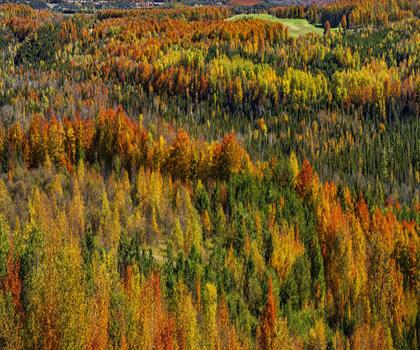
Murphys Pinnacle, Ontario
York, Durham and Headwaters
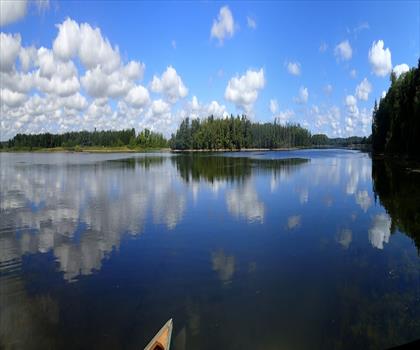
Vicki Barron Lakeside Trail
York, Durham and Headwaters

Hockley Valley
York, Durham and Headwaters

Eldred King Woodlands
York, Durham and Headwaters
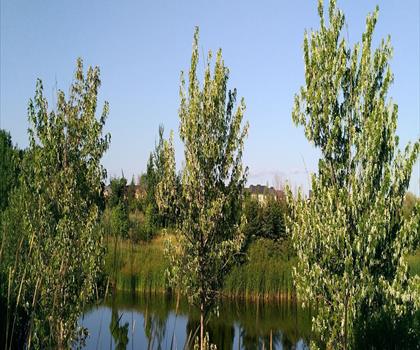
Wismer Park
York, Durham and Headwaters
Hiking near Toronto
168 trails to explore ~35 km away
We work hard to provide the most up-to-date and error-free data possible. If something seems incorrect, let us know! Your contribution helps the whole community.
Hikers' opinions
Be the first to review!
No hiker has shared their experience yet. Share your impressions and help other hikers!