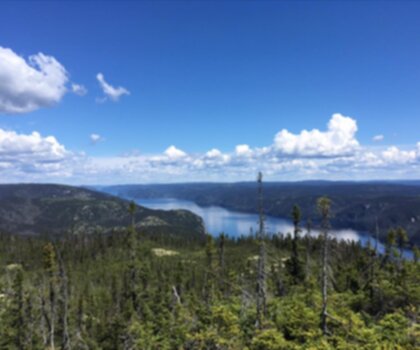
Manicouagan offers some of Quebec's most spectacular hiking experiences, featuring trails that showcase the region's unique geological features and pristine wilderness. The area is renowned for its diverse landscapes, from boreal forests to dramatic rock formations created by the ancient Manicouagan crater. Popular trails provide access to stunning viewpoints and opportunities to explore this UNESCO World Heritage region.
The best hiking season in Manicouagan runs from June through September when temperatures are mild and trails are most accessible. Summer months offer the warmest weather and longest daylight hours, while early fall provides beautiful foliage colors. Winter hiking is possible but requires proper equipment due to harsh subarctic conditions.
Yes, Manicouagan offers hiking options suitable for beginners alongside more challenging routes. The region features a variety of trail difficulties, allowing new hikers to start with easier paths and gradually progress to more demanding terrain. Many trails provide well-marked routes with moderate elevation gains perfect for building hiking experience.
Absolutely, Manicouagan is excellent for snowshoeing during the winter months from December through March. The region's extensive trail network transforms into winter wonderland routes perfect for snowshoeing adventures. The snowy landscape offers a completely different perspective of the area's natural beauty and geological features.
Manicouagan offers diverse outdoor activities including hiking, snowshoeing, wildlife viewing, and photography. The region is perfect for exploring the unique Manicouagan crater landscape, fishing in pristine lakes, and observing northern wildlife. Winter activities expand to include cross-country skiing and ice fishing in suitable areas.
Yes, Manicouagan has family-friendly hiking options suitable for children of various ages. Several trails offer shorter distances and gentler terrain that work well for families, combined with interesting geological features that can engage young hikers. The region's unique landscape provides educational opportunities about Quebec's natural history.