

Ready to explore Narrow Hills Provincial Park? Here's everything you need to know before you go!
Discover the trail
Trail description
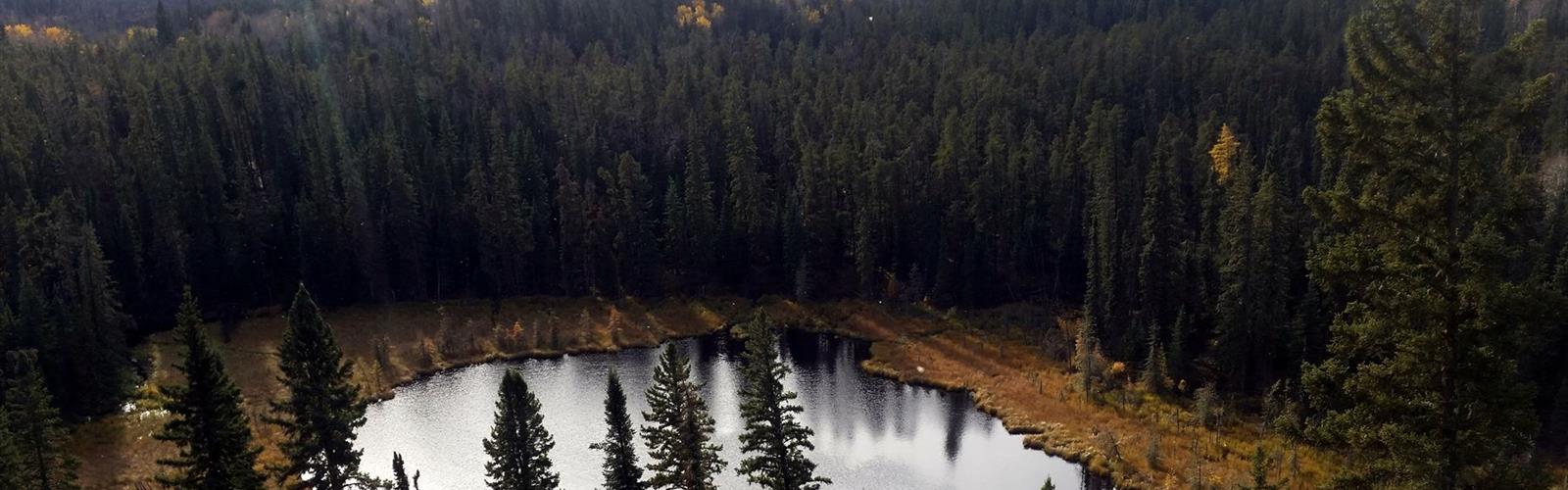
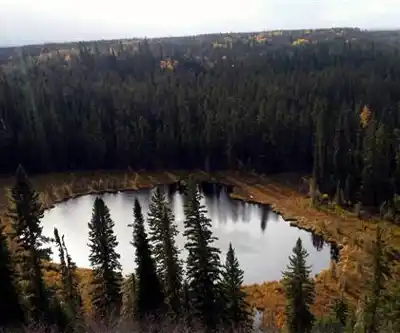
Narrow Hills Provincial Park sits in northern Saskatchewan, offering some of the province's most distinctive hiking terrain within a protected boreal landscape. What sets this park apart from much of Saskatchewan is its topography — instead of open prairie, you get rolling hills, dense mixed forest, and a chain of clear lakes that make the terrain feel genuinely varied from one stretch of trail to the next.
Trail Network and Hiking Options
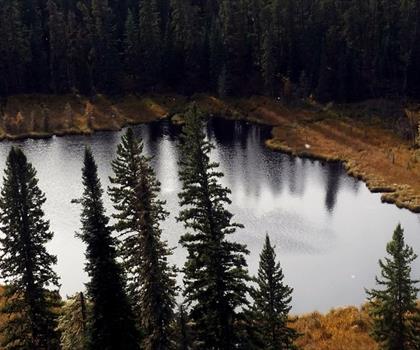
The park's trail system is well-maintained and accessible to hikers across experience levels. The Gem Lakes Trail is the park's signature route — a 5-kilometer loop that circles several interconnected lakes known for their remarkably clear water. The lakes shift color throughout the day depending on light and angle: deep blue in morning shade, closer to turquoise when the afternoon sun hits directly. The terrain here stays mostly level with occasional gentle rises that give you elevated views over the water without demanding much effort.
For something more substantial, the Boreal Trail pushes into the park's backcountry through dense stands of white spruce, balsam fir, and trembling aspen. The route follows ridgelines that give you a real sense of the park's rolling hill country, alternating between tight forest sections and small clearings where wildflowers open up the canopy in summer. These clearings make natural rest stops with views across the surrounding landscape.
Terrain and What to Expect Underfoot
The park sits on Saskatchewan's boreal shield, where ancient rock formations create the rolling hills that give the park its name. The landscape is a mix of rocky outcrops, marshy edges around lake shorelines, and well-drained forest floors covered in moss and leaf litter. The elevation changes — modest but consistent — create enough variation in microclimate that you'll notice different plant communities as you move through the park: moisture-loving species near the water, more drought-tolerant growth on exposed ridges.
The numerous lakes throughout the park formed in glacial depressions, which explains their depth and clarity. From elevated sections of trail, you can often see straight down through the water column — a detail that makes the lake viewpoints genuinely worth pausing at rather than just passing through.
Wildlife Along the Trails
The habitat diversity here translates directly into wildlife encounters. White-tailed deer show up regularly in clearings, especially during early morning and evening. Moose are common around the marshy lake edges, where they feed on aquatic vegetation — worth keeping an eye out for during any trail section that skirts the water. Black bears move through the park throughout the season, with activity picking up during berry season in late summer.
Birdwatching is strong here for boreal forest species. Woodpeckers are active throughout the forest, gray jays tend to follow hikers with some persistence, and broad-winged hawks work the thermals above the ridgelines. On the lakes, common loons are a reliable presence in summer — their calls carry across the water in the evening in a way that's hard to forget.
Fishing and Water Activities
The park's lakes hold solid populations of northern pike and walleye. Pike reach good sizes in the clear, food-rich water, and walleye fishing is productive in the deeper lakes from both shore and boat. The water clarity means you can often spot fish activity from elevated trail sections above the shoreline.
Canoeing is a natural complement to hiking here. Several lakes connect via short portages, giving paddlers a way to explore the park's water features from a different angle. The calm water suits beginners, while the scenic shorelines offer plenty to look at regardless of experience level.
Camping and Multi-Day Visits
The park's campground lets you stretch a visit across multiple days, which is worth doing if you want to cover the trail system properly. Basic tent sites sit among the trees with enough natural separation to feel private. Full-service RV sites are available for larger groups or families who want more amenities without giving up access to the trails.
Staying overnight changes the experience noticeably. Loon calls across the lakes after dark, the sounds of nocturnal wildlife moving through the underbrush, and the ability to be on trail at first light — when wildlife activity peaks — all make a multi-day stay worthwhile if your schedule allows.
Seasonal Conditions
Summer brings warm temperatures and lush forest growth, with wildflower displays peaking through July and August. The dense canopy keeps trail temperatures manageable even on hot days. Insect pressure is real during summer months — mosquitoes and blackflies are part of the boreal experience — so long sleeves, a head net, and repellent are practical gear rather than optional extras.
Fall is one of the better times to visit. Insect activity drops off, temperatures are comfortable for hiking, and the deciduous trees put on a strong color show — yellows and reds against the evergreen backdrop. Spring offers good conditions for birdwatching during migration and for catching wildflowers as they emerge, though some trail sections can be muddy through snowmelt.
Winter opens up the trail system for cross-country skiing and snowshoeing. Snow-covered evergreens and frozen lakes shift the visual character of the park entirely, and animal tracking in fresh snow adds a different kind of engagement with the landscape.
Access and Practical Notes
The park is accessible year-round, though winter road conditions vary with snowfall. Trail junctions are clearly signed, making independent navigation straightforward. Some sections can get muddy after heavy rain or during spring melt, so waterproof footwear is a reasonable call for shoulder-season visits.
The park's position in northern Saskatchewan means you're genuinely in boreal wilderness — not a manicured day-use area — while still having enough infrastructure to make it accessible for hikers who aren't looking for a fully self-sufficient backcountry experience.
The Essential Hiking Checklist
Everything you need for your next hike. Bilingual, printable, 1 page.
Get your free hiking checklistRecommended gear for this trail
As an Amazon Associate I earn from qualifying purchases.


Ready to go?
Everything you need to know before you goStarting Point
The narrow hills provincial park is located in Saskatchewan, Canada. To get to the start of the trails, take Highway 905 north from Saskatoon and turn left onto Highway 312. The park is located approximately 60 km west of Saskatoon.
When?
How much?
As an Amazon Associate I earn from qualifying purchases.
Affiliate links — LGPO may earn a commission at no extra cost to you.
- Hiking shoes Essential
- → Salomon Elixir Tour Mid WP · 203.38 $
- Layered clothing Essential
- Rain jacket Essential
- Trekking poles
- → Black Diamond Trail Ergo Cork · 69.99 $
- Headlamp
- → Petzl Actik Core 625 · 103.95 $
FAQ - Frequently asked questions
Everything you need to knowSimilar hikes nearby
Discover other trails you might enjoy

Prince Albert National Park
Unlimited Lakes & Parkland
Gem Lakes
Unlimited Lakes & Parkland

Makwa Lake
Unlimited Lakes & Parkland
Brightsand Lake
Unlimited Lakes & Parkland
Little Red River Park
Unlimited Lakes & Parkland

Delaronde Lake
Unlimited Lakes & Parkland
Hiking near Saskatoon
4 trails to explore ~254 km away
We work hard to provide the most up-to-date and error-free data possible. If something seems incorrect, let us know! Your contribution helps the whole community.
Hikers' opinions
Be the first to review!
No hiker has shared their experience yet. Share your impressions and help other hikers!