


Ready to explore Prince Albert National Park? Here's everything you need to know before you go!
Discover the trail

Trail description
Prince Albert National Park sprawls across 3,874 square kilometers of Saskatchewan's boreal wilderness, offering some of the province's most diverse hiking terrain. Located roughly three hours north of Saskatoon, this park protects a transition zone where prairie grasslands meet northern forests, creating unique ecosystems that support an impressive variety of wildlife and plant communities.
The park's landscape tells the story of ancient glacial activity through its rolling hills, deep valleys, and countless lakes. Dense stands of white spruce, jack pine, and trembling aspen dominate the forest canopy, while wetlands and bogs create pockets of specialized habitat throughout the region. This diversity translates into hiking experiences that range from boardwalk strolls through carnivorous plant communities to challenging backcountry routes leading to historic sites.
Trail Network and Hiking Options
Over 150 kilometers of maintained trails wind through Prince Albert National Park, providing access to virtually every type of terrain the boreal forest has to offer. The trail system accommodates everyone from families with young children to experienced backpackers seeking multi-day adventures.
The Boundary Bog Trail serves as an excellent introduction to the park's unique wetland ecosystems. This 2-kilometer loop follows a well-constructed boardwalk through a fascinating bog environment where pitcher plants and sundews trap insects in the nutrient-poor soil. The trail remains accessible throughout the hiking season and offers interpretive signs explaining the specialized adaptations of bog plants. Wildflowers peak in mid-summer, creating colorful displays against the dark water and sphagnum moss.
For hikers seeking a more substantial challenge, the Grey Owl Trail provides a 20-kilometer round-trip journey to one of Canada's most famous conservation sites. This trail follows the shoreline of Kingsmere Lake for much of its length, offering consistent water views and excellent wildlife viewing opportunities. The route passes through mixed forest and open meadows before reaching the restored cabin where Archibald Belaney, known as Grey Owl, lived and wrote about wilderness conservation in the 1930s. Beavers remain active in the area, and their lodges and dams are visible from various points along the trail. The trail requires a full day and moderate fitness level, but the historical significance and pristine lake scenery make it one of the park's most rewarding hikes.
The Narrows Peninsula Trail strikes a perfect balance between accessibility and scenic payoff. This 3-kilometer loop extends into Waskesiu Lake on a narrow peninsula, providing water views from multiple angles. The trail surface consists of well-packed earth with some rocky sections, making it suitable for most fitness levels. Several viewpoints along the route offer ideal spots for photography, particularly during early morning or late afternoon when wildlife activity peaks around the lake edges.
Wildlife and Natural Features
Prince Albert National Park supports one of Saskatchewan's most diverse wildlife populations, and hikers regularly encounter animals ranging from small songbirds to large mammals. Elk herds move through the forest year-round, often visible in meadows and along lake shores during early morning and evening hours. White-tailed deer appear frequently on most trails, while black bears inhabit the deeper forest areas. Though less commonly seen, timber wolves travel throughout the park, and their howls often echo across the lakes at dawn and dusk.
The park's extensive lake system attracts numerous bird species, making it a premier destination for wildlife photography. Bald eagles nest in tall pines around major lakes, while great blue herons stalk fish in shallow bays. Common loons provide the classic soundtrack of northern lakes, their calls carrying across the water throughout summer evenings. Smaller birds include various warbler species, woodpeckers, and raptors that hunt in the forest openings.
Aquatic wildlife thrives in the park's clean, cold lakes. Beavers maintain active colonies on many waterways, creating the engineering marvels that Grey Owl wrote about extensively. Their activities continue to shape the landscape, creating wetland habitat that supports moose, waterfowl, and countless smaller species.
Beyond the Trails
While hiking forms the core activity for many visitors, Prince Albert National Park's water resources provide additional outdoor recreation opportunities that complement trail exploration. The park's lakes offer excellent canoeing conditions, with established routes connecting multiple bodies of water for extended paddling trips. Anglers target northern pike, walleye, and lake trout in the deeper lakes, while smaller ponds hold populations of perch and other panfish.
The park maintains several campgrounds that serve as base camps for hiking adventures. Waskesiu townsite provides full services including restaurants, shops, and accommodation options, while backcountry camping allows for multi-day hiking experiences in more remote areas. The combination of day hiking from established campgrounds and wilderness camping creates flexibility for visitors planning trips of varying lengths.
Access and Planning Information
Prince Albert National Park sits approximately 200 kilometers north of Saskatoon via Highway 2 and Highway 264, making it accessible as either a day trip or extended stay destination. The main park entrance leads directly to Waskesiu townsite, where visitors can obtain trail maps, current conditions, and permits for backcountry activities.
The hiking season typically runs from May through October, with peak conditions occurring during July and August when all trails remain snow-free and wildlife activity reaches its highest levels. Spring hiking offers excellent bird migration viewing, while fall brings spectacular foliage colors and active wildlife preparing for winter. Bug activity peaks during June and July, making insect repellent essential for comfortable hiking during these months.
Most day hikes require only standard hiking gear, though the Grey Owl Trail and other longer routes benefit from proper preparation including adequate water, food, and navigation tools. Weather can change quickly in the boreal forest, making layered clothing and rain protection advisable regardless of season.
The Essential Hiking Checklist
Everything you need for your next hike. Bilingual, printable, 1 page.
Get your free hiking checklistRecommended gear for this trail
As an Amazon Associate I earn from qualifying purchases.


Ready to go?
Everything you need to know before you goStarting Point
The prince albert national park is located in Saskatchewan, Canada. The best way to get to the start of the trails is to drive to the park and then take the park shuttle to the trailhead.
When?
How much?
As an Amazon Associate I earn from qualifying purchases.
Affiliate links — LGPO may earn a commission at no extra cost to you.
- Hiking shoes Essential
- → Salomon Elixir Tour Mid WP · 203.38 $
- Layered clothing Essential
- Rain jacket Essential
- Trekking poles
- → Black Diamond Trail Ergo Cork · 69.99 $
- Headlamp
- → Petzl Actik Core 625 · 103.95 $
FAQ - Frequently asked questions
Everything you need to knowSimilar hikes nearby
Discover other trails you might enjoy
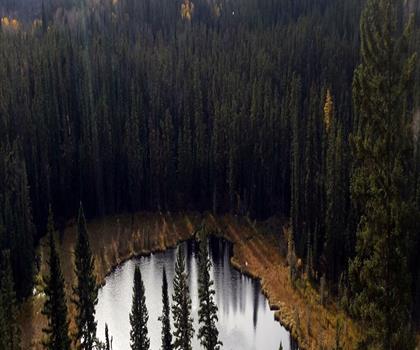
Narrow Hills Provincial Park
Unlimited Lakes & Parkland
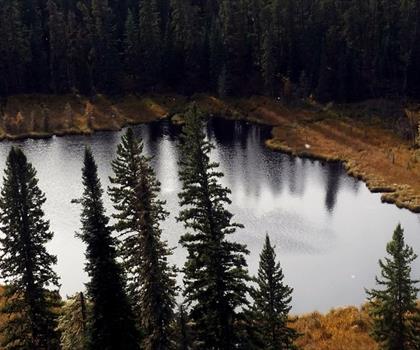
Gem Lakes
Unlimited Lakes & Parkland

Makwa Lake
Unlimited Lakes & Parkland
Brightsand Lake
Unlimited Lakes & Parkland
Little Red River Park
Unlimited Lakes & Parkland

Delaronde Lake
Unlimited Lakes & Parkland
Hiking near Saskatoon
4 trails to explore ~200 km away
We work hard to provide the most up-to-date and error-free data possible. If something seems incorrect, let us know! Your contribution helps the whole community.
Hikers' opinions
Be the first to review!
No hiker has shared their experience yet. Share your impressions and help other hikers!