


Ready to explore Grotte De Mueron? Here's everything you need to know before you go!
Discover the trail
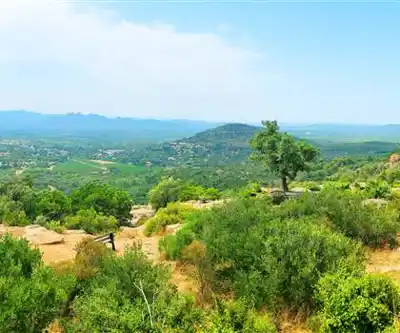
Trail description
The Grotte de Mueron trail is one of those hikes that gives you two experiences in one: a solid mountain walk through classic Alpes-Maritimes terrain, followed by the genuine reward of stepping into a cave system carved out of the limestone over thousands of years. At 5.6 kilometers with 300 meters of elevation gain, it sits comfortably in the moderate category — challenging enough to feel like a real hike, manageable enough that you don't need to be a seasoned mountaineer to enjoy it.
Plan on about two and a half hours for the full outing. That's a reasonable estimate if you're moving at a steady pace and taking time to actually explore the cave rather than just peeking at the entrance.
Getting Into It: The Ascent
The trail opens through classic Provençal scrubland, where thyme, rosemary, and lavender grow right up to the path edges. In warmer months, the scent alone makes the first stretch worthwhile. The vegetation shifts as you climb — oak and pine take over from the lower garrigue, offering real shade during summer outings, before the tree cover thins out and the limestone starts asserting itself in the landscape.
The gradient is consistent rather than brutal. The 300-meter climb is distributed across the full distance, so you're not grinding up a single steep wall — it's more of a sustained, rhythmic ascent that lets you settle into a pace. That said, the terrain underfoot changes character as you gain elevation. The lower sections are mostly packed dirt with occasional rocky patches. Higher up, loose limestone scree becomes more common, and that's where proper footwear starts to matter.
The Limestone Landscape
One of the things that makes this hike visually interesting is how dramatically the terrain shifts in the final approach to the cave. The landscape here has been shaped by water working through soluble rock over millennia — you're walking through a karst environment where erosion has created natural sculptures, undercut walls, and hidden alcoves. The rock itself tells a story: this entire region was once submerged under an ancient sea, and fossil remnants are occasionally visible to anyone paying attention to the stone beneath their feet.
Rocky outcroppings along the upper sections make natural rest stops, and the views from these spots are genuinely good — wide angles across the surrounding valleys and ridgelines, with the contrast of white limestone, dark green vegetation, and open sky that defines this corner of Provence.
One practical note on water: the limestone terrain drains fast, which means reliable water sources along the trail are scarce. Bring more than you think you'll need. The upside of that same geology is that the trail dries out quickly after rain, staying accessible in conditions that would leave other paths muddy and slippery.
The Cave
The Grotte de Mueron is the reason you're here, and it delivers. The entrance opens from the hillside with some drama — a cool, dark gap in the rock face that's a genuine contrast to the sun-baked terrain you've been walking through. Natural light reaches into the first chamber, which makes for striking photography and gives you a real sense of the space before you go deeper.
Inside, the formations are the product of mineral-rich water seeping through limestone over thousands of years — stalactites hanging from the ceiling, stalagmites building up from the floor, and the kind of quiet that you don't get anywhere on the surface. The acoustics are worth noticing: sound carries in unexpected ways through the stone chambers, and even a low voice travels clearly.
This isn't a show cave with guided tours and electric lighting. Bring a headlamp — not a phone flashlight, an actual headlamp — and carry spare batteries. The cave maintains cool temperatures regardless of what's happening outside, so pack a light layer even if it's warm when you set out.
Wildlife and Plants
The variety of habitats on this trail — low scrubland, mixed forest, open limestone, cave entrance — means you're moving through several distinct ecological zones in a short distance. Raptors are a regular sight, riding thermals off the sun-warmed cliff faces. The forest sections shelter smaller woodland species, and the open limestone areas near the cave support specialized plant communities that have adapted to alkaline, mineral-rich soil.
Spring is particularly good for wildflowers. The combination of winter moisture and warming temperatures pushes out impressive displays, including several orchid species that thrive in the limestone substrate. If botanical interest is part of why you hike, this trail in April or May is worth the trip specifically for that.
What to Know Before You Go
- Footwear: Sturdy hiking boots with ankle support are the right call here. Trail runners can work on the lower sections, but the loose scree near the cave makes solid ankle support genuinely useful.
- Lighting: A headlamp with fresh batteries is non-negotiable for exploring beyond the cave entrance. Bring a backup light source.
- Layers: The cave stays cool year-round. A light jacket or fleece in your pack is worth the minimal extra weight.
- Water: Carry enough for the full outing. Water sources along the trail are unreliable, especially in drier periods.
- Timing: Spring and fall offer the most comfortable conditions. Summer hiking is doable but an early start is strongly recommended to avoid midday heat. Winter can bring ice in shaded sections and around the cave entrance.
- Parking: Available at the trailhead and accessible to standard passenger vehicles, though spots fill up on weekends and during peak season.
The Grotte de Mueron hike works well for hikers who want more than just a walk with a view — the cave adds a dimension that most trails in the region simply don't offer, and the limestone landscape on the approach is interesting enough that the destination doesn't feel like the only point of the exercise.
Recommended gear for this trail


Ready to go?
Everything you need to know before you goWhen?
How much?
- Hiking shoes Essential
- → Salomon Elixir Tour Mid WP · 203.38 $
- Layered clothing Essential
- Rain jacket Essential
- Trekking poles
- → Black Diamond Trail Ergo Cork · 69.99 $
- Headlamp
- → Petzl Actik Core 625 · 103.95 $
FAQ - Frequently asked questions
Everything you need to know
25 hikes under 2 hours from Montreal
Distance, elevation, parking and season for each one. The ones we go back to ourselves.
Get the guideSimilar hikes nearby
Discover other trails you might enjoy
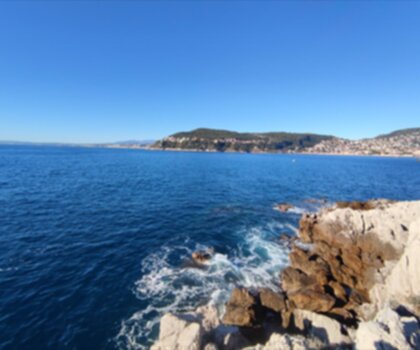
Sentier du Littoral
Alpes-Maritimes
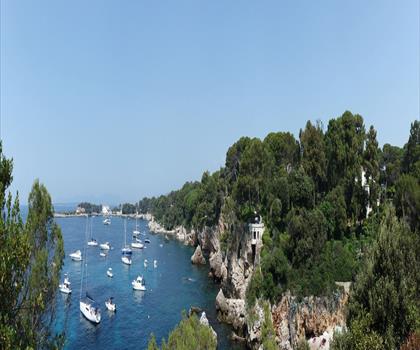
Le Sentier du Littoral
Alpes-Maritimes
Parc national du Mercantour
Alpes-Maritimes

Parc naturel régional des Préalpes d'Azur
Alpes-Maritimes
Cascade De Clars
Alpes-Maritimes
Gorges de la Siagne
Alpes-Maritimes
Hiking near Sydney
22 trails to explore ~5134 km away
We work hard to provide the most up-to-date and error-free data possible. If something seems incorrect, let us know! Your contribution helps the whole community.
Hikers' opinions
Be the first to review!
No hiker has shared their experience yet. Share your impressions and help other hikers!