
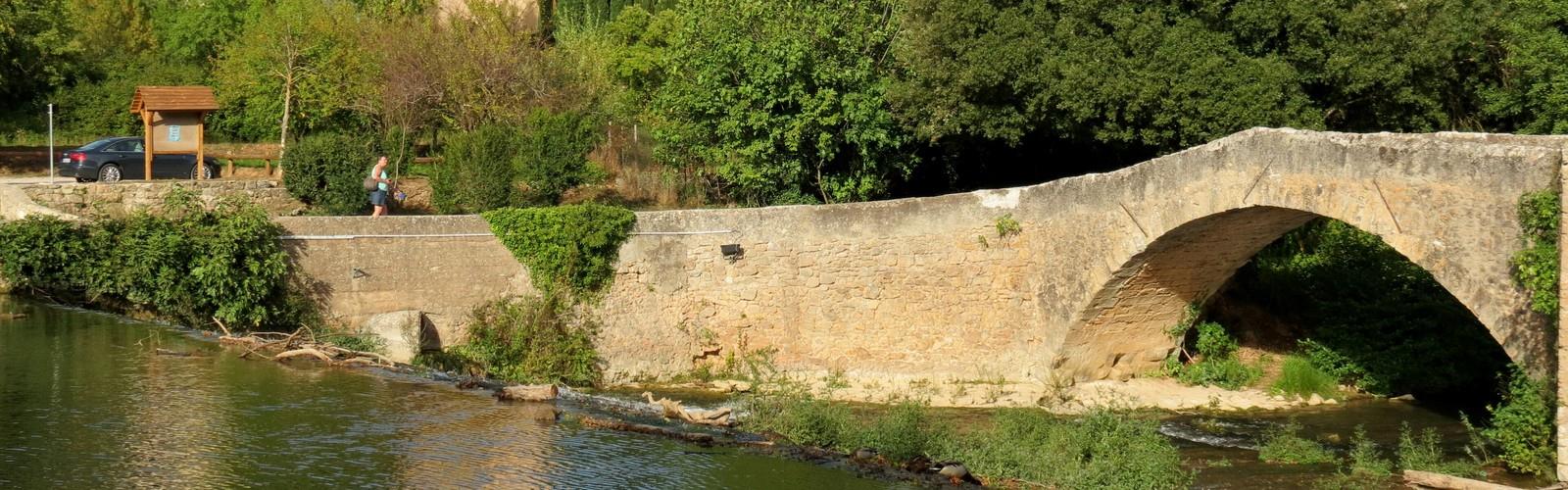
Ready to explore Gorges du Caramy? Here's everything you need to know before you go!
Discover the trail
Oh no! We don't have any photos 😢
This trail hasn't been captured yet. Be the first to share your adventure!Trail description
The Gorges du Caramy cuts through the limestone heart of the Var department in southeastern France, carving out one of Provence's most compelling canyon environments. Over millennia, the Caramy River has worked its way through pale sedimentary rock, leaving behind sculpted pools, narrow chutes, and cliff walls that rise sharply on both sides of the waterway. It's the kind of place that earns its reputation not through sheer scale, but through the density of what it packs into a 6-kilometer route.
What makes the Gorges du Caramy stand out among canyon hikes in the region is its intimate character. The gorge walls form a natural corridor that shifts constantly — tight enough in places that you're aware of the rock on both sides, then opening suddenly into wider chambers where light drops in from above and the canyon breathes. That rhythm of compression and release keeps the hike engaging from start to finish.
Trail Experience and Terrain
The route follows the canyon floor along pathways that have been used for generations, occasionally climbing onto rocky ledges when the gorge floor becomes impassable. That variation in elevation — 300 meters of gain spread across the trail — means you're never grinding up a single sustained climb. Instead, the ascent comes in bursts: a steeper pull up to a rim viewpoint, then a descent back toward the water, then a gentle stretch along the riverbank.
The terrain underfoot changes constantly, which is part of what makes this hike feel more demanding than its moderate rating might suggest. You'll cover smooth limestone slabs polished by centuries of water flow, then pick your way across boulder fields where rocks have tumbled from the walls above. Some sections require genuine scrambling — hands on rock, careful foot placement — while others are straightforward walking on solid ground. Expect to slow down and pay attention, especially near water crossings.
The estimated time of 2 hours 30 minutes is realistic for a steady pace, but hikers who stop to explore the pools or photograph the canyon walls should budget extra time. The trail rewards those who aren't in a hurry.
The Rock and the River
The geological story of the Gorges du Caramy is visible in every surface you touch. The limestone formations here are ideal for dramatic erosional features: deep potholes ground out by stones caught in hydraulic eddies, smooth chutes where the river accelerates through narrow passages, and circular pools that have been hollowed out over thousands of years. The canyon walls themselves show distinct sedimentary layers — a readable record of Mediterranean geology that doesn't require any expertise to appreciate.
The Caramy River is the active force shaping all of this. After heavy rain or during spring runoff, it fills the canyon with sound and movement, pushing through tight passages with real force and feeding temporary waterfalls that appear along side channels. In drier periods, water levels drop to reveal rock formations that are otherwise submerged, and the pace of the whole place slows down. Both versions of the gorge are worth experiencing.
The canyon's depth and orientation create a cool microclimate along the floor, supporting lush vegetation even during hot Provençal summers. Ferns and mosses colonize the shaded, moist sections near the water, while the upper rim transitions into typical Mediterranean scrubland — a sharp contrast that plays out over just a few vertical meters.
Wildlife in the Canyon
The gorge functions as a wildlife corridor, with the reliable water source and sheltered walls attracting species that benefit from both aquatic and terrestrial habitat in close proximity. Raptors are commonly spotted soaring above the canyon rim, using the thermal updrafts that develop along the cliff faces. Smaller songbirds occupy the varied vegetation zones throughout the system.
The permanent pools along the canyon floor provide critical habitat during dry months, supporting freshwater species adapted to the seasonal rhythms of the Mediterranean climate. Reptiles and amphibians are well-suited to the gorge environment, where they can move between sun-warmed rock surfaces and cool, moist areas within a short distance. The varied terrain — crevices, overhangs, boulder piles — offers both shelter and basking spots throughout the canyon.
Seasonal Conditions
Spring brings the highest water levels and the most dramatic river activity. The canyon is at its most powerful during this period, and some sections that are easy crossings in summer may require more careful navigation. The vegetation is at its most lush, and the combination of flowing water and green growth makes for exceptional photography conditions.
Summer turns the gorges into a natural refuge. The canyon's depth keeps much of the floor in shade during the hottest parts of the day, and the presence of water creates a noticeably cooler microclimate compared to the surrounding plateau. Weekends draw local visitors looking to escape the heat, so early starts are worth considering if you prefer a quieter experience.
Autumn offers stable weather, comfortable temperatures, and fewer people on the trail. Lower water levels expose more of the canyon's geological features, and the changing vegetation adds color to the rock walls. It's arguably the most straightforward season for completing the full route without complications.
Winter hiking in the gorges demands attention to conditions. The limestone surfaces become slippery when wet or cold, and the combination of moisture and low temperatures requires appropriate footwear and careful movement. That said, winter storms can produce some of the most dramatic water displays in the canyon, with temporary waterfalls appearing throughout the system after significant rainfall.
Practical Notes
- Distance: 6 km
- Elevation gain: 300 m
- Difficulty: Moderate
- Estimated time: 2 hours 30 minutes
- Footwear: Sturdy hiking shoes or boots with good grip are strongly recommended — the polished limestone and wet surfaces near the river can be slippery in regular sneakers.
- Water crossings: Depending on season and recent rainfall, some sections may involve stepping across or through the river. Check conditions before heading out.
- Best seasons: Spring and autumn offer the most balanced conditions; summer is viable but busier; winter requires caution on wet rock.
Everything you need for your next hike. Bilingual, printable, 1 page.
Get your free hiking checklistReady to go?
Everything you need to know before you goWhen?
- Hiking shoes Essential
- Layered clothing Essential
- Rain jacket Essential
- Trekking poles
- Headlamp
FAQ - Frequently asked questions
Everything you need to knowOutings near Gorges du Caramy
Discover other trails you might enjoy
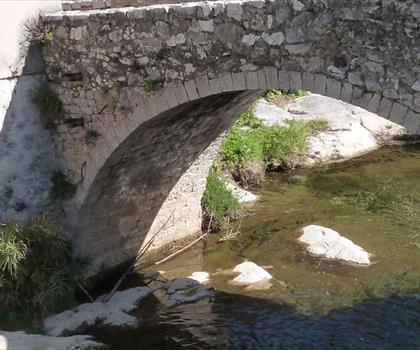
Gorges d'Ollioules
Var · 26.6 km away
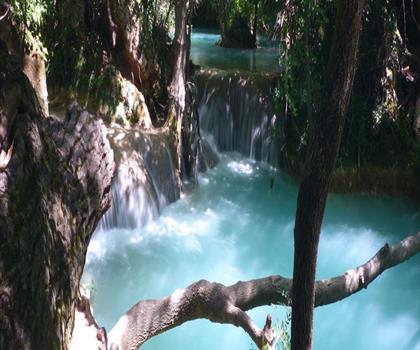
Cascade de Sillans
Var · 28.2 km away
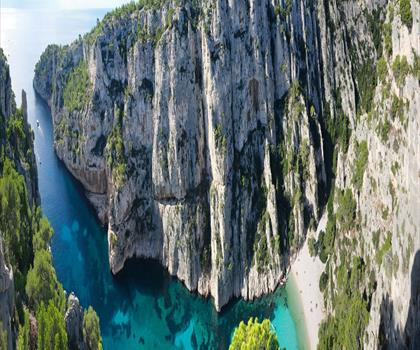
Parc national des Calanques
Bouches-du-Rhône · 44.8 km away
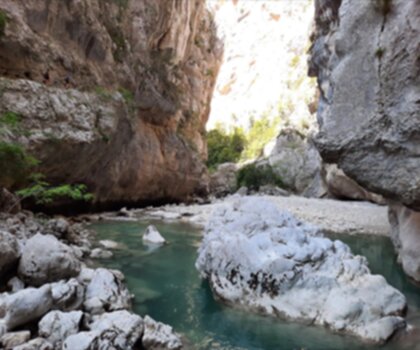
L'Imbut
Alpes-de-Haute-Provence · 51.2 km away
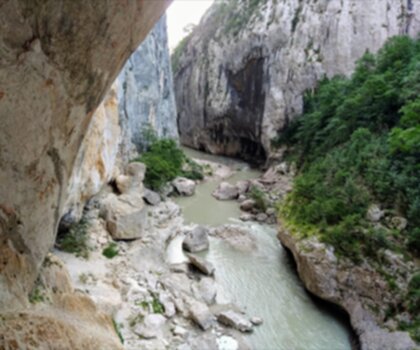
Sentier Martel
Alpes-de-Haute-Provence · 52.0 km away
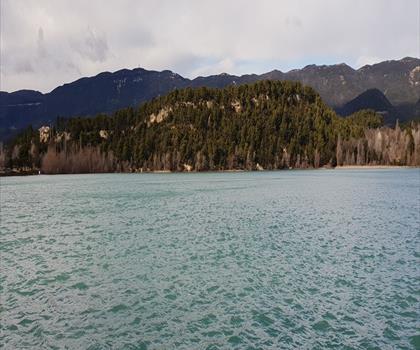
Camping de l'Étang de la Bonde
Vaucluse · 53.7 km away
Hiking near Sydney
25 trails to explore ~5089 km away
We work hard to provide the most up-to-date and error-free data possible. If something seems incorrect, let us know! Your contribution helps the whole community.
Hikers' opinions
Be the first to review!
No hiker has shared their experience yet. Share your impressions and help other hikers!