
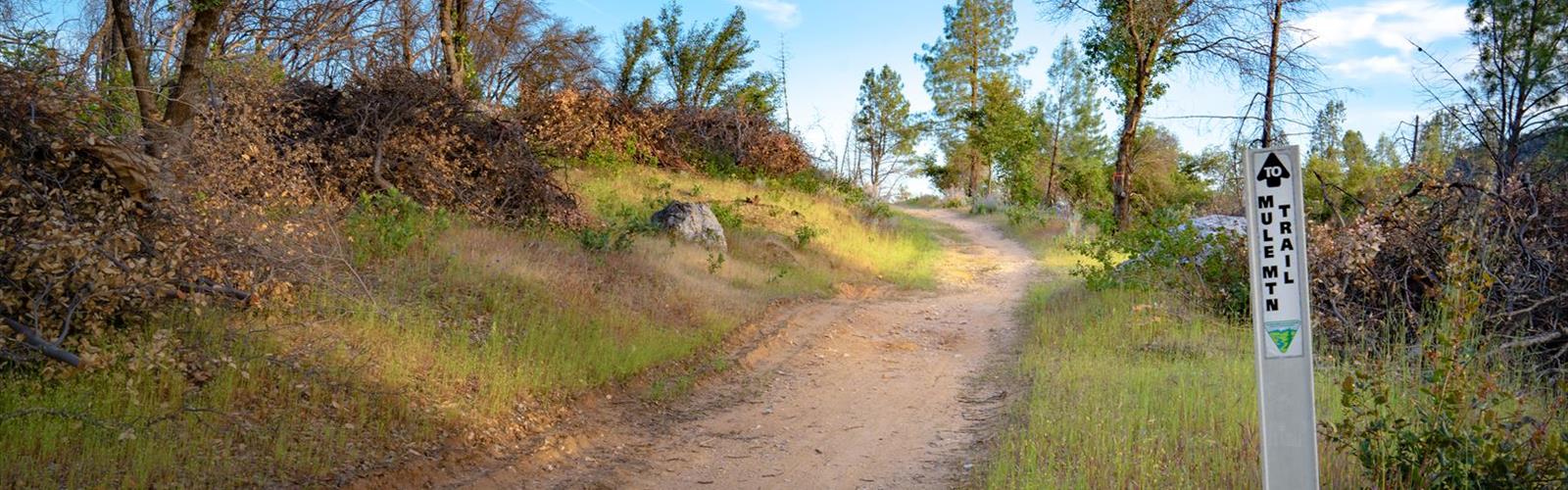

Ready to explore Oak Knoll, California? Here's everything you need to know before you go!
Discover the trail
Trail description
Oak Knoll is a climbing area located in California's Gold Country region — one of those spots that rewards the curious explorer willing to dig a little deeper into what this part of the Sierra Nevada foothills has to offer. While Gold Country is best known for its Gold Rush history and rolling oak-studded landscapes, the climbing community has long recognized that the region holds some genuinely worthwhile rock to get on.
The Setting
Gold Country stretches along the western slope of the Sierra Nevada, and the terrain here is shaped by millions of years of geological activity — volcanic intrusions, metamorphic rock, and the slow erosion that carved out the foothills we see today. Oak Knoll fits right into this landscape, sitting among the characteristic blue oaks, gray pines, and open grasslands that define the lower elevation zones of this part of California.
The area has a distinctly different feel from the high-alpine granite crags of the Sierra proper. Down here in the foothills, the rock tends to be more varied in character, the vegetation is denser in the draws and thinner on the exposed ridges, and the whole experience feels more intimate and less crowded than the marquee climbing destinations further east.
The Climbing
Oak Knoll offers climbing on the kind of rock you find throughout Gold Country — typically metamorphic or volcanic in origin, which means you can expect textured surfaces, interesting features, and movement that rewards technique over brute strength. The routes here tend to suit climbers who enjoy reading the rock and finding creative sequences rather than simply pulling on big holds.
The crag has a local following, and that's actually a good sign. Spots that stay on the radar of local climbers without blowing up into destination crags tend to be well-maintained, respected, and genuinely enjoyable to climb at. You're less likely to show up and find every route queued up, and more likely to have a real conversation with someone who knows the area well.
Whether you're working on your footwork on lower-angle slabs or pushing into steeper territory, Oak Knoll gives you enough variety to make a full day worthwhile. The rock quality in Gold Country can vary from formation to formation, so it's worth doing a little homework before your first visit — connecting with local climbers or checking in with a regional climbing organization will give you the most current picture of conditions and access.
Access and Logistics
Getting to climbing areas in Gold Country generally means driving through small foothill towns and onto roads that range from well-paved to decidedly rough. For Oak Knoll specifically, it's worth confirming current access details before heading out, as land access in this region can shift depending on land ownership, seasonal closures, and agreements between climbing organizations and private or public landowners.
The Gold Country region is served by several small communities that can handle your pre-climb coffee and post-climb meal needs. If you're coming from the Sacramento Valley, the drive into the foothills is straightforward and the elevation gain is gradual — you won't feel like you're suddenly in the mountains, but you will notice the air getting a little drier and the landscape opening up as you climb.
When to Go
Gold Country's foothill climate is one of the better arguments for climbing here. While the high Sierra is buried under snow from late fall through spring, the foothills stay accessible for much of the year. Spring and fall are the sweet spots — temperatures are moderate, the oaks are either leafing out or turning, and the rock is at its most pleasant to touch. Summer in the foothills can get genuinely hot, especially on south-facing walls, so early morning starts become important if you're visiting between June and September. Winter is often mild enough to climb on sunny days, though the occasional storm system rolls through and can make things wet for a stretch.
What to Bring
- Water: The foothills can be dry and exposed. Bring more than you think you need, especially in warmer months.
- Sun protection: Open oak woodland offers less shade than a dense forest. A hat, sunscreen, and a long-sleeve layer for rest periods will make your day more comfortable.
- Tick awareness: Gold Country is tick country. Do a thorough check after your visit, especially if you've been moving through brush to approach the crag.
- Approach footwear: Depending on the approach, trail runners or approach shoes will serve you better than flip-flops. The terrain can be uneven and rocky.
- Leave No Trace: Pack out everything you bring in. These smaller, locally-managed crags depend on climbers behaving well to maintain access.
The Broader Gold Country Climbing Scene
Oak Knoll doesn't exist in isolation — it's part of a broader network of climbing areas scattered through the Gold Country foothills. If you're making a trip specifically to climb in this region, it's worth researching what else is nearby so you can string together a multi-day trip or at least have a backup option if conditions at one spot aren't ideal. The region has enough variety that dedicated climbers keep coming back, and the relatively low profile of most Gold Country crags means the experience stays genuine.
Connecting with local climbing clubs or checking in with a regional outdoor retailer before your visit is one of the best ways to get current beta on Oak Knoll — trail conditions, any recent access changes, which routes are in the best shape, and whether there are any community workdays or stewardship events you could contribute to while you're there.
A Note on Stewardship
Smaller climbing areas like Oak Knoll often rely on a handful of dedicated locals to maintain trails, manage fixed gear, and keep relationships with landowners in good standing. If you're visiting from out of the area, consider supporting the organizations doing that work — whether that's through membership, a donation, or simply showing up to a crag cleanup. The access we have to places like this isn't guaranteed, and it's worth treating it accordingly.
The Essential Hiking Checklist
Everything you need for your next hike. Bilingual, printable, 1 page.
Get your free hiking checklistRecommended gear for this trail
As an Amazon Associate I earn from qualifying purchases.


Ready to go?
Everything you need to know before you goWhen?
How much?
As an Amazon Associate I earn from qualifying purchases.
Affiliate links — LGPO may earn a commission at no extra cost to you.
- Hiking shoes Essential
- → Salomon Elixir Tour Mid WP · 203.38 $
- Layered clothing Essential
- Rain jacket Essential
- Trekking poles
- → Black Diamond Trail Ergo Cork · 69.99 $
- Headlamp
- → Petzl Actik Core 625 · 103.95 $
FAQ - Frequently asked questions
Everything you need to knowSimilar hikes nearby
Discover other trails you might enjoy

California Street
Gold Country
California National Historic Trail
Gold Country
Stony Hill, California
Gold Country
Stony Point, California
Gold Country
Sunset Point, California
Gold Country
Union Hill, California
Gold Country
Hiking near Sydney
22 trails to explore ~7761 km away
We work hard to provide the most up-to-date and error-free data possible. If something seems incorrect, let us know! Your contribution helps the whole community.
Hikers' opinions
Be the first to review!
No hiker has shared their experience yet. Share your impressions and help other hikers!