
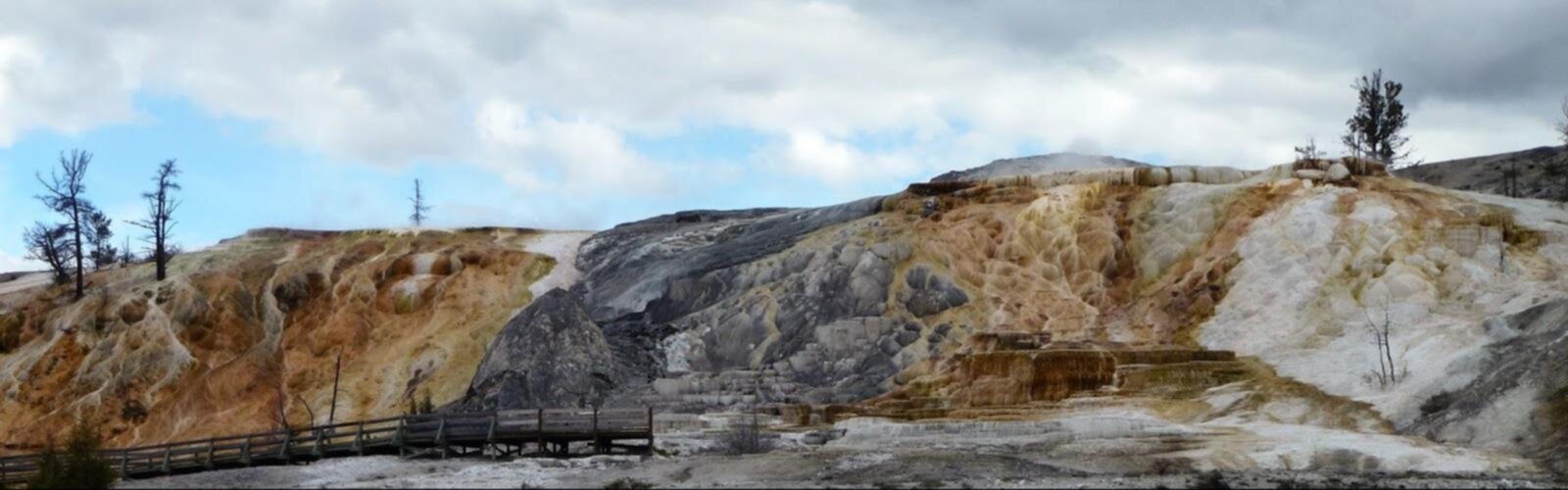
Ready to explore Gardiner, Montana, to Mammoth Hot Springs, Wyoming? Here's everything you need to know before you go!
Discover the trail
Oh no! We don't have any photos 😢
This trail hasn't been captured yet. Be the first to share your adventure!Trail description
The route from Gardiner, Montana to Mammoth Hot Springs, Wyoming is one of those drives and walks that quietly reminds you why Yellowstone exists in the first place. You're crossing a state line, yes, but more than that, you're moving through one of the most geologically and ecologically rich corridors in the American West. This stretch connects the northern gateway town of Gardiner with the historic Mammoth Hot Springs area inside Yellowstone National Park, and it delivers big scenery almost immediately.
The Setting
Gardiner sits right at the Roosevelt Arch, the original northern entrance to Yellowstone National Park. From the moment you pass under that stone arch — dedicated by President Theodore Roosevelt in 1903 — you're inside the park boundary. The road south toward Mammoth Hot Springs follows the Gardner River through a dramatic canyon before opening up into the sagebrush flats and thermal features that define this part of the park.
This corridor sits at a lower elevation than much of Yellowstone, which makes it one of the most accessible areas year-round. The landscape here is drier and more open than the forested interior of the park, with sweeping views of the Absaroka Range to the east and the Gallatin Range to the west. Wildlife is highly visible in this zone precisely because the terrain is open and the vegetation is low.
Wildlife Along the Way
This is one of the best wildlife-watching corridors in the entire park. Elk are almost guaranteed — large herds use the Mammoth area and the lower Gardner River valley as winter range, and they're often seen right in the town of Mammoth itself, grazing on the lawns around the historic buildings. Pronghorn are common on the open flats. Bison move through regularly. Bighorn sheep are frequently spotted on the rocky slopes above the Gardner River canyon.
Predators use this corridor too. Wolves from packs that range the northern range of Yellowstone are sometimes spotted, particularly in early morning or evening. Coyotes are almost always present. If you're moving slowly and paying attention, this stretch rewards that patience more than almost anywhere else in the park.
Mammoth Hot Springs
Mammoth Hot Springs is the destination anchor of this route and one of the most visually distinctive thermal areas in Yellowstone. The travertine terraces here are unlike anything else in the park — pale, layered formations built up by hot water carrying dissolved limestone to the surface. The terraces shift and change over time as water flow redirects, so the landscape is genuinely dynamic. Some features that were active years ago are now dry and pale white, while new ones emerge elsewhere.
The Upper and Lower Terraces are connected by boardwalks that let you get close to the formations safely. Minerva Terrace, Palette Spring, and Canary Spring are among the most recognized features, each with its own color palette driven by heat-tolerant microorganisms living in the water. The colors — orange, yellow, green, rust — shift depending on water temperature and flow.
The Mammoth area also has significant historical infrastructure. Fort Yellowstone, built by the U.S. Army when it administered the park in the late 1800s and early 1900s, still stands here. The stone buildings now serve as park headquarters and visitor facilities. Walking through this area gives you a sense of the park's long administrative history alongside its natural features.
The Road and Trail Experience
The primary connection between Gardiner and Mammoth Hot Springs is the North Entrance Road, which runs roughly five miles through the park. This road is open year-round, which is significant — most roads in Yellowstone close in winter, but this northern corridor stays accessible, making it a critical route for winter wildlife watching and access to Mammoth.
For those who want to experience this corridor on foot rather than by vehicle, there are trail options in and around the Mammoth area. The Beaver Ponds Trail is a well-known loop that departs from near the Mammoth terraces and moves through forest and open meadow, with good chances of seeing beaver activity, elk, and pronghorn. The terrain is rolling rather than steep, making it accessible to a wide range of hikers.
The Sepulcher Mountain Trail and the Snow Pass Trail also originate near Mammoth and offer more elevation and longer distances for those looking to push further into the backcountry north of the main thermal area.
Practical Information
- Entry fees: Yellowstone National Park charges an entrance fee. The fee applies per vehicle and covers the entire park for seven days. An America the Beautiful annual pass is accepted and covers entry.
- Year-round access: The Gardiner to Mammoth corridor and the North Entrance Road are open year-round, unlike most other park roads which close seasonally.
- Visitor services at Mammoth: The Mammoth area has a visitor center, a hotel (the Mammoth Hot Springs Hotel), a general store, gas, and dining. It's one of the most fully serviced areas in the park.
- Dogs: Dogs are not permitted on trails within Yellowstone National Park. They are allowed in parking areas, campgrounds, and within 100 feet of roads, but must be on a leash at all times.
- Wildlife safety: Yellowstone has strict rules about distance from wildlife — a minimum of 100 yards from bears and wolves, and 25 yards from all other animals including bison and elk. These are enforced rules, not suggestions.
- Thermal area safety: Stay on boardwalks and designated trails in all thermal areas. The ground around hot springs and geysers can be thin and unstable, and the water is scalding.
- Parking: Parking is available at the Mammoth Hot Springs terraces and at the visitor center. The area can get busy during peak summer months, so arriving early in the day helps.
Best Times to Visit
Because this corridor stays open year-round, it's genuinely a four-season destination. Winter brings a completely different experience — snow on the terraces, elk and bison concentrated in the lower elevations, and far fewer visitors than summer. Spring brings newborn wildlife and the return of migratory birds. Summer is the busiest period but also when all services are fully operational. Fall offers excellent wildlife activity as elk enter the rut, with bulls bugling across the open flats — one of the more memorable wildlife sounds in North America.
Whatever season brings you through, the Gardiner to Mammoth Hot Springs corridor is the kind of place that earns its reputation without needing to oversell itself.
Everything you need for your next hike. Bilingual, printable, 1 page.
Get your free hiking checklistRecommended gear for this trail
As an Amazon Associate I earn from qualifying purchases.


Ready to go?
Everything you need to know before you goWhen?
As an Amazon Associate I earn from qualifying purchases.
Affiliate links — LGPO may earn a commission at no extra cost to you.
- Hiking shoes Essential
- → Salomon Elixir Tour Mid WP · 203.38 $
- Layered clothing Essential
- Rain jacket Essential
- Trekking poles
- → Black Diamond Trail Ergo Cork · 69.99 $
- Headlamp
- → Petzl Actik Core 625 · 103.95 $
FAQ - Frequently asked questions
Everything you need to knowOutings near Gardiner, Montana, to Mammoth Hot Springs, Wyoming
Discover other trails you might enjoy
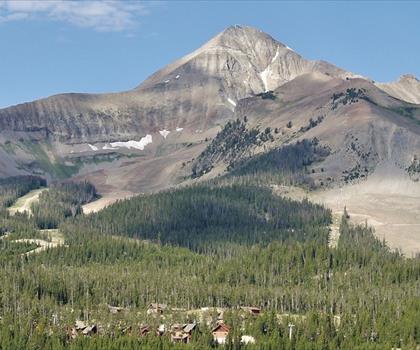
Sky Rim
Yellowstone Country · 28.4 km away

Garnet Mountain, Montana
Yellowstone Country · 58.9 km away

Cache Mountain, Wyoming
Yellowstone & Grand Teton · 59.5 km away
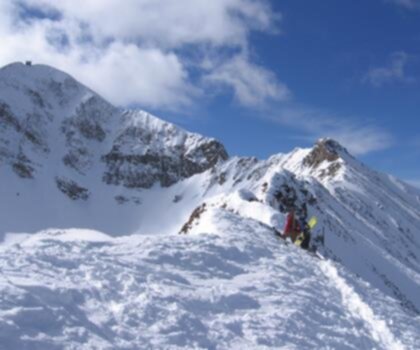
Moonlight Basin
Yellowstone Country · 64.1 km away
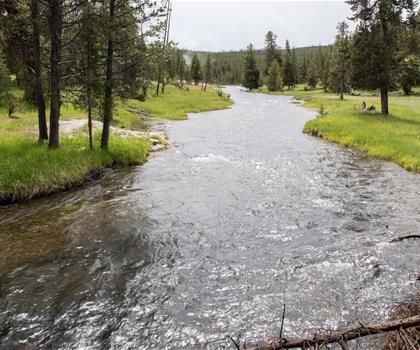
Mallard Lake Trail
Yellowstone & Grand Teton · 64.4 km away
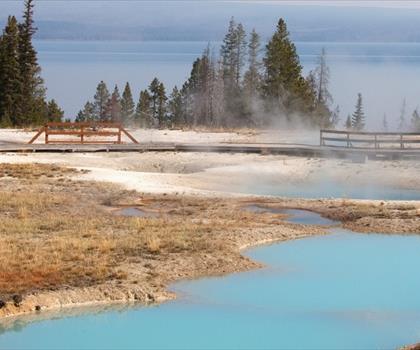
West Thumb Geyser Basin
Yellowstone & Grand Teton · 69.3 km away
Hiking near Calgary
128 trails to explore ~714 km away
We work hard to provide the most up-to-date and error-free data possible. If something seems incorrect, let us know! Your contribution helps the whole community.
Hikers' opinions
Be the first to review!
No hiker has shared their experience yet. Share your impressions and help other hikers!