
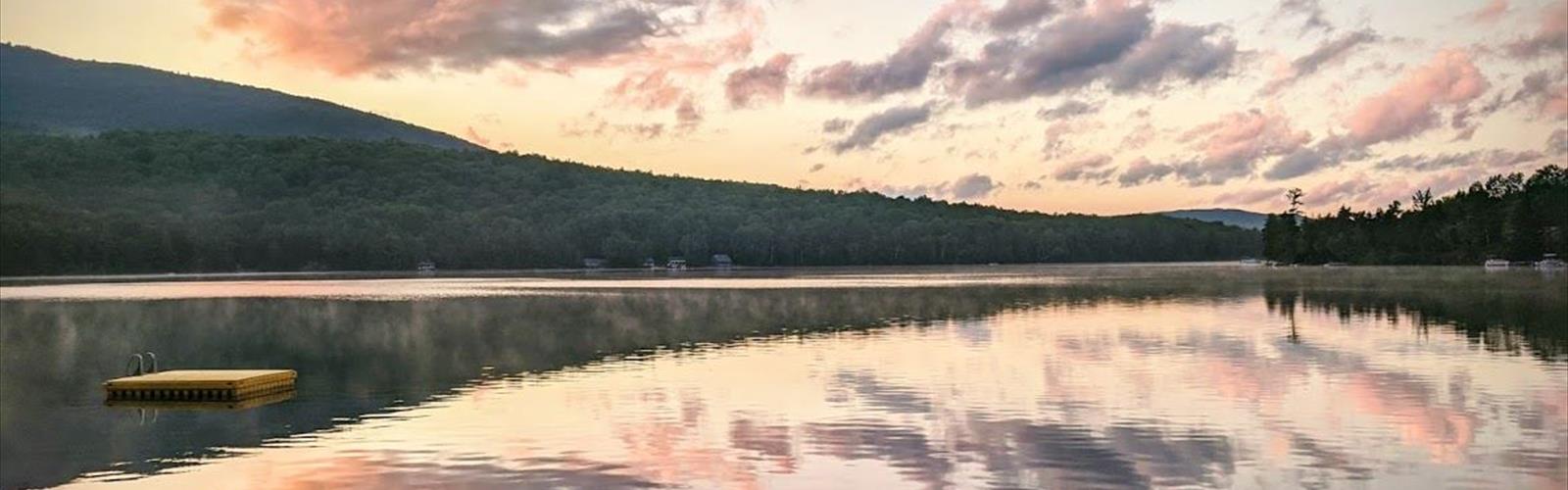

Ready to explore Camp Moosilauke? Here's everything you need to know before you go!
Discover the trail
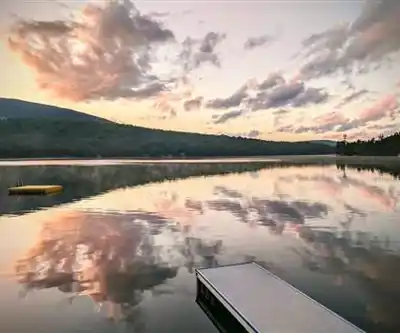
Trail description
Camp Moosilauke stands as one of New Hampshire's premier mountain hiking destinations, offering direct access to some of the White Mountains' most rewarding terrain. Located in the Dartmouth-Lake Sunapee region, this outdoor hub combines well-equipped camping facilities with immediate trail access to challenging mountain adventures, making it an ideal base camp for hikers seeking multi-day experiences or those wanting to tackle significant peaks without lengthy daily commutes from urban areas.
Mount Moosilauke: The Crown Jewel
The undisputed highlight of any visit to Camp Moosilauke is the ascent of Mount Moosilauke itself, a 4,802-foot peak that delivers one of the most distinctive summit experiences in the White Mountains. What sets this mountain apart from many regional peaks is its completely bald summit dome, providing unobstructed 360-degree views that stretch across New Hampshire's mountainous landscape. This exposed summit creates a dramatic hiking experience where you transition from dense forest protection to completely open, windswept terrain in the final approach.
The 11.3-kilometer round trip to Moosilauke's summit involves 701 meters of elevation gain and typically requires about four hours of hiking time. The trail begins in rich mixed forests where birch, maple, and beech trees dominate the lower elevations, creating the classic New England woodland atmosphere that hikers cherish. As you climb steadily upward, the forest composition gradually shifts to coniferous species better adapted to the harsher conditions of higher elevations.
The middle sections of the ascent traverse through well-established trail corridors with moderate grades that allow for steady, sustainable progress. These portions showcase the quintessential New Hampshire hiking experience, with well-marked paths winding through mature forest stands and crossing clear mountain streams. The trail's design and maintenance reflect decades of use by hikers ranging from college outing clubs to serious mountaineers.
As you approach the upper elevations, the forest begins to thin noticeably, and you'll encounter increasingly open ridges that offer tantalizing glimpses of the panoramic views awaiting at the summit. These transitional zones serve as natural rest stops and provide hikers with their first taste of the exposed conditions that define Moosilauke's character. The final push to the summit crosses the treeline entirely, leaving hikers on the characteristic bald dome that makes this peak instantly recognizable from other summits throughout the region.
Trail Network and Hiking Options
While Mount Moosilauke represents the premier hiking challenge accessible from Camp Moosilauke, the area offers a network of trail options that accommodate different experience levels and time commitments. The various paths radiating from the camp include shorter woodland walks that showcase the region's diverse forest ecosystems without requiring the full commitment of a major mountain ascent. These lower-elevation trails provide excellent opportunities for warming up before bigger adventures, cooling down after challenging climbs, or exploring during rest days between more ambitious hiking objectives.
For experienced hikers, the camp's strategic location opens up possibilities for extended ridge walks and connections to other trail systems throughout the White Mountains. The terrain here rewards those who appreciate the classic New England hiking experience: working through varied forest types, crossing babbling mountain streams, navigating well-maintained but challenging trail sections, and ultimately emerging onto open summits with expansive views that justify every step of the climb.
The trail system's design accommodates both day hikers seeking a single memorable adventure and serious trekkers planning multi-day explorations of the broader White Mountains region. The variety ensures that groups with mixed experience levels can find appropriate challenges while using the camp as a common base.
Wildlife and Natural Environment
The dramatic elevation range accessible from Camp Moosilauke supports an impressive variety of wildlife that hikers regularly encounter throughout their adventures. White-tailed deer are frequently spotted in the lower forest areas, particularly during the quieter early morning and evening hours when they venture closer to trail corridors. Moose sightings, while less predictable, occur with enough regularity that hikers should remain alert for encounters, especially when passing through wetland areas and along the stream corridors that these massive animals prefer.
Bird enthusiasts will find the elevation gradient particularly rewarding, as distinctly different species dominate at various altitudes throughout the hiking area. The mixed forests at lower elevations host the typical New England woodland birds that provide a familiar soundtrack to forest hiking, while the higher elevations and exposed summit areas attract specialized species adapted to the harsh conditions of mountain environments. The transition zones between different forest types often provide the most diverse birding opportunities, where species from multiple habitats overlap.
The plant communities change dramatically with elevation, offering hikers an engaging natural lesson in mountain ecology as they climb. Lower elevations feature the rich understory vegetation typical of northern hardwood forests, including ferns, wildflowers, and shrubs that thrive in the filtered light beneath the forest canopy. Higher elevations showcase the hardy, specialized species that can survive the extreme conditions near treeline, where constant wind, temperature fluctuations, and intense UV exposure create one of the harshest environments in New Hampshire.
Base Camp Advantages
The camping facilities at Camp Moosilauke provide well-equipped infrastructure that makes it practical to use this location as a base for multiple days of serious hiking. The campground setup supports both tent camping and basic shelter needs, allowing hikers to avoid the daily drive from distant accommodations and instead wake up already positioned for early morning starts when weather conditions are typically most favorable for challenging ascents like Mount Moosilauke.
Staying overnight at the camp opens up opportunities for activities that day hikers necessarily miss. The pristine mountain streams flowing through the area offer fishing opportunities for those who want to combine angling with their hiking adventures. The remote location and minimal light pollution create exceptional conditions for stargazing, adding a peaceful evening dimension to the outdoor experience that complements the physical challenges of daytime hiking.
The base camp approach also allows for more flexible responses to changing weather conditions, a crucial advantage in the White Mountains where conditions can shift rapidly and dramatically affect hiking safety and enjoyment.
Mountain Conditions and Preparation
Camp Moosilauke's location in the heart of New Hampshire's White Mountains means hikers must prepare for the variable and potentially severe weather conditions typical of this mountain region. The exposed summit of Mount Moosilauke can experience dramatically different conditions from the protected forest areas below, requiring comprehensive layered clothing systems and reliable weather protection even on days that begin with clear, warm conditions at the trailhead.
The significant elevation gain and extended exposure on Mount Moosilauke make proper hydration planning essential for a safe and enjoyable experience. While water sources are generally reliable along the established trails, the physical demands of the climb and the potential for rapid dehydration in exposed summit conditions require careful attention to fluid intake throughout the hike.
The well-established trail system reduces navigation concerns significantly, but hikers should still be familiar with standard White Mountains trail marking systems and prepared for typical mountain trail conditions including rocky sections, stream crossings, and potentially muddy areas depending on recent weather patterns.
The Essential Hiking Checklist
Everything you need for your next hike. Bilingual, printable, 1 page.
Get your free hiking checklistRecommended gear for this trail
As an Amazon Associate I earn from qualifying purchases.


Ready to go?
Everything you need to know before you goStarting Point
The camp moosilauke trails are located in Warren, New Hampshire. To get to the start of the trails, take exit 26 off of Interstate 89 and head east on Route 25. The camp moosilauke entrance will be on your left.
When?
How much?
As an Amazon Associate I earn from qualifying purchases.
Affiliate links — LGPO may earn a commission at no extra cost to you.
- Hiking shoes Essential
- → Salomon Elixir Tour Mid WP · 203.38 $
- Layered clothing Essential
- Rain jacket Essential
- Trekking poles
- → Black Diamond Trail Ergo Cork · 69.99 $
- Headlamp
- → Petzl Actik Core 625 · 103.95 $
FAQ - Frequently asked questions
Everything you need to knowSimilar hikes nearby
Discover other trails you might enjoy
Mt Moosilauke
Dartmouth-Lake Sunapee
AMC Cardigan Lodge
Dartmouth-Lake Sunapee
Cardigan Mountain State Park
Dartmouth-Lake Sunapee

Moose Mountain Shelter
Dartmouth-Lake Sunapee
Welton Falls
Dartmouth-Lake Sunapee
Big Sugarloaf Mountain
Dartmouth-Lake Sunapee
Hiking near Montpelier
0 trails to explore ~61 km away
We work hard to provide the most up-to-date and error-free data possible. If something seems incorrect, let us know! Your contribution helps the whole community.
Hikers' opinions
Be the first to review!
No hiker has shared their experience yet. Share your impressions and help other hikers!