
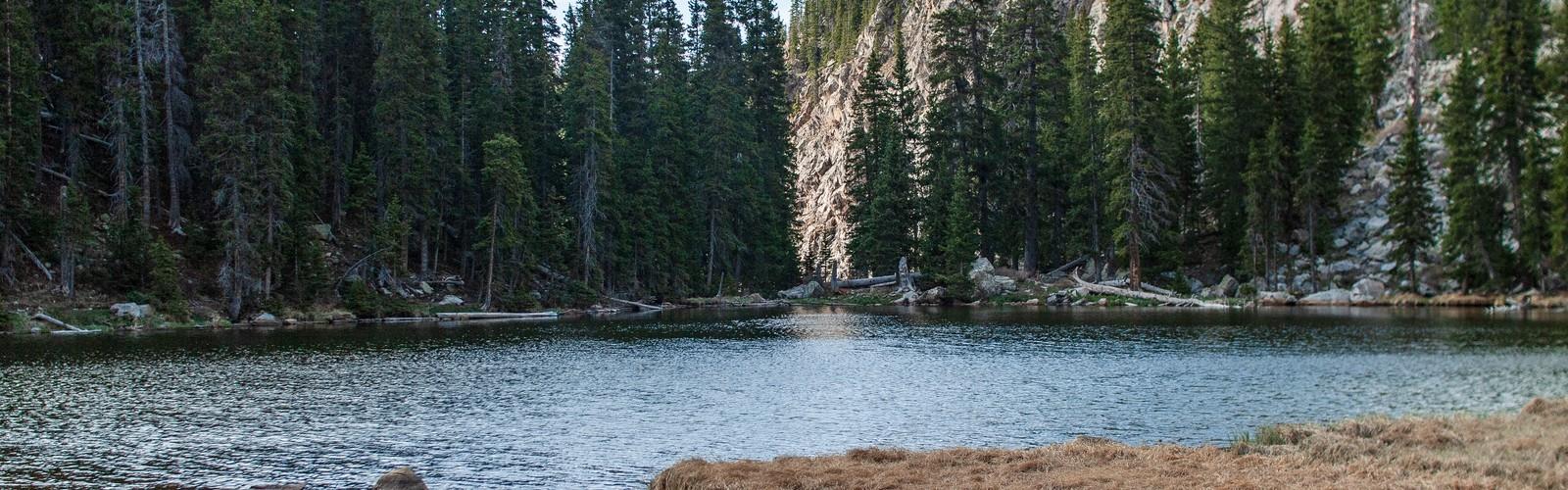

Ready to explore Lake Peak, New Mexico? Here's everything you need to know before you go!
Discover the trail
Oh no! We don't have any photos 😢
This trail hasn't been captured yet. Be the first to share your adventure!Trail description
Lake Peak is one of those summits in New Mexico that rewards the effort with something genuinely spectacular. Sitting within the Pecos Wilderness in the Santa Fe National Forest, this peak draws hikers looking for a real mountain experience — exposed ridgelines, sweeping views, and the kind of high-country terrain that reminds you why you lace up your boots in the first place.
The Terrain
The route to Lake Peak moves through a classic sequence of New Mexico mountain environments. You start in mixed conifer forest — spruce, fir, and aspen — before the trees thin out and the trail opens onto rocky, wind-scoured slopes. The upper section is above treeline, which means open sky in every direction and a real sense of exposure. The footing gets rougher as you gain elevation, with loose rock and uneven surfaces that demand attention, especially on the descent.
The peak itself sits in the Sangre de Cristo Mountains, a range that defines the eastern edge of the Santa Fe area. The landscape here is rugged and dramatic — this isn't a gentle stroll through the woods. The trail gains serious elevation and the alpine zone near the top has its own character: sparse vegetation, lichen-covered boulders, and the kind of silence you only get when you're well above the crowds.
What Makes Lake Peak Stand Out
The name gives it away — there's a lake involved. Lake Katherine sits in a glacially carved basin near the peak, and it's one of the most striking features of this area. The combination of a high alpine lake and a summit push in a single outing is part of what makes this destination so appealing. The lake itself is a natural stopping point, a place to catch your breath and take in the cirque walls rising around it before continuing toward the top.
From the summit, the views extend across a massive stretch of northern New Mexico. On a clear day you can see well beyond the immediate Pecos Wilderness — distant ranges, high desert plateaus, and the patchwork of forest and open land that makes this part of the state so visually rich. It's the kind of panorama that puts the scale of the landscape into perspective.
Trail Experience
This is a demanding hike. The elevation gain is significant, and the altitude at the top means thinner air that will slow most hikers down, especially those coming from lower elevations. If you're not acclimatized to high altitude, plan for a slower pace and give yourself extra time. Altitude-related fatigue and headaches are real possibilities, and it's worth spending a day or two in Santa Fe before attempting a summit like this.
The trail is well-used but the upper sections can be less defined in places, particularly where the route crosses open rock. Staying aware of your surroundings and keeping an eye on trail markers is important. Navigation isn't overly technical, but it's not a trail where you can zone out and follow the crowd.
Weather is a serious consideration. Afternoon thunderstorms are common in the summer months, and being above treeline when lightning rolls in is genuinely dangerous. An early start — on the trail before sunrise or at first light — is the standard approach for anyone heading to the summit. Plan to be off the exposed upper slopes well before early afternoon.
Getting There
Access to Lake Peak typically goes through the Santa Fe Ski Area, which sits at the base of the Sangre de Cristo range and provides a high-elevation starting point. This trailhead is one of the more convenient ways to reach the Pecos Wilderness from the Santa Fe side. The ski area access road leads up into the mountains and puts you well above the city before you even start hiking.
Parking is available at the ski area. As with most Santa Fe National Forest trailheads, it's worth checking current conditions and any permit or fee requirements before you go, as these can change seasonally.
What to Bring
- Layers: Temperatures at the summit can be dramatically colder than at the trailhead, and wind adds to the chill. A mid-layer and a wind shell are worth carrying even on warm days.
- Rain gear: Afternoon storms can develop quickly. A lightweight rain jacket takes up almost no space and can make a real difference.
- Plenty of water: High-altitude hiking is dehydrating, and the dry New Mexico air accelerates that. Carry more than you think you'll need.
- Sun protection: At elevation, UV exposure is intense. Sunscreen, sunglasses, and a hat are not optional.
- Trekking poles: Useful on the descent, especially on loose rock sections.
- A map or downloaded GPS track: Cell service is unreliable in the wilderness. Know your route before you leave the trailhead.
Flora and Wildlife
The Pecos Wilderness is home to a diverse range of wildlife, and Lake Peak's varied elevation zones mean you move through different habitats on a single hike. Black bears, mule deer, and elk are present in the area. Marmots are common in the rocky alpine zone near the summit — you'll likely hear their sharp warning calls before you see them. Raptors, including hawks and eagles, are frequently spotted riding thermals above the ridgelines.
The wildflower display in the subalpine meadows during summer is genuinely impressive. Columbine, Indian paintbrush, and a range of other high-altitude species bloom in the short growing season, adding color to the rocky terrain.
Wilderness Rules and Leave No Trace
Lake Peak falls within the Pecos Wilderness, a federally designated wilderness area managed under strict guidelines. Mechanized equipment, including mountain bikes, is not permitted. Group size limits apply. Camping within the wilderness requires following Leave No Trace principles — proper food storage, waste disposal, and minimizing impact on the fragile alpine environment are all essential. The ecosystem at this elevation is slow to recover from damage, so staying on established trails and avoiding shortcuts across vegetation matters here more than at lower-elevation destinations.
Dogs are generally permitted in the Pecos Wilderness but must be under control at all times, and owners are responsible for cleaning up after them.
The Essential Hiking Checklist
Everything you need for your next hike. Bilingual, printable, 1 page.
Get your free hiking checklistRecommended gear for this trail
As an Amazon Associate I earn from qualifying purchases.


Ready to go?
Everything you need to know before you goWhen?
How much?
As an Amazon Associate I earn from qualifying purchases.
Affiliate links — LGPO may earn a commission at no extra cost to you.
- Hiking shoes Essential
- → Salomon Elixir Tour Mid WP · 203.38 $
- Layered clothing Essential
- Rain jacket Essential
- Trekking poles
- → Black Diamond Trail Ergo Cork · 69.99 $
- Headlamp
- → Petzl Actik Core 625 · 103.95 $
FAQ - Frequently asked questions
Everything you need to knowSimilar hikes nearby
Discover other trails you might enjoy
Tesuque Peak, New Mexico
North Central New Mexico
Venado Peak, New Mexico
North Central New Mexico

Truchas Peak, New Mexico
North Central New Mexico

Santa Fe Baldy
North Central New Mexico
Old Santa Fe Trail
North Central New Mexico
Santa Fe National Historic Trail
North Central New Mexico
Hiking near Brandon
5 trails to explore ~1630 km away
We work hard to provide the most up-to-date and error-free data possible. If something seems incorrect, let us know! Your contribution helps the whole community.
Hikers' opinions
Be the first to review!
No hiker has shared their experience yet. Share your impressions and help other hikers!