

Ready to explore Santa Fe National Historic Trail? Here's everything you need to know before you go!
Discover the trail
Oh no! We don't have any photos 😢
This trail hasn't been captured yet. Be the first to share your adventure!Trail description
The Santa Fe National Historic Trail is one of the most historically significant routes in the American West. Stretching across the Great Plains and into the Southwest, this trail traces the commercial and cultural corridor that connected Missouri to Santa Fe, New Mexico, from the early 19th century through the era of westward expansion. Walking any portion of it means stepping into a landscape shaped by centuries of trade, migration, and cross-cultural exchange.
Historical Background
Established as a formal trade route in 1821 when Mexico gained independence from Spain and opened its borders to American commerce, the Santa Fe Trail quickly became one of the busiest overland routes in North America. Merchants, soldiers, settlers, and Indigenous peoples all traveled this corridor. Wagon ruts from that era are still visible in certain sections, a tangible reminder of the thousands of loaded wagons that carved their way across the land. The trail was designated a National Historic Trail by Congress in 1987, recognizing its lasting importance to American history.
What the Trail Covers
The Santa Fe National Historic Trail spans multiple states, but its New Mexico segments are among the most evocative. In New Mexico, the trail passes through a range of landscapes — from high desert plains to mountain passes — reflecting the dramatic geographic transition that travelers historically experienced as they neared their destination. The terrain shifts noticeably as you move through the region, with open grasslands giving way to more rugged, elevated terrain closer to Santa Fe.
There were two main branches of the historic trail: the Mountain Route and the Cimarron Route. The Mountain Route, which passed through Raton Pass in northeastern New Mexico, was longer but considered safer. The Cimarron Route cut across the dry shortgrass plains of the Cimarron Desert, saving time but posing serious risks from lack of water and conflict. Both routes converge as they approach Santa Fe, and both left their marks on the New Mexico landscape.
Experiencing the Trail Today
Today, the Santa Fe National Historic Trail is managed as a partnership trail, meaning it runs through a mix of federal, state, and private lands. The National Park Service oversees the trail's designation and works with local partners to preserve and interpret it. Visitors can experience the trail in several ways — some sections have developed interpretive sites with signage and preserved wagon ruts, while others are more remote and require a bit more effort to access.
In New Mexico specifically, there are several sites where you can get a genuine feel for what trail travel looked like in the 1800s. Fort Union National Monument, located northeast of Santa Fe, is one of the most compelling stops along the route. The ruins of what was once the largest 19th-century military fort in the American Southwest sit directly alongside the trail, and the wagon ruts leading up to the fort are among the best-preserved anywhere on the entire route.
Terrain and Landscape
New Mexico's portion of the trail covers a wide variety of terrain. The northeastern part of the state features wide-open shortgrass prairie, with long sightlines and a sense of exposure that gives you a real appreciation for what early travelers experienced. As the trail moves southwest toward Santa Fe, the elevation climbs and the landscape becomes more dramatic, with mesas, piñon-juniper woodland, and the distant profile of the Sangre de Cristo Mountains coming into view.
The high desert environment means weather can be unpredictable. Summer afternoons often bring thunderstorms, and temperatures can swing significantly between morning and midday. The open terrain offers little shade in many sections, so sun protection and adequate water are essential whenever you're out exploring trail segments on foot.
Key Sites Along the New Mexico Portion
- Fort Union National Monument: One of the most visited and historically rich sites on the entire trail. The preserved ruins and visible wagon ruts make this a must-see for anyone interested in the trail's history.
- Pecos National Historical Park: Located closer to Santa Fe, this park preserves the ruins of a major Pueblo community and a Spanish colonial mission, both of which played a role in the broader history of the region and the trail's endpoint.
- Raton Pass: The crossing point on the Mountain Route into New Mexico from Colorado, this pass offers a sense of the geographic challenge that mountain-route travelers faced.
- Santa Fe Plaza: The historic endpoint of the trail. The plaza at the center of Santa Fe has been a gathering place for centuries, and standing there, you're at the destination that motivated the entire route.
Practical Information
Because the Santa Fe National Historic Trail is a partnership trail rather than a single managed path, access and amenities vary significantly depending on which segment or site you're visiting. Some locations, like Fort Union National Monument, charge an entrance fee and have staffed visitor centers with restrooms and interpretive exhibits. Others are accessible via dirt roads with no facilities at all.
If you're planning to explore multiple sites along the New Mexico portion, it's worth checking the National Park Service's Santa Fe Trail website ahead of time to understand which sites are currently open, what the road conditions are like, and whether any seasonal closures apply. Cell service can be limited in the more rural sections of northeastern New Mexico, so downloading maps and information before you head out is a smart move.
Dogs are generally welcome at outdoor trail segments, though rules vary at specific monuments and parks along the route. Always check the individual site's pet policy before visiting with animals.
Who This Trail Is For
The Santa Fe National Historic Trail appeals to a wide range of visitors. History enthusiasts will find the preserved sites and interpretive materials deeply engaging. Hikers and outdoor explorers who want to walk in the literal footsteps of 19th-century travelers will find certain segments genuinely moving. Photographers are drawn to the open landscapes, dramatic skies, and photogenic ruins that appear throughout the New Mexico portion of the route.
It's not a trail in the traditional sense of a continuous footpath — it's better understood as a historic corridor with multiple access points and experiences along the way, each offering its own window into one of the most important overland routes in North American history.
The Essential Hiking Checklist
Everything you need for your next hike. Bilingual, printable, 1 page.
Get your free hiking checklistRecommended gear for this trail
As an Amazon Associate I earn from qualifying purchases.


Ready to go?
Everything you need to know before you goWhen?
How much?
As an Amazon Associate I earn from qualifying purchases.
Affiliate links — LGPO may earn a commission at no extra cost to you.
- Hiking shoes Essential
- → Salomon Elixir Tour Mid WP · 203.38 $
- Layered clothing Essential
- Rain jacket Essential
- Trekking poles
- → Black Diamond Trail Ergo Cork · 69.99 $
- Headlamp
- → Petzl Actik Core 625 · 103.95 $
FAQ - Frequently asked questions
Everything you need to knowSimilar hikes nearby
Discover other trails you might enjoy
Tesuque Peak, New Mexico
North Central New Mexico
Lake Peak, New Mexico
North Central New Mexico
Venado Peak, New Mexico
North Central New Mexico
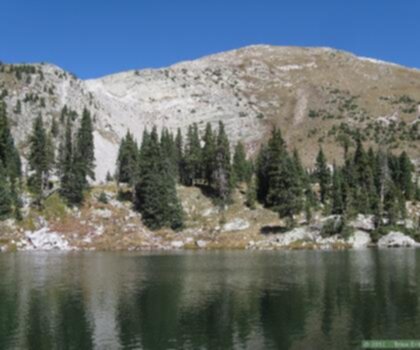
Truchas Peak, New Mexico
North Central New Mexico

Santa Fe Baldy
North Central New Mexico
Old Santa Fe Trail
North Central New Mexico
Hiking near Sydney
22 trails to explore ~7660 km away
We work hard to provide the most up-to-date and error-free data possible. If something seems incorrect, let us know! Your contribution helps the whole community.
Hikers' opinions
Be the first to review!
No hiker has shared their experience yet. Share your impressions and help other hikers!