
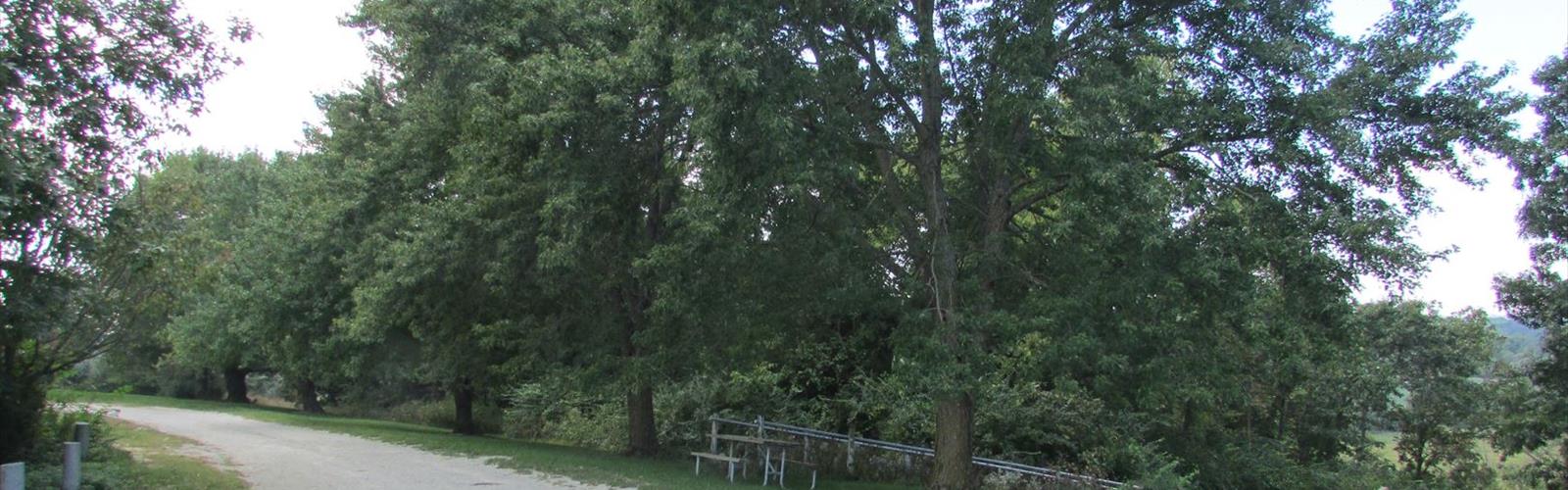

Ready to explore Mormon Pioneer Trail? Here's everything you need to know before you go!
Discover the trail
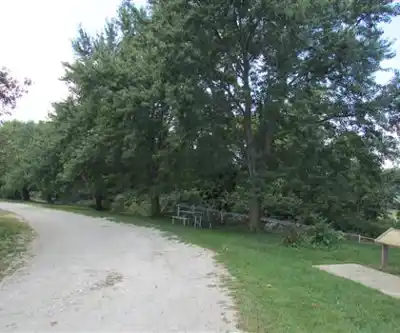
Trail description
The Mormon Pioneer Trail is one of Utah's most historically significant routes, tracing the path walked by thousands of Latter-day Saint pioneers who made their way westward in the mid-1800s. This isn't just a hike through central Utah's landscape — it's a walk through a defining chapter of American history, across terrain that has changed remarkably little since those early wagon trains rolled through.
Historical Context
The trail follows the route used by Brigham Young and the first company of Mormon pioneers who traveled from Winter Quarters, Nebraska, to the Salt Lake Valley in 1847. What began as a religious migration became one of the most significant overland journeys in American history, with an estimated 70,000 pioneers eventually making the trek. Walking any portion of this trail puts you directly in the footsteps of people who crossed this same ground on foot, by wagon, and even by handcart — often under grueling conditions.
Central Utah's segment of the trail passes through landscapes that carry real weight. The terrain here tells the story of endurance, and the physical environment — open valleys, rolling hills, and the kind of wide-open sky that makes you feel genuinely small — gives you a sense of what those early travelers were up against.
The Terrain and Landscape
Central Utah along the Mormon Pioneer Trail corridor is characterized by high desert and semi-arid grassland, with sagebrush flats giving way to juniper-dotted ridgelines depending on elevation. The landscape is expansive and largely undeveloped, which is a big part of what makes this trail feel authentic. You're not hiking through a manicured park — you're moving through open country that still looks and feels like the frontier.
The ground underfoot varies. Some sections follow established dirt paths or two-track roads, while others cross open range where route-finding requires a bit more attention. Depending on the specific segment you're hiking, you may encounter creek crossings, exposed ridges, or long stretches of flat valley floor. Wind is a constant companion in this part of Utah, and the sun can be intense — shade is limited across much of the route.
Wildlife in the area includes pronghorn antelope, mule deer, coyotes, and a variety of raptors that hunt the open grasslands. Birdwatchers will find the wide skies rewarding, with hawks and eagles frequently visible overhead.
What to Expect on the Trail
The Mormon Pioneer Trail in central Utah is best approached as a point-to-point or section hike rather than a simple out-and-back loop. The route is long and spans multiple counties, so most visitors choose a specific segment to explore based on their time and fitness level. Logistics matter here — shuttle arrangements or a second vehicle are often necessary if you're hiking a linear section.
Navigation deserves attention. While portions of the trail are well-marked with historic monuments and interpretive signage, other sections are less defined. A downloaded GPS track or a detailed map is strongly recommended before you head out. Cell service is unreliable across much of central Utah's backcountry, so don't count on your phone for real-time navigation.
Water sources along the route are limited and should not be taken for granted. Carry more than you think you'll need, and treat any natural water before drinking. There are no guaranteed resupply points along remote sections, so plan your food and water accordingly.
Access and Trailheads
Access points to the Mormon Pioneer Trail in central Utah vary depending on which segment you're targeting. Many trailheads are reached via unpaved county roads that may require a high-clearance vehicle, particularly after rain or during spring runoff when the ground is soft. It's worth checking road conditions before you go, especially if you're driving a standard passenger car.
Parking at most access points is informal — pull-offs along rural roads rather than developed lots. There are no fees associated with accessing the trail on public land segments, though some portions may cross private property where access agreements are in place. Always respect posted signage and stay on the established route where indicated.
Practical Tips
- Sun protection is non-negotiable. Central Utah's high desert offers minimal shade, and UV exposure at elevation is significant. Sunscreen, a hat, and sun-protective clothing are essential.
- Carry extra water. Natural water sources are scarce and unreliable. Plan to carry all the water you'll need for your segment, plus a buffer.
- Download your maps offline. Cell service is spotty to nonexistent across much of the route. Use a GPS app with offline maps loaded before you leave the trailhead.
- Check weather before you go. Afternoon thunderstorms are common in summer, and exposed ridgelines can be dangerous during lightning. Start early and be prepared to turn back if conditions deteriorate.
- Dress in layers. Temperatures in central Utah can swing dramatically between morning and afternoon, and wind chill on exposed sections can make a warm day feel cold quickly.
- Leave no trace. This is a historically sensitive corridor. Stay on established paths where they exist, pack out all waste, and avoid disturbing any historic artifacts or markers you encounter.
Who This Trail Is For
The Mormon Pioneer Trail in central Utah appeals to a specific kind of hiker — someone who values historical context as much as physical challenge, and who is comfortable with self-sufficiency in remote terrain. It's not a trail for beginners looking for a casual afternoon walk. The remoteness, limited water, and navigation demands mean you should come prepared and experienced.
That said, the trail is deeply rewarding for those who connect with its story. History enthusiasts, long-distance hikers, and anyone drawn to wide-open western landscapes will find something genuinely compelling here. The interpretive markers and monuments along the route add a layer of meaning that most trails simply can't offer — each one a reminder of the human effort that shaped this corridor across the American West.
If you're looking for a trail that combines authentic backcountry experience with one of the most significant migration routes in U.S. history, the Mormon Pioneer Trail in central Utah delivers exactly that.
The Essential Hiking Checklist
Everything you need for your next hike. Bilingual, printable, 1 page.
Get your free hiking checklistRecommended gear for this trail
As an Amazon Associate I earn from qualifying purchases.


Ready to go?
Everything you need to know before you goWhen?
How much?
As an Amazon Associate I earn from qualifying purchases.
Affiliate links — LGPO may earn a commission at no extra cost to you.
- Hiking shoes Essential
- → Salomon Elixir Tour Mid WP · 203.38 $
- Layered clothing Essential
- Rain jacket Essential
- Trekking poles
- → Black Diamond Trail Ergo Cork · 69.99 $
- Headlamp
- → Petzl Actik Core 625 · 103.95 $
FAQ - Frequently asked questions
Everything you need to knowSimilar hikes nearby
Discover other trails you might enjoy

Powder Mountain
Northern Utah

Deer Valley Resort
Northern Utah

Ben Lomond, Utah
Northern Utah

Sugarloaf Mountain, Utah
Northern Utah

Weber River
Northern Utah
Blacksmith Fork
Northern Utah
Hiking near Calgary
120 trails to explore ~1156 km away
We work hard to provide the most up-to-date and error-free data possible. If something seems incorrect, let us know! Your contribution helps the whole community.
Hikers' opinions
Be the first to review!
No hiker has shared their experience yet. Share your impressions and help other hikers!