
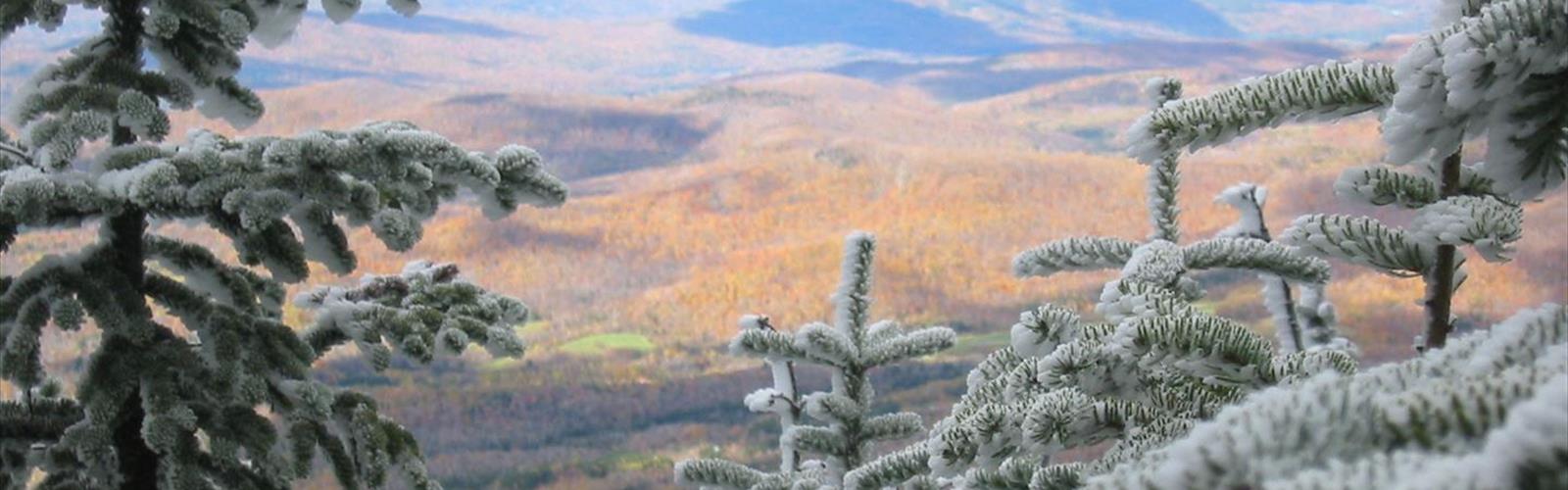

Ready to explore Flatlander Farm? Here's everything you need to know before you go!
Discover the trail
Trail description
Flatlander Farm is a hiking destination tucked into the Green Mountains of Vermont, and it carries the kind of quiet, grounded character that makes Vermont trail culture so distinct. The name itself hints at something a little self-aware — a nod to the flatland visitors who make their way up into hill country and discover terrain that humbles you in the best possible way. Whether you're a local or someone making the drive in, this spot rewards the effort.
The Setting
The Green Mountains form the backbone of Vermont, running north to south through the state and shaping everything from the weather to the wildlife to the way trails feel underfoot. Flatlander Farm sits within this broader landscape, where working agricultural land and wild forested terrain exist side by side. That combination — farm country meeting mountain terrain — gives this area a texture you don't always find on more developed trail systems. You're moving through a place that has history in the land itself, not just in a trailhead kiosk.
The surrounding Green Mountain landscape is characterized by mixed hardwood and softwood forest, with the kind of understory that shifts noticeably with the seasons. Rock outcroppings, stream crossings, and uneven footing are all part of the experience here — this isn't a groomed path, and that's part of the appeal.
What the Trail Experience Feels Like
Hiking at Flatlander Farm puts you in direct contact with the kind of Vermont terrain that doesn't try to impress you — it just is what it is. The trails move through a mix of open areas and wooded sections, with the farm setting adding an agricultural layer to the landscape that feels genuinely different from a purely wilderness experience. You might find yourself crossing a field edge before ducking back into tree cover, or getting a long view across rolling hills before the trail pulls you back into the forest.
The footing tends to be variable, as is typical in this part of the Green Mountains. Roots, rocks, and soft soil after rain are all things to expect. Sturdy footwear is a practical choice rather than an optional upgrade. The trail network here suits hikers who are comfortable with a bit of unpredictability and prefer a more natural, less engineered experience.
Because this is farm-adjacent land, there's also a sense of stewardship that comes with hiking here. You're moving through a working landscape, and that calls for the kind of awareness and respect that goes beyond standard Leave No Trace basics — staying on marked routes, being mindful of any agricultural activity, and keeping the experience low-impact.
Wildlife and Natural Features
The Green Mountains corridor supports a wide range of wildlife, and Flatlander Farm's mix of open and forested terrain makes it particularly interesting from a natural history standpoint. Edge habitat — where field meets forest — tends to concentrate bird activity, and this kind of transition zone is exactly what you'll find here. Early morning visits are especially productive if you're paying attention to what's moving around you.
The broader Green Mountain ecosystem includes white-tailed deer, wild turkey, and a variety of songbirds and raptors. Depending on the season, you may also encounter signs of larger mammals that move through the area. The plant life shifts with elevation and light exposure, giving the trail a layered, changing feel even over a relatively short distance.
Seasons and Timing
Vermont's seasons are distinct and each one changes the character of a hike like this considerably. Spring brings mud season — a real thing in Vermont, not a metaphor — and trail conditions can be soft and challenging from snowmelt well into May. Summer offers the fullest canopy and the most comfortable hiking temperatures, though humidity can build in the valleys. Fall is when the Green Mountains earn their reputation, with foliage that draws visitors from across the region. Winter hiking is possible for those with the right gear, but trail conditions vary significantly and preparation matters.
If you're planning a visit, checking current conditions before heading out is always a good call in this part of Vermont. Weather in the Green Mountains can shift quickly, and what looks like a clear morning can turn by early afternoon.
Getting There and Practical Notes
Flatlander Farm is accessible via Vermont's network of rural roads, and like many Green Mountain destinations, getting there involves navigating roads that prioritize function over convenience. A reliable vehicle and a downloaded map or offline navigation are both worth having before you leave. Cell service can be limited in this part of the state, so planning ahead matters more than it might in more developed areas.
Because this is a farm-associated property, it's worth confirming access details and any seasonal closures before your visit. Farm operations can affect trail availability, and respecting those boundaries is part of what keeps places like this open to hikers in the first place.
- Footwear: Sturdy hiking boots with ankle support are recommended given the variable terrain.
- Navigation: Download maps or bring a paper copy — cell service is unreliable in this area.
- Timing: Early morning visits tend to offer the best wildlife activity and cooler temperatures in summer.
- Mud season: Spring conditions can be rough on trails; check before you go from late March through May.
- Respect the land: This is farm-adjacent terrain — stay on marked routes and be mindful of any active agricultural use.
Who This Hike Suits
Flatlander Farm appeals to hikers who are drawn to places with character over polish. If you're looking for a well-signed, heavily trafficked trail with amenities at the trailhead, this probably isn't your spot. But if you want to move through a Vermont landscape that feels genuinely connected to the land's history and ecology — where the trail asks something of you and gives something back — this is the kind of place worth seeking out.
It works well for hikers with some experience navigating variable terrain, and for anyone who appreciates the particular combination of agricultural and wild landscape that defines so much of rural Vermont's character.
The Essential Hiking Checklist
Everything you need for your next hike. Bilingual, printable, 1 page.
Get your free hiking checklistRecommended gear for this trail
As an Amazon Associate I earn from qualifying purchases.


Ready to go?
Everything you need to know before you goStarting Point
The trails at the flatlander farm in Vermont can be accessed from the parking lot on the east side of the farm.
When?
How much?
As an Amazon Associate I earn from qualifying purchases.
Affiliate links — LGPO may earn a commission at no extra cost to you.
- Hiking shoes Essential
- → Salomon Elixir Tour Mid WP · 203.38 $
- Layered clothing Essential
- Rain jacket Essential
- Trekking poles
- → Black Diamond Trail Ergo Cork · 69.99 $
- Headlamp
- → Petzl Actik Core 625 · 103.95 $
FAQ - Frequently asked questions
Everything you need to knowSimilar hikes nearby
Discover other trails you might enjoy
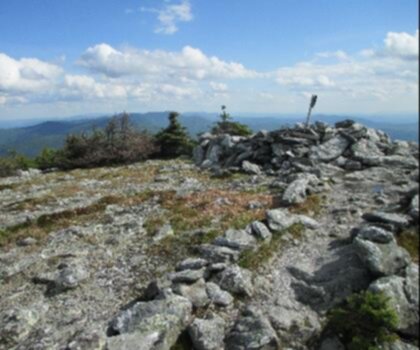
Mount Abraham, Vermont
Green Mountains
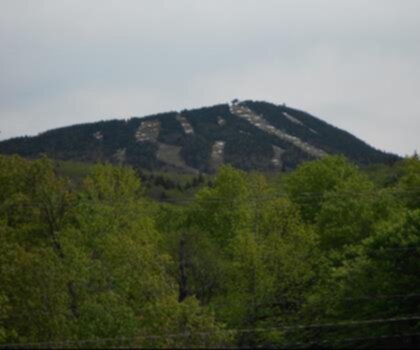
Snowdon Peak, Vermont
Green Mountains
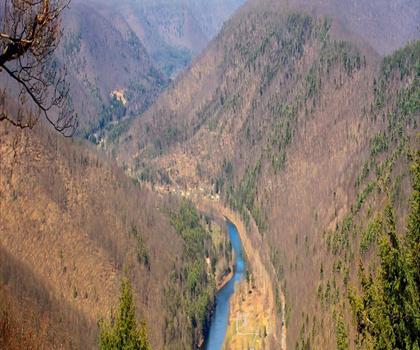
Slate Valley Trails
Green Mountains
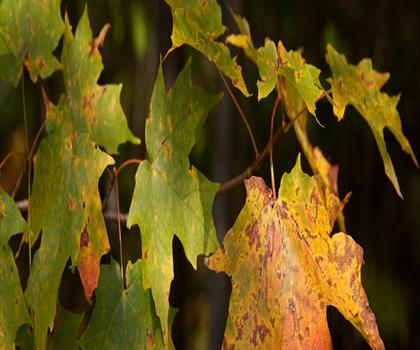
Deer Leap Trail
Green Mountains
Killington Peak
Green Mountains
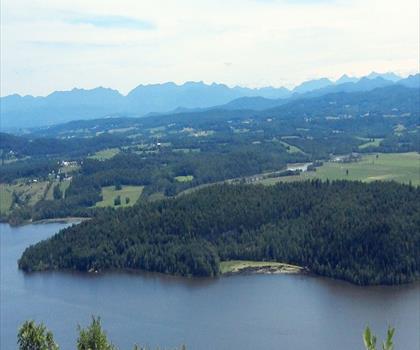
Mount Independence
Green Mountains
Hiking near Montpelier
0 trails to explore ~34 km away
We work hard to provide the most up-to-date and error-free data possible. If something seems incorrect, let us know! Your contribution helps the whole community.
Hikers' opinions
Be the first to review!
No hiker has shared their experience yet. Share your impressions and help other hikers!