
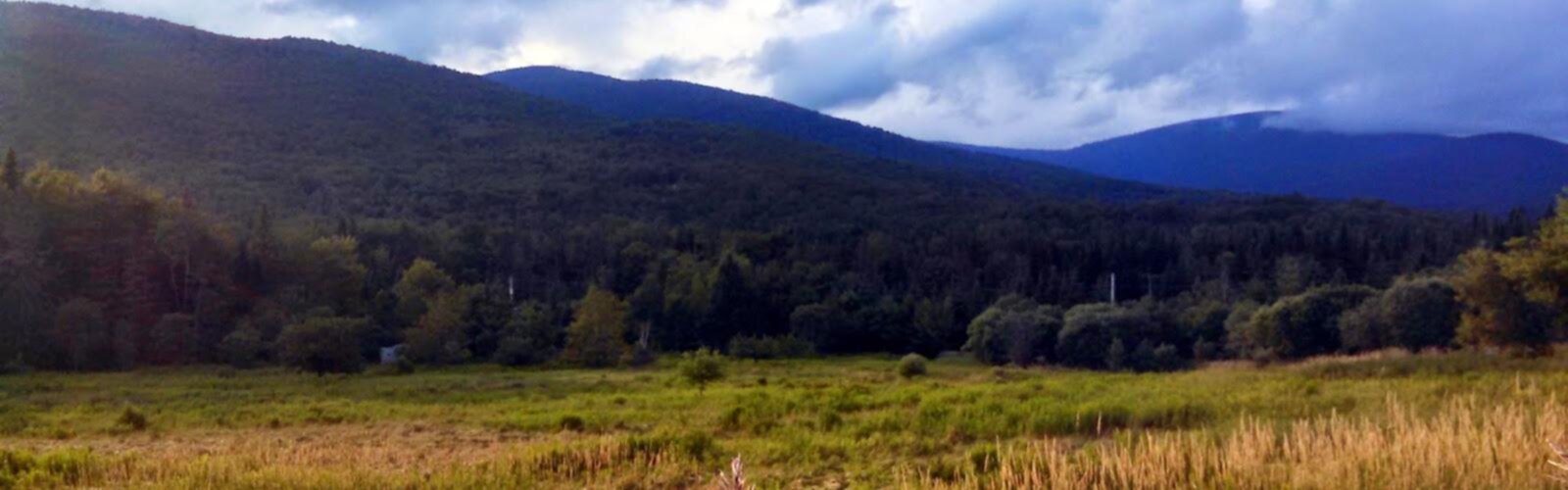

Ready to explore Signal Mountain, Vermont? Here's everything you need to know before you go!
Discover the trail
Oh no! We don't have any photos 😢
This trail hasn't been captured yet. Be the first to share your adventure!Trail description
Signal Mountain in Vermont's Northeast Kingdom is one of those off-the-beaten-path destinations that rewards hikers who seek out quieter trails and genuine wilderness character. Tucked away in a corner of Vermont that still feels genuinely remote, this mountain offers a classic Northeast Kingdom experience — dense boreal forest, rugged terrain, and the kind of solitude that's getting harder to find in New England.
The Northeast Kingdom Setting
The Northeast Kingdom — locally known simply as "the Kingdom" — is Vermont's northeastern corner, bordering both New Hampshire and Quebec. It's a region defined by working forests, glacially carved lakes, and small communities that haven't been polished for tourism. Signal Mountain fits right into that character. This isn't a destination with manicured trails and interpretive signs at every turn. It's the kind of place where you come prepared, pay attention to your surroundings, and earn the experience.
The landscape here reflects the broader ecology of the Kingdom: mixed hardwood and softwood forest, with spruce and fir becoming more dominant as you gain elevation. The understory can be dense, and the terrain tends to be rocky and rooted underfoot — typical of Vermont's glacially shaped hills and ridges.
What to Expect on the Trail
Signal Mountain delivers the kind of hiking that appeals to people who want something real. The trail network here isn't heavily trafficked, which means you're more likely to share the woods with a ruffed grouse or a white-tailed deer than with a crowd of other hikers. That low-impact, high-reward dynamic is a big part of what makes this spot worth the drive into the Kingdom.
The terrain is characteristically Vermont: uneven, rooted, and occasionally muddy depending on the season and recent weather. Solid footwear is a must — trail runners work for experienced hikers, but waterproof hiking boots are the smarter call for most people. Trekking poles are useful on steeper sections where the footing gets loose or slick.
As you move through the forest, the canopy shifts with elevation. Lower sections tend to feature northern hardwoods — yellow birch, sugar maple, American beech — while the upper slopes lean into the boreal mix of balsam fir and red spruce that defines so much of the Kingdom's high ground. In fall, the hardwood sections put on a serious show, and the Northeast Kingdom is widely considered one of the best foliage destinations in all of Vermont.
Views and Highlights
Signal Mountain's name suggests what hikers are after: a vantage point. Elevated terrain in the Northeast Kingdom tends to open up views across a landscape of forested ridges, wetlands, and the scattered lakes and ponds that dot the region. The Kingdom's low population density means the views from high ground here feel genuinely wild — no suburban sprawl creeping into the panorama, just trees and sky in every direction.
The journey through the forest is as much a part of the experience as any summit view. The Northeast Kingdom's forests are ecologically rich, and a slow, attentive hike on Signal Mountain can turn up a lot: woodpeckers working the snags, the occasional moose track in soft ground near wet areas, and in early summer, a variety of wildflowers along the trail edges.
Planning Your Visit
The Northeast Kingdom's remoteness is part of its appeal, but it also means you need to come prepared. Cell service in this part of Vermont can be unreliable, so downloading an offline map before you leave is a smart move. Let someone know your plans, carry more water than you think you'll need, and pack a layer — weather in the Kingdom can shift quickly, and temperatures at elevation are always a few degrees cooler than in the valleys.
Timing matters in Vermont's north country. Spring hiking here often means mud season, which typically runs from late March through May depending on the year. Trails can be soft and heavily rutted during this period, and hiking on wet, thawing ground causes real damage to trail surfaces. If you're visiting in spring, check conditions before heading out. Summer and fall are the prime windows — summer for the lush green forest and long days, fall for the foliage and the crisp air that makes hiking feel effortless.
Winter hiking on Signal Mountain is possible for those with the right gear and experience, but the Northeast Kingdom gets serious winter weather. Snowshoes or microspikes, navigation skills, and a conservative mindset are essential if you're heading out between December and March.
Getting There
Reaching Signal Mountain requires navigating the rural road network of the Northeast Kingdom, which is part of the adventure. Roads in this region can be unpaved and seasonally rough, so knowing your vehicle's capabilities matters. Check current road conditions if you're visiting during mud season or after significant rain. The Kingdom's lack of development means you won't find gas stations or convenience stores around every corner — fuel up and grab supplies before heading deep into the region.
Leave No Trace
The Northeast Kingdom's wild character is worth protecting. Signal Mountain sees lighter use than Vermont's more famous hiking destinations, and keeping it that way means every visitor doing their part. Stay on marked trails to protect the surrounding vegetation, pack out everything you bring in, and keep noise levels down — the wildlife here is one of the genuine draws, and a quiet approach increases your chances of meaningful encounters.
- Footwear: Waterproof hiking boots recommended; trail conditions can be wet and rooted
- Navigation: Download offline maps before arrival; cell service is unreliable in the Kingdom
- Timing: Summer and fall are the optimal seasons; avoid mud season (late March–May) if possible
- Wildlife: Moose, white-tailed deer, and a variety of bird species are common in the area
- Supplies: Stock up before entering the Northeast Kingdom — services are limited in the region
- Winter: Snowshoes or microspikes required in winter months; conditions can be serious
Signal Mountain is the kind of Vermont hiking experience that the Northeast Kingdom does better than almost anywhere else in New England — genuinely wild, genuinely quiet, and genuinely worth the effort to get there.
The Essential Hiking Checklist
Everything you need for your next hike. Bilingual, printable, 1 page.
Get your free hiking checklistRecommended gear for this trail
As an Amazon Associate I earn from qualifying purchases.


Ready to go?
Everything you need to know before you goStarting Point
To access the hiking trails, you can start at the trailhead located at the end of Camel's Hump Road in Duxbury, Vermont. There is a parking lot available for hikers. Another option is to begin at the trailhead on River Road in Huntington, Vermont, where parking is also provided.
When?
How much?
As an Amazon Associate I earn from qualifying purchases.
Affiliate links — LGPO may earn a commission at no extra cost to you.
- Hiking shoes Essential
- → Salomon Elixir Tour Mid WP · 203.38 $
- Layered clothing Essential
- Rain jacket Essential
- Trekking poles
- → Black Diamond Trail Ergo Cork · 69.99 $
- Headlamp
- → Petzl Actik Core 625 · 103.95 $
FAQ - Frequently asked questions
Everything you need to knowSimilar hikes nearby
Discover other trails you might enjoy
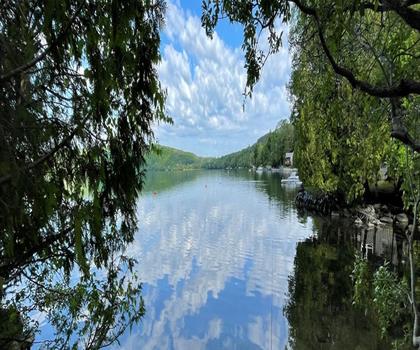
Echo Lake Trail
Northeast Kingdom
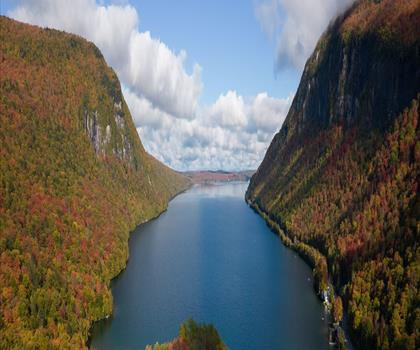
Lake Willoughby
Northeast Kingdom
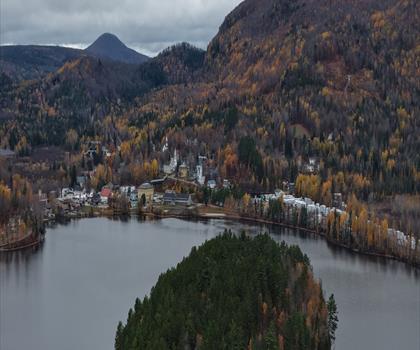
Bluff mountain hiking trail head
Northeast Kingdom
Owls Head Mt.
Northeast Kingdom
Willoughby State Forest
Northeast Kingdom
Groton State Forest
Northeast Kingdom
Hiking near Montpelier
0 trails to explore ~21 km away
We work hard to provide the most up-to-date and error-free data possible. If something seems incorrect, let us know! Your contribution helps the whole community.
Hikers' opinions
Be the first to review!
No hiker has shared their experience yet. Share your impressions and help other hikers!