
You know what I missed most during my first forest adventures? A good knife. I learned the hard way that adding edge to your forest outings with the right knife can transform an ordinary expedition into a memorable experience. Whether it's preparing kindling, cutting rope, or simply having peace of mind for unexpected situations, a knife quickly becomes your best ally. After hundreds of outings and some bad choices (including a knife that broke during bushcraft!), I'm going to share everything I wish I had known to choose the perfect knife for your adventures.
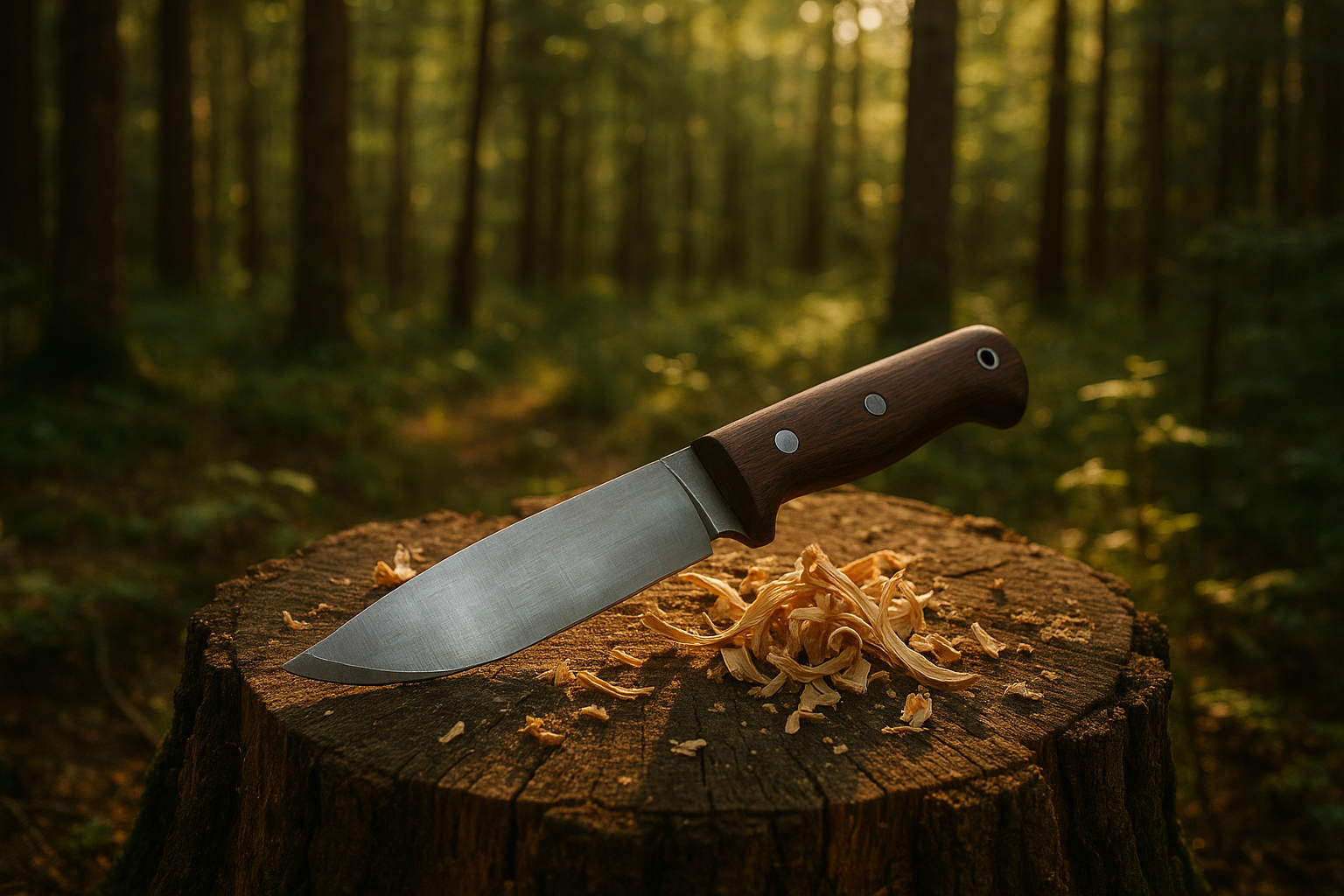
🔪 Why a good knife changes everything in the forest?
Let me tell you why I ended up understanding the importance of a quality knife. During a three-day trek in Charlevoix, my little Swiss knife gave up while trying to split wood. Result: no fire that evening!
A knife adapted to your outings allows you to:
- Prepare your kindling efficiently
- Cut ropes, straps and various materials
- Prepare your food safely
- Make improvised tools if necessary
- Have confidence facing unexpected situations
The difference between a cheap knife and a quality model? Reliability when you really need it. I've seen too many blades break, handles slip, or steel lose its edge after a few uses.
🏔️ The 4 types of knives for your adventures (and their real uses)
After testing tons of models in the field, here are the four categories that cover 99% of outdoor needs:
The folding knife: your versatile companion
Perfect for light hiking and day trips. Compact, lightweight, and sufficient for basic tasks. My favorite stays in my pocket during walks at Mont Yamaska.
Ideal for: cutting fruits and cheese, small repairs, cutting thin rope
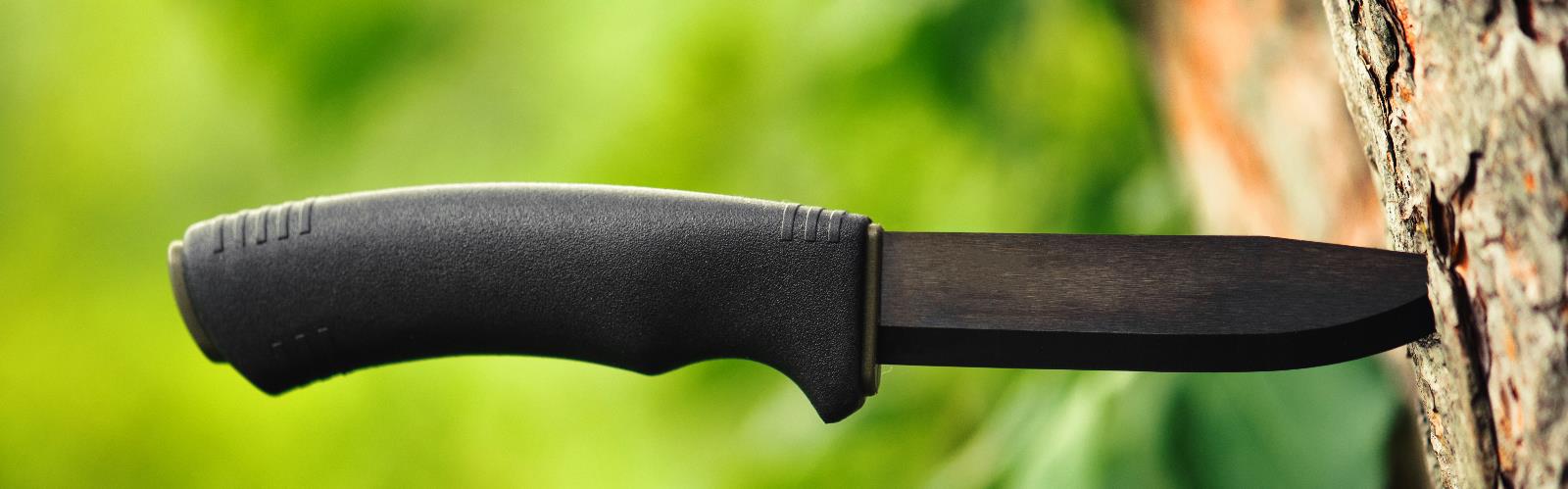
The bushcraft knife: the king of the forest
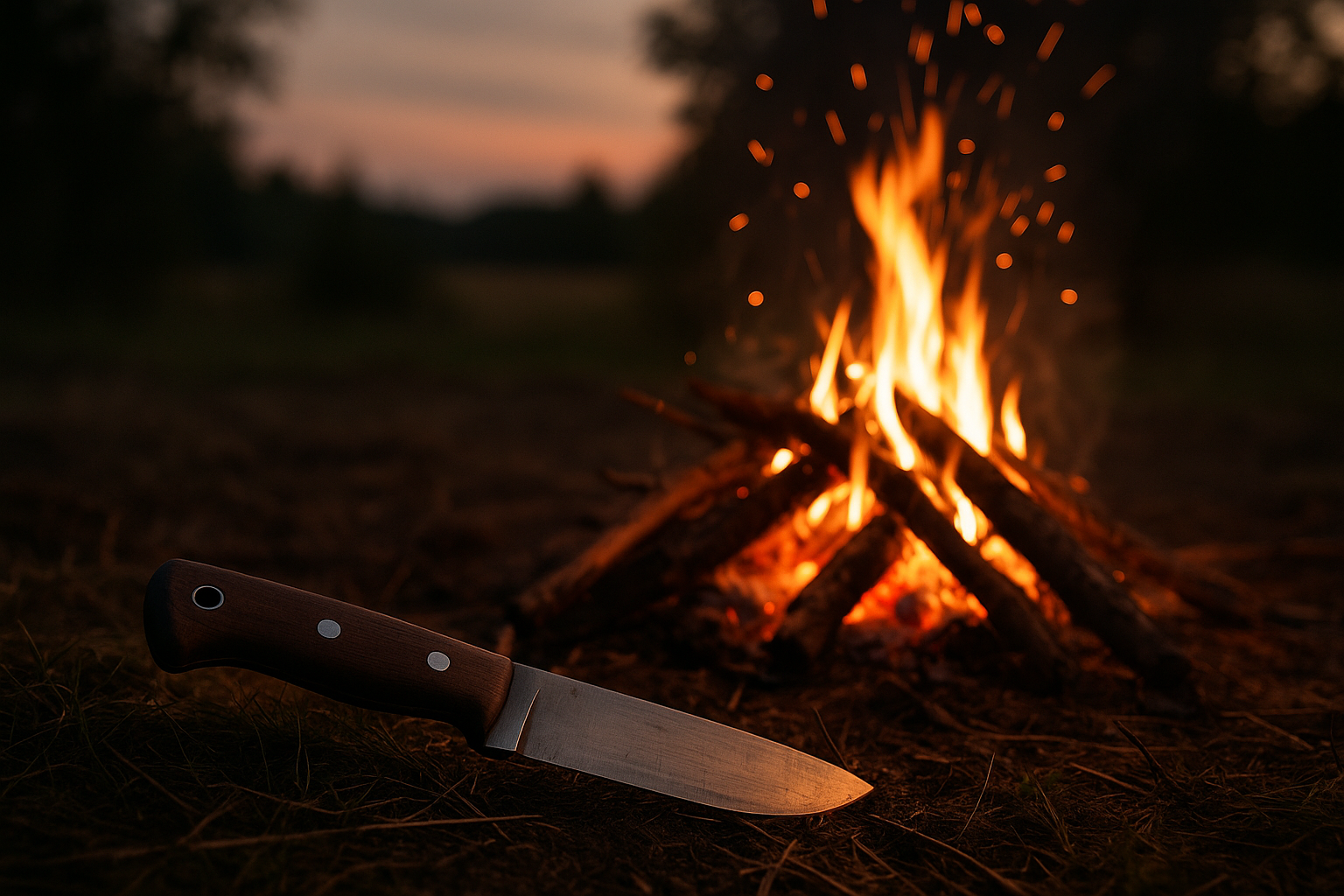
If you do wild camping or bushcraft, this is your number one tool. Robust fixed blade, ergonomic handle, designed to split, carve, and sculpt.
Ideal for: preparing kindling, making tools, woodworking, survival situations
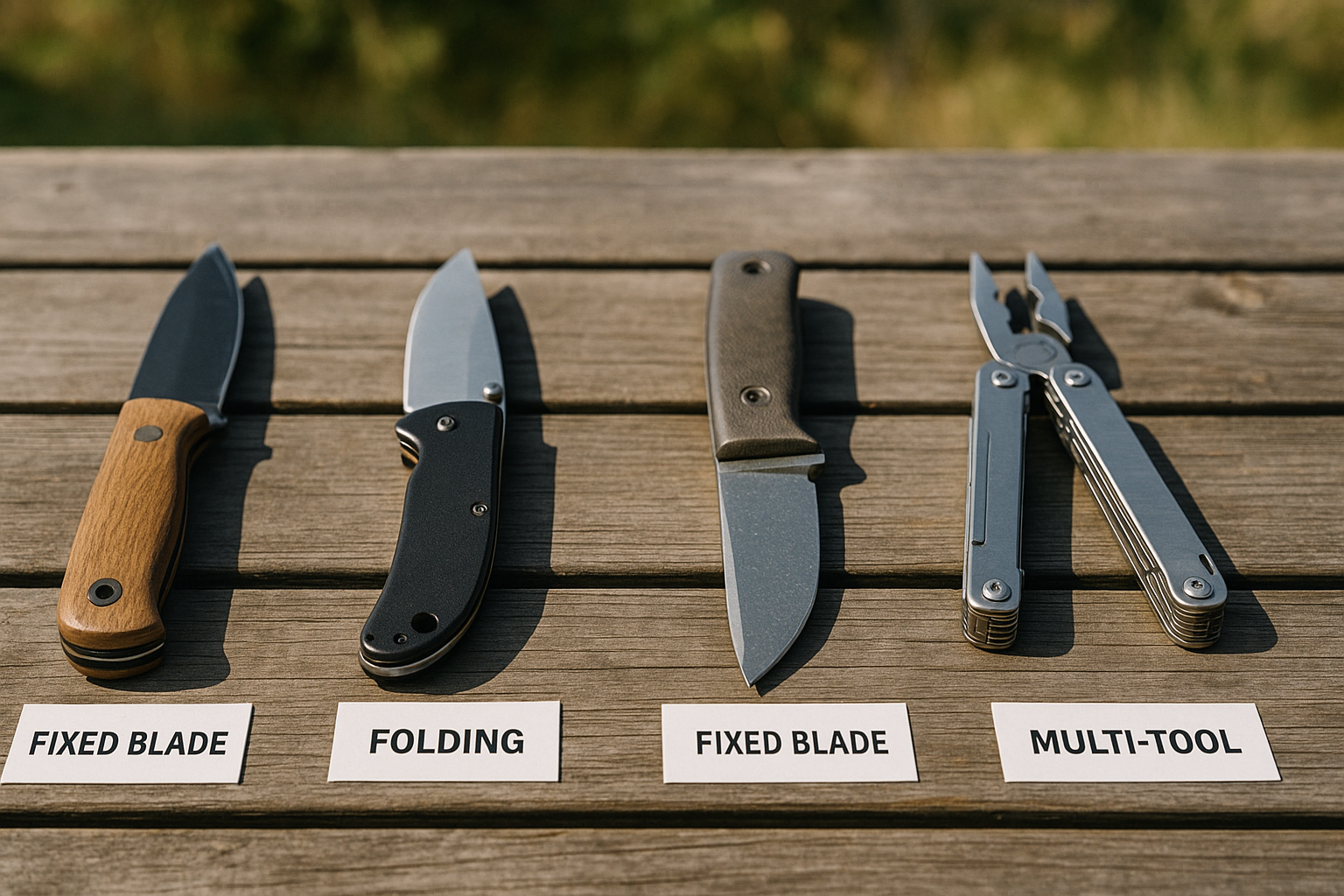
The outdoor kitchen knife: for gourmets
Do you like to eat well while camping? This type of knife transforms meal preparation. Fine and sharp blade, perfect for cutting meats and vegetables.
Ideal for: elaborate camp cooking, precise cutting, fish preparation
The multi-tool: the modern Swiss knife
For those who prefer having multiple functions in one tool. Less efficient than a dedicated knife, but practical for minimalists.
| Knife type | Average weight | Main use | Indicative price |
|---|---|---|---|
| Folding | 50-150g | Light hiking | $30-150 |
| Bushcraft | 150-300g | Camping/bushcraft | $80-300 |
| Outdoor kitchen | 80-200g | Meal preparation | $40-120 |
| Multi-tool | 150-250g | Versatility | $50-200 |
Get my gifts →
⚖️ How to choose the perfect size and weight for your outings?
The golden rule I've applied for years: the longer and more technical your outing, the heavier and bigger your knife can be. It seems obvious, but I've seen too many people leave with a huge survival knife for a 2-hour walk!
For day hiking
Prioritize lightness: 6-8 cm blade, weight under 100g. You don't need to split logs during a trip to Chutes Jean Larose! A good folding knife does the job perfectly.
For camping and bushcraft
There, you can afford more weight for more performance: 10-12 cm blade, weight of 200-300g. Robustness takes priority over weight when you need to prepare your wood for the evening.
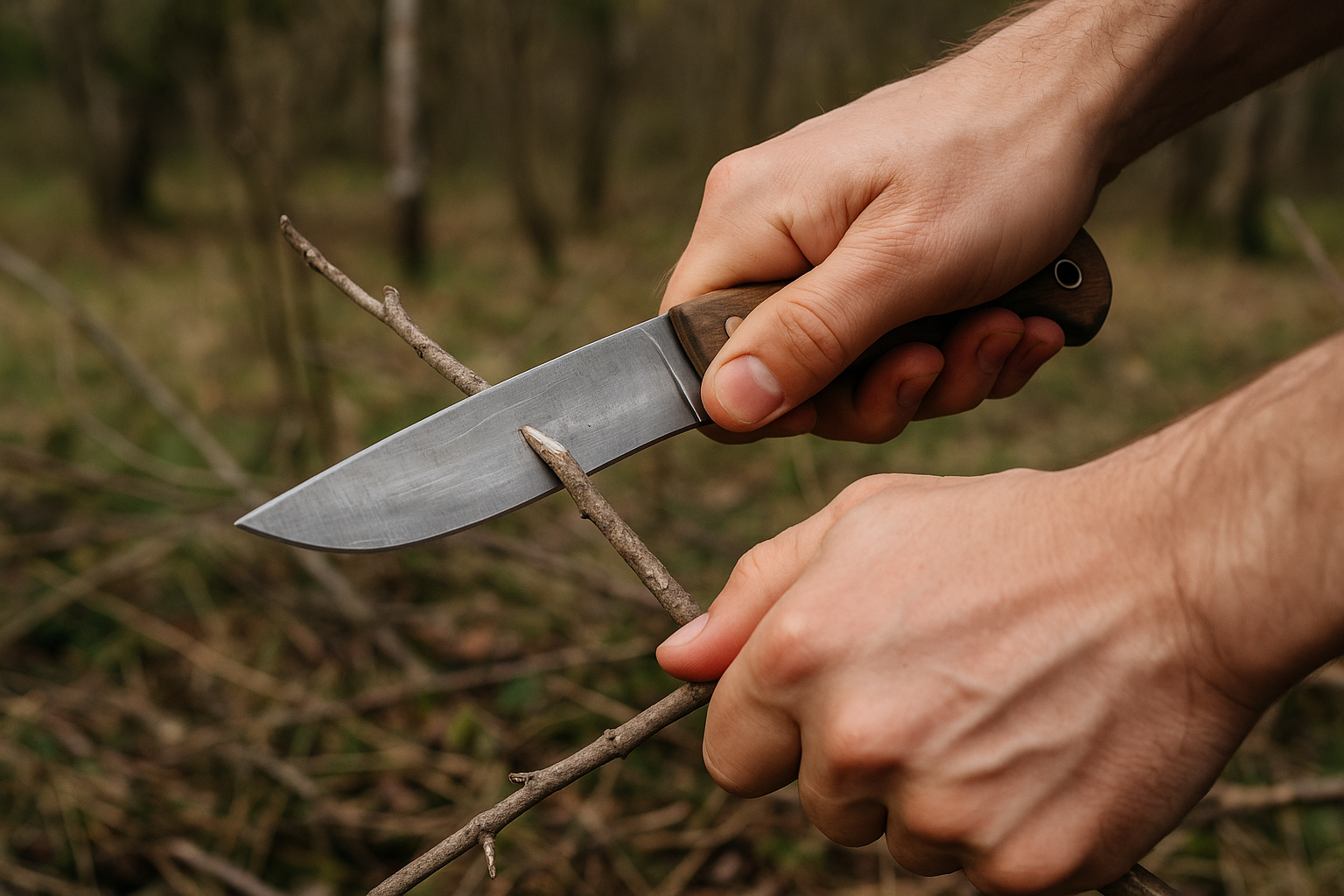
My personal trick: always bring a small backup knife. If your main knife has a problem, you're not caught off guard. That's saved me more than once!
🔧 Carbon steel vs stainless steel: the match of the century
Ah, the great debate! After using both for years, here's my verdict without beating around the bush:
Carbon steel: the purist's choice
Advantages:
- Stays sharper longer
- Easier to sharpen in the field
- Better resistance to shocks and twisting
- Generally cheaper for equal quality
Disadvantages:
- Rusts if poorly maintained
- Requires more attention
- Can stain acidic foods
Stainless steel: peace of mind
Advantages:
- No risk of rust
- Minimal maintenance
- Perfect for camp cooking
- Keeps its appearance
Disadvantages:
- Harder to sharpen
- Loses its edge faster
- Often more expensive
- Can be more fragile to impacts
"The best knife is the one you know how to use and maintain properly."
🏕️ The features that really make a difference in the field
Forget marketing and gadgets. Here are the details that really matter when you're in the forest:
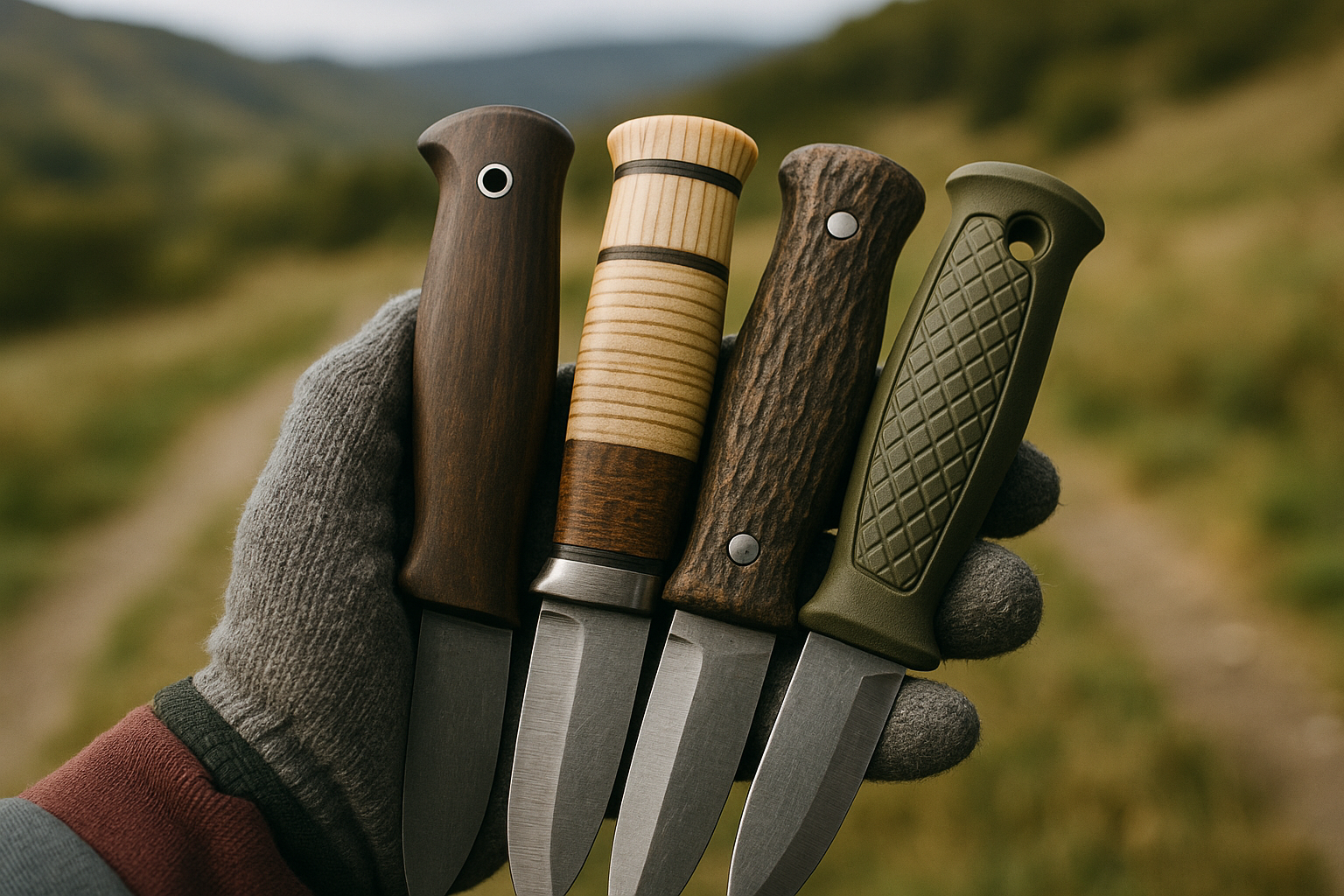
The handle: your crucial contact point
Tested and approved materials:
- Treated wood: classic, warm, good grip even when wet
- G10/Micarta: ultra-resistant synthetic, excellent grip
- Textured metal: indestructible but cold in winter
Absolutely avoid smooth plastic handles. I almost injured myself with a knife that slipped from my wet hands during a rainy outing at Mont Arthabaska.
Blade geometry: more important than you think
Thick blade (4-5 mm): perfect for splitting and heavy work, but less precise for cooking.
Thin blade (2-3 mm): excellent for cutting and slicing, but fragile for hard wood.
My favorite compromise? A 3-4 mm blade that does 80% of tasks correctly rather than a specialized one that excels in only one area.
The locking system (for folders)
I've tested all systems. The liner lock remains my favorite: simple, reliable, easy to use even with gloves. The back lock is more secure but slower to handle.
💰 Realistic budget: how much to invest for a knife that lasts?
Let's be real: you don't need to break the bank to have an excellent knife. Here are my budget recommendations after testing dozens of models:
| Budget | Expected quality | Lifespan | Recommended use |
|---|---|---|---|
| $30-60 | Decent | 2-5 years | Occasional outings |
| $60-120 | Good | 5-15 years | Regular use |
| $120-250 | Excellent | 15+ years | Intensive use |
| $250+ | Premium | Lifetime | Professional/enthusiast |
My advice: start in the $60-120 range. It's the sweet spot where you get real quality without going broke. Once you know your precise needs, you can invest in high-end if necessary.
Traps to avoid
The too-cheap knife: I bought a $15 knife that broke after three outings. Guaranteed false economy!
The too-expensive knife for beginners: no point getting a $300 knife if you don't yet know what type of use you'll have for it.
Marketing "survival knives": these big black knives with a thousand integrated gadgets are often poor quality despite their high price.
🔧 Maintenance that extends your knife's life (my field tips)
A good knife properly maintained can last decades. Here's my maintenance routine, forged by experience:
After each outing
- Clean the blade with a damp cloth
- Dry completely before storing
- Oil lightly if carbon steel
- Check the mechanism on folders
Monthly maintenance
Sharpening: I use a 400/1000 grit stone. Fifteen minutes is enough to restore perfect sharpness.
Disassembly: for folders, annual disassembly allows cleaning mechanisms and changing lubricants.
Long-term storage
For winter or off-season breaks:
- Clean and oil generously
- Store in a dry place
- Avoid leather sheaths that retain moisture
- Check every 3 months
🎯 My concrete recommendations according to your type of adventures
Let's stop the generalities. Here are my precise suggestions based on my years of experience:
You're starting in hiking?
Start simple: a folding knife with 8 cm stainless blade. Non-slip handle, reliable locking, $50-80 budget. Perfect for your first outings at Mont Saint-Bruno.
You camp regularly?
Invest in a fixed-blade bushcraft knife. Carbon steel, 10-12 cm blade, wood or G10 handle. $100-150 budget. It will follow you for years.
You go on long expeditions?
Two knives: a robust bushcraft + a small backup folder. Redundancy = safety when you're far from civilization.
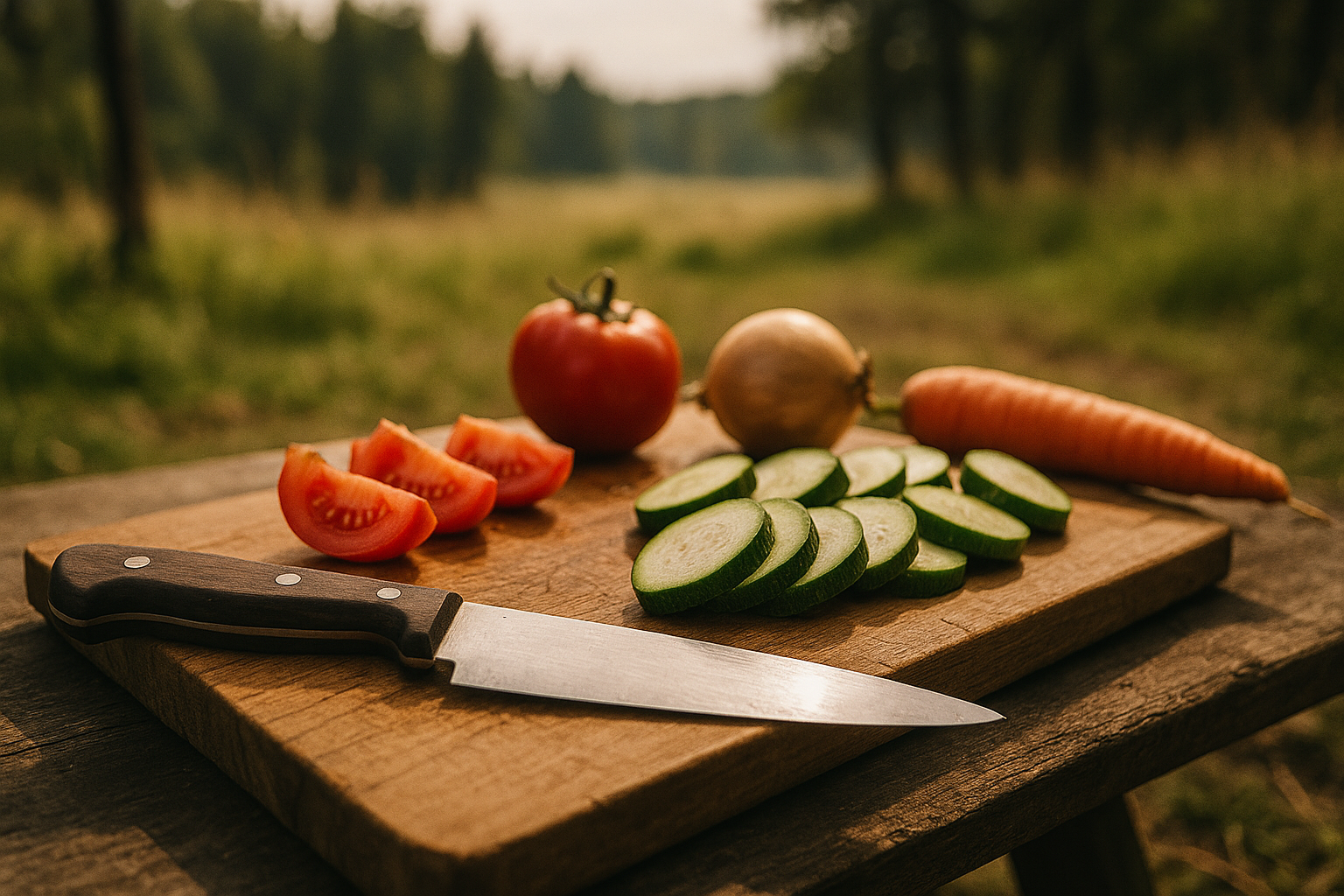
You like cooking while camping?
An outdoor kitchen knife with fine and sharp blade. Stainless steel recommended to avoid transferring metallic tastes to your food.
⚖️ Legality and transport: what you need to know in Quebec
Important question I'm often asked: am I allowed to transport my knife?
In Quebec and Canada, it's legal to possess and transport a knife for legitimate utilitarian purposes. Here are the practical rules:
While hiking and camping
- Allowed: all types of knives for outdoor use
- Recommended: keep your knife in your bag, not on you
- Avoid: knives with aggressive or military appearance
During transport
- Car: no problem if in your luggage
- Plane: mandatory in hold, never in cabin
- Public transport: keep it stored and discreet
My approach: common sense and discretion. A knife in a hiking bag never poses a problem. A knife on your belt in town can attract unnecessary attention.
🌲 Conclusion: your knife, your adventure companion
There you have it, you now have all the keys to choose the perfect knife that will add edge to your forest outings. Let's recap the essential points:
- Define your main use before any purchase (hiking, camping, bushcraft)
- Prioritize quality over quantity — one good knife is better than three mediocre ones
- Start simple with a $60-120 budget to learn your real needs
- Regular maintenance will multiply your equipment's lifespan
- Test before buying — the grip is crucial
My last advice? Start with one knife, then go out and use it! The best knife in the world is useless if it stays in your drawer. Whether for a peaceful walk at Canyon Sainte-Anne or a bushcraft expedition, your knife will quickly become an indispensable companion.
Quebec's nature awaits you with its challenges and wonders. With the right knife at your side, you'll be ready to live unforgettable adventures and develop that deep connection with the forest that only true enthusiasts know.
So, ready to add edge to your next outings? The forest is waiting for you!
Newsletter
Content that makes you want to go outside
Every week, a trail idea, a reflection on nature, or a tip worth the detour. Zero spam. Only the essentials.
Joined by 12,000+ outdoor enthusiasts
Read next