
How to Choose the Perfect Pair of Hiking Shoes for Your Outdoor Adventures
You know what can turn a beautiful hike into a nightmare? A bad pair of shoes. I still remember my first ascent of Mont Yamaska with worn-out running shoes. Guaranteed blisters and soaked feet after the first puddle! After 15 years of covering hundreds of trails, I can tell you that learning how to choose the perfect pair of hiking shoes is probably the most important investment you can make for your comfort and safety outdoors. Whether you're planning your first outing or looking to upgrade your gear, this guide will help you demystify the sometimes complex world of outdoor footwear and find the pair that will faithfully follow you on all your trails.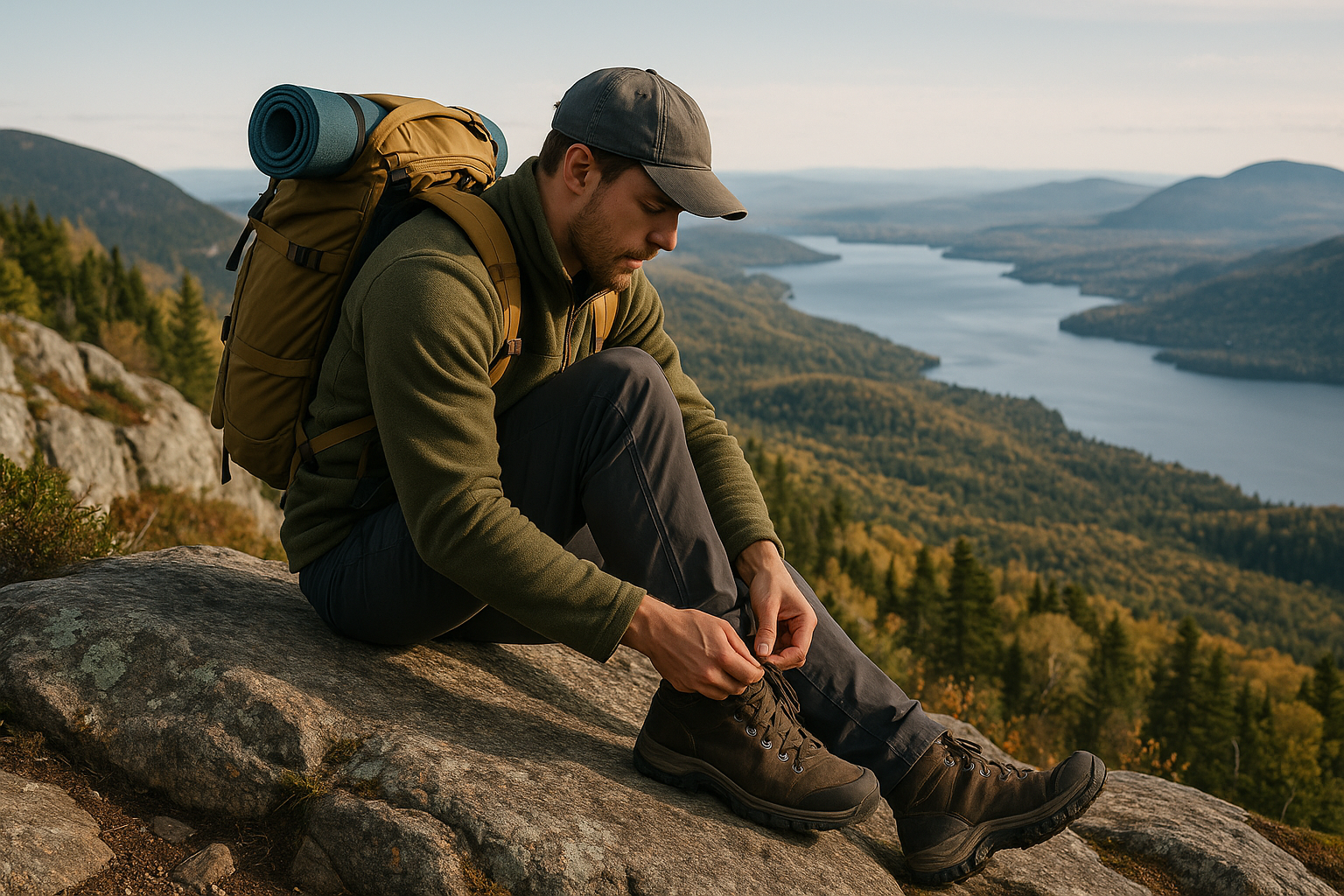
🥾 What are the different types of outdoor shoes?
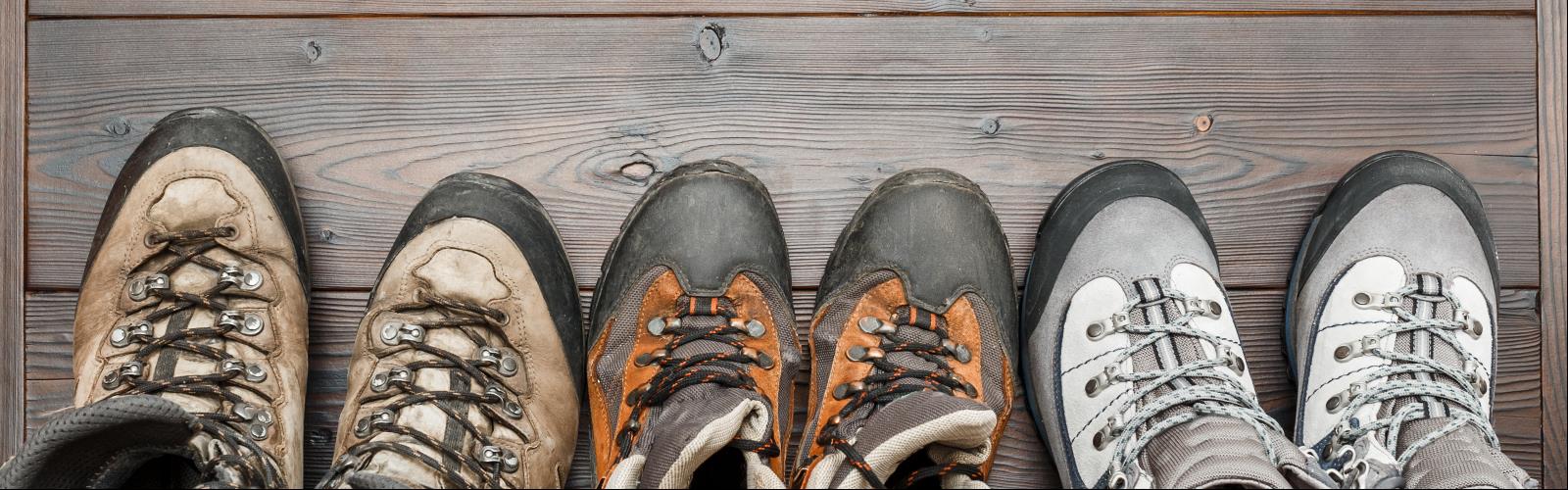
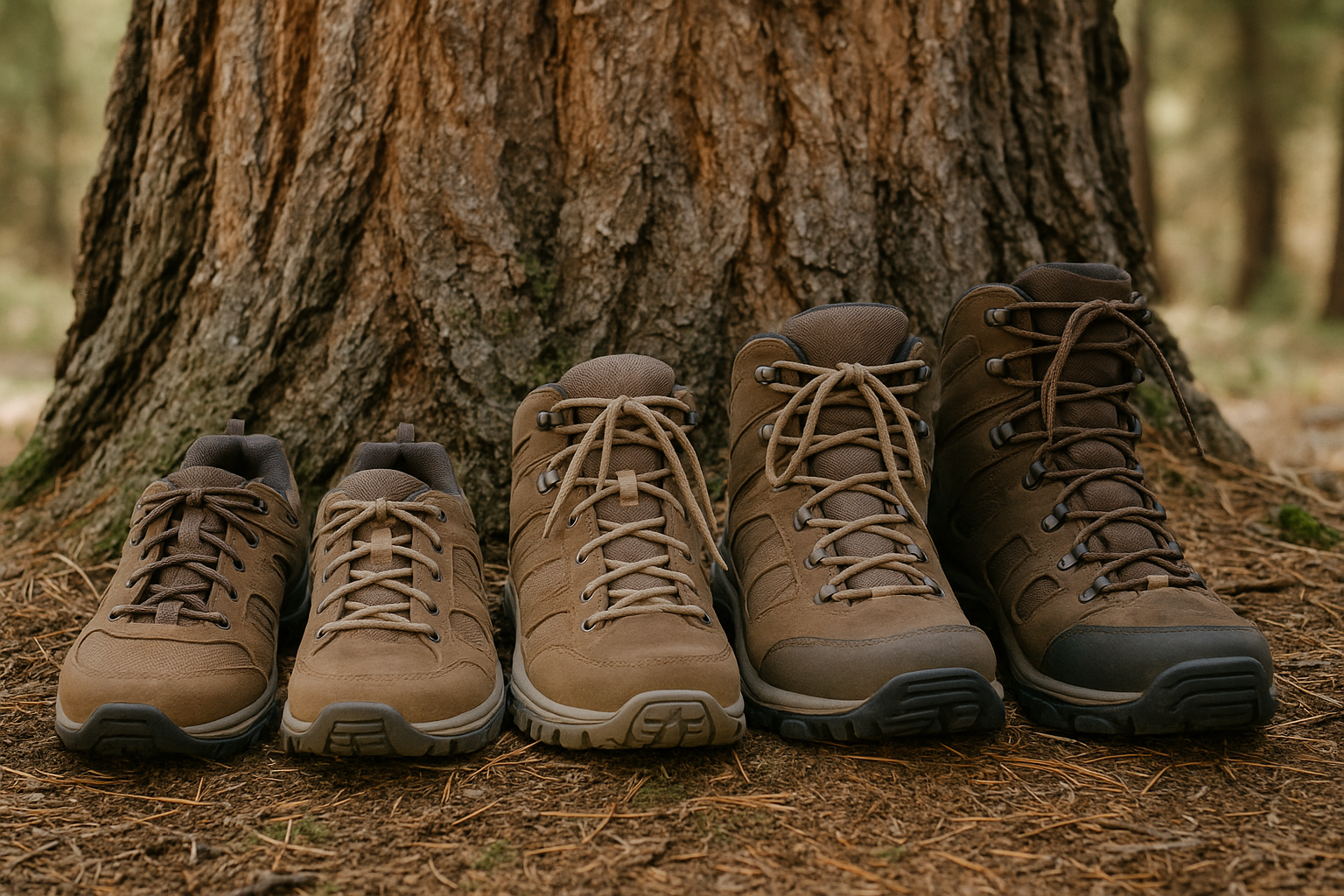
Before talking about how to choose the perfect pair of hiking shoes, we first need to understand what's available on the market. Each type of shoe has been designed for specific activities and terrains.Low hiking shoes
These shoes look like reinforced sneakers and are perfect for well-maintained trails like those at Parc National du Mont Saint-Bruno. Lightweight and breathable, they offer good freedom of movement for the ankles.Mid-height hiking boots
My personal choice for the majority of my outings! They offer the perfect compromise between protection and mobility. The ankle support makes all the difference on rocky terrain.High hiking boots
These mastodons are designed for serious expeditions and difficult terrain. If you're planning to explore the Hautes-Gorges de la Rivière Malbaie with a big pack, this is what you should turn to.
💡 Pro tip — To start, begin with mid-height shoes. They cover 80% of needs and you can always specialize your equipment later according to your preferences.
| Type | Height | Average weight | Ideal terrain |
|---|---|---|---|
| Low | Below ankle | 300-450g | Maintained trails |
| Mid-height | Above ankle | 450-650g | Mixed terrain |
| High | Mid-calf | 650g+ | Expeditions, heavy packs |
🏔️ How to evaluate your terrain type and activity?
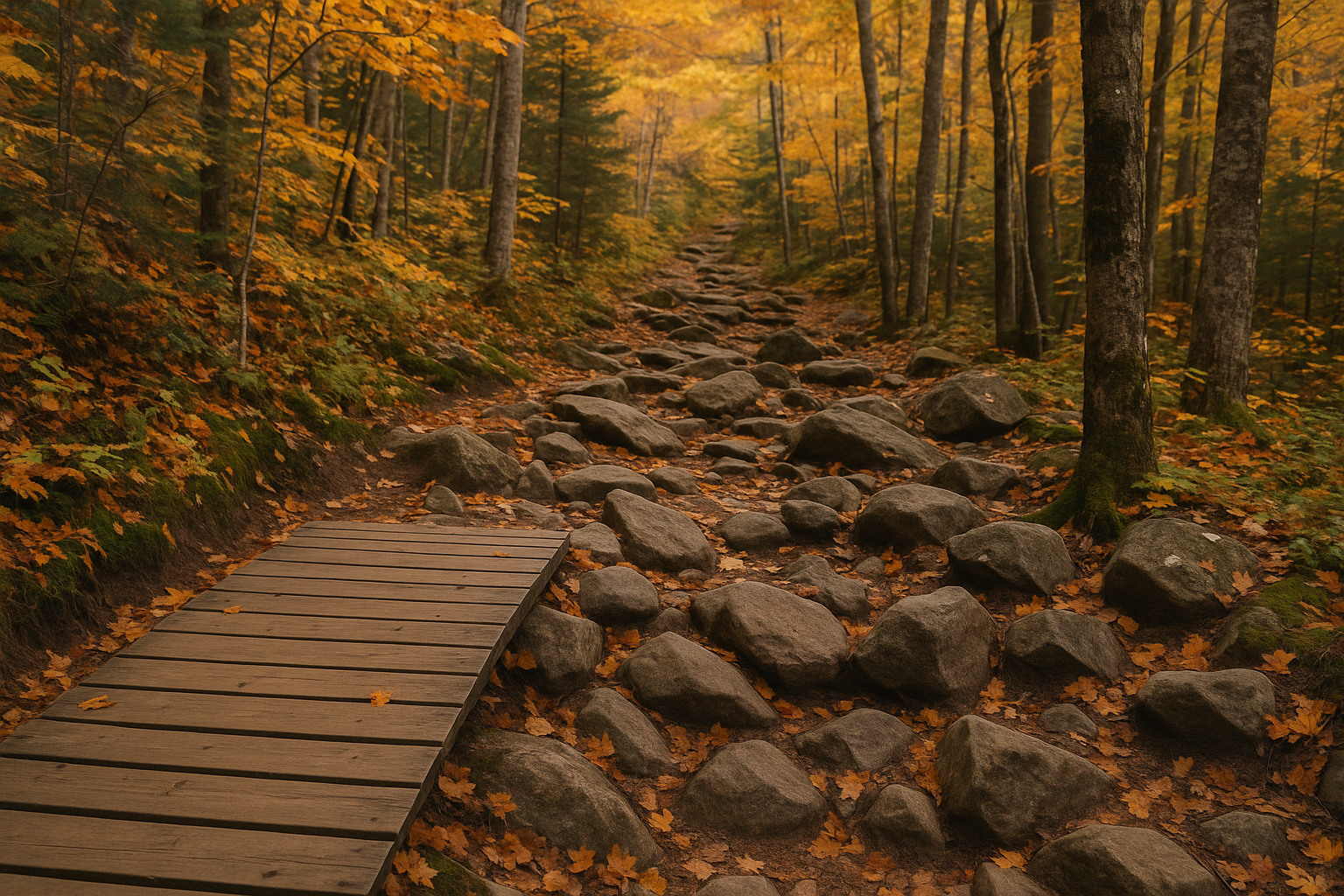
Choosing the perfect pair of hiking shoes starts with honest reflection on your habits and projects. Too often, I see people buying mountaineering boots to do Parc du Mont-Royal on Sunday morning!Analyze your usual outings
Take a few minutes to think about your recent adventures or those you're planning:Evaluate the terrain you frequent
Terrain greatly dictates your shoe choice. Here's how I categorize the different types: Easy terrain: Wide and well-maintained trails, moderate elevation gain, stable surface. Perfect for beginners like at Parc Michel Chartrand. Intermediate terrain: Narrow trails, occasional roots and rocks, more marked elevation gain, possible stream crossings. Difficult terrain: Off-trail, scree, steep slopes, variable weather conditions, heavy packs for camping.
📌 Good to know — If you're starting out, choose shoes adapted to easy to intermediate terrain. You can always evolve towards more technical equipment once you've developed your preferences.
"The best hiking shoe is the one you forget you're wearing after the first hour of walking."
👟 What are the essential technical characteristics?
Now that we've covered the basics, let's dive into the technical aspects that really make the difference. Understanding these elements will help you choose the perfect pair of hiking shoes according to your specific needs.The sole: your contact with the terrain
The sole is literally what separates you from the ground. I learned the hard way the importance of a good sole during a slippery descent at Mont du Lac des Cygnes! Sole material: Most use Vibram rubber, recognized for its durability and grip. Some brands develop their own compounds, but Vibram remains the reference. Lug depth: The deeper they are, the better the grip on soft terrain (mud, dirt, snow). For rocks, shorter and denser lugs work better. Sole rigidity: A rigid sole better protects from sharp rocks and supports the weight of a heavy pack. A flexible sole offers more comfort over long distances.Waterproofing: membrane or no membrane?
Ah, the great debate! After years of testing, here's my nuanced verdict: With membrane (Gore-Tex, eVent, etc.):
💡 Pro tip — In Quebec, with our humid summers and rainy autumns, I generally recommend a waterproof membrane. You can always manage heat with good socks, but you can't prevent water from entering non-waterproof shoes.
Support and cushioning
Arch support: Essential if you have flat feet or pronation problems. Many shoes now offer removable insoles to customize support. Heel and forefoot cushioning: Important for long distances and descents. Technologies vary by brand, but the goal remains the same: reduce impact on your joints. Heel counter: This rigid piece at the back keeps your foot in place and prevents blisters. A good heel counter shouldn't move when you pinch the shoe.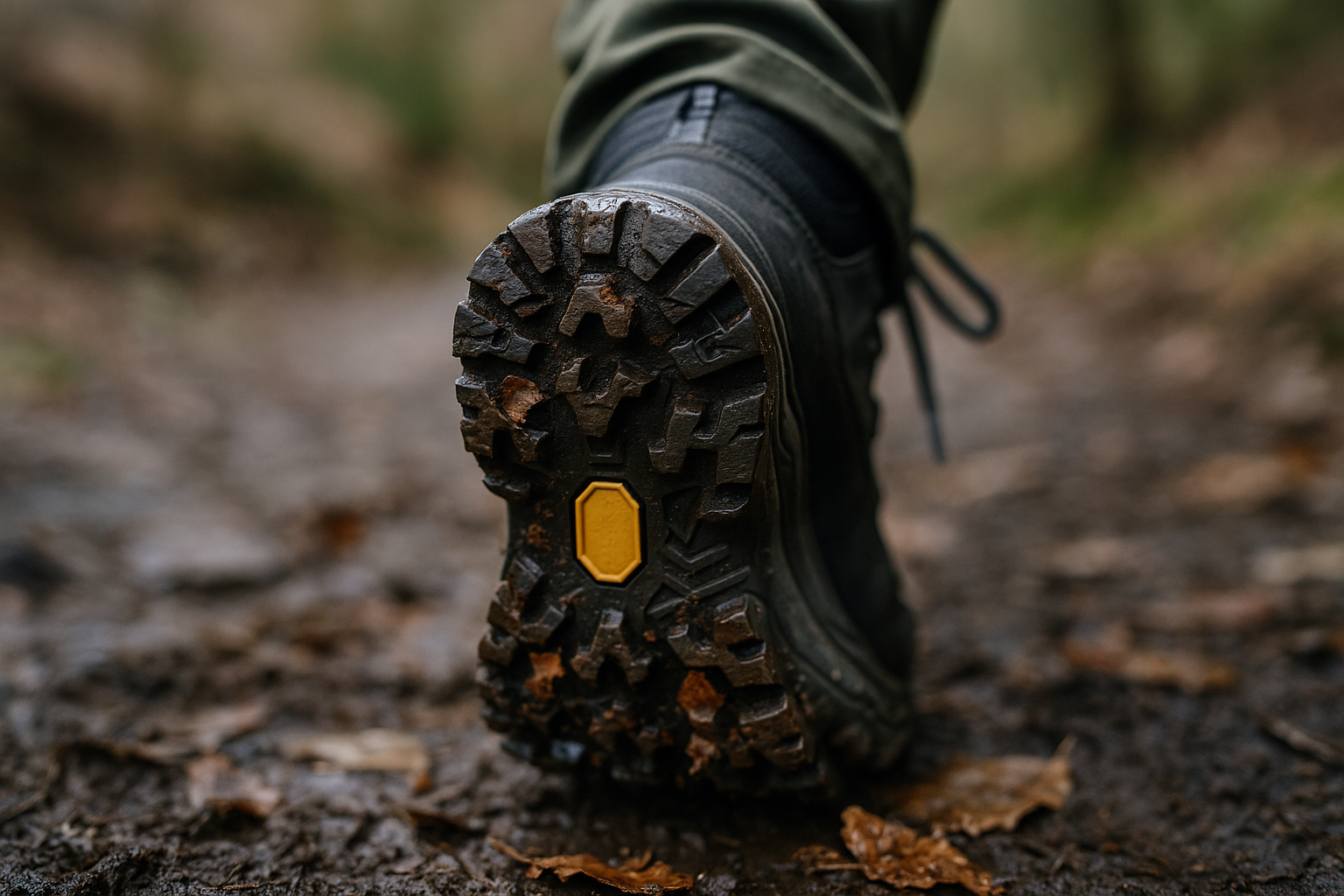
📏 How to properly fit and try your future shoes?
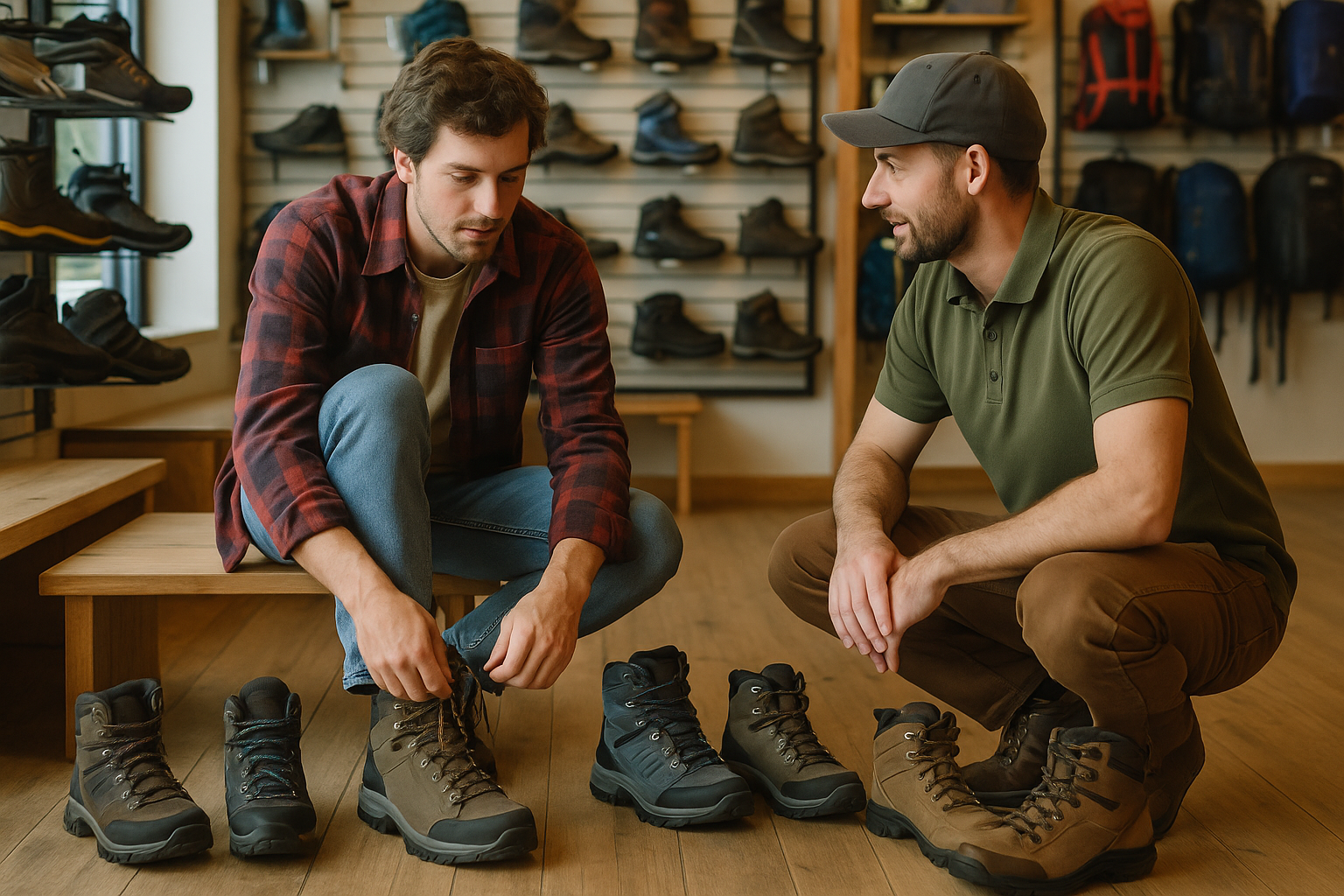
Here's probably the most crucial step to choose the perfect pair of hiking shoes. I've seen too many hikers suffer simply because they hadn't taken the time to properly fit their shoes. A good shoe poorly fitted can ruin your outing as surely as a bad shoe.The ideal time to try
Late afternoon: Your feet naturally swell during the day, just as they will while hiking. Trying your shoes in the morning can give you a false impression. With your hiking socks: Never try with dress socks! Bring your usual hiking socks or ask the store if they have any to lend.
⚠️ Warning — Never buy hiking shoes online without trying them, especially if it's your first pair. Each brand has its own shape (last) and what works for your friend won't necessarily work for you.
Essential fitting tests
Toe test: Standing, shoes laced, you should have about a thumb's width between your longest toe and the front of the shoe. Your toes shouldn't touch anywhere. Descent test: Find a slope in the store or use the test ramp. Your toes shouldn't slide forward and hit the front of the shoe. Width test: The shoe shouldn't squeeze on the sides. If you feel pressure, try a wider size (wide) or another brand. Heel test: Your heel shouldn't move vertically when you walk. A little horizontal slippage is normal, but no vertical back-and-forth.The break-in process
Even the perfect shoe requires break-in. Here's my proven method: 1. Week 1: Wear at home, 30-60 minutes per day 2. Week 2: Short urban walks, 1-2 hours 3. Week 3: First short hike on easy terrain 4. Week 4+: Progressive increase in distance and difficulty| Fitting problem | Symptom | Solution |
|---|---|---|
| Too small | Toes touching, black nails | Larger size |
| Too big | Foot sliding, heel blisters | Smaller size or different lacing |
| Too narrow | Side pressure, numbness | Wide width or other brand |
| Too wide | Unstable foot, lateral blisters | Regular width or thicker socks |
📥 Download our free gifts — The complete list of all essential hiking equipment, including detailed criteria for choosing your shoes according to your level and activities.
Get my gifts →
Get my gifts →
💰 What budget to plan and which brands to consider?
Let's talk money! This is often the question that comes up: how much does it really cost to choose the perfect pair of hiking shoes? After testing dozens of models over the years, I can give you concrete benchmarks.Realistic price ranges
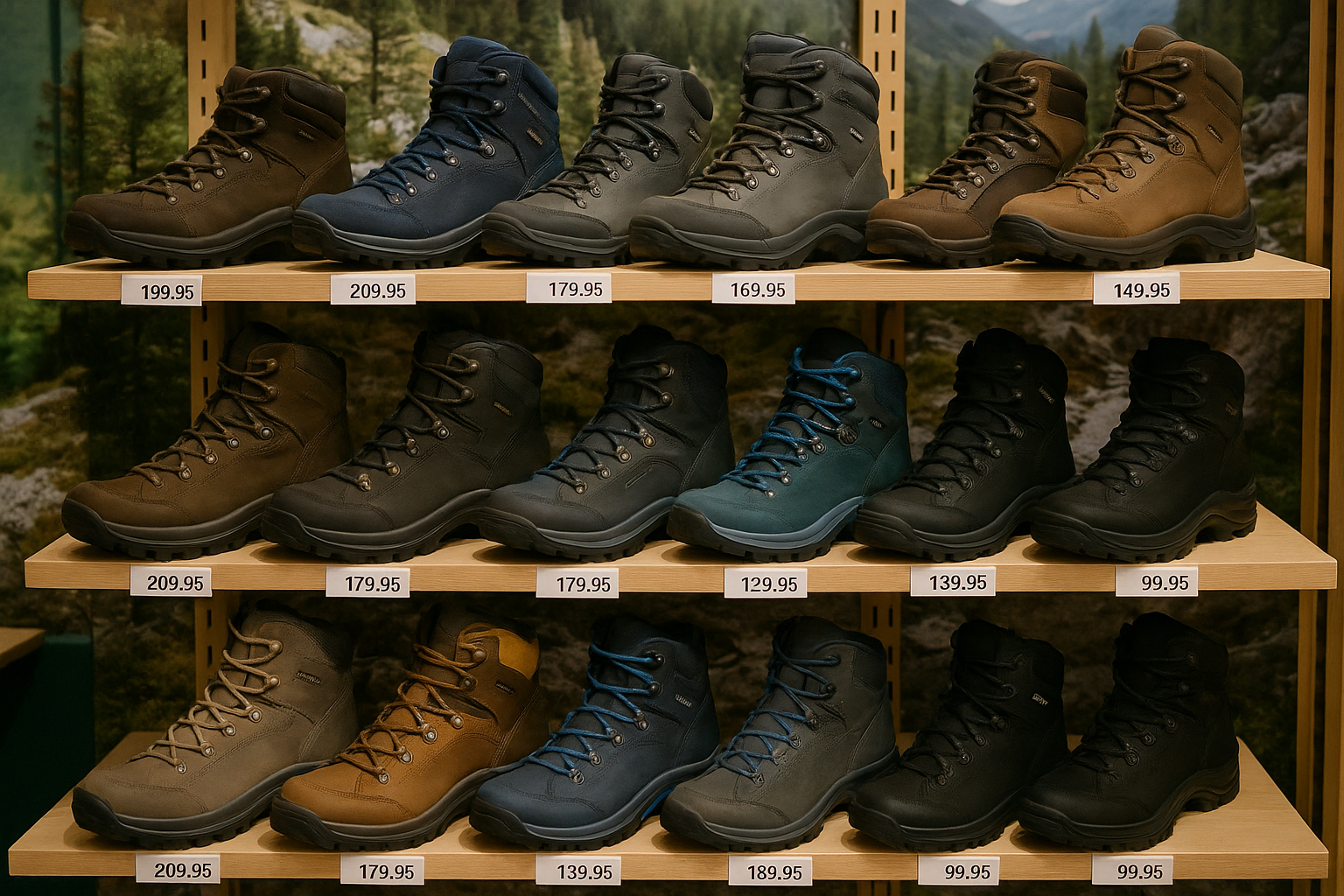
Entry level ($100-180): Perfect for starting out and testing your preferences. These shoes do the job for occasional hikes on easy terrain. Brands to consider: Columbia, Merrell (basic models), Keen (entry level). Mid-range ($180-300): The sweet spot in my opinion! You get quality materials, solid construction and proven technologies. It's in this range that I found my favorite shoes for exploring places like Canyon Sainte-Anne. High-end ($300-500+): For enthusiasts who go out every weekend and want the ultimate. Premium materials, advanced technologies, exceptional durability.Brands that have proven themselves
Salomon: Excellent for technical terrain, rather narrow fit, innovative technologies. My personal choice for years. Merrell: Immediate comfort, good value for money, generous fit. Perfect if you have wide feet. Keen: Robust, toe protection, durable. A bit heavy but indestructible. Lowa: German quality, excellent support, legendary durability. More expensive but worth the investment. Vasque: American specialized brand, excellent for hard-to-fit feet.
📌 Good to know — Don't fixate on one brand. Each manufacturer has its own foot shape (last). Some people swear by Salomon, others can only wear Merrell. The important thing is what works with YOUR feet.
When to invest more or less?
Invest more if:"A pair of shoes at $200 that lasts you 5 years costs less than a pair at $100 that you have to replace every 2 years."
🌦️ How to adapt your choice according to Quebec seasons?
In Quebec, our four distinct seasons pose a unique challenge when it comes to choosing the perfect pair of hiking shoes. Impossible to ignore this reality if you want to enjoy our magnificent trails year-round!Spring: the season of challenges
Quebec spring is an explosive mix of melting snow, mud, swollen streams and variable temperature. I've had my worst experiences of soaked feet during this season! Spring priorities:Summer: comfort and breathability
Our summers can be surprisingly hot and humid. The challenge then becomes keeping feet dry... from the inside! Important summer characteristics:
💡 Pro tip — In summer, invest in excellent socks rather than ultra-technical shoes. Merino socks that wick moisture will transform your comfort more than any shoe technology.
Autumn: the magical but treacherous season
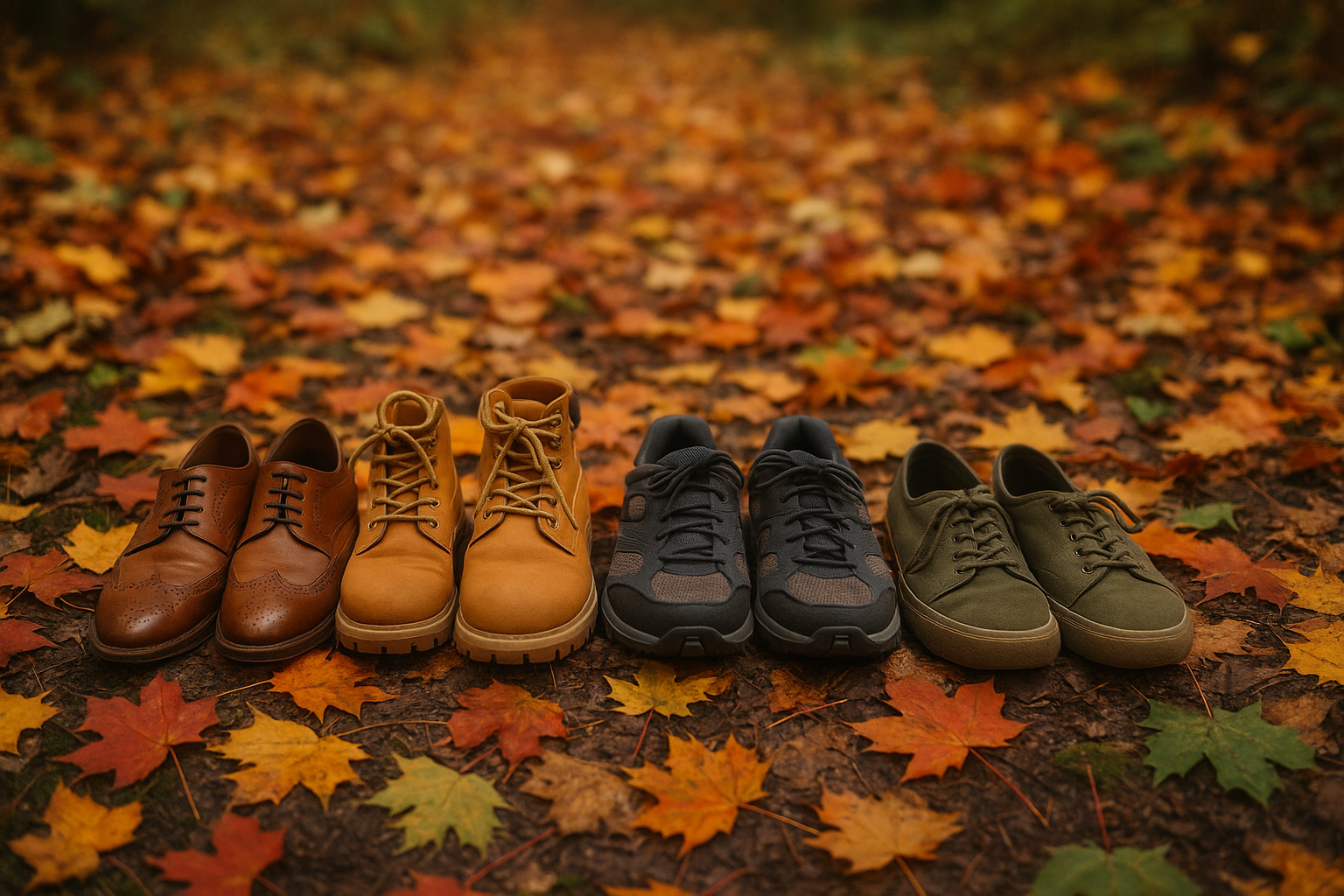
Quebec autumn is beautiful but presents its own challenges: slippery wet leaves, variable temperatures, first morning frosts. Autumn adaptations:Winter: a world apart
Winter completely changes the game. Your summer hiking shoes will no longer suffice for snowshoeing outings or serious winter hiking. Winter options:| Season | Priority #1 | Priority #2 | Recommended type |
|---|---|---|---|
| Spring | Waterproofing | Grip | Mid-height with membrane |
| Summer | Breathability | Comfort | Low mesh or mid-height |
| Autumn | Grip | Versatility | Waterproof mid-height |
| Winter | Insulation | Waterproofing | Specialized winter boots |
🔧 How to maintain your shoes so they last?
Once you've found the perfect pair of hiking shoes, you need to take care of them! I've seen too many good shoes die prematurely from neglect. With proper maintenance, a quality pair can easily follow you for 5-7 years and thousands of kilometers.Maintenance after each outing
Immediate cleaning: Remove mud and debris as soon as you return. Dried mud becomes abrasive and prematurely wears materials. A simple rinse with cold water is usually enough. Proper drying: Remove insoles and completely loosen laces. Stuff shoes with newspaper to absorb moisture. Never near a direct heat source - it deforms materials! Aeration: Let your shoes breathe at least 24h between two intense outings. Residual moisture promotes bacteria and odors.
⚠️ Warning — Never put your shoes in the dryer or near a heater. Intense heat can unstick soles, shrink materials and irreversibly damage waterproof membranes.
Periodic deep maintenance
Waterproofing (every 3-6 months): Even shoes with Gore-Tex membrane benefit from external treatment. Use a specialized product like Nikwax or Grangers. Apply on clean and slightly damp shoes. Sole inspection: Check lug wear. When they're 50% worn, it's time to think about replacement. Overly worn soles become dangerous on slippery terrain. Seam verification: Regularly examine stress points: sole-upper junction, lace eyelets, flex zones. Better to detect a problem early!Storage between seasons
Complete cleaning: Before storing your shoes for several months, clean them thoroughly and let them dry completely. Dry environment: Avoid humid basements or unheated garages. Moisture can cause mold on materials. Preserved shape: Use shoe trees or stuff them with paper to maintain their shape during prolonged storage.
📌 Good to know — If you hike regularly, consider having two pairs of shoes in rotation. This allows complete drying between outings and significantly extends the life of each pair.
When to replace your shoes?
Obvious replacement signs: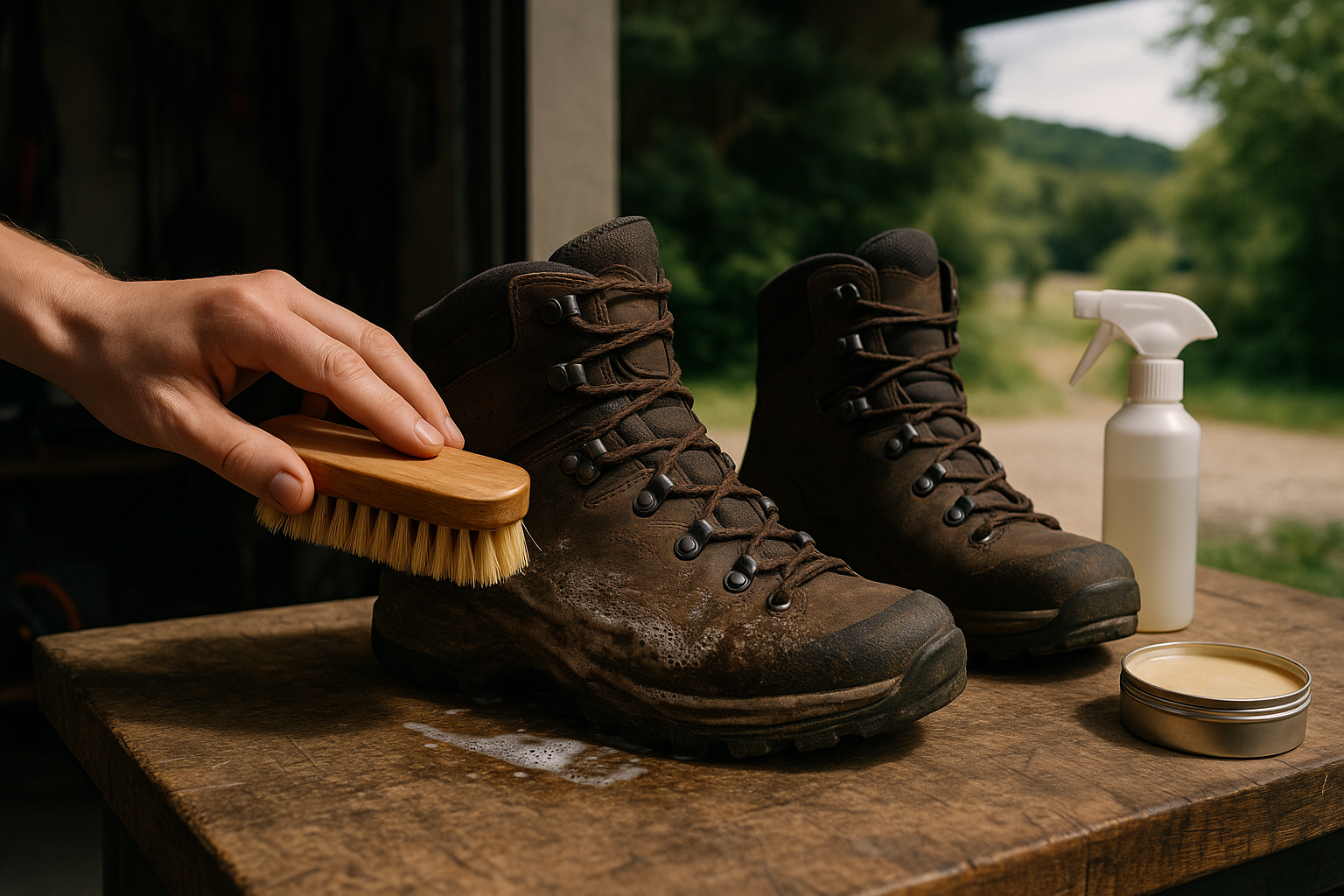
🎯 Summary: your roadmap for choosing
After all this overview, here's the essential for choosing the perfect pair of hiking shoes according to your profile and needs: • First evaluate your usage: terrain type, frequency, seasons, average distance of your outings • Prioritize fit: a perfect shoe on paper but poorly fitted will ruin your adventures • Invest according to your level of commitment: $180-300 for regular use, less if you're starting, more if you're passionate • Think seasonal in Quebec: waterproofing in spring/autumn, breathability in summer, insulation in winter • Take care of your investment: cleaning after use, proper drying, regular maintenance The most important thing? Don't be afraid to take your time choosing and test several options. Your feet will thank you on all the trails you'll explore, whether it's a family walk or a more ambitious adventure towards new horizons. Now, what are you waiting for? Go try a few pairs and plan your next outing! Quebec's trails are just waiting for you, and with the right shoes on your feet, every step will be a pleasure.Newsletter
Content that makes you want to go outside
Every week, a trail idea, a reflection on nature, or a tip worth the detour. Zero spam. Only the essentials.
Joined by 12,000+ outdoor enthusiasts
Read next