
🌧️ Why a Good Rain Jacket Makes All the Difference on Quebec Trails
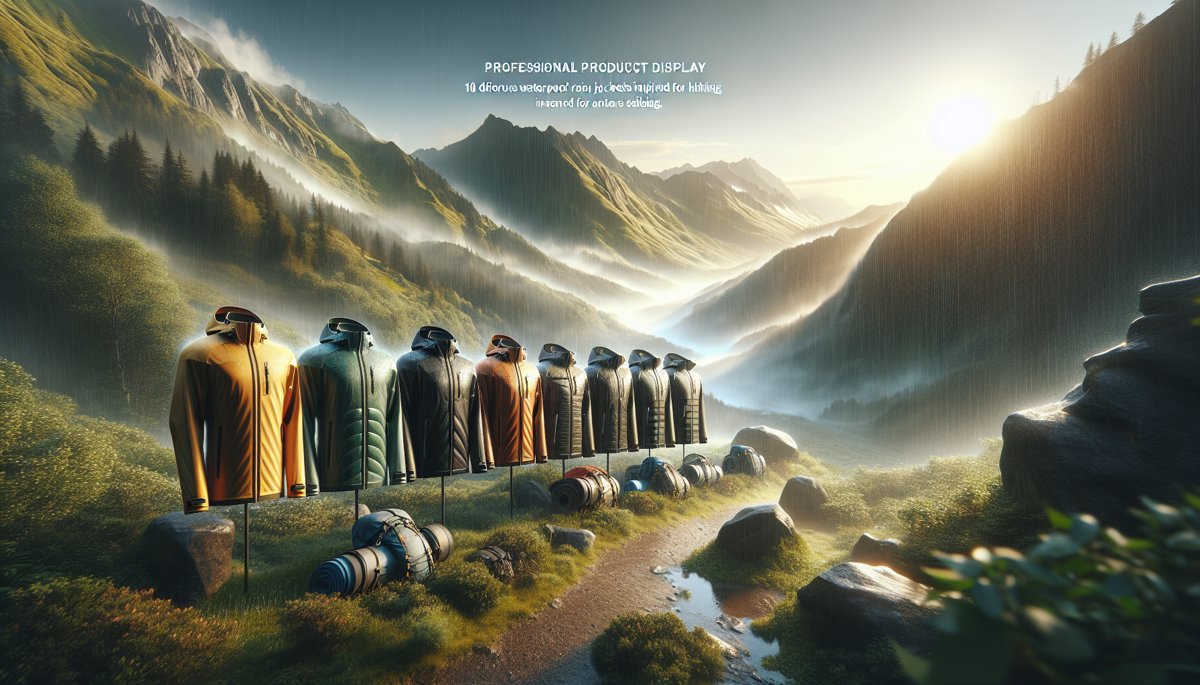
You know what can turn a beautiful hiking day into a nightmare? A rain jacket that fails you at the first serious drizzle. I learned this the hard way during an outing at Mont du Lac des Cygnes, when my old windbreaker turned into a sponge after 20 minutes in the rain. Result: a freezing descent and a lesson I've kept for life. The best hiking rain jackets 2026 don't just keep you dry — they breathe, resist branches, and adapt to our changing weather conditions. Whether you're exploring Laurentides trails in uncertain weather or facing Charlevoix gusts, the right gear makes the difference between a memorable adventure and a hassle you'd rather forget. In this guide, I share my discoveries after testing dozens of models on our trails. You'll discover the 10 rain jackets that passed the Quebec terrain test, how to choose according to your hiking style, and my tricks to maximize their lifespan.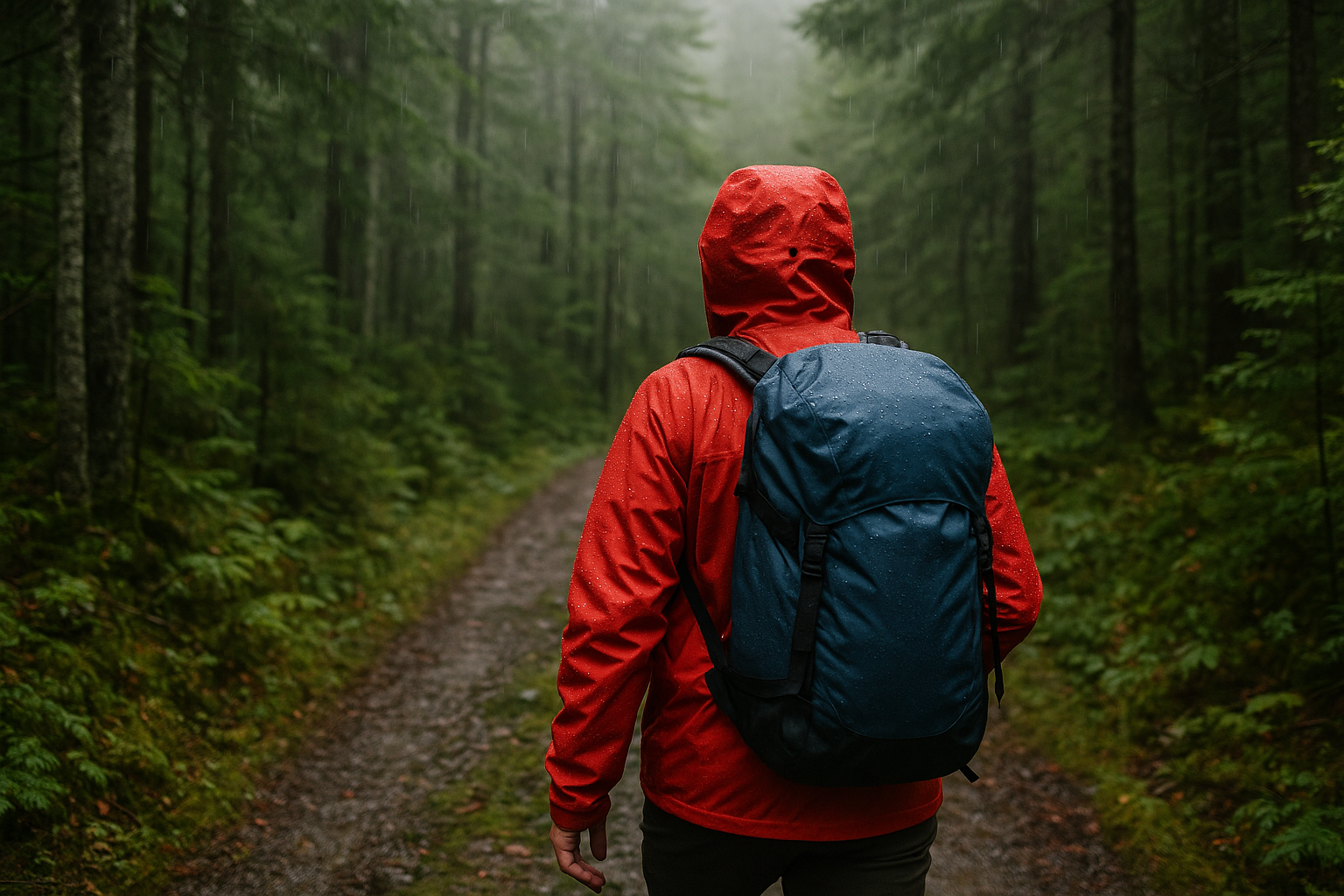
📥 Download our free gifts — Equipment checklists, weather guides and tips to choose your perfect gear according to Quebec conditions.
Get my gifts →
Get my gifts →
🏆 The 10 Best Hiking Rain Jackets Tested in the Field
After hundreds of hours on trails with different models, here's my selection of rain jackets that really delivered. Each model was tested in our real conditions — cold spring rain, summer showers, and that persistent drizzle that characterizes our autumns.Arc'teryx Beta AR Jacket — The All-Conditions Champion
Price: $650-700 CAD Weight: 445g Membrane: Gore-Tex Pro This has been my go-to for three years. Yes, it's expensive, but this jacket has survived everything: freezing gusts at Parc des Hautes-Gorges, sharp branches on less maintained trails. The construction is impeccable, the hood adjusts perfectly even with a helmet, and it breathes well enough for sustained climbs. Strengths: Exceptional durability, perfect waterproofing, adjustable hood Weaknesses: High price, a bit stiff at firstPatagonia Torrentshell 3L — The Best Value
Price: $180-220 CAD Weight: 340g Membrane: H2No Performance Standard My choice for hikers who are starting out or don't want to break the bank. It does the job without major compromises. I've lent it to friends for their first outings and it always impressed. The cut is generous, perfect for layering. Strengths: Affordable price, lightweight, eco-responsible Weaknesses: Lower durability, basic zippers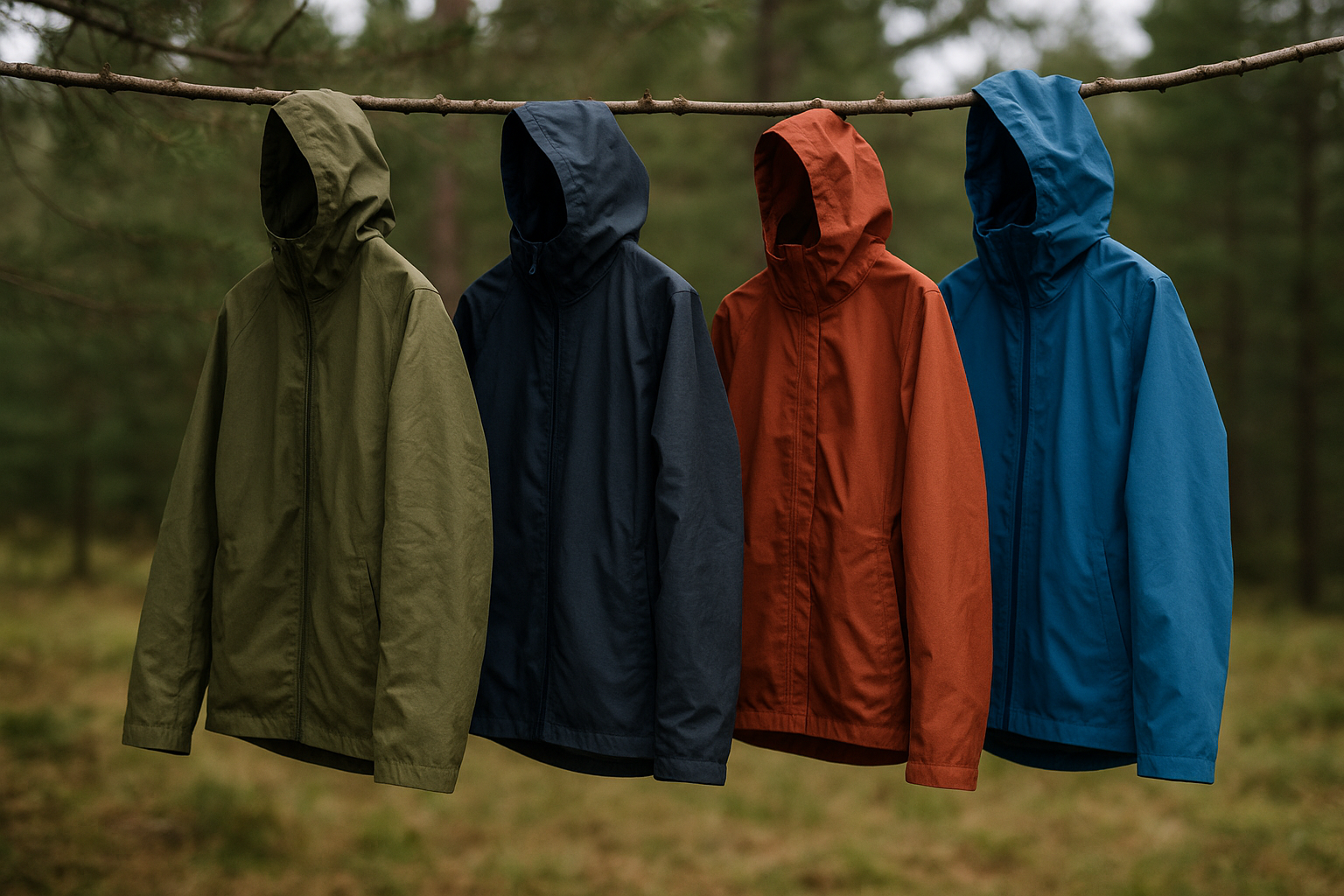
Mammut Kento HS Hooded Jacket — The Accessible Alpinist
Price: $400-450 CAD Weight: 390g Membrane: Gore-Tex Active Perfect for those who like to push a little further. I use it for my more technical outings where freedom of movement is crucial. The seams are impeccable and it packs really small in its compression sack. Strengths: Technical cut, excellent breathability, compact Weaknesses: Less durable for daily use
💡 Pro tip — Always test your rain jacket with all your usual layers before heading out on a hike. A perfect jacket in the store can become uncomfortable with your backpack and mid-layers.
Outdoor Research Microgravity AscentShell — The Innovative One
Price: $350-400 CAD Weight: 310g Membrane: AscentShell (no traditional membrane) This jacket uses a different technology that surprised me. Instead of a laminated membrane, the fabric itself is waterproof and ultra-breathable. Perfect for sustained efforts where you sweat a lot. Strengths: Exceptional breathability, lightweight, stretch Weaknesses: New technology (less track record), high price| Model | Price (CAD) | Weight | Best for |
|---|---|---|---|
| Arc'teryx Beta AR | $650-700 | 445g | Extreme conditions |
| Patagonia Torrentshell 3L | $180-220 | 340g | Beginners/Budget |
| Mammut Kento HS | $400-450 | 390g | Technical hiking |
| OR Microgravity | $350-400 | 310g | High breathability |
Rab Kangri GTX — The British Versatile
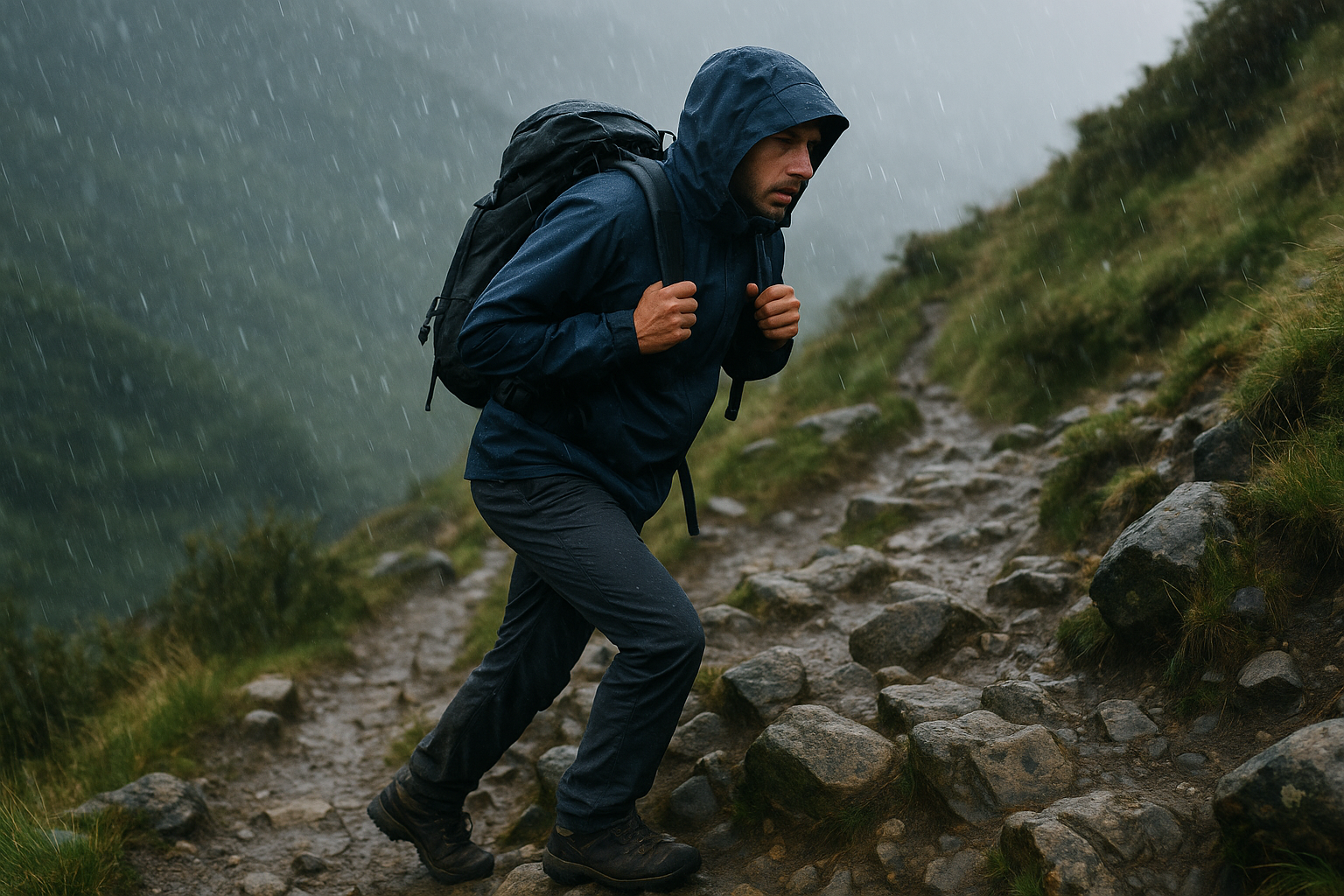
Price: $320-380 CAD Weight: 420g Membrane: Gore-Tex Active A recent discovery that impressed me. The British brand knows what rain is! Perfect cut, well-thought details, and durability that rivals the biggest brands. Strengths: Excellent value, practical details Weaknesses: Less known in CanadaThe 5 Other Models Worth Your Attention
🤔 How to Choose Your Rain Jacket According to Your Hiking Style
You don't need the same equipment for a family walk at Parc du Mont-Saint-Bruno as for a multi-day expedition in Gaspésie. Here's how to make the right choice according to your outdoor habits.The Sunday Hiker (0-2 outings/month)
You go out occasionally, often on easy and well-maintained trails. No need to break the bank — focus on reliability and comfort rather than extreme performance. My recommendations:
📌 Good to know — Even on a tight budget, avoid rain jackets under $100. They'll fail you at the worst moment and you'll end up spending more in the long run.
The Regular Explorer (3-6 outings/month)
You know your trails, you vary the pleasures and you're starting to venture on more demanding routes. It's time to invest in something more solid that will last. My recommendations:The Hardcore Adventurer (7+ outings/month)
You live for the mountains, you go out in all weather, and your equipment must be able to keep up with your frantic pace. Here, it's an investment in your passion. My recommendations: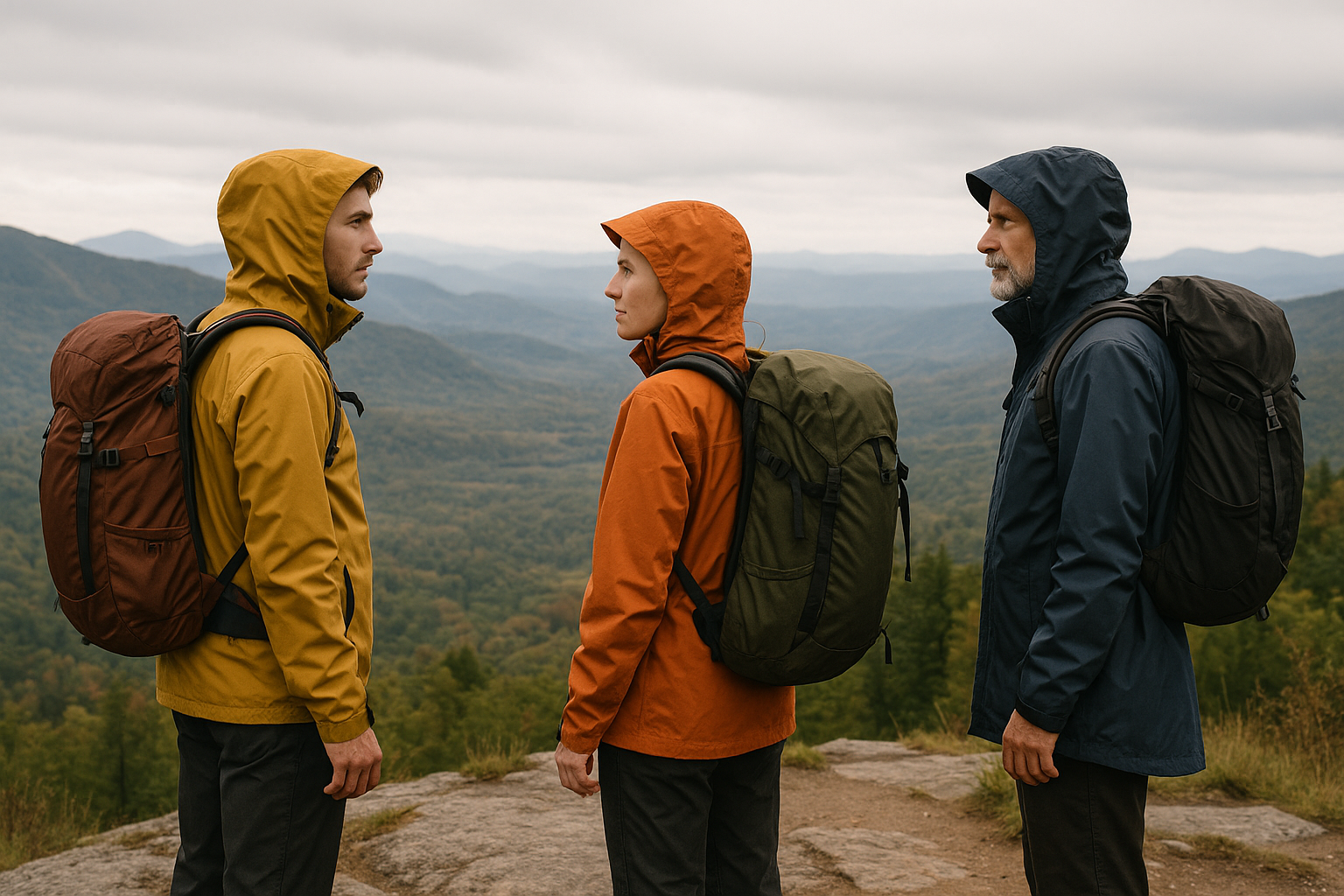
🔍 Waterproof Technologies Decoded (Without Technical Jargon)
Gore-Tex, H2No, OutDry... these names sound familiar, but you don't really know what's behind them? I'll simplify all this with my field experience.Gore-Tex — The Classic
It's a bit like the Kleenex of waterproof membranes. It works, it's reliable, but it's not magic. The membrane has micro-pores that let water vapor (your sweat) pass through but block raindrops. In real life: Excellent waterproofing, decent breathability, but you'll still sweat on sustained climbs. I have several Gore-Tex jackets and they age well. Variants:Alternatives Worth Considering
H2No (Patagonia): Similar performance to Gore-Tex, but more eco-responsible. My experience is positive, especially on the Torrentshell. OutDry (Columbia): The membrane is laminated to the outside of the fabric. Result: water beads and never "wets" the outer fabric. Interesting, but less track record on durability. AscentShell (Outdoor Research): No membrane at all, just a tightly woven fabric that breathes naturally. Surprising breathability, but new to the market.
⚠️ Warning — Beware of marketing terms like "waterproof" vs "water-resistant". A true hiking rain jacket must have a water column of at least 10,000mm. Below that, you'll be soaked at the first serious shower.
"After 15 years in the mountains, I've understood that there's no perfect rain jacket. There's just the one that best suits YOUR hiking style and the conditions YOU encounter most often."
🛠️ My Tricks to Make Your Rain Jacket Last (and Save Hundreds of Dollars)
A good rain jacket can last 10 years or more if you take care of it. Here are my proven techniques to maximize your investment.Maintenance That Makes the Difference
Washing: Contrary to what we think, you need to wash your rain jacket! Dirt clogs the pores and reduces breathability. Use a technical detergent (Nikwax, Grangers) and avoid fabric softener like the plague. Frequency: After 10-15 outings or when water no longer beads on the outer fabric. Drying: 15 minutes in the dryer on low heat reactivates the DWR (Durable Water Repellent) treatment. It's magic!Re-waterproofing
When water starts to "wet" your rain jacket instead of beading, it's time to re-waterproof. I use Nikwax TX.Direct — simple and effective. Signs it needs treatment:
💡 Pro tip — Always keep your rain jacket in a dry and airy place. Never in a wet compression sack after an outing — it's the best way to develop mold that will ruin the membranes.
Emergency Repairs
A catching branch, a fall on rocks... it happens. Always keep repair tape (Gear Aid Tenacious Tape) in your first aid kit. A small tear repaired quickly won't get bigger. Field repair kit: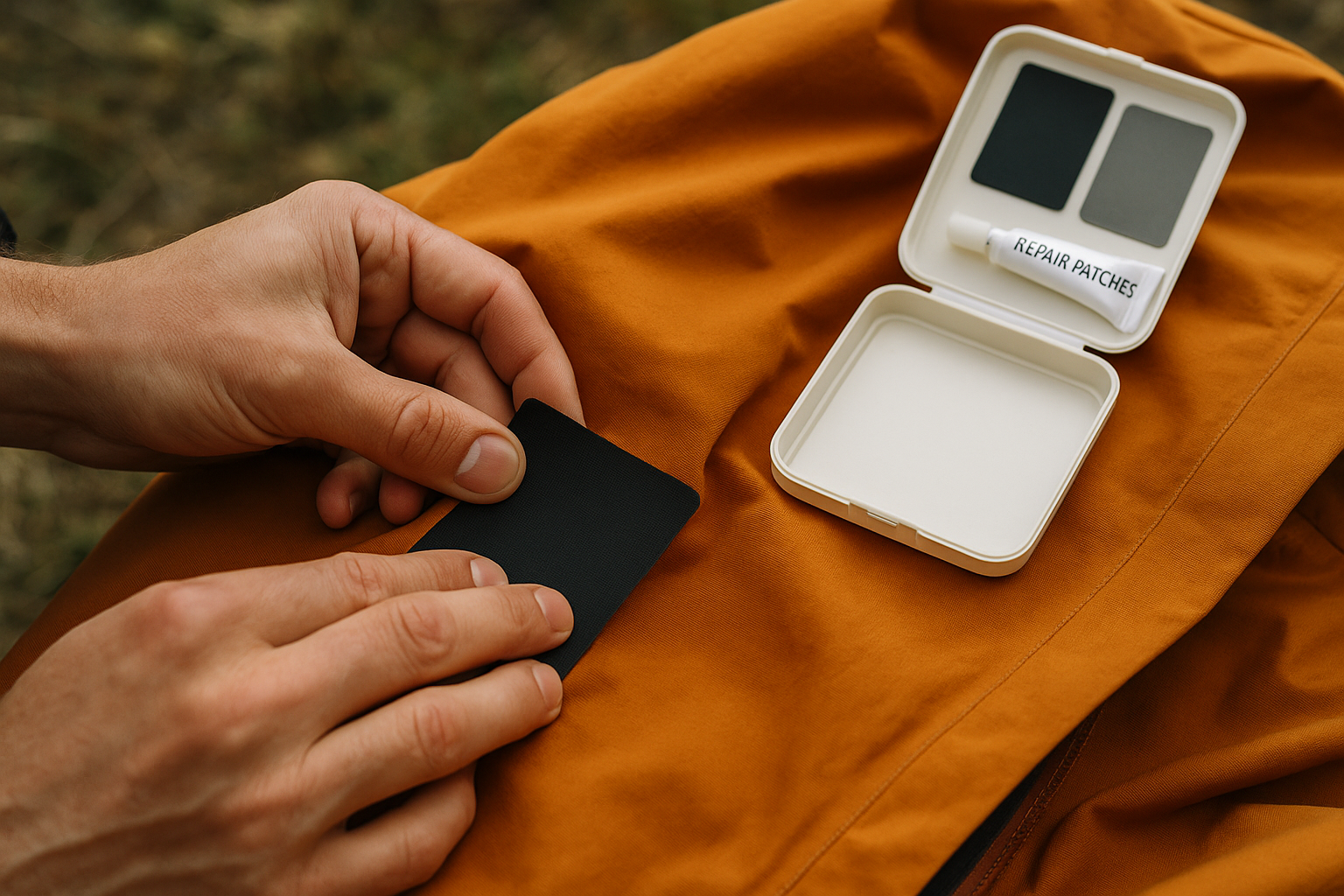
🌦️ Rain Jacket vs Other Options: When to Use What?
A rain jacket isn't always the solution. Sometimes, a softshell jacket or even a simple windbreaker works better. Here's when to use what, based on my field experiences.Rain Jacket: True Wet Conditions
When to use it:Softshell: The Breathable Compromise
For sustained efforts in dry or slightly wet weather. More breathable than a rain jacket, but only resists light drizzle. My usage: 60% of my fall and spring outings in QuebecWindbreaker: The Minimalist Option
In dry but windy weather, or for intense efforts where you'll sweat anyway. Super light and compact. Perfect for: Trail running, mountain biking, summer hikes| Conditions | Temperature | Best Choice | Alternative |
|---|---|---|---|
| Heavy rain | All | Rain jacket | None |
| Light drizzle | 5-15°C | Softshell | Light rain jacket |
| Dry wind | All | Windbreaker | Softshell |
| Intense effort | 10°C+ | Windbreaker | No outer layer |
🎯 My Final Recommendations for 2026
After testing all these models on our Quebec trails, here are my recommendations according to your budget and needs: Tight budget (under $200): Patagonia Torrentshell 3L — reliable and ethical Best value (300-400$): Rab Kangri GTX — British performance Long-term investment ($500+): Arc'teryx Beta AR — the Rolls Royce of rain jackets Technological innovation: Outdoor Research Microgravity — the future of waterproofing Remember that the best rain jacket is the one you'll actually use. Better a $200 jacket that you always bring than a $600 jacket that stays in your closet because it's "too nice" to take out.
Newsletter
Content that makes you want to go outside
Every week, a trail idea, a reflection on nature, or a tip worth the detour. Zero spam. Only the essentials.
Joined by 12,000+ outdoor enthusiasts
Read next