🏕️ Why a 3-Season Sleeping Bag Can Transform Your Adventures
Do you remember your first night under the stars when you were cold? For me, it was at Mont du Lac des Cygnes, and I spent the night shivering in a summer sleeping bag when it was October. Since then, I've understood that a good 3-season sleeping bag can make the difference between a memorable adventure and a hellish night. After testing dozens of models on Quebec trails and elsewhere, I'm going to share my 6 favorites for 2026. These bags will accompany you from cool spring to autumn nights, including sometimes surprising summer evenings. You'll discover how to choose the right model according to your adventure style, budget and specific needs.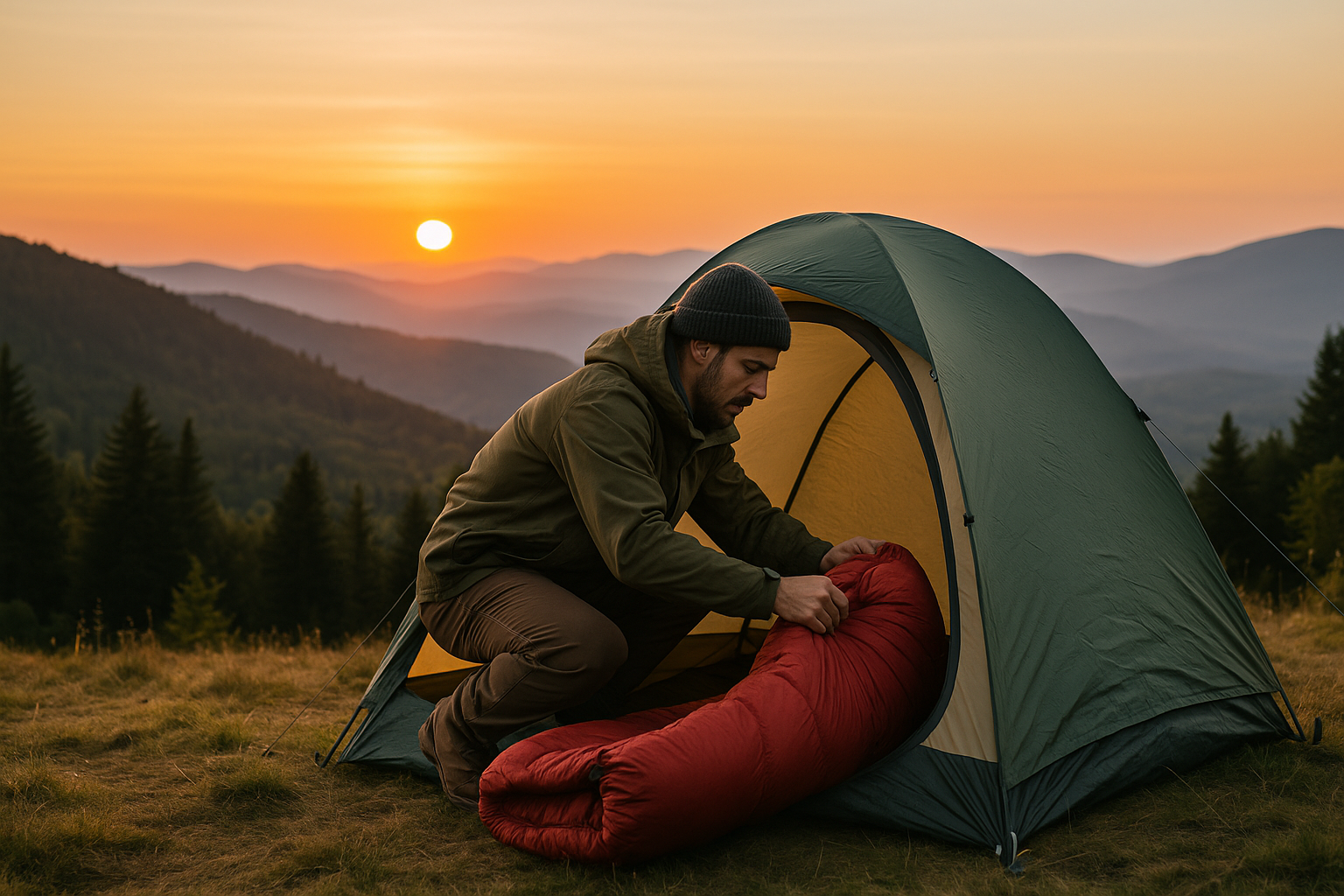
🌡️ What Exactly is a 3-Season Sleeping Bag?
A 3-season bag is your ideal companion for spring, summer and fall. Unlike summer models that will leave you freezing as soon as it drops below 10°C, or winter bags that will make you sweat in July, a 3-season finds the perfect balance.
📌 Good to know — A typical 3-season bag offers comfort between 0°C and 15°C, with a survival limit around -5°C to -10°C depending on models.
The Characteristics That Really Matter
The fill makes all the difference. Goose down remains king for warmth-to-weight ratio, but modern synthetic fibers are catching up, especially in our humid climates. I long preferred down, but since I tested the new Primaloft fibers, I recognize it's more reassuring when humidity sets in. The shape influences your comfort. Mummy bags retain heat better but can give a feeling of confinement. Semi-rectangular models offer more space to move. Personally, I sleep like an octopus, so I need some freedom of movement.| Fill Type | Advantages | Disadvantages |
|---|---|---|
| Goose down | Very light, compressible, durable | Loses properties when wet |
| Duck down | Good value for money | Less performant than goose |
| Synthetic | Keeps properties when humid | Heavier and bulkier |
Temperature Ratings Decoded
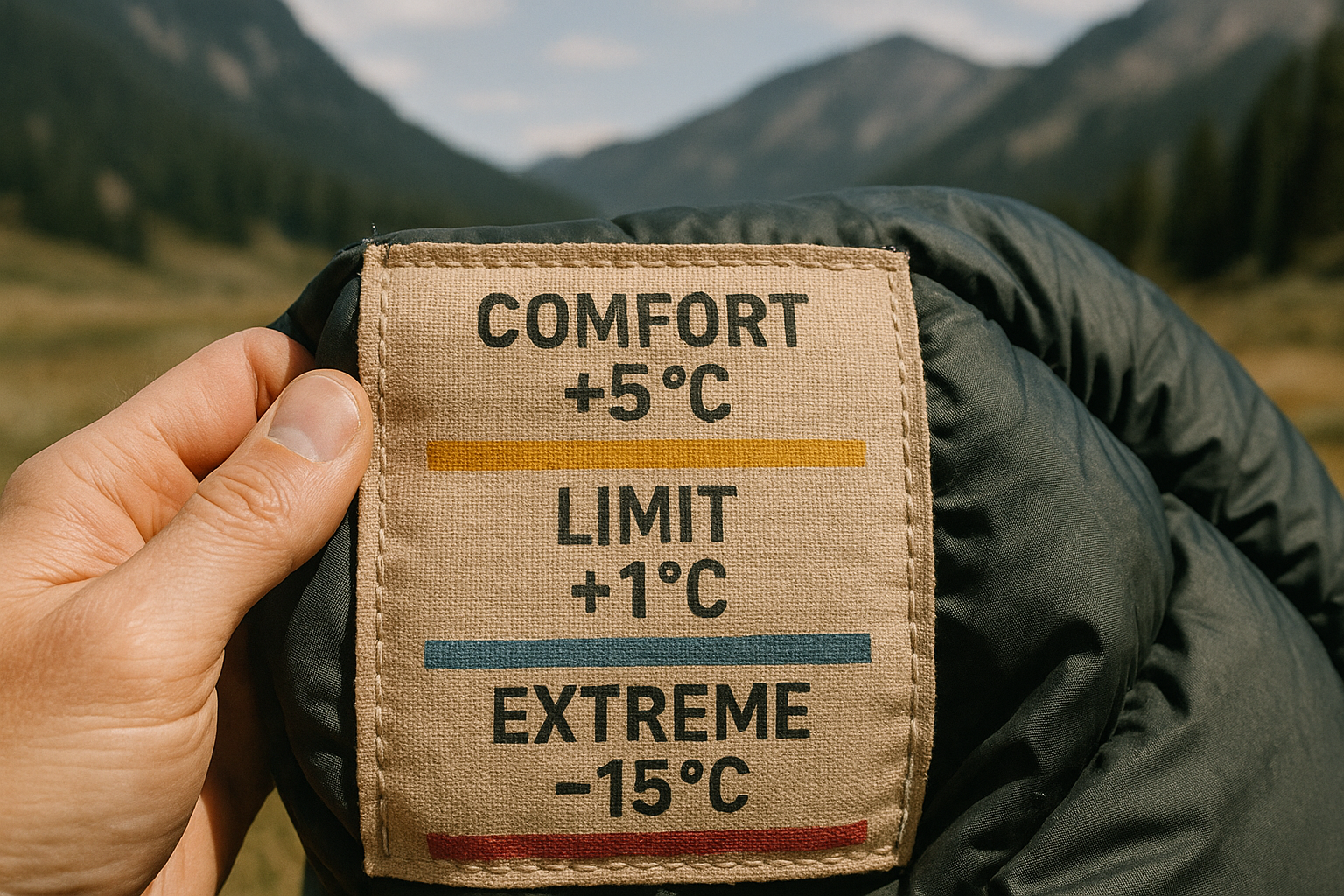
Manufacturers give three temperatures: comfort, limit and extreme. The comfort temperature is where you spend a good night without being cold. The limit is the threshold where you start to feel chilly but you survive. Extreme... forget it, that's for survival, not pleasure.
💡 Pro tip — Always add 5°C safety margin. If you often camp around 5°C, take a bag with a comfort temperature of 0°C.
📥 Download our free gifts — Complete checklist to choose your camping equipment and PDF guides to better prepare your outdoor adventures.
Get my gifts →
Get my gifts →
🏆 My 6 Favorites: The Best 3-Season Sleeping Bags 2026
After hundreds of nights in nature, here's my personal selection. I've tested each of these models in different conditions, from wild camping in Charlevoix to cool nights in the Laurentians.🥇 The Versatile: Marmot Trestles Elite Eco 20
Approximate price: $280-320 Comfort temperature: -1°C Weight: 1.4 kg This synthetic bag amazed me with its versatility. The 3M Thinsulate fill is made from recycled bottles, which will please eco-conscious folks. But above all, it keeps its properties even when soaked - I was able to verify this during a rainy night at Mont Yamaska. Strengths:🥈 The Lightweight: Western Mountaineering UltraLite
Approximate price: $450-500 Comfort temperature: 2°C Weight: 680g For minimalists and long hikes, this 850+ fill power goose down bag is a little marvel. I've carried it for hundreds of kilometers and it never disappointed me. Made in California with impressive attention to detail. Strengths:
⚠️ Warning — Down bags require special care. Always use a waterproof compression sack and air it well after each outing.
🥉 The Value: Kelty Cosmic 20
Approximate price: $180-220 Comfort temperature: -1°C Weight: 1.1 kg My choice for starting without breaking the bank. This 550 fill power duck down bag offers honest performance at an accessible price. It's with this one that I introduced my nephews to camping. Strengths: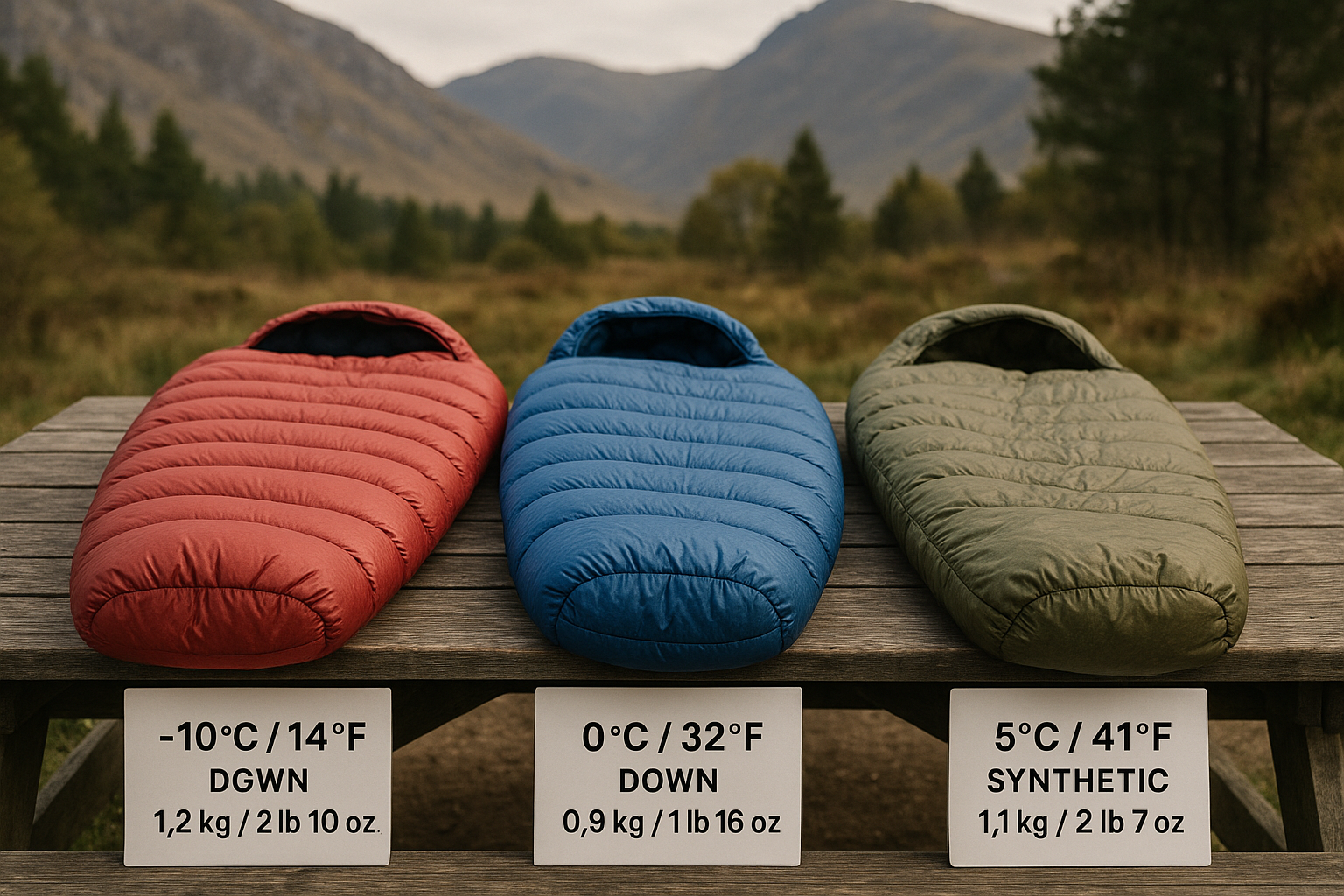
The Luxurious: Nemo Disco 15
Approximate price: $380-420 Comfort temperature: -4°C Weight: 1.2 kg This bag revolutionizes the concept with its "spoon" shape that follows the natural position of the body. I was skeptical at first, but after testing it, I understand why it's getting so much attention. Strengths:The Sturdy: REI Co-op Magma Trail Quilt 30
Approximate price: $250-290 Comfort temperature: 4°C Weight: 760g Technically, it's a quilt, but it deserves its place here. This open-bottom system relies on your mattress for back insulation. Perfect for those who move a lot while sleeping. Strengths:The Innovative: Big Agnes Anvil Horn 15
Approximate price: $320-360 Comfort temperature: -4°C Weight: 1.3 kg This synthetic bag uses FireLine Pro technology that mimics down structure. I was impressed by its ability to retain heat even after several compressions. Strengths:🎯 How to Choose THE Right Bag for Your Adventures
Choosing a sleeping bag is like choosing a life partner... for your adventures! You're going to spend hundreds of hours in it, so it better go well.Your Adventure Style Dictates Your Choice
You're the minimalist type who does lightweight hiking? Focus on weight and compressibility. The Western Mountaineering UltraLite or REI Magma Trail Quilt are your friends. You prioritize comfort and camp by car or canoe? Weight matters less, so the Nemo Disco with its generous space will please you. You're starting out and want something reliable without breaking the bank? The Kelty Cosmic 20 will give you complete satisfaction.
💡 Pro tip — Think about your sleeping position. If you sleep on your side, bags with more space at hips and knees (like the Nemo Disco) will change your life.
Quebec Climate: Our Particular Reality
Here in Quebec, we get everything: cool and humid summer nights, unpredictable autumns and springs that hesitate between winter and summer. This reality influences my choice toward bags that handle humidity well. For our conditions, I often recommend synthetic models to beginners. Yes, it's heavier, but you'll sleep better knowing your bag will keep its properties even if humidity settles in your tent.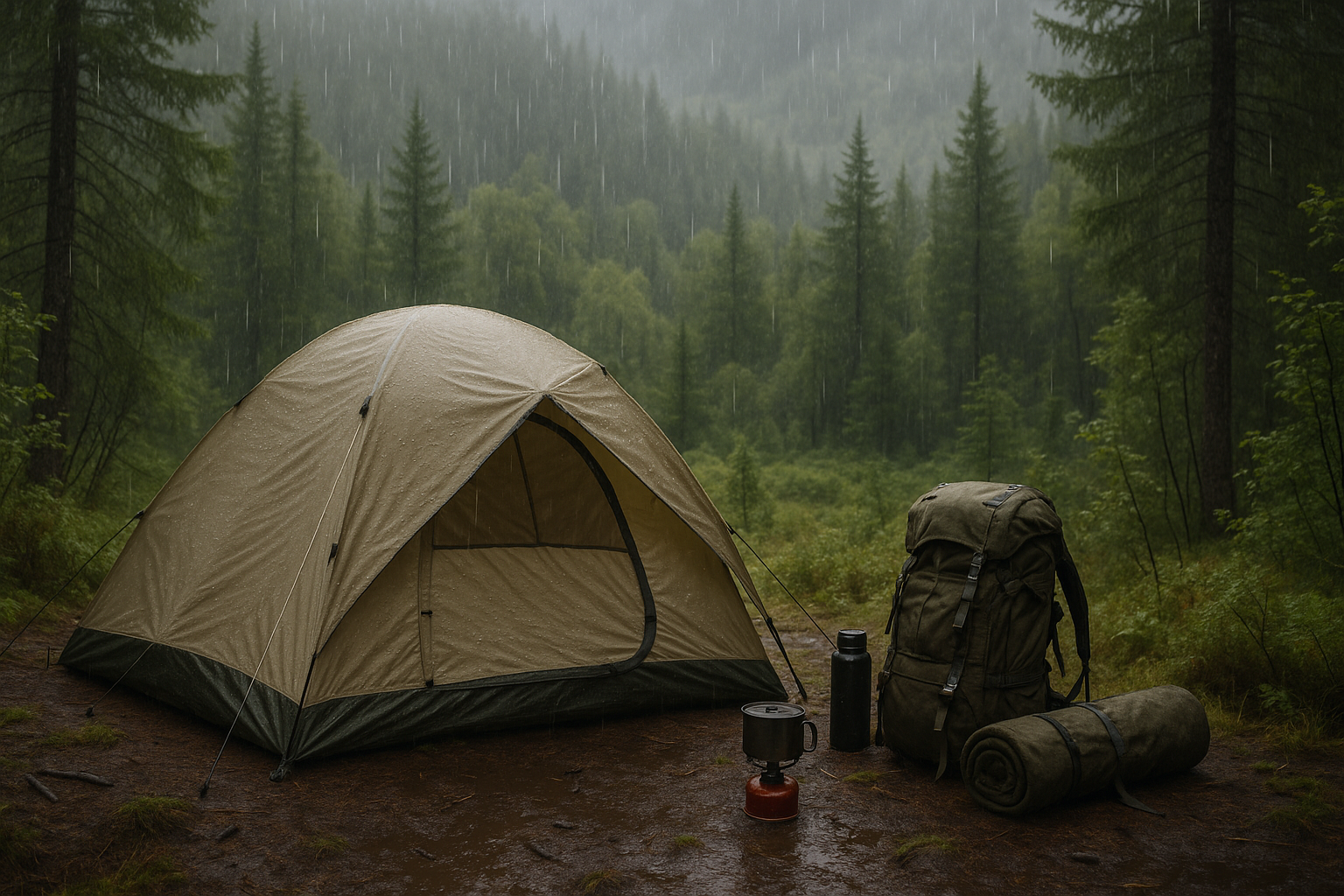
Budget vs Performance: Finding the Balance
A good 3-season bag is an investment between $200 and $500. But beware, the most expensive isn't necessarily the best for YOU.| Budget | Realistic Expectations | My Recommendations |
|---|---|---|
| $150-250 | Good value, decent durability | Kelty Cosmic 20, synthetic models |
| $250-400 | High performance, premium materials | Marmot Trestles Elite, Nemo Disco |
| $400+ | Top performance, minimal weight, maximum durability | Western Mountaineering, ultralight models |
"A quality sleeping bag can last 15-20 years with good care. Divided by the number of nights, that's a few dollars per adventure."
🧭 Mistakes to Absolutely Avoid (I've Made a Few...)
After 15 years testing gear and making mistakes, here are the classic traps I still see too often.Mistake #1: Underestimating Your Warmth Needs
I made this mistake at the beginning of my camping "career". I was young, I got warm easily, so I always took bags with limit temperatures. Result: crappy nights and a girlfriend who almost dumped me after a freezing night at Mont Saint-Bruno. The golden rule: add 5°C safety margin. If you often camp around 8°C, take a bag comfortable at 3°C.Mistake #2: Weight Obsession at the Expense of Comfort
Yes, saving 200g is good. But if you spend your nights shivering, you won't enjoy your adventures. I've seen too many hikers miserable with their ultralight bag unsuited to their needs.
⚠️ Warning — Comfort temperatures are calculated for a "standard" person in perfect conditions. If you're sensitive to cold, sleep poorly or often camp in humidity, go warmer.
Mistake #3: Neglecting Maintenance
A sleeping bag needs care! Too many people store their bag compressed for months, which kills the fill. After each outing, I let my bag air dry, then store it in its large storage bag, never compressed. For down: Gentle wash in cold water with specialized detergent, slow drying with tennis balls to redistribute the fill. For synthetic: Easier, normal wash in warm water, but avoid fabric softener which harms insulating properties.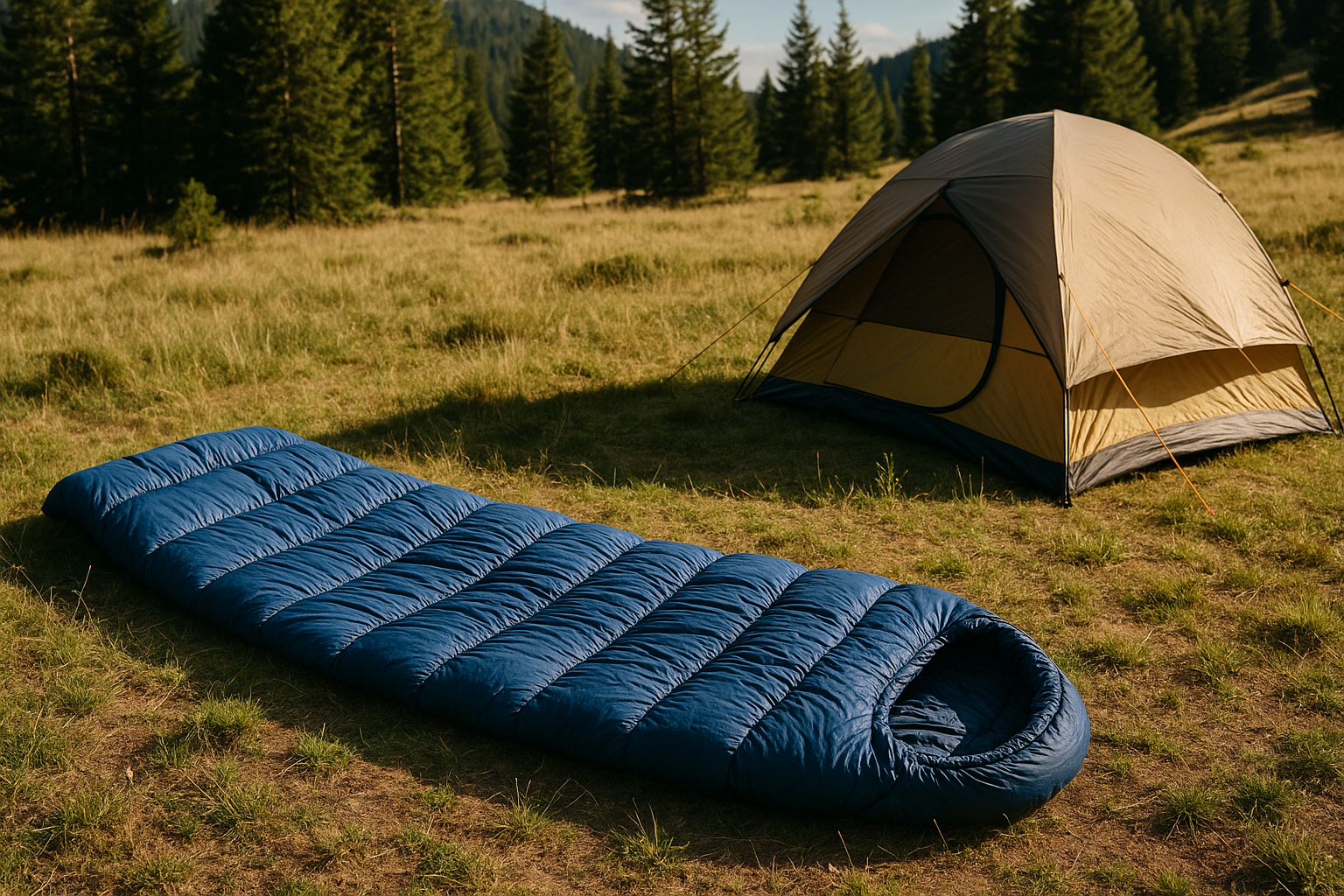
📋 My Checklist for Testing Before Buying
Before pulling out your credit card, make sure to check these essential points. I developed this list after a few impulse purchases I regretted.In-Store Test (if possible)
📌 Good to know — Several specialty stores like La Cordée or Atmosphère have generous return policies if the bag doesn't suit after a home test.
Questions to Ask the Salesperson
The Ultimate Test: Your First Night
For your first outing with a new bag, choose a place not too isolated. I like to test my new equipment in parks like Parc Michel Chartrand where I can go home if things go wrong. Also bring a plan B: an emergency blanket or warm clothes in case the bag doesn't deliver on its promises.🌟 My Final Tips for Perfect Nights in Nature
After all these years sleeping under the stars, I've understood that a good sleeping bag is only part of the equation. Here's what really makes the difference: Ground insulation is crucial. Even the best bag in the world won't compensate for an inadequate mattress. In 3 seasons in Quebec, I recommend a mattress with an R-value of at least 3-4. Humidity management can save your nights. Always change before going to bed - sweat-damp clothes will cool your body. A small towel to dry off works wonders. The art of preheating: when it's really cold, I slip a hot water bottle into my bag 10 minutes before going to bed. Simple but effective!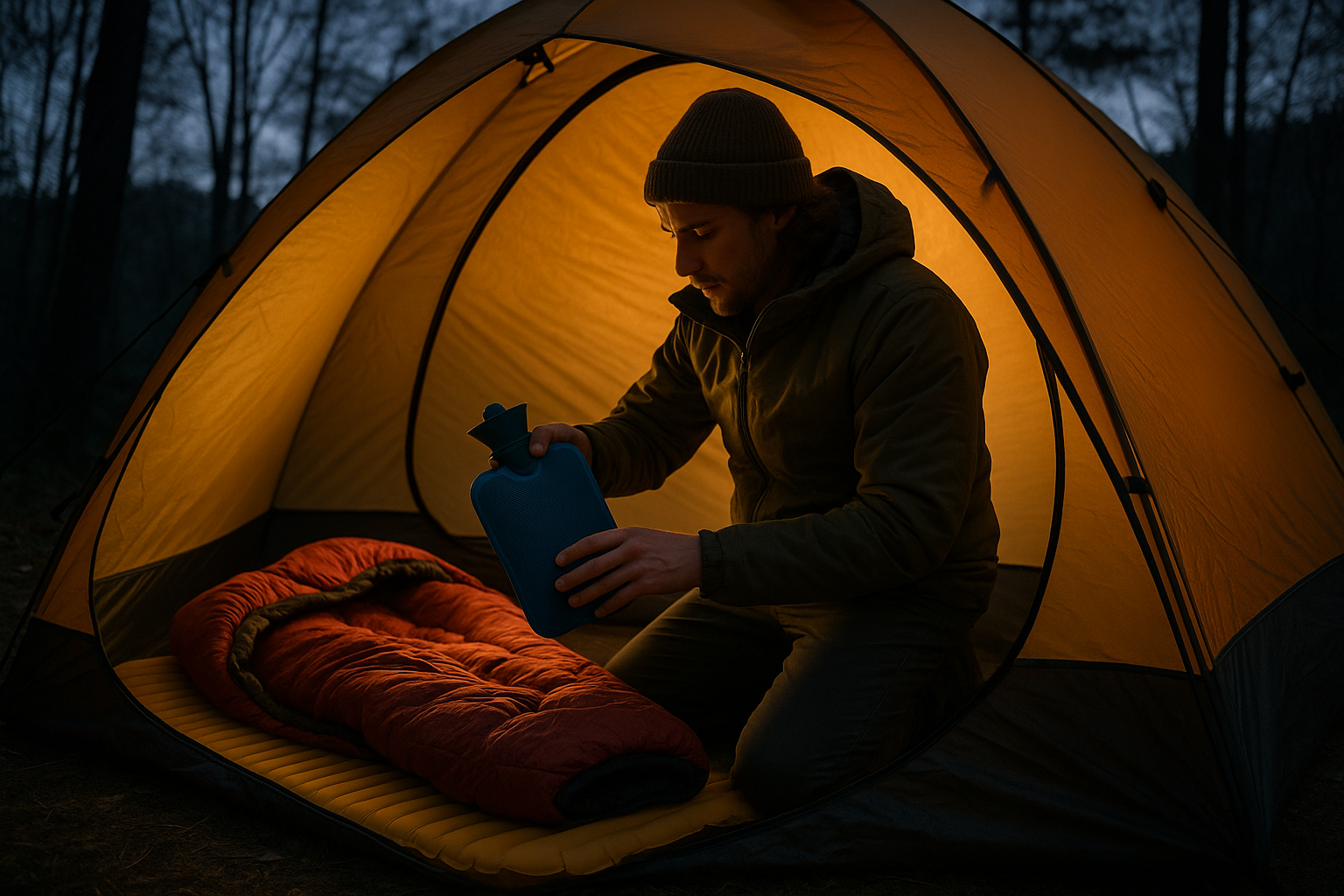
Summary of My Recommendations:
• For beginners: Kelty Cosmic 20 - reliable and affordable • For lightweight hiking: Western Mountaineering UltraLite - weight/warmth champion • For comfort: Nemo Disco 15 - revolutionary in its category • For versatility: Marmot Trestles Elite Eco 20 - resistant to everything • For innovation: REI Co-op Magma Trail Quilt - total freedom Remember that a good sleeping bag is an investment for years of adventures. Take time to choose well, test it in good conditions, and it will repay you a hundredfold during your most beautiful nights under Quebec stars. Nature awaits you, and now you have everything you need to sleep like a king, even at -5°C in the mountains of the Quebec region!
About the author
François Dumaine
Founder of Let's Go Play Outside
A passionate hiker, photographer and content creator, François has been hiking the trails of Quebec and Alberta since 2014. He founded Let's Go Play Outside to give you the information he wished he had before heading out.
Newsletter
Content that makes you want to go outside
Every week, a trail idea, a reflection on nature, or a tip worth the detour. Zero spam. Only the essentials.
Joined by 12,000+ outdoor enthusiasts
Read next