How to Enjoy Winter Running: My Tips for Turning Cold into Pleasure
I still remember my first January run. -15°C, north wind, and me with my summer running shoes and an old cotton hoodie. I lasted 10 minutes before heading home swearing I'd never run in winter again. Yet today, it's my favorite season for running! With the right tips to enjoy winter running, you can transform these cold months into magical moments on snowy trails. In this guide, I'll share everything I've learned in 15 years of winter running in Quebec: from game-changing equipment to mental techniques that make all the difference.Why Winter Can Become Your Favorite Running Season
Contrary to popular belief, winter offers exceptional running conditions once you master the basics. Cold air is richer in oxygen, which improves your performance. No overheating, no excessive dehydration, and most importantly: breathtaking landscapes. Quebec winter transforms our familiar trails into adventure terrain. Parc du Mont-Royal becomes a postcard setting, and even a simple neighborhood loop takes on the feel of a Nordic trail.
💡 Pro tip — Fresh snow provides excellent natural cushioning for your joints. It's the perfect time to increase your training volume!
Hidden benefits of winter running:
Game-Changing Equipment: My Field-Tested List
After testing pretty much everything on the market, here's the equipment that really makes a difference. No need to break the bank, but a few key pieces will transform your experience.The Layering System (The Foundation)
| Layer | Function | Recommended Material |
|---|---|---|
| Base | Moisture wicking | Merino or synthetic |
| Insulation | Adjustable warmth | Light fleece or softshell |
| Protection | Wind/rain protection | Breathable membrane |
Extremities: Where You Lose the Battle
⚠️ Warning — Avoid overdressing at the start. You should feel slightly cold for the first 5 minutes, otherwise you'll overheat.
Game-Changing Accessories
Crampons or microspikes: Essential as soon as there's ice. I use Yaktrax Run for roads and Kahtoola MICROspikes for trails. Headlamp: In winter, it gets dark early. A good headlamp gives you the freedom to run whenever you want. Gaiters: To keep snow out of your shoes. A small detail that changes everything for comfort.Running Techniques That Make a Difference on Winter Terrain
Running on snow and ice is a skill you learn. Here are the technical adjustments I've developed over the winters.Adapting Your Stride to Terrain
On fresh snow: Shorten your stride and increase cadence. Land flat-footed to maximize grip. It's like running on sand, but more fun! On packed snow: Ideal terrain! You can maintain your normal stride, take advantage to do some tempo work. On ice or black ice: Small steps, low center of gravity, avoid sudden direction changes. Think "ninja on ice."
📌 Good to know — Your times will naturally be slower in winter. That's normal! Focus on perceived effort rather than the stopwatch.
Managing Effort and Body Temperature
The first 10 minutes are crucial. Always start slower than usual. Your body needs time to adapt to the cold and unstable terrain. Signs you're going too fast:The Mental Game: Transforming Challenge into Pleasure
Winter is 50% physical, 50% mental. Here are my strategies to keep your head in the game when the mercury drops.Changing Your Perspective on Cold
Instead of seeing winter as an obstacle, consider it a unique playground. Every outing becomes a small adventure. That snow crunching under your feet, that vapor coming from your mouth, that muffled silence of snowy trails... it's magical! I started keeping a "magical moments journal" after my winter runs. One sentence, one image, one sensation. It helps me remember why I love it on days when motivation wavers.Tested Motivation Strategies
The 15-minute rule: Promise yourself to run just 15 minutes. 90% of the time, you'll continue once you get going. And if you stop after 15 minutes, that's okay too! Winter-adapted goals:"Winter doesn't stop for you. So why would you stop for winter?"
Creating Positive Rituals
Before the outing: Energizing music, route visualization, meticulous equipment preparation. It becomes a zen moment before action. During: Find your breathing rhythm, observe details you miss in summer (bark, animal tracks, light playing on snow). After: Reward yourself! Hot chocolate, hot bath, or simply that satisfaction of having conquered the elements.Managing Different Conditions: From -5°C to -25°C
Each temperature range has its particularities. Here's my survival guide according to the thermometer.Comfort Zone: 0°C to -10°C
This is the sweet spot of winter running! Not cold enough to be dangerous, cold enough to be refreshing. Typical equipment:Vigilance Zone: -10°C to -20°C
It's getting serious! Every detail counts at these temperatures.
⚠️ Warning — Below -15°C, avoid breathing only through your mouth. Use a buff to preheat air or breathe through your nose at the start.
Necessary adaptations:
Extreme Zone: -20°C and Below
This is hardcore! But it's doable with the right precautions. I've run in -28°C and lived to tell about it.| Body Part | Risk | Protection |
|---|---|---|
| Face | Frostbite | Balaclava, vaseline on exposed areas |
| Feet | Chilblains | Warm socks, insulated shoes |
| Hands | Loss of dexterity | Warm mittens + hand warmers |
| Lungs | Irritation | Buff, nasal breathing |
Choosing Your Routes: Where to Run According to Conditions
Winter completely transforms the geography of your usual routes. Some trails become impassable, others reveal their true beauty.Urban Trails and City Parks
Advantages: Regular snow clearing, safety, easy access. Parc du Mont-Royal is perfect for starting winter running. The trails are maintained and you always have a nearby emergency exit. Disadvantages: Crowds of cross-country skiers, surfaces sometimes icy from repeated passage.Mountain Trails and Forests
Real adventure! Places like Mont Yamaska become extraordinary playgrounds in winter. Special precautions:
💡 Pro tip — South-facing trails thaw faster and often offer better conditions. Plan your routes based on sun exposure.
Adapting Your Route to Daily Conditions
After a storm: Stay on beaten paths for the first few days. Fresh snow is beautiful, but it can hide obstacles. Mild weather/thaw: Avoid south-facing sections that can be muddy and slippery. Stable deep cold: This is exploration time! Snow is firm, conditions predictable. My favorite routes by weather:My Pro Tips for Progressing All Winter
Fifteen winters of running have taught me some tricks you won't find in any manual. Here are my secrets to not just surviving winter, but coming out stronger.Cross-Training, Your Best Friend
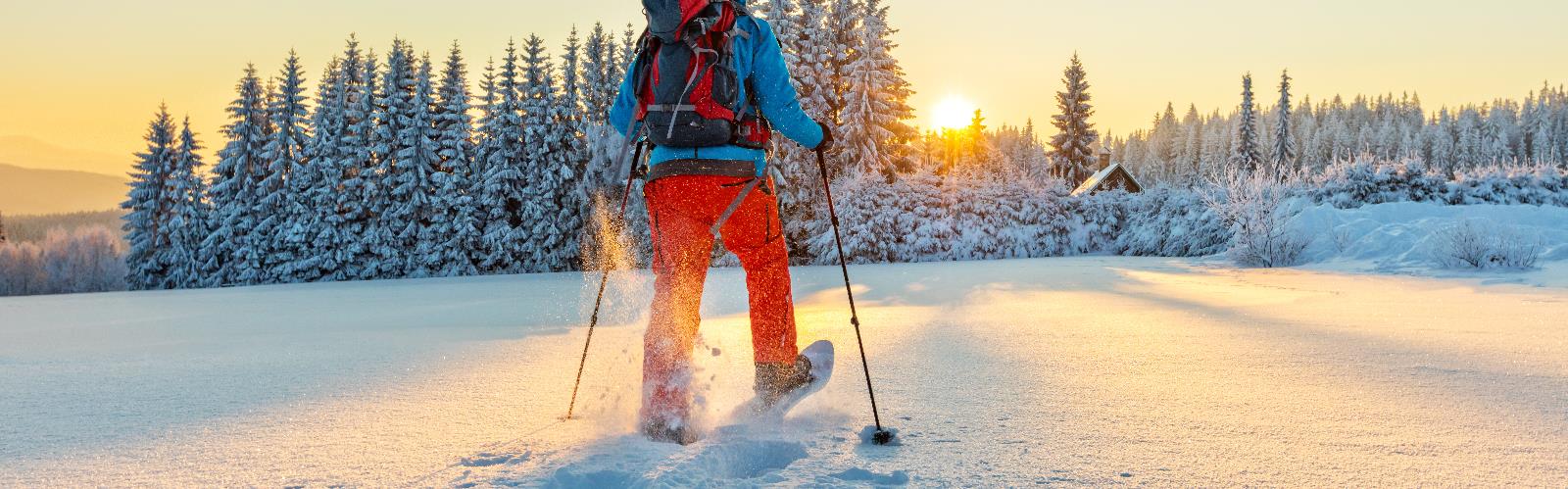
Snowshoeing: Excellent complement! Works the same muscles with less impact. I often do snowshoe trail running on Charlevoix trails. Classic cross-country skiing: Perfect for cardio and balance. More accessible than running on certain difficult terrains. Strategic indoor running: Not to replace, but to complement. One warm interval session per week keeps legs sharp.Winter Nutrition and Hydration
Before outing: Avoid big meals, but don't go out on an empty stomach. A fruit and some nuts is perfect. During: For outings over an hour, dates or gels that don't freeze. Keep them close to your body. After: This is where it counts! Protein and carbs within 30 minutes. My trick: hot chocolate with a scoop of protein powder.
📌 Good to know — You lose more water than you think through breathing in cold dry air. Drink before you're thirsty!
Optimized Winter Recovery
Indoor stretching: No way to stretch outside at -15°C! Get inside quickly and do your stretching in the warmth. Progressive hot bath/shower: Start lukewarm and gradually increase. Avoid thermal shock. Sleep: Winter demands more energy. Sleep 30 minutes more on nights after big outings.
📥 Download our free gifts — The complete list of all winter running equipment, organized by temperature and outing type. Never forget anything again!
Get my gifts →
Get my gifts →
Smart Season Planning
December: Gradual adaptation, focus on equipment and basic techniques. January-February: Full season! Time for challenges and exploration. March: Watch for variable conditions. Perfect for testing your versatility. Don't plan big time goals in winter. Focus on enjoyment, exploration and technical development. Performance will come naturally in spring.Safety: Golden Rules I Learned the Hard Way
Winter is less forgiving of mistakes. Here are the lessons I've learned, sometimes painfully, to run safely.Communication and Preparation
Rule #1: Always say where you're going and when you'll return. I use a tracking app that my girlfriend can follow in real time. Rule #2: Minimal safety equipment in a small pack:Warning Signs to Never Ignore
⚠️ Warning — Stop immediately if you feel: numbness that doesn't go away with movement, uncontrollable shivering, confusion or disorientation, sharp pain in extremities.
Early hypothermia: You start having violent shivers, you lose dexterity, your coordination decreases. Head indoors, immediately!
Frostbite: Burning sensation then numbness. Ears and fingertips first. Never rub a frozen area!
Visibility and Road Sharing
In winter, it gets dark early and visibility is reduced. Lighting mandatory from 4 PM in December-January. My visibility setup:Emergency Management
Plan A: Route with several possible exit points. Plan B: Emergency numbers in phone, shared GPS position. Plan C: Knowledge of emergency shelters on your usual routes (cabins, refuges, businesses). I once had to use Plan B when I sprained an ankle on an icy trail at Mont Arthabaska. Fortunately, I had shared my position!Conclusion: Your Winter Running Starts Now
There you have it, you now have all my tips to transform Quebec winter into a playground rather than an obstacle. Let's recap the essential points: • Equipment does 80% of the work: invest in good base layers and reliable crampons • Adapt your technique: shorter stride, gradual start, listen to your body • Change your mental perspective: winter is a unique adventure, not punishment • Safety first: communicate your plans, equip yourself for emergencies • Progress intelligently: forget times, focus on enjoyment and exploration Winter is 4-5 months of the year in Quebec. Rather than hibernating on the gym treadmill, why not discover the magic of our snowy trails? Every outing becomes a small expedition, every return home a victory over the elements. My challenge for you: try one outing this week with the advice from this article. Start small, equip yourself properly, and let yourself be surprised by what winter has to offer. I bet that by the end of the season, you'll understand why some of us prefer running at -15°C than at +30°C! Adventure awaits you outside, even in January. You just have to step through the door.
About the author
François Dumaine
Founder of Let's Go Play Outside
A passionate hiker, photographer and content creator, François has been hiking the trails of Quebec and Alberta since 2014. He founded Let's Go Play Outside to give you the information he wished he had before heading out.
Newsletter
Content that makes you want to go outside
Every week, a trail idea, a reflection on nature, or a tip worth the detour. Zero spam. Only the essentials.
Joined by 12,000+ outdoor enthusiasts
Read next
Continue the journey