

Ready to explore Horseshoe Canyon? Here's everything you need to know before you go!
Discover the trail
Trail description
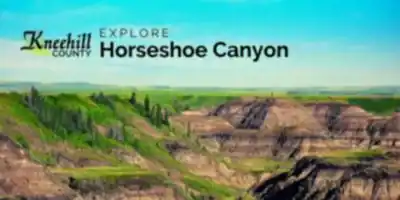
Horseshoe Canyon cuts a dramatic path through the Canadian Badlands, creating one of Alberta's most distinctive geological showcases. This moderate 3.2-kilometer trail takes you deep into a natural amphitheater where millions of years of erosion have carved towering cliffs and exposed colorful rock layers that tell the story of ancient seas and shifting landscapes.
The canyon's signature horseshoe shape becomes apparent as you descend into its depths, with rugged walls rising around you in a sweeping curve that frames the sky above. Unlike the towering peaks of the nearby Canadian Rockies, this landscape offers a completely different kind of drama—one written in sedimentary layers of red, orange, and cream-colored stone that shift and change as the light moves across them throughout the day.
The Trail Experience
The moderate trail covers 3.2 kilometers with 86 meters of elevation gain, making it accessible to most hikers while still providing a satisfying challenge. Most people complete the hike in about 1.5 hours, though the stunning scenery and numerous photo opportunities often extend visit times considerably. The path winds through diverse terrain, from the rim-top approach that offers sweeping views of the surrounding badlands to the canyon floor where you'll walk among the geological formations up close.
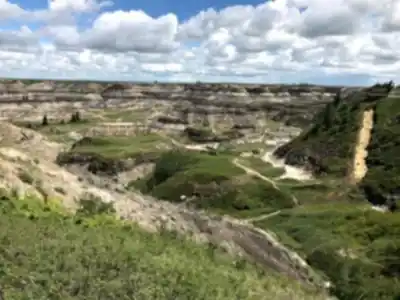
As you traverse the trail, the landscape constantly evolves around you. The initial descent provides panoramic vistas of the rugged cliffs and valleys that stretch toward the horizon, while the canyon floor offers an intimate perspective on the intricate rock formations. Each turn reveals new perspectives on the canyon's distinctive architecture, with the horseshoe configuration becoming more pronounced as you move deeper into the formation.
The terrain varies from well-defined paths along the rim to more challenging sections that navigate the canyon's interior. Sturdy footwear is essential, as some portions involve walking on uneven rock surfaces and loose sediment. The moderate difficulty rating reflects both the manageable distance and the varied terrain that requires attention and sure footing, particularly on the steeper sections of the descent.
Geological Wonder
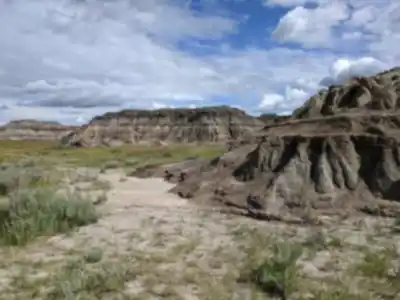
The canyon itself stands as a masterpiece of natural sculpture, its horseshoe configuration carved over millennia by persistent water flow and wind erosion. The exposed rock faces reveal distinct layers that chronicle different geological epochs, with vibrant hues ranging from deep reds to pale yellows creating a natural palette that shifts dramatically with changing light conditions.
These sedimentary formations offer hikers a tangible connection to the planet's dynamic history. The visible strata represent ancient sea floors, river deposits, and wind-blown sediments that accumulated over vast time periods before being uplifted and carved into today's dramatic landscape. The canyon walls rise in stepped formations, creating natural viewing platforms and sheltered alcoves that provide rest spots and photography opportunities throughout your hike.
Wildlife and Plant Life
The diverse ecosystem within Horseshoe Canyon supports an impressive variety of flora and fauna adapted to the badlands environment. Towering pines establish themselves wherever soil and moisture allow, while hardy shrubs and grasses colonize the more challenging terrain. During spring and early summer, delicate wildflowers add splashes of color to the canyon floor and rim areas, creating beautiful contrasts against the neutral-toned rock.
Wildlife enthusiasts should keep cameras ready for potential encounters with deer and elk, which frequently use the canyon as shelter and a travel corridor. The area's bird life is particularly notable, with raptors taking advantage of the thermal currents that rise from the canyon walls. Majestic eagles soar overhead, using the updrafts to patrol their territory with minimal energy expenditure. Smaller birds nest in the cliff faces and vegetation, adding their songs to the canyon's natural soundtrack.
The varied habitats within the canyon—from exposed rock faces to sheltered valleys with seasonal water sources—create microenvironments that support different species throughout the area. Early morning and late afternoon typically offer the best wildlife viewing opportunities when animals are most active and the lighting enhances the canyon's natural beauty.
Planning Your Visit
While the 1.5-hour duration makes this a manageable day hike, proper preparation enhances both safety and enjoyment. Pack more water than you think you'll need, as the badlands environment can be deceptively demanding, especially during warmer months. The exposed terrain offers limited shade, making sun protection essential regardless of season.
Bring snacks and consider a packed lunch if you plan to spend extra time exploring and photographing. Many hikers find themselves lingering at particularly scenic viewpoints or investigating interesting geological features, making flexible timing important for full enjoyment of what the canyon offers.
A quality camera or smartphone with extra battery capacity is virtually mandatory, as the canyon provides countless opportunities for landscape photography. The changing light throughout the day creates dramatically different moods and colors in the rock formations, rewarding photographers who take time to capture scenes from multiple angles.
Weather conditions can change rapidly in the badlands, so layered clothing allows adaptation to temperature variations and wind conditions that can be quite different at the rim versus the canyon floor. The exposed nature of much of the trail means wind protection is often necessary, particularly during cooler months.
Environmental Responsibility
The fragile badlands ecosystem requires careful stewardship from all visitors. Stick strictly to designated trails to prevent erosion and protect both the geological formations and plant communities that struggle to establish themselves in this challenging environment. The soft sedimentary rock can be easily damaged by foot traffic, and recovery times for disturbed areas are measured in decades rather than seasons.
Leave no trace principles are particularly important here, as the arid environment means that any waste or disturbance remains visible for extended periods. Pack out everything you bring in, and avoid moving or collecting rocks, fossils, or plant materials. The canyon's pristine condition depends on every visitor's commitment to preserving its natural state for future generations of outdoor enthusiasts to discover and enjoy.
The Essential Hiking Checklist
Everything you need for your next hike. Bilingual, printable, 1 page.
Get your free hiking checklistRecommended gear for this trail
As an Amazon Associate I earn from qualifying purchases.


Ready to go?
Everything you need to know before you goStarting Point
The start of the trails at the horseshoe canyon in Alberta can be accessed by travelling west on Highway 22 from Edmonton. The trailhead is located approximately 30 kilometres west of the town of Jasper.
When?
How much?
As an Amazon Associate I earn from qualifying purchases.
Affiliate links — LGPO may earn a commission at no extra cost to you.
- Hiking shoes Essential
- → Salomon Elixir Tour Mid WP · 203.38 $
- Layered clothing Essential
- Rain jacket Essential
- Trekking poles
- → Black Diamond Trail Ergo Cork · 69.99 $
- Headlamp
- → Petzl Actik Core 625 · 103.95 $
FAQ - Frequently asked questions
Everything you need to knowSimilar hikes nearby
Discover other trails you might enjoy
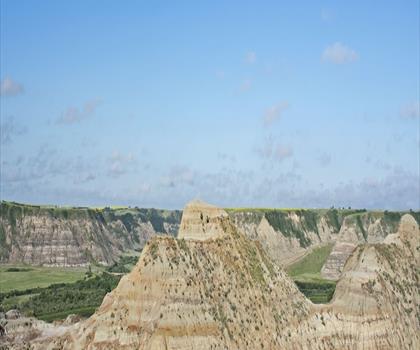
Horsethief Canyon
Canadian Badlands
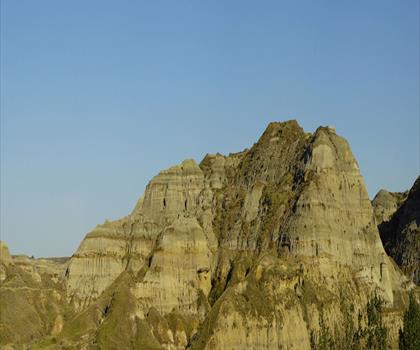
Dinosaur Provincial Park
Canadian Badlands
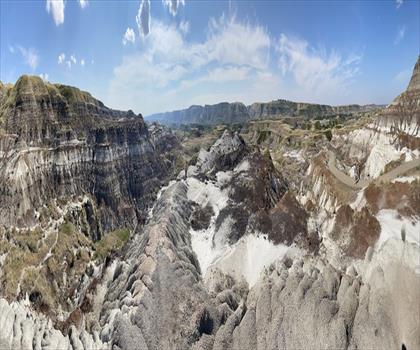
Midland Provincial Park
Canadian Badlands
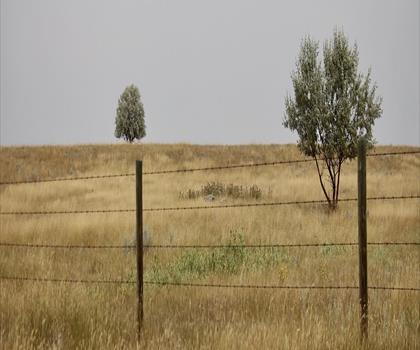
Kinbrook Island Provincial Park
Canadian Badlands

Drumheller HooDoos Trail
Canadian Badlands

Cabin Lake
Canadian Badlands
Hiking near Airdrie
90 trails to explore ~80 km away
We work hard to provide the most up-to-date and error-free data possible. If something seems incorrect, let us know! Your contribution helps the whole community.
Hikers' opinions
Be the first to review!
No hiker has shared their experience yet. Share your impressions and help other hikers!