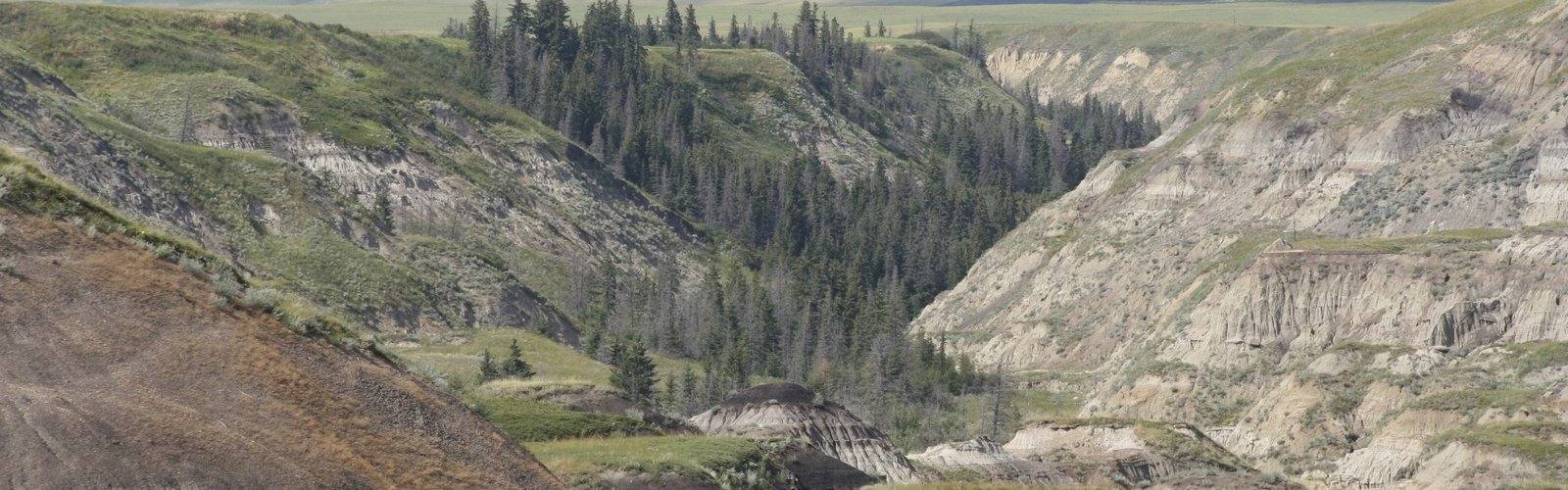
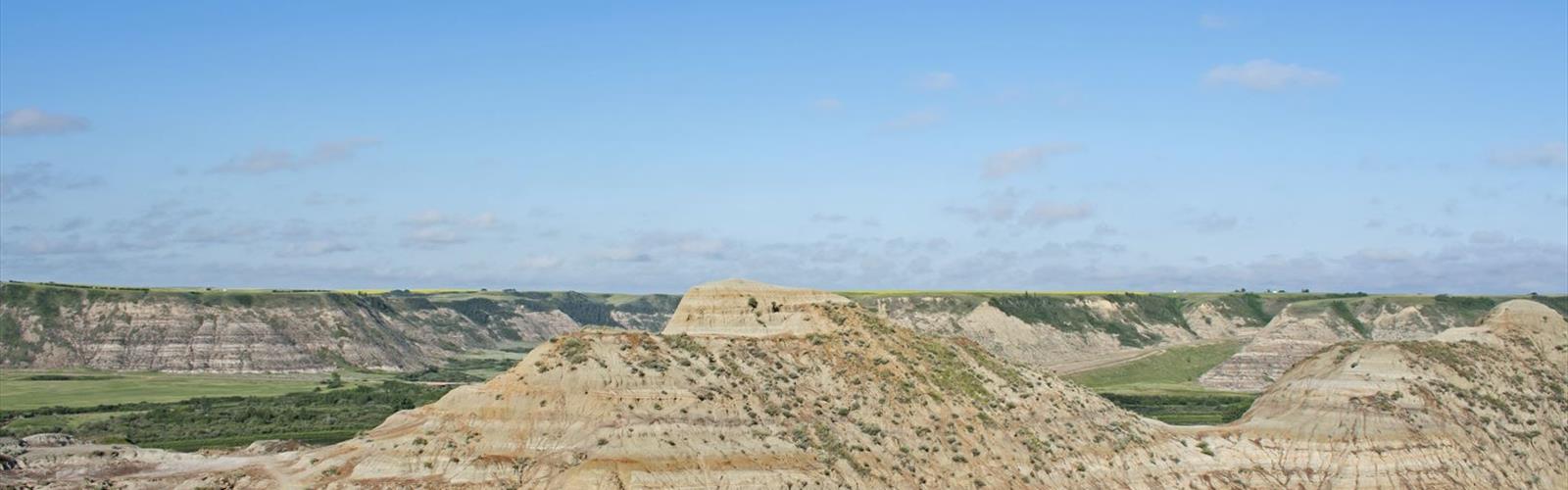
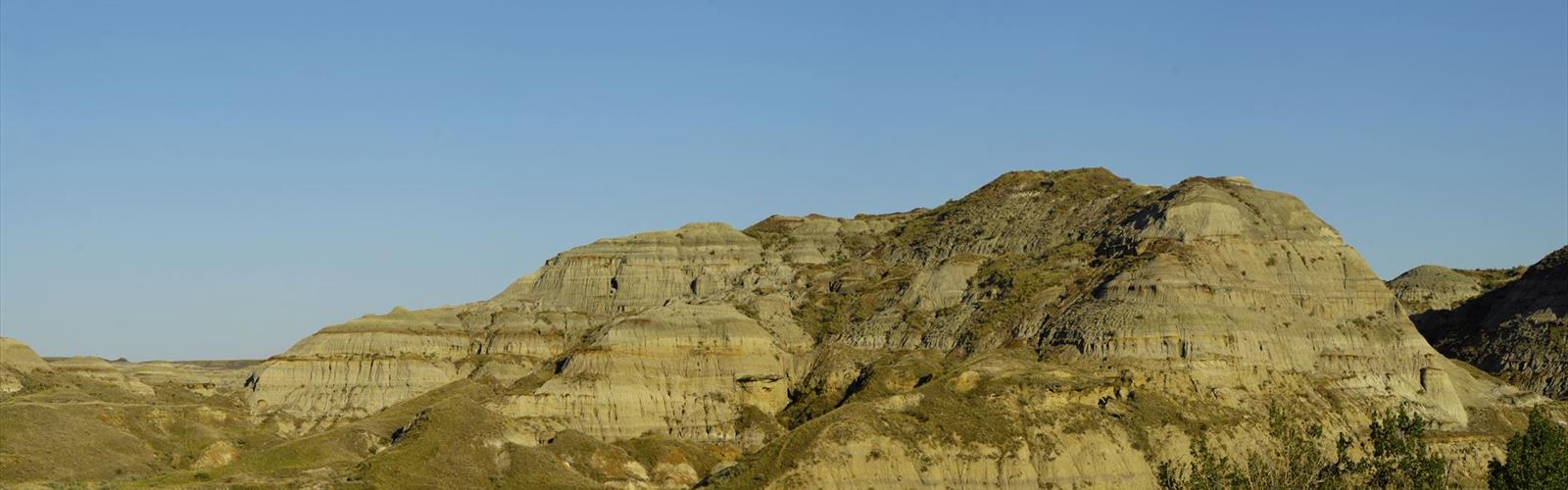
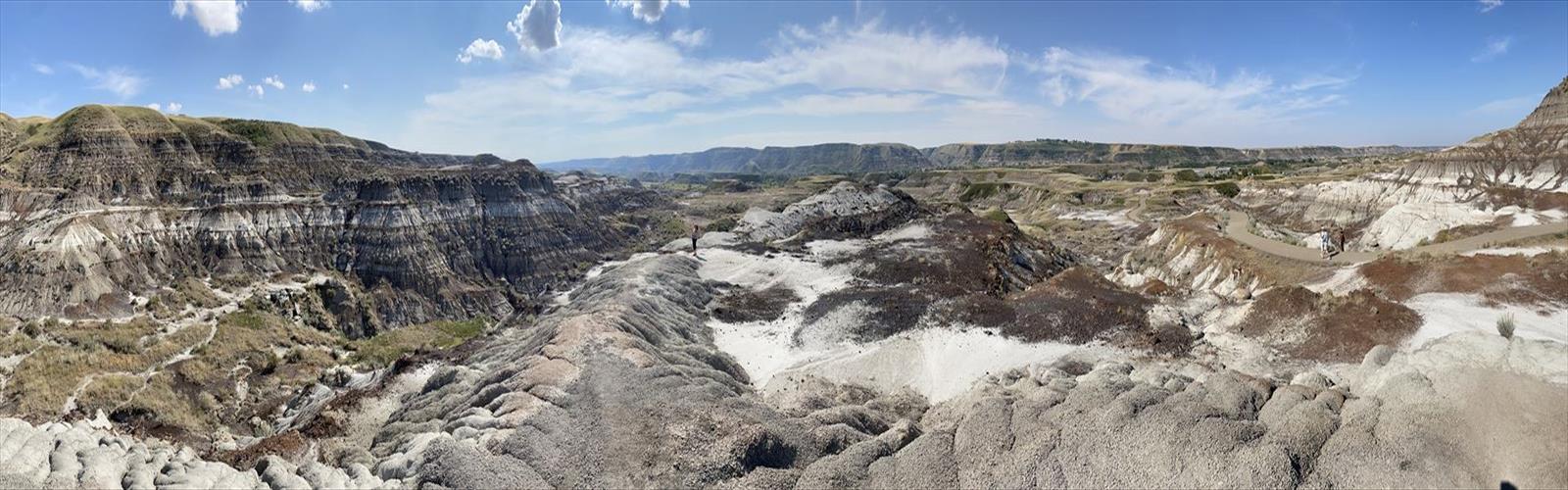
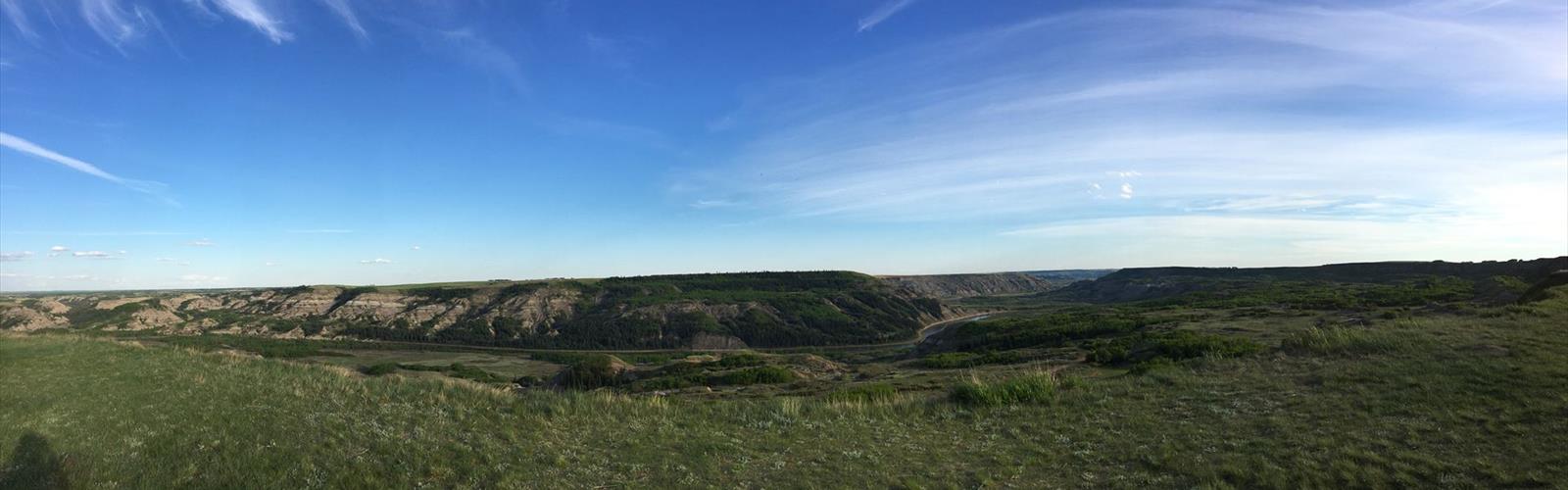
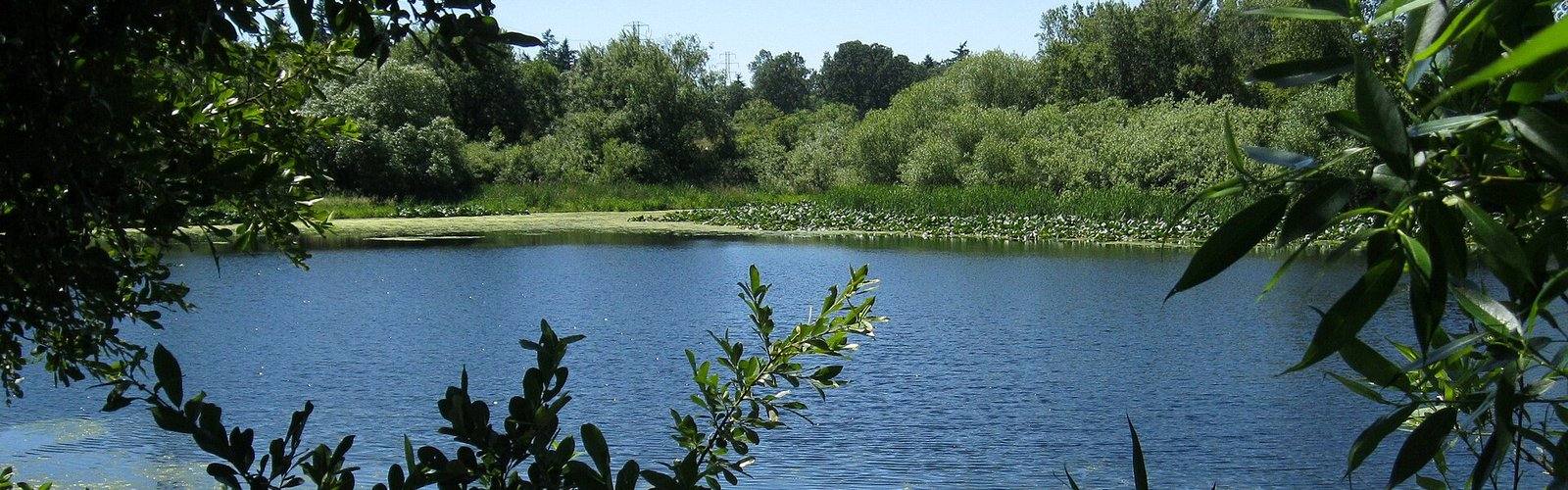
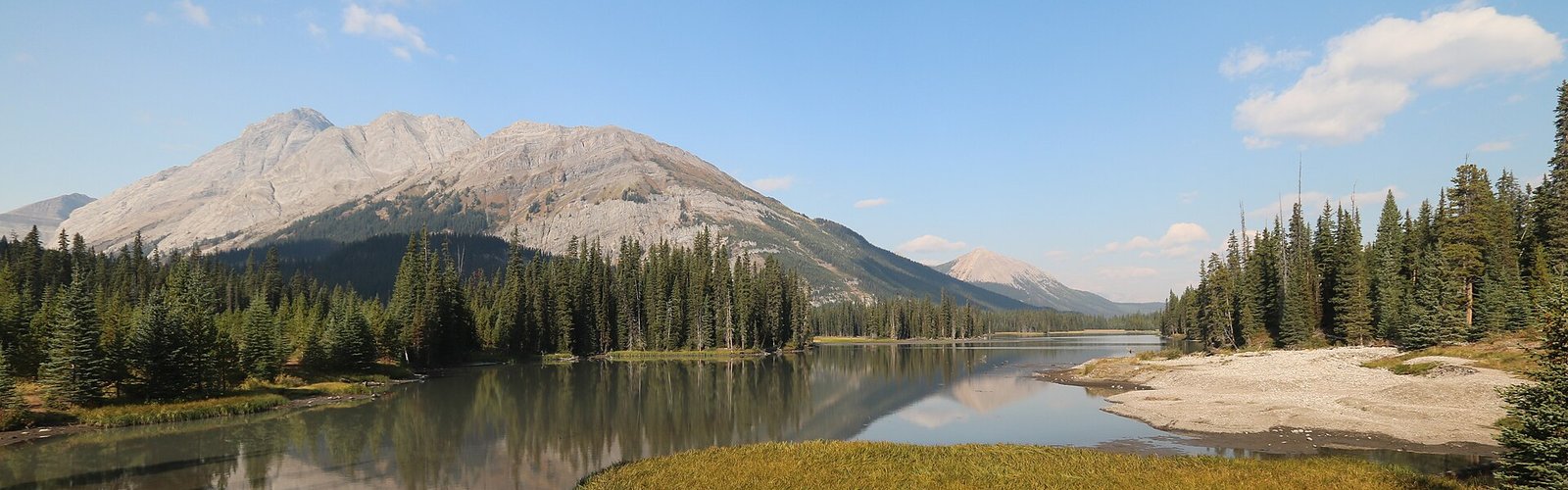
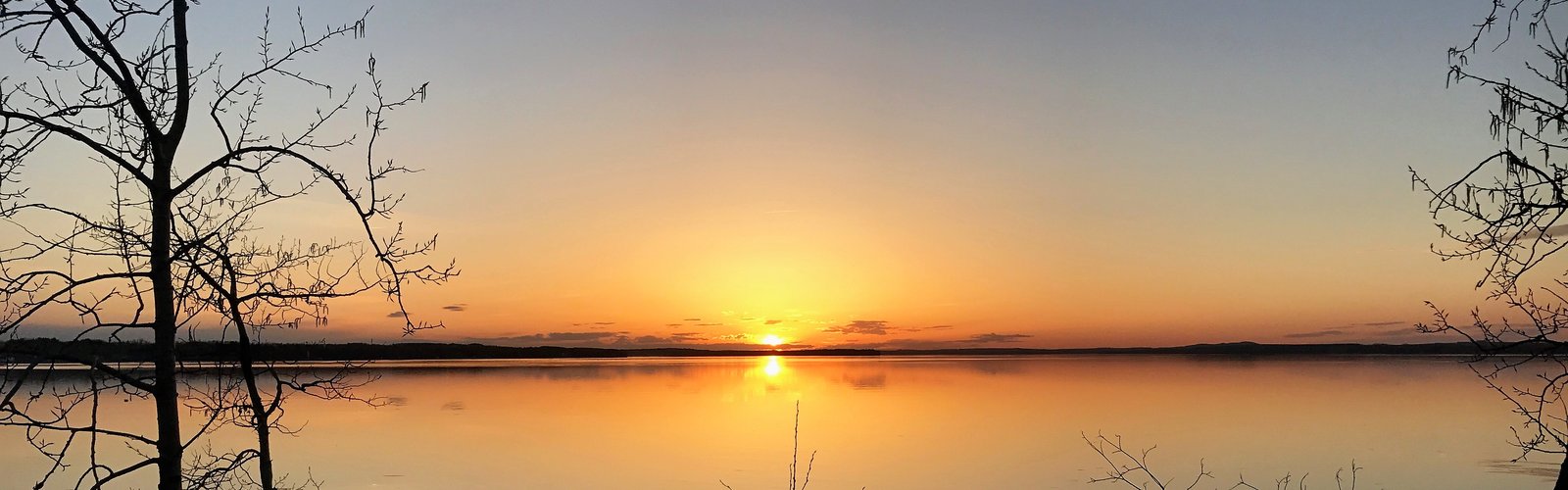
The Canadian Badlands of Alberta offer some of the most otherworldly hiking experiences in North America, where ancient geological formations create a landscape that feels like stepping onto another planet. This unique region combines dramatic hoodoos, fossil-rich terrain, and sweeping prairie vistas to deliver unforgettable Canadian Badlands hiking adventures.
Why Hike in the Canadian Badlands
The Canadian Badlands trails showcase millions of years of geological history carved into the earth's surface. These striking formations were sculpted by wind and water erosion, creating a maze of coulees, canyons, and towering rock pillars known as hoodoos. The region's semi-arid climate supports unique flora including prickly pear cactus and sage brush, while wildlife such as mule deer, coyotes, and over 165 bird species call this area home. The contrast between the rugged badlands terrain and the surrounding prairie grasslands creates a diverse ecosystem perfect for exploration.
Must-Visit Trails and Destinations
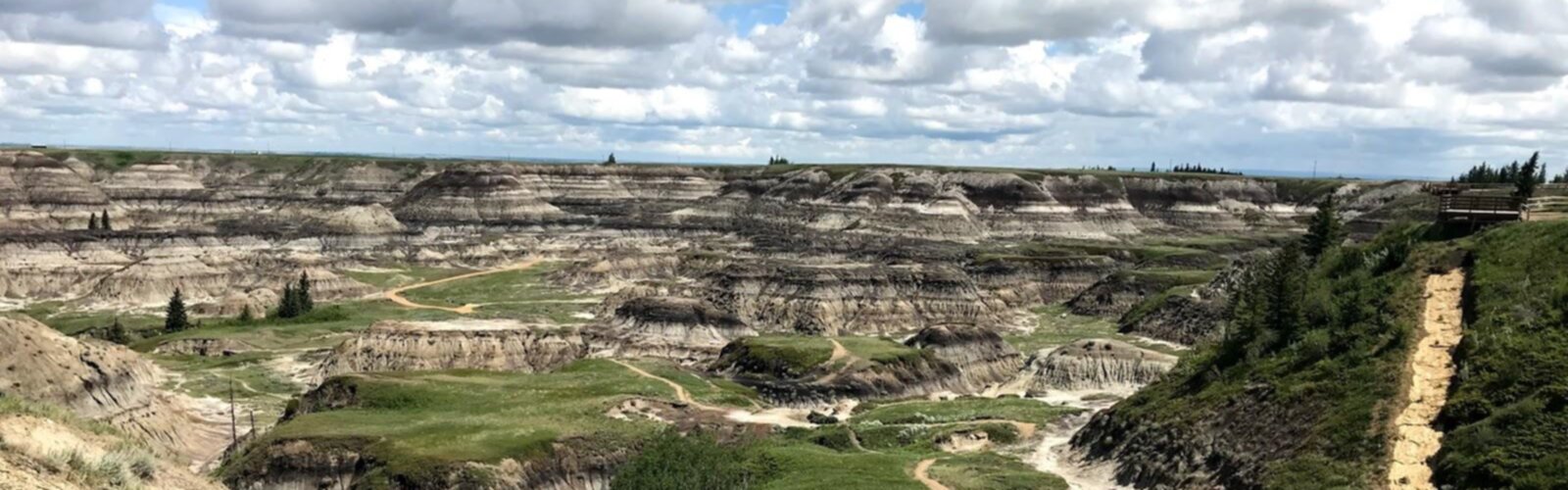
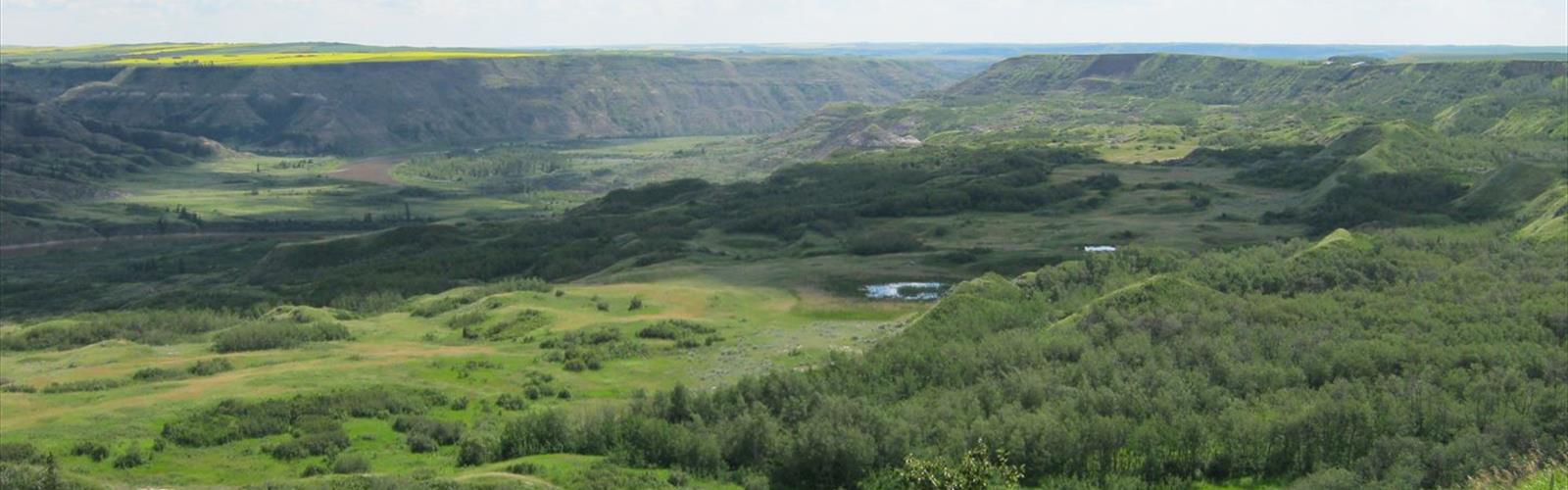
The Canadian Badlands region offers incredible diversity in its trail network. Drumheller Valley provides access to some of the most iconic badlands formations, where hikers can explore the famous hoodoos and discover ancient fossil beds. The Red Deer River Valley offers scenic riverside walks combined with dramatic cliff-top viewpoints. Horseshoe Canyon delivers one of the most photographed landscapes in Alberta, with its amphitheater-like formation and layered rock walls telling the story of prehistoric Alberta.
Fossil Discovery Trails
Many sentiers Canadian Badlands offer opportunities to observe fossils in their natural setting, including remnants of dinosaurs that once roamed this ancient landscape. These educational trails combine outdoor adventure with paleontological discovery, making them perfect for families and geology enthusiasts.
Trail Difficulty Options
The region accommodates hikers of all skill levels with its varied terrain. Easy interpretive walks allow visitors to experience the badlands formations without challenging climbs, while moderate trails venture deeper into canyon systems and offer more extensive exploration. Advanced hikers can tackle longer backcountry routes that combine multiple geological features and provide solitude in this unique landscape.
Beyond Hiking Adventures
Plein air Canadian Badlands activities extend far beyond traditional hiking. Photography enthusiasts flock here for the dramatic lighting conditions, especially during golden hour when the rock formations glow with warm colors. Stargazing opportunities are exceptional due to minimal light pollution, while fossil hunting and rockhounding provide hands-on geological experiences. Mountain biking trails wind through select areas, and the region's rivers offer canoeing and kayaking opportunities.
Planning Your Visit
The optimal time for randonnée Canadian Badlands spans from late spring through early fall, with May through September offering the most comfortable conditions. Summer temperatures can be intense, making early morning or evening hikes preferable. Essential gear includes sun protection, plenty of water, sturdy hiking boots with good traction for loose rock surfaces, and layers for temperature variations. Winter hiking is possible but requires preparation for icy conditions and shorter daylight hours.
Access to most trailheads is straightforward via well-maintained roads, though some remote areas may require high-clearance vehicles. The region's unique geology demands respect – stay on designated trails to preserve fragile formations and fossil sites for future generations.