

Ready to explore Dry Island Buffalo Jump Provincial Park? Here's everything you need to know before you go!
Discover the trail
Trail description
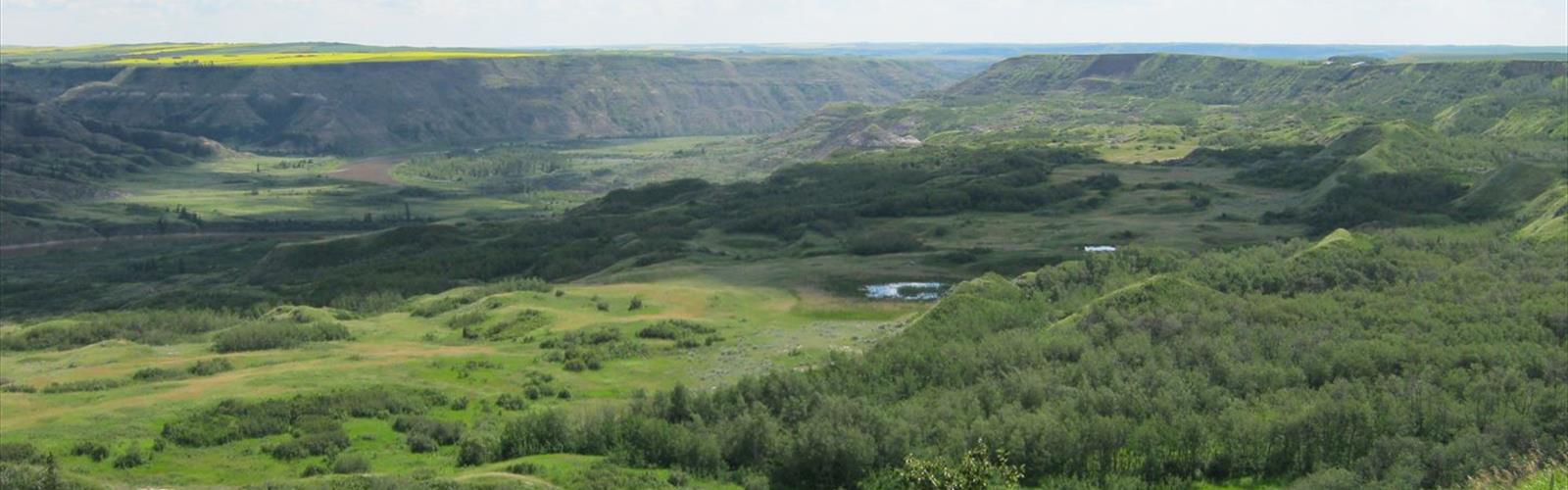
Dry Island Buffalo Jump Provincial Park stands as one of Alberta's most intriguing archaeological and natural sites, where ancient history meets diverse prairie ecosystems. This unique provincial park protects not only a significant Indigenous cultural site but also showcases the dramatic landscape transitions that define this region of central Alberta's badlands.
Archaeological Significance
The park's centerpiece is an ancient buffalo jump, a cliff formation that Indigenous peoples used for thousands of years as a hunting site. These jumps were sophisticated hunting systems where buffalo herds were carefully guided over cliff edges, providing essential resources for survival. The site represents one of the most important archaeological locations in Alberta, offering visitors a tangible connection to the rich Indigenous history of the region.
Interpretive opportunities throughout the park help visitors understand the complex hunting strategies and cultural practices associated with buffalo jumps. The landscape itself tells the story of how Indigenous communities worked with the natural terrain to sustain their way of life across generations.
Diverse Ecosystems
What makes this park particularly fascinating is its remarkable ecological diversity packed into a relatively compact area. The varied topography creates distinct habitat zones, each supporting different plant and animal communities. Visitors can experience multiple ecosystems within a single visit, from grassland prairies to coulees and riparian areas.
The park's location creates a natural meeting point between different ecological zones, resulting in unusually high biodiversity for the region. This ecological richness makes every visit potentially rewarding for wildlife observation and plant identification, regardless of the season.
Trail Experience
The trail system at Dry Island Buffalo Jump Provincial Park offers visitors multiple ways to explore both the cultural and natural features of the area. The main loop follows a figure eight pattern, winding through the varied terrain and providing access to viewpoints, archaeological features, and different ecosystem zones.
Hikers can expect well-maintained trails that accommodate different fitness levels and interests. Some routes focus on reaching the main buffalo jump site and associated viewpoints, while others emphasize the park's natural diversity. The trail network is designed to minimize impact on sensitive archaeological areas while still providing meaningful access to the park's key features.
The terrain varies significantly throughout the park, with some sections following relatively flat prairie areas while others involve more challenging elevation changes as trails navigate the coulee systems and approach cliff areas. This variety keeps the hiking experience engaging and offers different perspectives on the landscape.
Wildlife and Plant Life
The park's diverse habitats support an impressive array of wildlife species. The grassland areas attract typical prairie species, while the coulee and riparian zones provide habitat for different bird species and mammals. The varied topography creates microclimates that support plant communities not typically found together in such proximity.
Birdwatching opportunities are particularly strong throughout the park, with the different habitat zones attracting various species depending on the season. The mix of open grassland, shrubland, and riparian areas creates ideal conditions for observing both resident and migratory species.
Plant enthusiasts will find the botanical diversity rewarding, with native prairie species alongside plants adapted to the more sheltered coulee environments. The changing elevations and exposures throughout the park create opportunities to observe how plant communities adapt to different growing conditions.
Landscape Features
The park's topography is defined by dramatic elevation changes, coulees, and the prominent cliff formations that made this location ideal as a buffalo jump. These geological features create the park's distinctive character and provide the varied terrain that supports its ecological diversity.
Viewpoints throughout the park offer perspectives on both the immediate landscape and the broader regional context. From elevated positions, visitors can appreciate how the park's features fit into the larger prairie landscape and understand why this location was chosen for its historical use.
The interplay between the dramatic cliff areas and gentler prairie sections creates a landscape that feels much larger and more varied than the park's actual boundaries might suggest. This topographical diversity is one of the park's greatest strengths for outdoor recreation.
Seasonal Considerations
Each season brings different opportunities and challenges to Dry Island Buffalo Jump Provincial Park. The varied ecosystems mean that there's always something of interest, whether it's spring wildflowers, summer bird activity, fall colors, or winter landscape photography.
Weather conditions can change quickly due to the open prairie location and varied topography. The elevated areas and cliff zones can be particularly exposed to wind and weather, making appropriate clothing and preparation important regardless of the season.
Planning Your Visit
The park's trail system allows for visits of varying lengths and intensities. Some visitors focus on reaching specific archaeological features or viewpoints, while others prefer to explore the ecological diversity at a more leisurely pace. The trail network supports both approaches effectively.
The combination of cultural significance and natural diversity makes this park appealing to a wide range of interests. History enthusiasts, wildlife watchers, botanists, and general outdoor recreation seekers all find rewarding experiences here.
Given the park's archaeological importance, visitors should be particularly mindful of staying on designated trails and respecting all cultural sites and artifacts. This helps preserve these irreplaceable resources for future generations while ensuring continued public access to this remarkable landscape.
The Essential Hiking Checklist
Everything you need for your next hike. Bilingual, printable, 1 page.
Get your free hiking checklistRecommended gear for this trail
As an Amazon Associate I earn from qualifying purchases.


Ready to go?
Everything you need to know before you goWhen?
How much?
As an Amazon Associate I earn from qualifying purchases.
Affiliate links — LGPO may earn a commission at no extra cost to you.
- Hiking shoes Essential
- → Salomon Elixir Tour Mid WP · 203.38 $
- Layered clothing Essential
- Rain jacket Essential
- Trekking poles
- → Black Diamond Trail Ergo Cork · 69.99 $
- Headlamp
- → Petzl Actik Core 625 · 103.95 $
FAQ - Frequently asked questions
Everything you need to knowSimilar hikes nearby
Discover other trails you might enjoy
Horsethief Canyon
Canadian Badlands
Dinosaur Provincial Park
Canadian Badlands
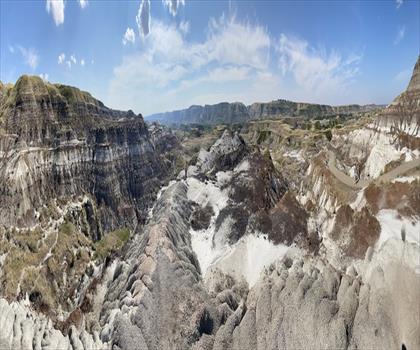
Midland Provincial Park
Canadian Badlands
Kinbrook Island Provincial Park
Canadian Badlands
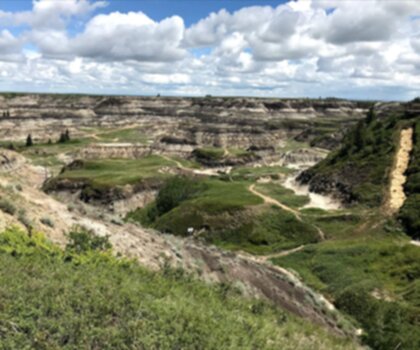
Horseshoe Canyon
Canadian Badlands

Drumheller HooDoos Trail
Canadian Badlands
Hiking near Airdrie
90 trails to explore ~103 km away
We work hard to provide the most up-to-date and error-free data possible. If something seems incorrect, let us know! Your contribution helps the whole community.
Hikers' opinions
Be the first to review!
No hiker has shared their experience yet. Share your impressions and help other hikers!