
Ready to explore Trenville Park? Here's everything you need to know before you go!
Discover the trail
Oh no! We don't have any photos 😢
This trail hasn't been captured yet. Be the first to share your adventure!Trail description
Description
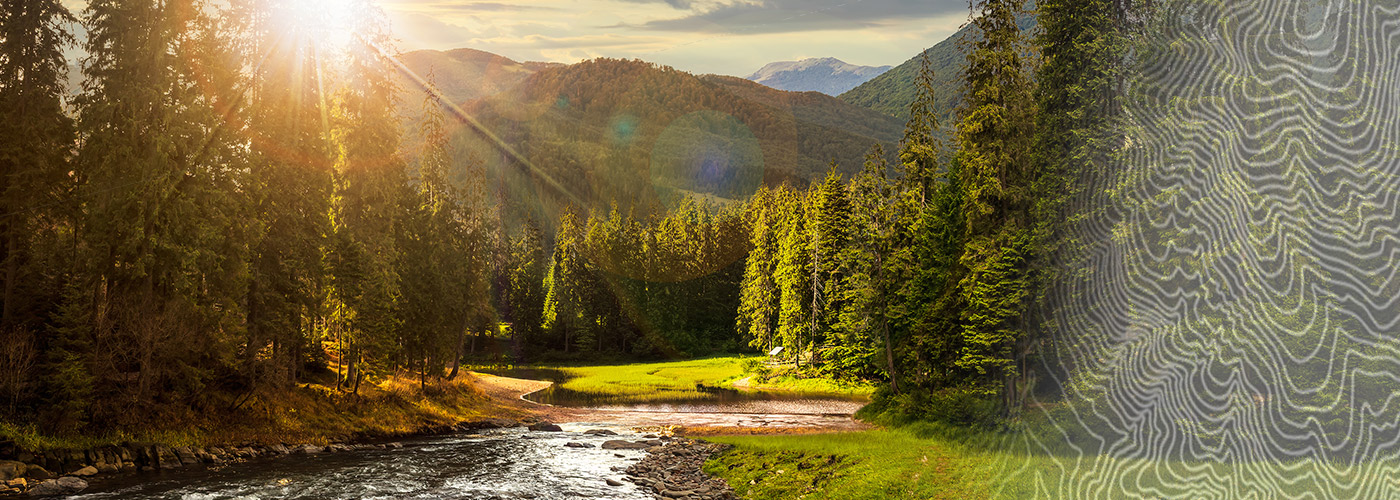
Trenville Park delivers everything you want from a Canadian Rockies hiking experience without the parking hassles and trail congestion of the marquee destinations. Tucked away from the main tourist corridors, this park serves up the full mountain package: dense coniferous forests, crystal-clear streams, and commanding ridge-top views that stretch across multiple ranges of peaks. The solitude factor alone makes it worth the drive, but the varied terrain and reliable wildlife sightings seal the deal.
What sets Trenville apart is how it manages to feel both accessible and genuinely wild. The trail system accommodates everyone from families introducing kids to mountain hiking to seasoned hikers looking for a solid workout without the commitment of a full alpine expedition. You'll find yourself moving through distinctly different environments as you gain elevation, each offering its own rewards and challenges.
Trail System and What to Expect
The park's well-marked trail network gives you options to customize your day based on energy levels and time constraints. The lower elevation sections wind through thick stands of spruce and fir, where the dense canopy creates a natural air conditioning system even on hot summer days. These forested stretches make excellent warm-up terrain, with packed earth underfoot and gentle grades that let you settle into a rhythm.
The constant soundtrack of running water accompanies much of your journey through these lower reaches. Crystal-clear streams flow alongside and occasionally cross the trails, fed by snowmelt and mountain springs higher up. The crossings are straightforward, but you'll want to watch your footing on wet rocks, especially early in the season when water levels run higher.
As you climb the 200 meters of elevation gain, the forest gradually opens up and the character of the hike shifts. The trail surface becomes rockier as you approach the upper viewpoints, and the grade increases noticeably, though well-designed switchbacks keep things manageable. This is where you start earning those panoramic views that make Rocky Mountain hiking so addictive.
The viewpoints scattered throughout the upper trail system offer expansive vistas across layer after layer of mountain ridges. On clear days, the views stretch to the horizon, giving you a real sense of the scale of the Canadian Rockies. These natural rest stops provide perfect spots to catch your breath, refuel, and take photos that actually capture the grandeur of the landscape.
Wildlife Encounters and Natural Features
Trenville Park supports an impressive variety of Rocky Mountain wildlife, and sightings happen frequently enough that you should keep your camera accessible. Elk and deer are regular visitors, particularly during early morning and evening hours when they come to drink from the streams. These large animals often show little concern for quiet hikers, offering excellent photo opportunities for those who maintain appropriate distances and avoid sudden movements.
The park's marmot colonies provide ongoing entertainment throughout the day. These chunky, social rodents inhabit the rocky areas near the viewpoints and display genuine curiosity about human visitors. Their sharp warning whistles often alert other wildlife to your presence, creating a ripple effect of awareness through the ecosystem.
Golden eagles and other raptors frequently soar overhead, riding thermals that rise from the valley floors. The park's elevation and open terrain create ideal hunting habitat for these birds of prey. Watching them glide against the backdrop of snow-capped peaks adds a dramatic element that reminds you you're in genuine wilderness.
Several serene lakes dot the landscape throughout the park, their still surfaces acting as mirrors for the surrounding peaks. These bodies of water provide peaceful spots for extended breaks or picnic lunches, and their shores often reveal animal tracks from overnight visitors. The water runs clear and cold throughout the park, though you should treat any water before drinking despite the excellent quality.
Seasonal Timing and Conditions
Late spring through early fall represents the prime hiking window at Trenville Park, when trails remain accessible and mountain scenery reaches peak appeal. Spring brings wildflowers to the meadows and rushing water to the streams as higher elevation snowpack melts. The energy of the landscape during this season is palpable, with everything coming back to life after the long mountain winter.
Summer offers the most predictable weather and longest daylight hours for extended adventures. Trail conditions stabilize, water crossings become easier, and wildlife activity peaks as animals take advantage of the brief mountain growing season.
Early fall can be spectacular, with aspen groves turning brilliant gold and wildlife becoming more active as they prepare for winter. However, mountain weather becomes increasingly unpredictable during shoulder seasons, so checking current conditions before departure becomes critical.
Winter transforms the park into a completely different environment. Regular hiking trails become impassable, but the area attracts snowshoers and cross-country skiers seeking backcountry experiences away from groomed resort trails.
Planning and Practical Considerations
Mountain weather can shift rapidly regardless of season, so packing layers and rain protection should be standard practice. Even on warm, sunny days, temperatures drop significantly at higher elevations, and afternoon thunderstorms can develop quickly in the Rockies. The difference between comfort and misery often comes down to having the right gear accessible.
Trail conditions vary throughout the hiking season. Early season hikers might encounter muddy sections and stream crossings swollen with snowmelt. Later in the season, some water sources may run lower, making it important to carry adequate supplies for your planned route.
The park accommodates both day hiking and overnight camping. Camping areas sit near the lakes, providing access to water and scenic spots to pitch tents under remarkably clear mountain skies. The minimal light pollution creates excellent stargazing conditions that urban dwellers will find remarkable.
Wildlife safety requires basic mountain awareness rather than paranoia. While encounters with large predators remain uncommon, proper food storage and situational awareness are essential. The elk and deer, while generally tolerant of humans, are large animals that deserve respect and space, particularly during fall rutting season when males become more aggressive.
Before starting your hike, check local weather forecasts and any trail updates from park authorities. Mountain conditions can change due to seasonal factors, weather events, or maintenance work, and current information can prevent unpleasant surprises on the trail.
Ready to go?
Everything you need to know before you goStarting Point
The trails at the trenville park in Alberta can be accessed from the parking lot on the east side of the park.
When?
How much?
- Hiking shoes Essential
- Layered clothing Essential
- Rain jacket Essential
- Trekking poles
- Headlamp
FAQ - Frequently asked questions
Everything you need to knowThe Essential Hiking Checklist
Everything you need for your next hike. Bilingual, printable, 1 page.
Download the free checklistSimilar hikes nearby
Discover other trails you might enjoy
Fossil Mountain
Canadian Rockies
Snake Indian Mountain
Canadian Rockies
Mushroom Peak
Canadian Rockies
Mount Woolley
Canadian Rockies
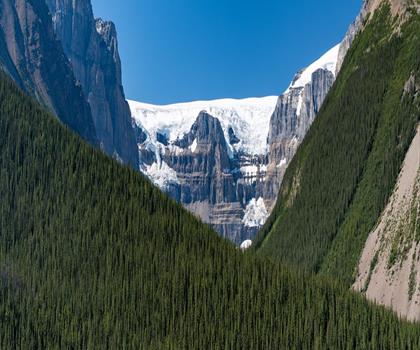
Stutfield Peak
Canadian Rockies
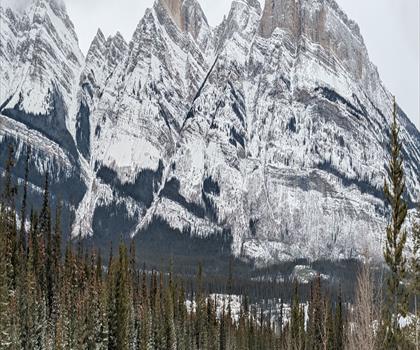
Mount Sarbach
Canadian Rockies
Hiking near Airdrie
90 trails to explore ~112 km away
We work hard to provide the most up-to-date and error-free data possible. If something seems incorrect, let us know! Your contribution helps the whole community.
Hikers' opinions