

Ready to explore Horsethief Canyon? Here's everything you need to know before you go!
Discover the trail
Trail description
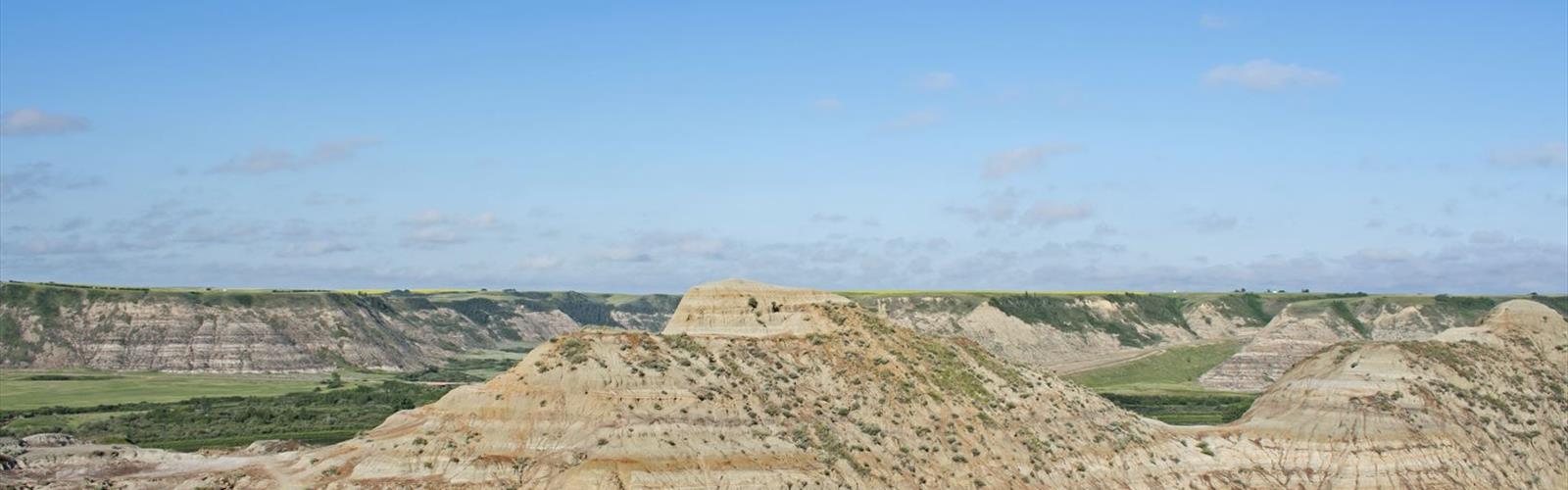
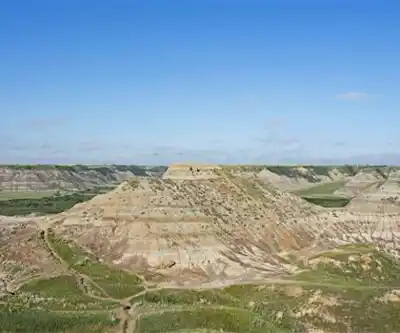
Horsethief Canyon cuts a dramatic swath through the Canadian Badlands, offering hikers an 18-kilometer journey through some of Alberta's most striking geological terrain. This expansive canyon system showcases the raw power of erosion over millions of years, with layered sedimentary rock formations creating a natural gallery of earth tones that shift from deep reds to pale yellows depending on the light.
The canyon's unique position in the badlands creates a landscape that feels almost otherworldly. Unlike the towering peaks typically associated with Alberta's mountain regions, Horsethief Canyon reveals its beauty through depth and breadth. The eroded walls expose geological history in vivid detail, with each stratum telling part of an ancient story written in stone. Wind and water have carved intricate patterns into the rock faces, creating alcoves, pillars, and natural sculptures that change character throughout the day as shadows move across the canyon floor.
The Trail Experience
The 18-kilometer trail system accommodates hikers of varying experience levels, with well-marked paths that navigate the diverse terrain of the canyon environment. The route combines gentle slopes with more challenging ascents, gaining 300 meters of elevation over the course of the hike. Most hikers complete the full circuit in approximately 5.5 hours, though the spectacular scenery often encourages a more leisurely pace with frequent stops for photography and exploration.
The trail begins with relatively easy terrain as it descends into the canyon system. The path winds along the canyon floor, where hikers can examine the geological formations up close and appreciate the scale of the erosional forces at work. This initial section provides an intimate introduction to the badlands environment, with towering walls rising on either side and the sound of footsteps echoing off the rock faces.
As the route progresses, it climbs along the canyon walls, providing increasingly expansive views of the surrounding badlands. The moderate difficulty rating reflects the sustained nature of the hike rather than any particularly technical sections. The terrain varies significantly throughout the journey, with sandy sections alternating with rocky outcrops, and the trail occasionally crossing small washes where seasonal water flow has carved additional channels into the landscape.
The footing remains generally stable, but the varied surface conditions make sturdy hiking boots essential for comfort and safety. Loose gravel on some of the steeper sections requires attention, while the sandy areas can be surprisingly tiring as your feet sink slightly with each step. The trail's design takes advantage of natural ledges and gentler slopes wherever possible, creating a hiking experience that feels challenging without being overwhelming.
Wildlife and Natural Features
The canyon environment supports a surprising variety of wildlife adapted to the semi-arid conditions of the badlands. Hikers frequently spot ground squirrels darting between rock crevices, their quick movements adding life to the seemingly barren landscape. Overhead, hawks and other raptors ride the thermal currents that rise from the sun-warmed canyon walls, often circling lazily as they hunt for prey below.
The area's bird life is particularly active during early morning and late afternoon hours when temperatures are more moderate. Ravens are common companions along the trail, their calls echoing dramatically off the canyon walls. Smaller songbirds find shelter in the scattered vegetation, though they're often heard rather than seen as they move through the sparse cover.
Native plant communities have established themselves in the canyon's microclimates, creating pockets of green that contrast beautifully with the red and tan rock formations. Hardy shrubs and grasses cling to ledges and find purchase in cracks in the rock, while more substantial vegetation grows in areas where water collects during the brief but intense rainfall events that characterize the region. These plants have adapted to extreme temperature variations and limited water availability, developing deep root systems and waxy leaves that help them survive in this challenging environment.
The geological features themselves serve as the canyon's primary attraction. The sedimentary layers reveal millions of years of environmental change, with different colors and textures indicating varying conditions during their formation. Fossil fragments occasionally surface in the exposed rock, though visitors should observe these discoveries without disturbing them, as they provide valuable scientific information about the region's ancient past.
Views and Photography
Horsethief Canyon delivers panoramic views that encompass both the intimate details of the canyon system and the broader badlands landscape. The elevated sections of the trail provide vantage points where the full scope of the erosional landscape becomes apparent, stretching to the horizon in waves of sculpted rock and scattered vegetation. These viewpoints offer perfect opportunities to appreciate the scale of geological time and the forces that shaped this remarkable terrain.
The canyon's orientation means that lighting conditions vary dramatically depending on the time of visit. Morning light illuminates the eastern walls while casting the western faces into shadow, creating strong contrasts that emphasize the rock formations' texture and depth. Late afternoon brings warm, golden light that enhances the natural colors of the sedimentary layers, making this an ideal time for photography.
The interplay of light and shadow across the canyon walls creates constantly changing photographic opportunities throughout the day. The layered rock formations provide natural leading lines that draw the eye deeper into the landscape, while the varied textures and colors offer rich subjects for both wide-angle landscape shots and detailed close-ups of geological features.
Planning Your Visit
The canyon's location within the Canadian Badlands makes it accessible while maintaining the remote character that defines the region. The trailhead provides adequate parking and serves as the starting point for exploring this remarkable landscape, though hikers should come prepared for the unique challenges of badlands hiking.
Water is absolutely essential for any visit to Horsethief Canyon. The semi-arid environment and exposure to sun and wind significantly increase dehydration risk, making it important to carry more water than might be needed for equivalent distances in other environments. The 18-kilometer distance and 5.5-hour duration mean that hikers should plan for sustained exertion in potentially challenging conditions, especially during warmer months when the exposed terrain offers little shade.
Proper footwear becomes particularly important given the varied terrain and loose surfaces common in badlands environments. Hiking boots with good ankle support and aggressive tread patterns provide the stability needed for confident movement across the changing surfaces encountered along the trail. The combination of rocky sections, sandy washes, and occasional loose gravel makes ankle support especially valuable.
Environmental stewardship remains crucial in this fragile ecosystem. The badlands environment recovers slowly from disturbance, making it essential to stay on designated trails and avoid damaging vegetation or geological features. The leave-no-trace principles help preserve the canyon's pristine character for future visitors while protecting the wildlife and plant communities that have adapted to call this harsh but beautiful landscape home.
The Essential Hiking Checklist
Everything you need for your next hike. Bilingual, printable, 1 page.
Get your free hiking checklistRecommended gear for this trail
As an Amazon Associate I earn from qualifying purchases.


Ready to go?
Everything you need to know before you goStarting Point
The start of the trails at the horsethief canyon in Alberta can be accessed from the town of Pincher Creek.
When?
How much?
As an Amazon Associate I earn from qualifying purchases.
Affiliate links — LGPO may earn a commission at no extra cost to you.
- Hiking shoes Essential
- → Salomon Elixir Tour Mid WP · 203.38 $
- Layered clothing Essential
- Rain jacket Essential
- Trekking poles
- → Black Diamond Trail Ergo Cork · 69.99 $
- Headlamp
- → Petzl Actik Core 625 · 103.95 $
FAQ - Frequently asked questions
Everything you need to knowSimilar hikes nearby
Discover other trails you might enjoy
Dinosaur Provincial Park
Canadian Badlands
Midland Provincial Park
Canadian Badlands
Kinbrook Island Provincial Park
Canadian Badlands

Drumheller HooDoos Trail
Canadian Badlands
Horseshoe Canyon
Canadian Badlands

Cabin Lake
Canadian Badlands
Hiking near Airdrie
90 trails to explore ~84 km away
We work hard to provide the most up-to-date and error-free data possible. If something seems incorrect, let us know! Your contribution helps the whole community.
Hikers' opinions
Be the first to review!
No hiker has shared their experience yet. Share your impressions and help other hikers!