

Ready to explore Dry Island Provincial Park? Here's everything you need to know before you go!
Discover the trail
Trail description
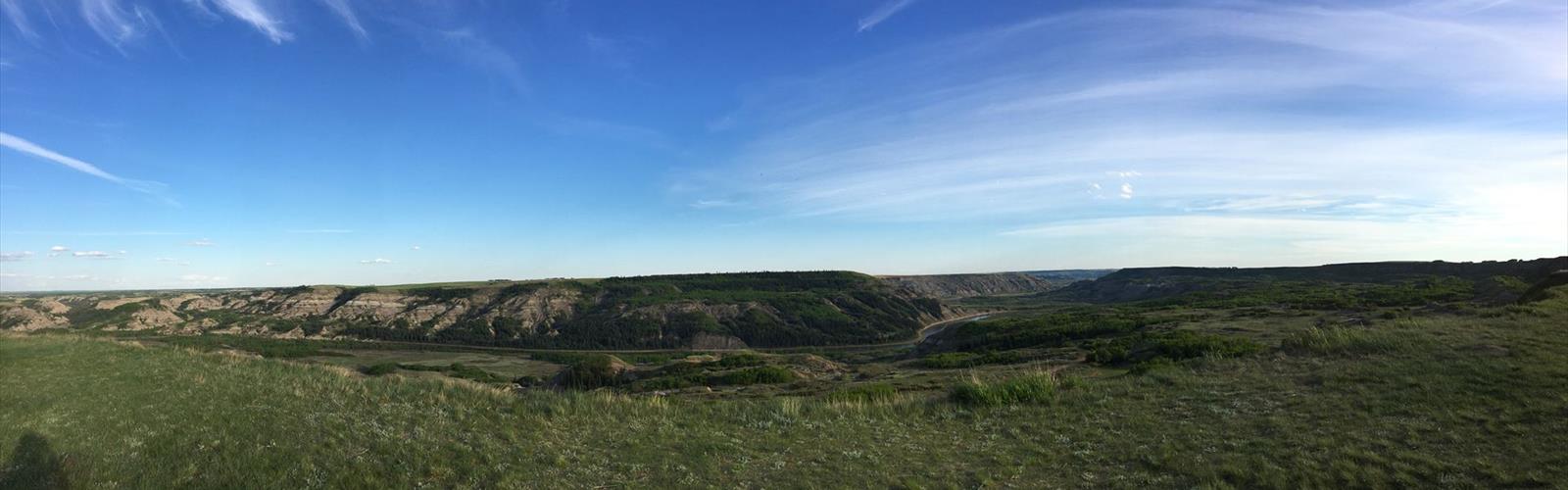
Dry Island Buffalo Jump Provincial Park is one of Alberta's most unexpected landscapes — a place where the badlands break open without warning and the prairie gives way to something that feels almost prehistoric. Located northeast of Red Deer in central Alberta, this park sits within the Red Deer River valley and protects a dramatic stretch of hoodoos, coulees, and eroded canyon terrain that looks nothing like the surrounding farmland. If you've only ever driven through that part of the province on the highway, this park will genuinely surprise you.
The name comes from two distinct features: the "dry island" refers to a flat-topped mesa rising above the river valley, isolated by erosion on all sides — essentially a piece of the original prairie surface left stranded as the land around it wore away. The "buffalo jump" part refers to the historical use of the cliffs by Indigenous peoples, who drove bison over the edges as a hunting method. That history is embedded in the landscape here, and it adds real weight to what you're walking through.
The Terrain
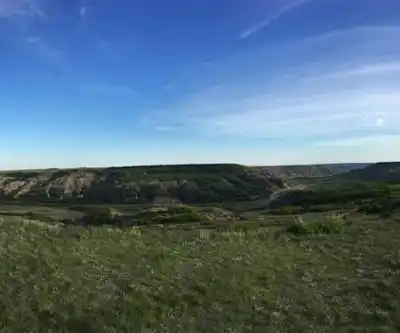
The park sits in the Red Deer River valley, and the terrain is defined by that river's work over thousands of years. You're looking at exposed badlands geology — layered sedimentary rock, eroded coulees, and hoodoos scattered across the valley walls. The colour palette shifts depending on the light: ochre, grey, rust, and pale cream. Early morning and late afternoon are when the canyon walls really come alive.
The "island" itself — that elevated mesa — is covered in rough fescue grassland, which is a sharp contrast to the bare eroded slopes below. Standing on top of it, you get a panoramic view of the valley that's genuinely hard to find elsewhere in central Alberta. The drop-off is abrupt and the sense of exposure is real. It's not a technical climb, but the terrain is uneven and the footing on the slopes can be loose.
The Red Deer River runs through the park and shapes the whole experience. Depending on the season and water levels, it adds sound and movement to what is otherwise a very quiet, open landscape.
Wildlife
Dry Island Buffalo Jump Provincial Park is well known among birders and naturalists. The valley and grassland habitats support a wide range of species. Ferruginous hawks, prairie falcons, and golden eagles are regularly spotted using the thermals above the canyon walls. The rough fescue grassland on the mesa provides habitat for grassland birds that are increasingly rare in Alberta.
Mule deer are common throughout the park, and you may also encounter pronghorn on the open grassland sections. The river corridor brings in additional species, and the mix of habitats — badlands, grassland, riparian — makes this one of the more ecologically interesting parks in the region for wildlife watching.
Hiking at Dry Island Buffalo Jump
The hiking here is informal and exploratory by nature. There are no highly developed, signed trail systems with distance markers and difficulty ratings — this is a park where you navigate the landscape more directly. The terrain itself guides you: coulees, ridge lines, and the river valley create natural routes. That said, the footing on the eroded slopes demands attention. Loose shale, steep angles, and uneven ground are the norm on the descent into the valley and on the slopes around the mesa.
Sturdy footwear is not optional here — trail runners or hiking boots with good ankle support make a real difference. Trekking poles are worth bringing if you have them, especially for the steeper sections. The open nature of the terrain also means there's very little shade, so sun protection and water are essentials, not afterthoughts.
The best approach is to give yourself time to explore without a rigid itinerary. The landscape rewards wandering — a different angle on the hoodoos, a closer look at the exposed rock layers, a pause on the mesa rim to take in the valley below. This isn't a park where you check a box and move on.
Access and Facilities
The park is located off Highway 585, east of Elnora in central Alberta. The access road is gravel, and conditions can vary — after significant rain, the road can become difficult for low-clearance vehicles. It's worth checking conditions before you head out, especially in spring or after heavy weather.
Facilities at Dry Island Buffalo Jump are basic. There is a day-use area with a parking lot, pit toilets, and picnic tables. There is no running water on site, so bring everything you need. The park does not have a campground, making it primarily a day-use destination.
Cell service in the valley is limited to nonexistent, which is worth knowing before you arrive. Download any maps you need ahead of time and let someone know your plans if you're going out alone.
When to Go
Spring and fall are the most comfortable seasons for visiting. Summer heat in the open badlands can be intense — the exposed rock and lack of shade make midday hiking genuinely punishing in July and August. If you're visiting in summer, an early morning start makes a significant difference. Spring brings green to the grassland on the mesa and can offer excellent birding. Fall light on the canyon walls is exceptional.
Winter access depends on road conditions and snowpack. The gravel access road can become impassable after significant snowfall or freeze-thaw cycles.
What Makes This Park Worth the Drive
Dry Island Buffalo Jump Provincial Park doesn't get the same traffic as the mountain parks or even some of the better-known badlands areas further south. That relative quiet is part of what makes it worth visiting. The combination of badlands geology, intact rough fescue grassland, a working river valley, and documented Indigenous cultural history in a single park is genuinely uncommon.
The landscape here is the kind that takes a few minutes to settle into — it's not immediately dramatic in the way that a mountain vista is, but it has a depth and strangeness that stays with you. The dry island mesa rising above the eroded valley, the hoodoos catching afternoon light, the silence broken only by wind and birds — it's a place that earns its name and then some.
The Essential Hiking Checklist
Everything you need for your next hike. Bilingual, printable, 1 page.
Get your free hiking checklistRecommended gear for this trail
As an Amazon Associate I earn from qualifying purchases.


Ready to go?
Everything you need to know before you goWhen?
How much?
As an Amazon Associate I earn from qualifying purchases.
Affiliate links — LGPO may earn a commission at no extra cost to you.
- Hiking shoes Essential
- → Salomon Elixir Tour Mid WP · 203.38 $
- Layered clothing Essential
- Rain jacket Essential
- Trekking poles
- → Black Diamond Trail Ergo Cork · 69.99 $
- Headlamp
- → Petzl Actik Core 625 · 103.95 $
FAQ - Frequently asked questions
Everything you need to knowSimilar hikes nearby
Discover other trails you might enjoy
Horsethief Canyon
Canadian Badlands
Dinosaur Provincial Park
Canadian Badlands
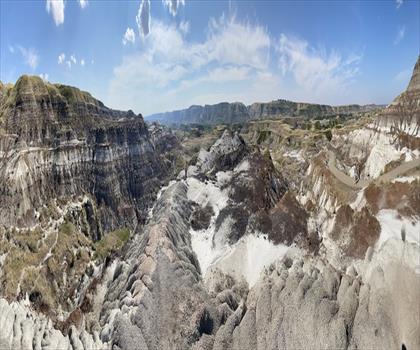
Midland Provincial Park
Canadian Badlands
Kinbrook Island Provincial Park
Canadian Badlands
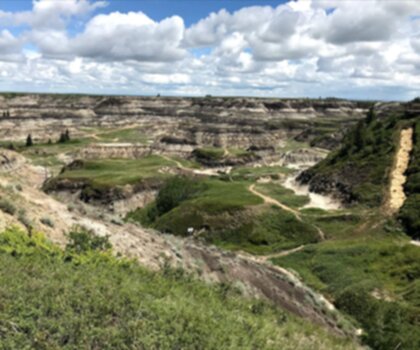
Horseshoe Canyon
Canadian Badlands

Drumheller HooDoos Trail
Canadian Badlands
Hiking near Airdrie
90 trails to explore ~104 km away
We work hard to provide the most up-to-date and error-free data possible. If something seems incorrect, let us know! Your contribution helps the whole community.
Hikers' opinions
Be the first to review!
No hiker has shared their experience yet. Share your impressions and help other hikers!