

Ready to explore Tweedsmuir South Provincial Park? Here's everything you need to know before you go!
Discover the trail
Trail description
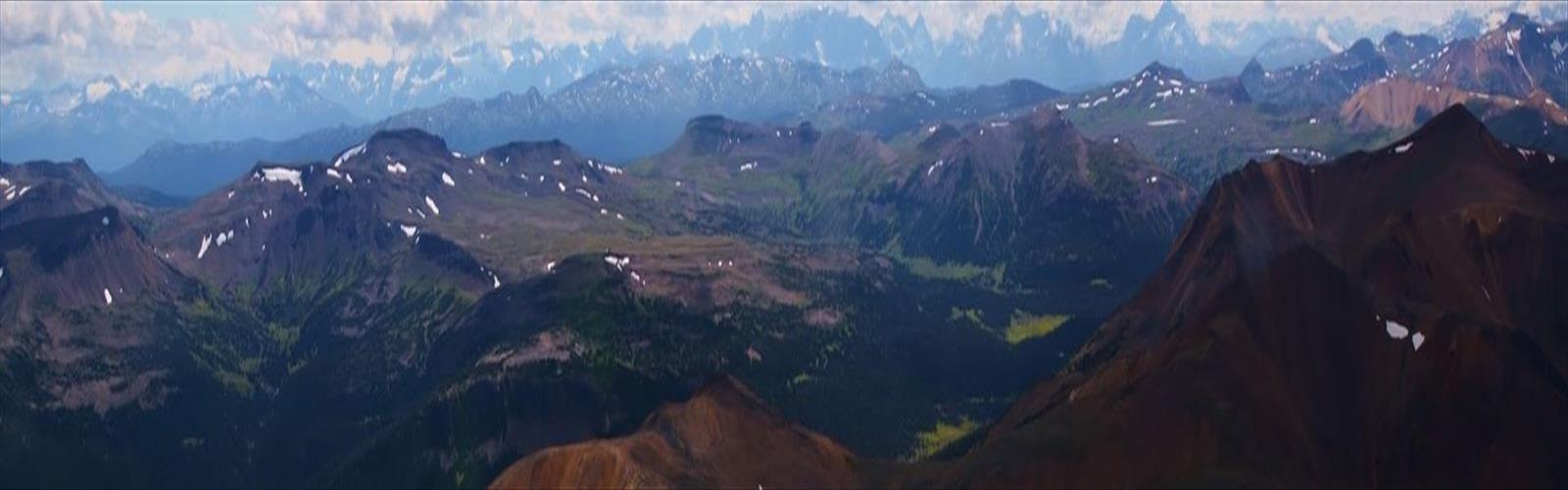
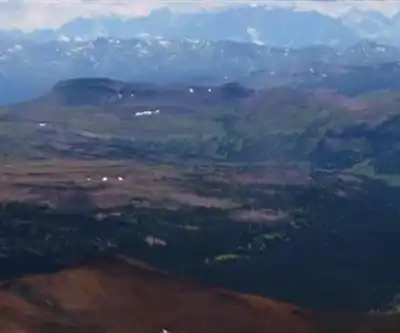
Tweedsmuir South Provincial Park is one of British Columbia's most expansive and remote wilderness areas, located in the heart of the province's interior. Stretching across a vast and largely roadless landscape, this park offers a genuinely wild experience that's hard to match anywhere in western Canada. If you're looking for solitude, dramatic scenery, and the kind of backcountry that demands respect, this is the place.
The Landscape
The park encompasses an extraordinary range of terrain — from river valleys and old-growth forests to alpine meadows and rugged mountain ridges. The Atnarko and Dean rivers carve through portions of the park, and the landscape shifts dramatically depending on where you are. You'll move through dense temperate rainforest in the lower elevations, with towering Sitka spruce, western red cedar, and Douglas fir, before climbing into open subalpine zones where the views open up and the terrain becomes more exposed.
The Bella Coola Valley corridor provides one of the main access points into the southern reaches of the park, and the transition from valley bottom to high alpine is steep and striking. This isn't a park where you drive up to a trailhead and stroll in — reaching the backcountry here takes genuine effort, and that's exactly what keeps it feeling so untouched.
Wildlife
Tweedsmuir South is exceptional for wildlife. The park is part of a critical corridor for grizzly bears, and sightings are a real possibility throughout the backcountry. Black bears, wolves, moose, mountain goats, and caribou also move through the area. The river systems support healthy salmon runs, which in turn draw predators and create the kind of interconnected ecosystem that's increasingly rare.
Birdlife is equally impressive. The old-growth forest zones provide habitat for species that depend on large, undisturbed stands of mature timber. If you spend time near the waterways, expect to see osprey, bald eagles, and a variety of waterfowl. Wildlife viewing here isn't a guaranteed checklist experience — it's the real thing, in a real wilderness setting.
Hiking and Access
Access to Tweedsmuir South Provincial Park is limited and requires planning. There are no paved roads cutting through the core of the park, and most backcountry travel is done on foot, by horse, or by floatplane. The Bella Coola area serves as a practical base for many visitors approaching from the south and west.
Trails within the park range from established routes near the park boundaries to unmarked backcountry travel that requires strong navigation skills and experience in remote wilderness. This is not a park for casual day hikers who aren't prepared — the distances are long, the terrain is demanding, and conditions can change quickly. That said, experienced hikers and backpackers will find the rewards here are exceptional. AllTrails lists 11-12 great trails for hiking and backpacking, with elevation gains ranging from 282 to 5,803 feet (86 to 1,768 m).
Some of the more accessible hiking opportunities are found near the park's edges, where shorter routes allow visitors to get a taste of the landscape without committing to a full multi-day expedition. For those ready to go deeper, extended backcountry trips through the alpine zones and river valleys offer an experience that feels genuinely remote. The lower sections of popular trails, such as the Tweedsmuir Trail near Bella Coola, wind through pine and Douglas-fir forests to vantage points above the Atnarko River Valley.
What Makes This Park Stand Out
What sets Tweedsmuir South apart from other parks in British Columbia — and there's real competition in that category — is the sheer scale of uninterrupted wilderness. This isn't a park that's been heavily developed for tourism. There are no interpretive centres, no paved loops, no crowded viewpoints with selfie stations. What you get instead is one of the largest protected areas in the province, with ecosystems that function largely on their own terms.
The park also sits within a broader network of protected lands that extends north into Tweedsmuir North Provincial Park, creating a massive connected wilderness block. For anyone interested in conservation, ecology, or simply the experience of being somewhere genuinely wild, that context matters immensely.
Practical Considerations
- Access: Plan your route carefully before you go. Road access is limited, and many areas of the park are only reachable by floatplane or extended overland travel. Check current conditions and access points with BC Parks before your trip.
- Bear safety: Grizzly and black bears are present throughout the park. Carry bear spray, know how to use it, and follow proper food storage protocols at all times.
- Navigation: Backcountry travel in Tweedsmuir South requires solid map and compass skills, or GPS proficiency. Trails are not consistently marked in the interior.
- Self-sufficiency: There are no services inside the park. Come fully equipped for the conditions you expect — and then some. Rescue response times in this area are long.
- Leave No Trace: The remoteness of this park is part of what makes it special. Pack out everything you pack in, and minimize your impact on the landscape.
- Permits and regulations: Check with BC Parks for current camping regulations, fire restrictions, and any permit requirements before your visit.
Best Time to Visit
The window for backcountry travel in Tweedsmuir South is relatively short. Snow can linger well into summer at higher elevations, and fall weather can move in quickly. The core summer months offer the most reliable conditions for alpine travel, while the shoulder seasons bring their own challenges and rewards — including the salmon runs in the river systems, which typically peak in late summer and fall.
Winter travel in the park is possible for experienced ski tourers and snowshoers, but the remoteness and avalanche terrain make it a serious undertaking that requires specialized skills and equipment.
Who This Park Is For
Tweedsmuir South Provincial Park is best suited for experienced backcountry travelers who are comfortable with remote, self-supported wilderness trips. It rewards those who come prepared, move carefully, and take the time to engage with the landscape on its own terms. If that describes you, few places in British Columbia will leave a stronger impression.
The Essential Hiking Checklist
Everything you need for your next hike. Bilingual, printable, 1 page.
Get your free hiking checklistRecommended gear for this trail
As an Amazon Associate I earn from qualifying purchases.


Ready to go?
Everything you need to know before you goWhen?
How much?
As an Amazon Associate I earn from qualifying purchases.
Affiliate links — LGPO may earn a commission at no extra cost to you.
- Hiking shoes Essential
- → Salomon Elixir Tour Mid WP · 203.38 $
- Layered clothing Essential
- Rain jacket Essential
- Trekking poles
- → Black Diamond Trail Ergo Cork · 69.99 $
- Headlamp
- → Petzl Actik Core 625 · 103.95 $
FAQ - Frequently asked questions
Everything you need to knowSimilar hikes nearby
Discover other trails you might enjoy
Horn Lake
Cariboo Chilcotin Coast
Emma Lake
Cariboo Chilcotin Coast
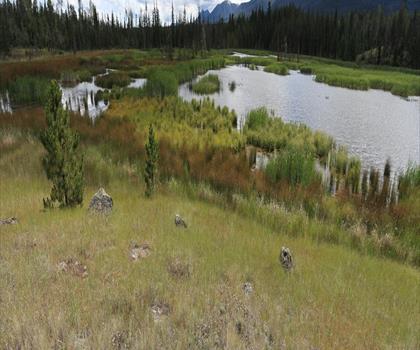
Big Bar Lake
Cariboo Chilcotin Coast
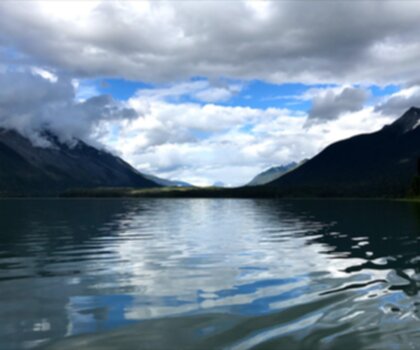
Bowron Lake
Cariboo Chilcotin Coast
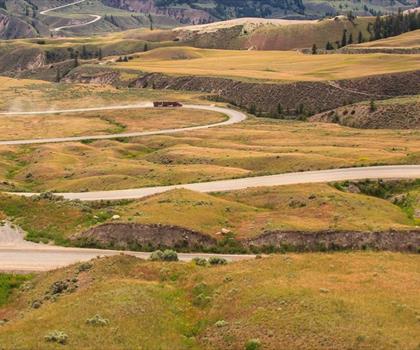
Farwell Canyon Rd
Cariboo Chilcotin Coast
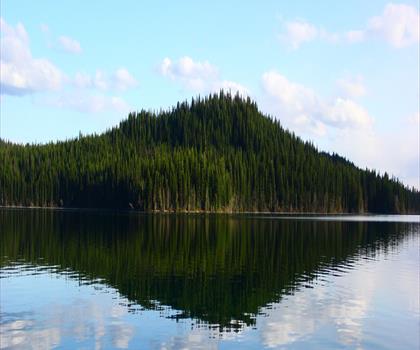
Deka Lake
Cariboo Chilcotin Coast
Hiking near Whistler
160 trails to explore ~351 km away
We work hard to provide the most up-to-date and error-free data possible. If something seems incorrect, let us know! Your contribution helps the whole community.
Hikers' opinions
Be the first to review!
No hiker has shared their experience yet. Share your impressions and help other hikers!