


Ready to explore Lake O'hara & lake Mary & Elizabeth hut? Here's everything you need to know before you go!
Discover the trail
Trail description
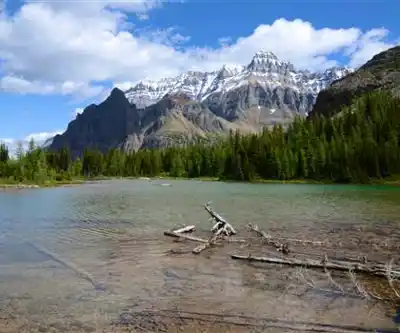
Lake O'Hara is one of those places that earns its reputation. Tucked into the mountains of Yoho National Park in British Columbia, this alpine basin draws hikers who are serious about their time outdoors — and rewards them with some of the most concentrated high-alpine scenery in the Canadian Rockies. The Lake Mary and Elizabeth Hut adds another layer to the experience, giving overnight visitors a base to explore the surrounding terrain at a pace that day-trippers simply can't match.
Getting There
Access to Lake O'Hara is deliberately restricted. Parks Canada limits the number of visitors who can travel the access road each day, which means you need to secure a reservation well in advance — either for the bus service or for a campsite or hut. Walk-in access along the road is permitted, but the distance involved makes it a commitment in itself. This controlled access is a big part of why the area remains as pristine as it does, so plan ahead and book early. Spots fill up fast, often within minutes of reservations opening.
The Terrain
The Lake O'Hara area sits in a classic alpine cirque, surrounded by peaks, ridgelines, and a web of trails that connect lakes, tarns, and viewpoints across multiple elevation bands. The main lake itself is striking — clear, cold water framed by rocky slopes and subalpine forest. From there, the trail network fans out in several directions, giving hikers the flexibility to tailor their day based on fitness, conditions, and how much time they have.
The Lake Mary and Elizabeth Hut is operated by the Alpine Club of Canada and sits above the main lake, offering access to higher terrain that most day visitors never reach. Staying at the hut opens up routes into the upper alpine zone, where the landscape shifts from forest and meadow to exposed rock, snowfields, and wide-open views. The hut itself is a functional backcountry shelter — not a luxury lodge — so come prepared with the right gear and expectations.
What to Expect on the Trail
The trails around Lake O'Hara range from relatively straightforward lakeshore walks to more demanding routes that gain significant elevation and require route-finding skills. The terrain is rocky and can be uneven, so sturdy footwear is a must regardless of which trails you choose. Some of the higher routes involve scrambling or travel on exposed ridges, and conditions can change quickly at elevation — afternoon thunderstorms are common in summer, and snow can linger well into the season.
The trail network is well-marked in the core areas, but the upper terrain near the hut demands more attention and experience. If you're heading into the higher zones, make sure someone in your group is comfortable with map and compass navigation and knows how to read mountain weather. The payoff for that extra effort is access to terrain that feels genuinely remote, even though you're within a national park.
Wildlife and Ecology
The Lake O'Hara basin supports a full range of Rocky Mountain alpine wildlife. Pikas and hoary marmots are common in the rocky areas, and you're likely to hear them before you see them. White-tailed ptarmigan blend into the rocky terrain so well they're easy to miss. The area also falls within grizzly bear habitat, so standard bear safety practices apply — carry bear spray, make noise on the trail, and know what to do if you have an encounter.
The subalpine and alpine ecosystems here are fragile. The restricted access policy exists in part to protect the vegetation and wildlife from the kind of overuse that has damaged similar areas elsewhere in the Rockies. Stay on marked trails, pack out everything you bring in, and follow Leave No Trace principles throughout your visit.
The Lake Mary and Elizabeth Hut
The hut is managed by the Alpine Club of Canada and requires a separate reservation from the Parks Canada bus or campsite booking. It accommodates a limited number of guests and operates on a self-catering basis — you bring your own food and sleeping gear. The hut provides a roof, sleeping platforms, and basic cooking facilities, but it's a backcountry experience, not a guided lodge stay.
Staying at the hut is the best way to experience the upper terrain around Lake O'Hara. With an early start from the hut, you can reach viewpoints and routes that are simply out of reach for day visitors arriving on the morning bus. It's also a genuinely different experience to spend a night in the alpine — the light at dusk and dawn in this basin is something that's hard to describe and easy to remember.
Practical Tips
- Book early: Both the Parks Canada bus reservations and the Alpine Club hut fill up quickly. Check the Parks Canada and Alpine Club of Canada websites for reservation opening dates and set a reminder.
- Weather awareness: Alpine weather in the Rockies is unpredictable. Bring layers, rain gear, and sun protection regardless of the forecast.
- Bear safety: Carry bear spray and know how to use it. Store food properly at the hut and campsite.
- Footwear: Hiking boots with ankle support and good grip are strongly recommended. Trail runners may be adequate on lower routes but are less suitable for the rocky upper terrain.
- Leave No Trace: Pack out all waste, stay on designated trails, and respect the fragile alpine vegetation.
- Altitude: The Lake O'Hara area sits at high elevation. If you're coming from sea level, give yourself time to acclimatize and take it easy on your first day.
Who This Place Is For
Lake O'Hara and the Lake Mary and Elizabeth Hut are best suited to hikers who are comfortable in alpine terrain and prepared for variable conditions. The restricted access and advance booking requirement mean this isn't a spontaneous day trip — it takes planning. But for those willing to put in that effort, the area delivers an alpine experience that stands out even by the high standards of the Canadian Rockies in British Columbia.
Recommended gear for this trail
As an Amazon Associate I earn from qualifying purchases.


Ready to go?
Everything you need to know before you goWhen?
How much?
As an Amazon Associate I earn from qualifying purchases.
Affiliate links — LGPO may earn a commission at no extra cost to you.
- Hiking shoes Essential
- → Salomon Elixir Tour Mid WP · 203.38 $
- Layered clothing Essential
- Rain jacket Essential
- Trekking poles
- → Black Diamond Trail Ergo Cork · 69.99 $
- Headlamp
- → Petzl Actik Core 625 · 103.95 $
FAQ - Frequently asked questions
Everything you need to know
25 hikes under 2 hours from Montreal
Distance, elevation, parking and season for each one. The ones we go back to ourselves.
Get the guideSimilar hikes nearby
Discover other trails you might enjoy

Emerald Lake
Kootenay Rockies

Golden Skybridge
Kootenay Rockies
Mount Stephen
Kootenay Rockies
Bugaboo Provincial Park
Kootenay Rockies
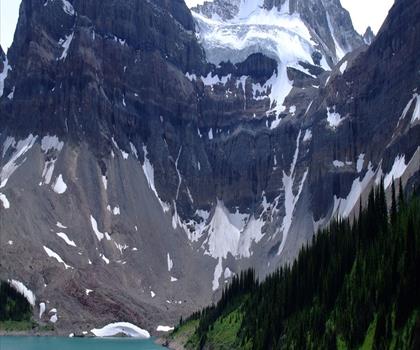
Magog, Lake
Kootenay Rockies
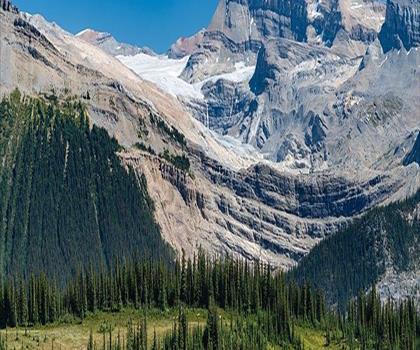
Iceline Trail
Kootenay Rockies
Hiking near Banff
187 trails to explore ~57 km away
We work hard to provide the most up-to-date and error-free data possible. If something seems incorrect, let us know! Your contribution helps the whole community.
Hikers' opinions
Be the first to review!
No hiker has shared their experience yet. Share your impressions and help other hikers!