


Ready to explore Trout Lake? Here's everything you need to know before you go!
Discover the trail
Trail description
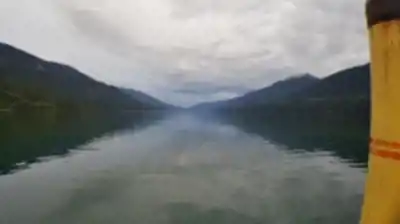
Trout Lake in British Columbia's West Kootenay region stands out as one of the province's premier destinations for fishing, camping, and swimming. This expansive lake offers some of the best trout fishing opportunities in British Columbia, drawing anglers from across the region to its productive waters.
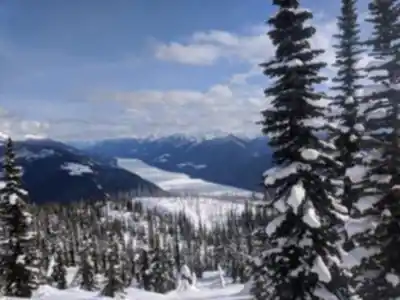
The lake sits in a stunning mountain setting that exemplifies the natural beauty of the Kootenay Rockies region. At 45 kilometers in length, Trout Lake provides ample space for various recreational activities while maintaining the pristine wilderness character that makes this area special. The surrounding terrain rises 500 meters above the lake level, creating dramatic mountain vistas that frame the water and provide excellent hiking opportunities for those wanting to explore beyond the shoreline.
Hiking and Mountain Terrain
The challenging terrain around Trout Lake offers serious hiking opportunities for experienced outdoor enthusiasts. With 500 meters of elevation gain available in the surrounding mountains, hikers can access spectacular viewpoints that showcase the lake's full 45-kilometer length from above. The demanding nature of these hikes requires proper preparation and experience, as the routes traverse rugged mountain terrain typical of the Kootenay Rockies.
The extensive hiking possibilities mean you can spend multiple days exploring different aspects of the area's topography. From the lake's shoreline, various routes lead up into the surrounding peaks, each offering unique perspectives on this massive body of water and the wilderness that surrounds it. The combination of distance and elevation gain creates full-day adventures that reward hikers with some of the most impressive mountain lake views in British Columbia.
Dense forests cover much of the hiking terrain, transitioning from lakeside environments through various elevation zones as you climb toward the peaks. This diversity in ecosystems means hikers experience changing landscapes throughout their journey, from the water's edge through thick forest cover to more open mountain terrain at higher elevations.
Fishing Excellence
Trout Lake has earned its reputation as a world-class fishing destination through consistently productive waters that support healthy trout populations. The lake's size and depth create diverse fishing environments, from shallow bays perfect for fly fishing to deeper sections where trolling proves effective. Anglers can expect to encounter various trout species throughout the lake, with fishing remaining productive across different seasons.
The lake's extensive shoreline provides numerous access points for bank fishing, while those with watercraft can explore the more remote sections that see less fishing pressure. The varied underwater structure and abundant food sources create ideal conditions for trout to thrive, making this one of the most reliable fishing destinations in the West Kootenay region.
Camping and Wilderness Experience
Multiple campsites around Trout Lake cater to different camping preferences and group sizes. These established camping areas provide convenient access to the lake while maintaining the natural setting that campers seek. The campsites offer essential amenities without overwhelming the wilderness experience, striking a balance that works well for both casual campers and those seeking a more rustic outdoor experience.
The camping areas are strategically located to take advantage of the lake's best features, whether that's proximity to prime fishing spots, swimming areas, or scenic viewpoints. The variety of available sites means visitors can usually find accommodation that suits their specific needs, from family-friendly locations to more secluded spots for those seeking solitude.
Swimming and Water Recreation
Several beaches around Trout Lake provide excellent swimming opportunities in the clear mountain water. These natural beaches offer safe entry points into the lake and comfortable areas for relaxing between swims. The water quality remains consistently high due to the lake's mountain setting and limited development around its shores.
One particularly notable feature is the designated dog beach, which allows pet owners to enjoy the lake experience with their four-legged companions. This dedicated area ensures that dogs can safely access the water while maintaining separate spaces for other lake users who prefer a pet-free environment.
Location and Historical Context
Trout Lake's location in the West Kootenay region places it within the broader Kootenay Rockies area, a region known for its exceptional outdoor recreation opportunities. The lake serves as both a destination in itself and a base for exploring the surrounding mountain terrain. Its position provides access to the diverse landscapes that characterize this part of British Columbia's interior.
The rural community of Trout Lake, also known historically as Trout Lake City, sits at the north end of the lake. This small settlement, now largely a ghost town, adds historical interest to visits while providing some infrastructure for lake users. The community's location offers convenient access to the lake's northern sections and serves as a reference point for navigation around the area.
Natural Setting and Wildlife
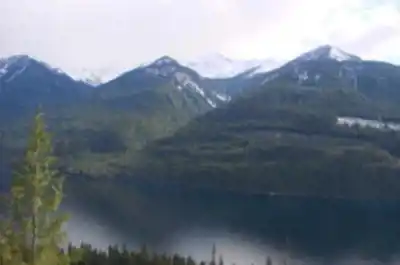
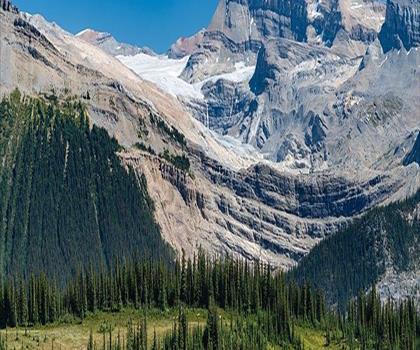
The landscape surrounding Trout Lake showcases the dramatic topography typical of the Kootenay Rockies region. Mountain slopes rise directly from the lake's edges in many areas, creating the kind of alpine lake setting that defines British Columbia's mountain recreation experience. The natural setting remains largely undeveloped, preserving the wilderness character that makes Trout Lake special among British Columbia's recreational lakes.
The lake's 45-kilometer length creates diverse environments along its shores, from protected bays that warm quickly in summer to more exposed sections that maintain the crisp mountain water temperatures preferred by trout. This variety in conditions means visitors can find areas suited to their particular activities and preferences, whether seeking calm water for paddling or more dynamic conditions for other water sports.
Dense forests extend down to the lake's edge in many areas, providing habitat for regional wildlife and creating the kind of pristine mountain lake environment that draws visitors from urban areas seeking an authentic wilderness experience. The combination of water, forest, and mountain terrain creates exceptional scenic beauty while supporting the diverse recreational activities that make Trout Lake a standout destination in the West Kootenay region.
The Essential Hiking Checklist
Everything you need for your next hike. Bilingual, printable, 1 page.
Get your free hiking checklistRecommended gear for this trail
As an Amazon Associate I earn from qualifying purchases.


Ready to go?
Everything you need to know before you goStarting Point
The trout lake trailhead is located on the east side of the lake, about 1.5 km from the lake's outlet.
When?
How much?
As an Amazon Associate I earn from qualifying purchases.
Affiliate links — LGPO may earn a commission at no extra cost to you.
- Hiking shoes Essential
- → Salomon Elixir Tour Mid WP · 203.38 $
- Layered clothing Essential
- Rain jacket Essential
- Trekking poles
- → Black Diamond Trail Ergo Cork · 69.99 $
- Headlamp
- → Petzl Actik Core 625 · 103.95 $
FAQ - Frequently asked questions
Everything you need to knowSimilar hikes nearby
Discover other trails you might enjoy

Emerald Lake
Kootenay Rockies

Golden Skybridge
Kootenay Rockies
Mount Stephen
Kootenay Rockies
Bugaboo Provincial Park
Kootenay Rockies
Magog, Lake
Kootenay Rockies
Iceline Trail
Kootenay Rockies
Hiking near Banff
187 trails to explore ~150 km away
We work hard to provide the most up-to-date and error-free data possible. If something seems incorrect, let us know! Your contribution helps the whole community.
Hikers' opinions
Be the first to review!
No hiker has shared their experience yet. Share your impressions and help other hikers!