
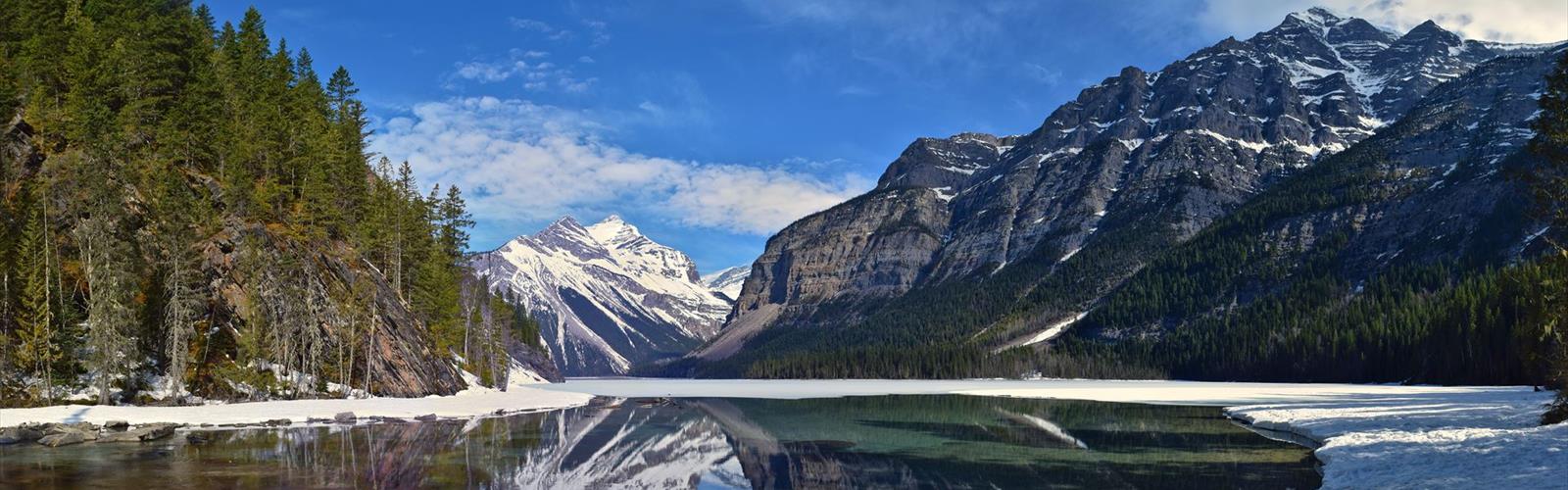

Ready to explore Mount Lake? Here's everything you need to know before you go!
Discover the trail
Trail description
Mount Lake is one of those destinations in British Columbia's Kootenay Rockies that earns its reputation the hard way—through 1,200 meters of elevation gain and 14 kilometers of trail that push you through some genuinely varied and rewarding terrain. This is a full-day commitment at roughly 5.5 hours, and it delivers the kind of alpine payoff that makes every steep switchback worth the effort.
The Trail Experience
The hike to Mount Lake is rated hard, and that rating is honest. The elevation gain is sustained and significant, meaning you'll want to pace yourself from the start rather than burning out before the terrain opens up. The trail moves through distinct zones as you climb—dense conifer forest in the lower sections gives way to more open subalpine terrain as you gain elevation, and the character of the hike shifts noticeably with each transition.
Lower on the trail, the forest canopy keeps things cool and shaded, with a packed earth surface broken up by root crossings and occasional rock steps. It's not technical terrain, but it's not a casual stroll either. The footing demands attention, especially on steeper pitches where loose rock or wet roots can catch you off guard. As the trees thin out and the alpine zone opens up, the trail becomes rockier and more exposed, and the views start to reveal themselves in earnest.
The lake itself sits in a mountain setting that rewards the effort to reach it—clear water reflecting the surrounding peaks, the kind of stillness that's hard to find closer to the trailhead. It's a natural stopping point to eat, rest, and take in what you've climbed to reach.
Wildlife and Natural Features
The elevation range covered on this hike means you're moving through multiple ecosystems in a single outing, and the wildlife reflects that variety. Deer are commonly spotted in the lower meadow sections, particularly during early morning hours. Eagles ride the thermals above the upper terrain, and the transition zones between forest and alpine support a solid range of bird species worth watching for if that's your thing.
The lake holds fish, and the clear mountain water makes it easy to spot them moving in the shallows. For hikers who also fish, combining both activities here is a natural fit—though you'll want to check current BC regulations before bringing gear.
Seasonal Conditions
Summer is the most reliable window for this hike. The full 14-kilometer distance and 1,200-meter gain require dry, stable conditions to be both safe and enjoyable, and summer delivers that most consistently. Trails are fully accessible, daylight hours are long, and the alpine wildflowers are at their peak in the upper sections.
Spring access depends heavily on snowmelt timing. The upper portions of the trail can hold snow well into June, and the lower sections get muddy as runoff works through the soil. Waterproof boots aren't optional in spring—they're essential. Check trail conditions before heading out, as the upper alpine terrain can be significantly different from what you'd encounter at the trailhead.
Autumn brings cooler temperatures and fewer people on the trail, which makes for excellent hiking conditions if the weather holds. The deciduous shrubs and trees in the lower sections turn in fall, adding color to the forest sections of the climb. Layering is important—mornings can be cold, and conditions at elevation can shift quickly.
Winter access to the upper trail and lake is not practical for most hikers without mountaineering experience and appropriate gear. The lower trail sections may be accessible for snowshoeing depending on snow depth and conditions.
Planning Your Visit
At 14 kilometers with 1,200 meters of gain, this is a serious day hike that warrants honest preparation. Budget the full 5.5 hours and don't underestimate the return trip—descending 1,200 meters on tired legs takes time and focus, and rushing it is how ankles get rolled.
Carry more water than you think you'll need. The climb is sustained, and the Kootenay Rockies sun at elevation is stronger than it feels. A minimum of 2 liters is a reasonable starting point for most hikers; more in warm conditions or if you run hot. Bring food for the full day, not just a snack.
Footwear matters on this trail. Sturdy hiking boots with ankle support and a grippy sole handle the varied terrain—from rooted forest floor to rocky alpine—far better than trail runners or light shoes. Trekking poles are worth considering given the elevation gain and the knee load on the descent.
Weather in the Kootenay Rockies can change fast at elevation. Even on a clear morning, afternoon thunderstorms are possible in summer, and the exposed upper terrain near the lake offers no shelter. Check the forecast, start early, and carry a rain layer regardless of what the sky looks like when you leave the trailhead.
The Essential Hiking Checklist
Everything you need for your next hike. Bilingual, printable, 1 page.
Get your free hiking checklistRecommended gear for this trail
As an Amazon Associate I earn from qualifying purchases.


Ready to go?
Everything you need to know before you goStarting Point
The mount lake trailhead is located on the east side of the lake, about 1.5 km from the dam.
When?
How much?
As an Amazon Associate I earn from qualifying purchases.
Affiliate links — LGPO may earn a commission at no extra cost to you.
- Hiking shoes Essential
- → Salomon Elixir Tour Mid WP · 203.38 $
- Layered clothing Essential
- Rain jacket Essential
- Trekking poles
- → Black Diamond Trail Ergo Cork · 69.99 $
- Headlamp
- → Petzl Actik Core 625 · 103.95 $
FAQ - Frequently asked questions
Everything you need to knowSimilar hikes nearby
Discover other trails you might enjoy

Emerald Lake
Kootenay Rockies

Golden Skybridge
Kootenay Rockies
Mount Stephen
Kootenay Rockies
Magog, Lake
Kootenay Rockies
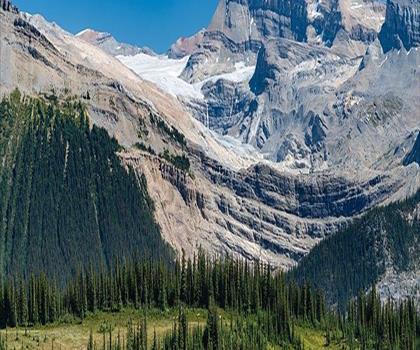
Iceline Trail
Kootenay Rockies
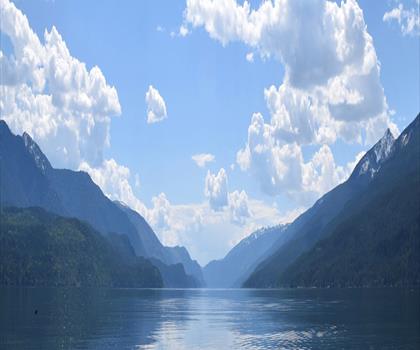
Valhalla Provincial Park
Kootenay Rockies
Hiking near Banff
187 trails to explore ~138 km away
We work hard to provide the most up-to-date and error-free data possible. If something seems incorrect, let us know! Your contribution helps the whole community.
Hikers' opinions
Be the first to review!
No hiker has shared their experience yet. Share your impressions and help other hikers!