

Ready to explore Elk River Trail? Here's everything you need to know before you go!
Discover the trail
Trail description
The Elk River Trail offers hikers an immersive journey through one of Vancouver Island's most pristine wilderness corridors. This backcountry route follows the meandering path of the Elk River, weaving through ancient old-growth forests, across alpine meadows, and alongside crystal-clear mountain waters that define this remarkable landscape.
Trail Character and Terrain
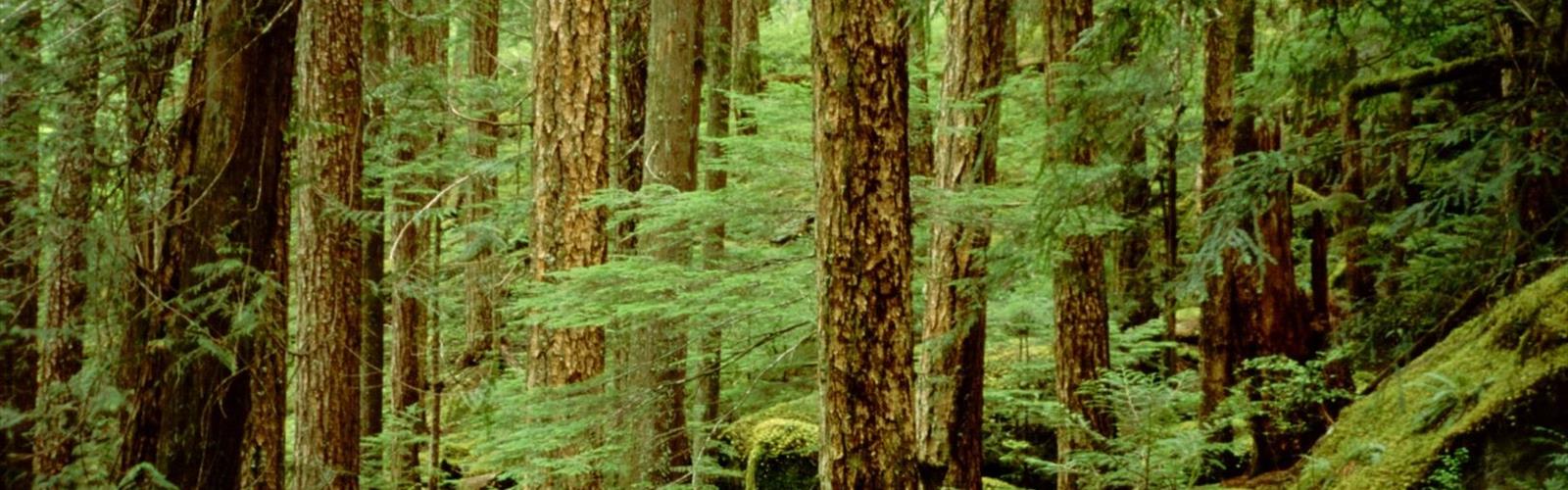
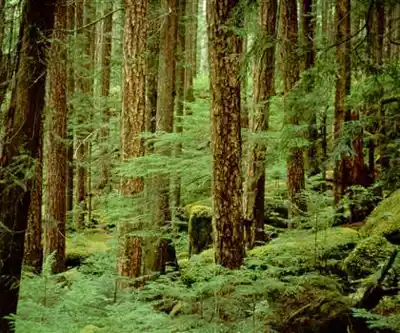
The trail begins in dense coastal rainforest, where towering Douglas fir, western hemlock, and western red cedar create a cathedral-like canopy overhead. The forest floor is carpeted with thick moss, ferns, and fallen logs that serve as nurse trees for the next generation of giants. As you progress deeper into the wilderness, the character of the forest gradually shifts, with Sitka spruce becoming more prominent in the wetter areas near the river.
The path itself varies considerably throughout its length. Early sections tend to be well-defined and relatively gentle, following old logging roads and established wildlife corridors. However, as you venture further from civilization, the trail becomes more challenging, with sections that require careful navigation through boulder fields, across creek crossings, and over fallen timber.
River crossings are a defining feature of this trail, and water levels can vary dramatically depending on the season and recent weather. During spring snowmelt and heavy rain periods, some crossings may become impassable or require significant detours. The river itself is a constant companion, its sound providing a natural soundtrack as it tumbles over granite boulders and carved bedrock channels.
Wildlife and Natural Features
The Elk River corridor serves as a crucial wildlife highway, connecting coastal and interior ecosystems. Black bears are common throughout the area, particularly during salmon runs when they congregate along the river to feed. Roosevelt elk, for which the river is named, can occasionally be spotted in the larger meadows and clearings, though they tend to be more active during dawn and dusk hours.
The river system supports runs of salmon and steelhead, creating seasonal opportunities for wildlife viewing as bears, eagles, and other predators take advantage of this abundant food source. Bald eagles are frequently seen perched in snags along the riverbank, while smaller birds like dippers can be observed diving for insects in the rushing water.
Mountain goats inhabit the higher elevations accessible from the upper reaches of the trail, and their tracks can sometimes be found on muddy sections of the path. Wolves, cougars, and other large predators also use this corridor, though sightings are rare due to their elusive nature.
Seasonal Considerations
The Elk River Trail presents dramatically different experiences depending on the time of year. Summer months offer the most stable conditions, with lower water levels making river crossings more manageable and reducing the risk of washouts. The forest is lush and green, with wildflowers blooming in the meadows and clearings.
Fall brings spectacular color changes as deciduous trees and shrubs turn brilliant shades of red, orange, and yellow. This is also when salmon runs are most active, creating excellent wildlife viewing opportunities. However, increased rainfall can make trail conditions more challenging and river crossings potentially dangerous.
Winter transforms the landscape entirely, with snow accumulation at higher elevations and the possibility of ice formation along the river. While beautiful, winter conditions require advanced backcountry skills and appropriate equipment. Spring brings its own challenges with snowmelt creating high water conditions and potentially unstable trail surfaces.
Navigation and Trail Conditions
Navigation along the Elk River Trail requires attention and preparation. While the lower sections may be well-marked, the backcountry portions can be challenging to follow, particularly where the trail crosses rocky areas or has been impacted by recent storms. Fallen trees, washouts, and overgrown sections are common, especially after winter storms.
Creek crossings vary from simple rock-hopping exercises to more serious ford situations requiring careful planning. Some tributaries have constructed log bridges, but these should always be tested for stability before crossing. During high water periods, alternative routes may be necessary, requiring route-finding skills and potentially extending travel times significantly.
The trail surface ranges from soft forest duff to rocky scrambles, with muddy sections common during wet periods. Root systems from large trees create natural steps and obstacles, while sections through meadows may be boggy or marshy depending on recent precipitation.
Access and Logistics
Reaching the Elk River Trail typically requires driving on forestry roads that may be in various states of repair. Road conditions can change rapidly due to logging activities, washouts, or seasonal maintenance schedules. A high-clearance vehicle is generally recommended, and four-wheel drive may be necessary during wet conditions or in winter.
The trailhead facilities are minimal, reflecting the wilderness character of the area. Hikers should be prepared to be completely self-sufficient, carrying all necessary supplies including water purification, emergency shelter, and navigation equipment. Cell phone coverage is non-existent throughout most of the trail system.
Parking at the trailhead is informal and limited, consisting of pullouts along the forestry road rather than developed facilities. During peak seasons or popular fishing periods, finding parking may require arriving early or walking additional distance from alternative parking spots.
What Makes This Trail Special
The Elk River Trail stands out for its authentic wilderness experience and the sense of remoteness it provides despite being accessible as a day hike. The combination of old-growth forest, pristine river ecosystem, and diverse wildlife creates an immersive natural experience that feels far removed from Vancouver Island's more developed areas.
The trail offers something for different skill levels and interests, from shorter excursions to explore the lower river sections to extended backcountry adventures for experienced hikers. The constant presence of the river provides both scenic beauty and practical considerations, making each trip a unique experience depending on water levels and seasonal conditions.
The Essential Hiking Checklist
Everything you need for your next hike. Bilingual, printable, 1 page.
Get your free hiking checklistRecommended gear for this trail
As an Amazon Associate I earn from qualifying purchases.


Ready to go?
Everything you need to know before you goWhen?
How much?
As an Amazon Associate I earn from qualifying purchases.
Affiliate links — LGPO may earn a commission at no extra cost to you.
- Hiking shoes Essential
- → Salomon Elixir Tour Mid WP · 203.38 $
- Layered clothing Essential
- Rain jacket Essential
- Trekking poles
- → Black Diamond Trail Ergo Cork · 69.99 $
- Headlamp
- → Petzl Actik Core 625 · 103.95 $
FAQ - Frequently asked questions
Everything you need to knowSimilar hikes nearby
Discover other trails you might enjoy
Sandbar Trail
Vancouver Island
Old Baldy Mountain Trail
Vancouver Island
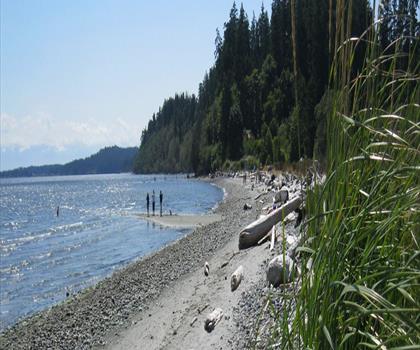
Wittys Lagoon
Vancouver Island

Mount Cain
Vancouver Island
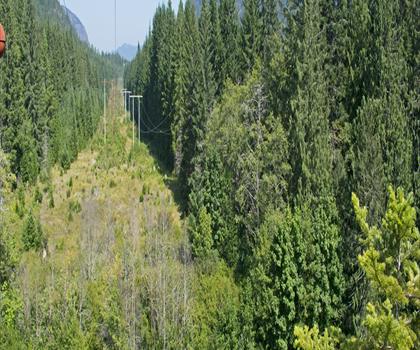
Kings Peak
Vancouver Island
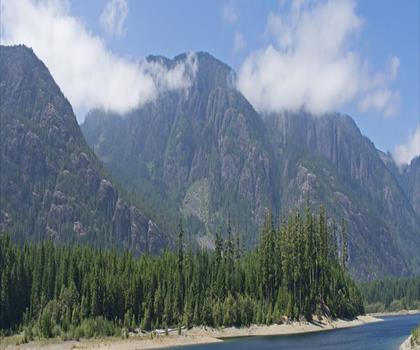
Buttle Lake
Vancouver Island
Hiking near Nanaimo
212 trails to explore ~159 km away
We work hard to provide the most up-to-date and error-free data possible. If something seems incorrect, let us know! Your contribution helps the whole community.
Hikers' opinions
Be the first to review!
No hiker has shared their experience yet. Share your impressions and help other hikers!