

Ready to explore Caribou/Munroes Island Provincial Park? Here's everything you need to know before you go!
Discover the trail
Trail description
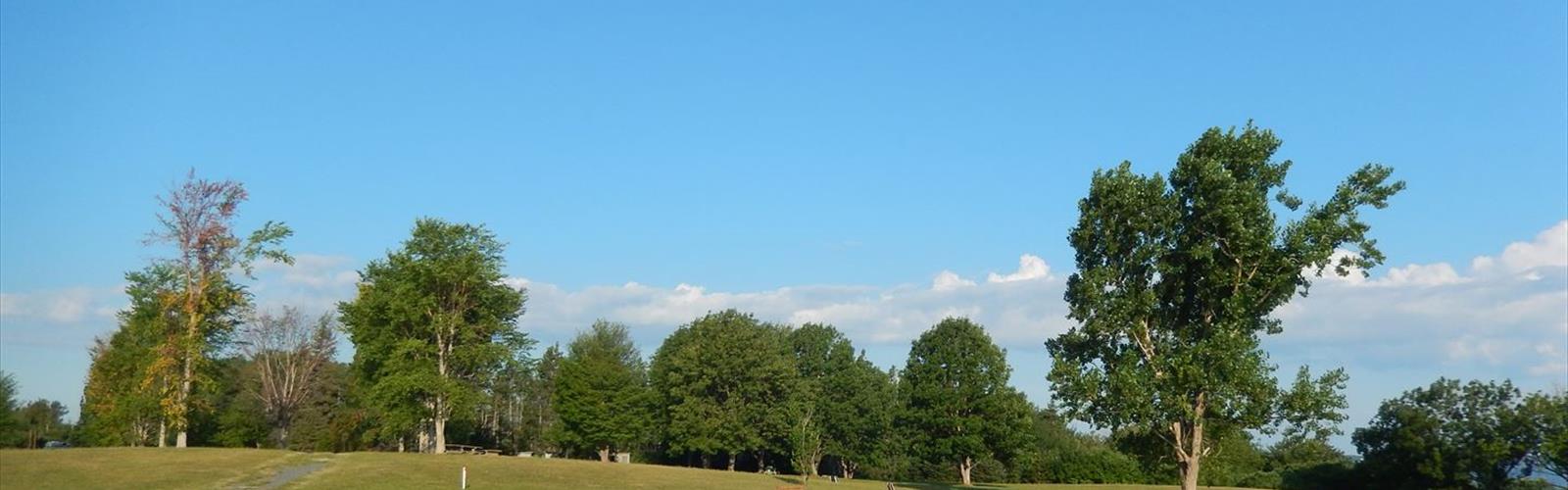
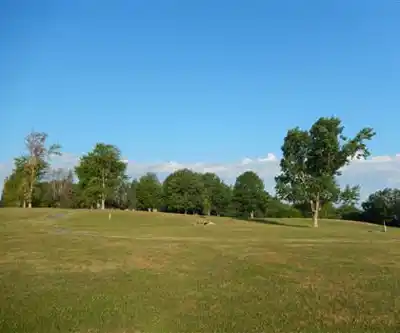
Caribou/Munroes Island Provincial Park sits along Nova Scotia's Glooscap Trail where the Northumberland Strait meets dense Acadian forest. The park covers 200 hectares and combines two very different landscapes in one compact destination: sandy beaches with open water views across to Prince Edward Island, and wooded trails that wind through mixed coastal forest. That combination is what makes it worth the stop — you can hike through the trees in the morning and be on the beach by noon without moving your car.
The Trails
The trail network here is short and accessible. At 2.5 km with only 10 metres of elevation change, you're looking at roughly 45 minutes of easy walking — the kind of outing that works for families with young kids, older hikers, or anyone who wants a relaxed forest walk without committing to a full day. The flat terrain and well-maintained paths mean you don't need any special gear or experience to enjoy it.
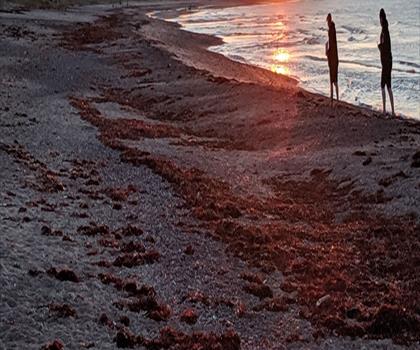
The routes move through two distinct environments. Shoreline sections follow the coast where the path runs on packed sand and the views open up across the Strait. On a clear day, the red cliffs and green fields of Prince Edward Island are visible on the horizon — it's a genuinely striking view that you don't get tired of. These coastal stretches are fully exposed, so they catch the breeze off the water and stay cooler on hot summer days.
The woodland sections feel completely different. The canopy closes in, the light filters down through pine, spruce, and hardwood, and the air carries that mix of salt and pine that's specific to Nova Scotia's coastal forests. The elevation changes are minimal — just enough to give the trail some shape without ever feeling like a climb. These forest paths are where you're most likely to spot deer, especially in the early morning or late afternoon.
Beach Access
The beaches here are a legitimate draw, not just a side feature. The Northumberland Strait warms up significantly through the summer months, making it one of the more comfortable stretches of ocean for swimming in Atlantic Canada. The beaches are wide and sandy with a gentle slope into the water, which makes them particularly well-suited for families. The setup naturally lends itself to a split day — forest trails first, then beach time once the temperature climbs.
Wildlife and Natural Character
The park's position at the edge of two ecosystems — coastal and forest — means wildlife variety is higher than you'd expect for a 2.5 km trail. Deer are common along the woodland paths. The mixed forest draws a solid range of bird species, from songbirds in the canopy to raptors working the forest edges. Along the shoreline, shorebirds move with the tide, and the offshore waters occasionally bring seals or dolphins into view. There are sections of trail where you can see both the forest and the open water at the same time, which gives the park a character that's hard to find elsewhere along this stretch of coast.
Camping
The park has established campsites with washrooms and picnic areas, so it's a viable overnight destination rather than just a day trip. The sites are positioned to take advantage of the setting — some offer forest privacy, others sit closer to the beach. Staying overnight changes the experience considerably: the park is quieter in the evenings, the light on the Strait at sunrise is worth setting an alarm for, and having a base here makes it easier to explore the broader Glooscap Trail region without rushing.
Seasons and Timing
Summer is the obvious peak season — warmest water, best beach conditions, longest days. But the park holds up well into fall, when the mixed forest turns and the coastal views stay sharp as the crowds thin out. Spring brings migrating birds along the coast and wildflowers in the forest understory. The woodland trails remain accessible well into autumn; winter access is more variable and most visitors stick to the late spring through early fall window.
Getting There and Practical Notes
The park is accessible directly from the Glooscap Trail, with parking connected to the trail network so there's no long approach walk before you actually start hiking. Picnic facilities are spread through the park and support full-day visits. The 200-hectare size is manageable — large enough to feel like genuine natural space, compact enough that you won't get disoriented. The trail system is well-signed and straightforward to navigate even if it's your first visit.
The Essential Hiking Checklist
Everything you need for your next hike. Bilingual, printable, 1 page.
Get your free hiking checklistRecommended gear for this trail
As an Amazon Associate I earn from qualifying purchases.


Ready to go?
Everything you need to know before you goStarting Point
The caribou/munroes island provincial park is located in Nova Scotia. To get to the start of the trails, take Highway 104 to Exit 9 and go north on Highway 224 for about 9 km. The park entrance will be on the left.
When?
How much?
As an Amazon Associate I earn from qualifying purchases.
Affiliate links — LGPO may earn a commission at no extra cost to you.
- Hiking shoes Essential
- → Salomon Elixir Tour Mid WP · 203.38 $
- Layered clothing Essential
- Rain jacket Essential
- Trekking poles
- → Black Diamond Trail Ergo Cork · 69.99 $
- Headlamp
- → Petzl Actik Core 625 · 103.95 $
FAQ - Frequently asked questions
Everything you need to knowSimilar hikes nearby
Discover other trails you might enjoy

Gully Lake
Northumberland Shore
Black Brook Falls
Northumberland Shore
Wentworth Falls
Northumberland Shore
Melmerby Beach Provincial Park
Northumberland Shore
Trenton Park
Northumberland Shore
Amherst Shore Provincial Park
Northumberland Shore
Hiking near Truro
70 trails to explore ~63 km away
We work hard to provide the most up-to-date and error-free data possible. If something seems incorrect, let us know! Your contribution helps the whole community.
Hikers' opinions
Be the first to review!
No hiker has shared their experience yet. Share your impressions and help other hikers!