
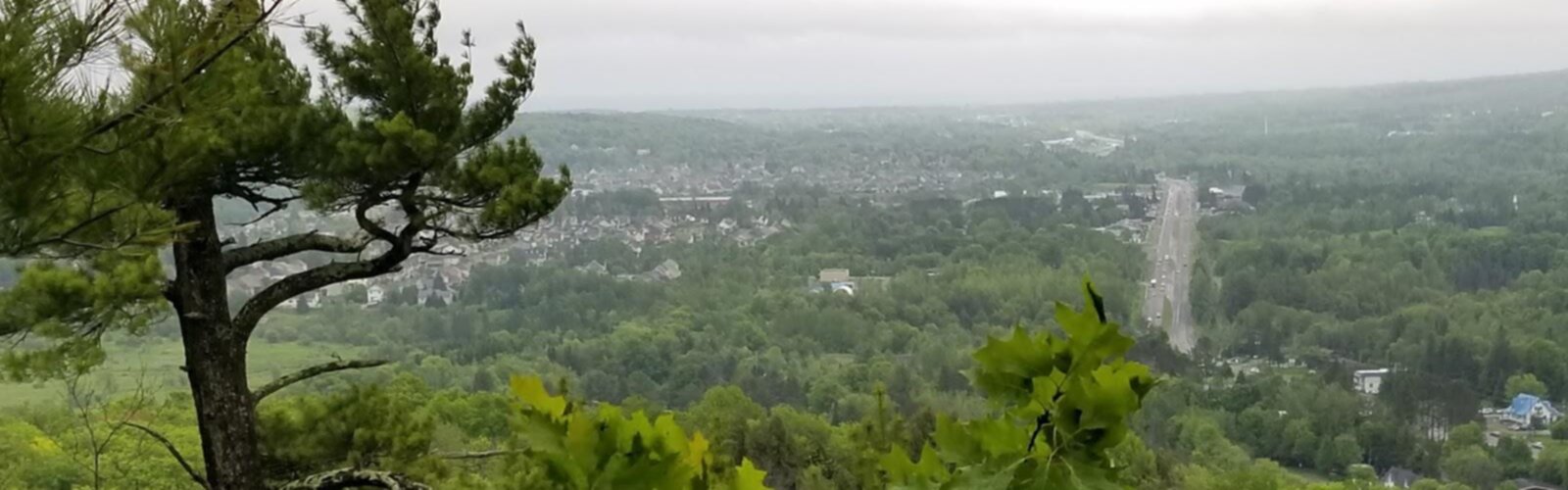

Ready to explore Réserve Naturelle Alfred-kelly? Here's everything you need to know before you go!
Discover the trail
Available trails
| TrailTrails | Dist.Distance | GainElevation | TimeDuration | Difficulty | GPX |
|---|---|---|---|---|---|
|
Intermediate
|
15 km | — | 3h30 | Intermediate |
Trail description
Réserve naturelle Alfred-Kelly is a protected pocket of the Laurentides that feels surprisingly secluded for a place that's just a short drive from Montreal. Spread across more than 500 hectares, the reserve gives you a chance to step into a quieter, wilder slice of the Laurentians—dense forest, water, and terrain shaped by ancient glacial forces—all connected by a network of well-maintained trails.
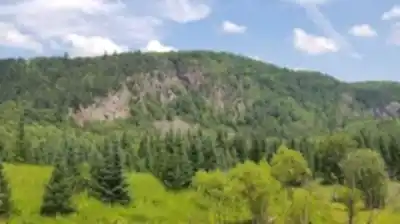
If you're planning a visit, expect a hike where the experience changes as you move: stretches of lush woodland, openings that reveal broader views, and rocky sections where the landscape hints at the region's geological story. It's the kind of place that works whether you're looking for a low-key walk or a hike that keeps you engaged and pays off with panoramas.
What the trails feel like
The reserve is known for its variety of trails suited to different skill levels, from leisurely walks to more challenging hikes. The main trail network covers 15 km with about 200 m of elevation gain, making it an easy hike that typically takes around 4 hours and 15 minutes to complete. This combination gives you plenty of time to explore without feeling rushed—perfect for stopping at viewpoints or lingering near water.
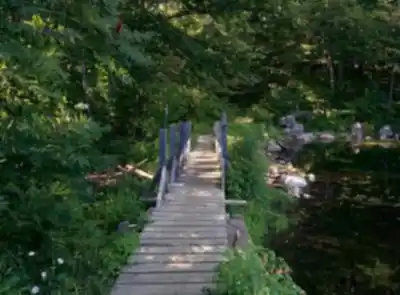
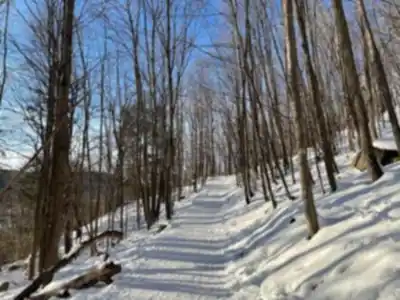
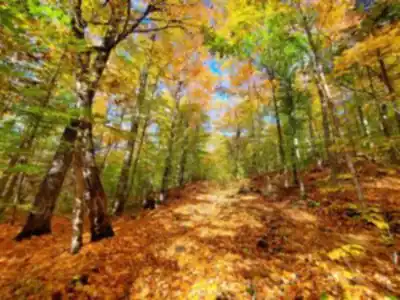
Underfoot, you'll move through classic Laurentian forest—think the fresh scent of pine and that steady hush you only get away from roads and towns—along paths that are maintained and clearly meant to be used by everyday hikers. The terrain shifts from soft forest floor carpeted with fallen leaves to more exposed rocky sections where you can feel the ancient geological forces that shaped this landscape.
Even without getting into technical terrain, the landscape here has personality. The easier sections give you time to look around and listen: wind in the trees, birds calling from the canopy, and the small sounds of water when you're near streams. On the more demanding routes, the effort comes from the varied terrain and the way the trails climb and weave through the landscape, setting you up for those moments where the forest opens and the Laurentides feel bigger.
Landscapes and viewpoints
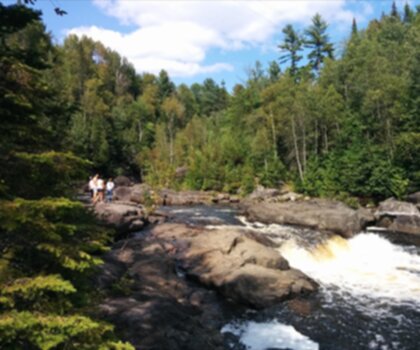
One of the reasons the Réserve naturelle Alfred-Kelly stands out in the Laurentides is how many different types of scenery you can encounter in one protected area. You'll spend a lot of time in lush forests, but the reserve is also renowned for stunning vistas and unique geological formations. Those open views are the kind you earn by sticking with the trail as it rises, and they're worth pacing yourself for—especially if you like taking photos or simply sitting still for a few minutes once you reach a clearer lookout.
The rocky elements aren't just decoration; they're part of the reserve's natural history. The terrain here includes formations tied to ancient glacial activity, which you can feel in the way the ground changes from soil and roots to more exposed rock. If you enjoy hikes where the trail itself tells a story, these sections are a highlight: they add texture to the walk and make the landscape feel distinctly Laurentian rather than just another forest trail.
The gradual elevation changes mean the viewpoints sneak up on you rather than demanding a steep climb. You'll round a bend or crest a gentle rise and suddenly find yourself looking out over the surrounding forest canopy, with distant ridges rolling away toward the horizon.
Water features and rest spots
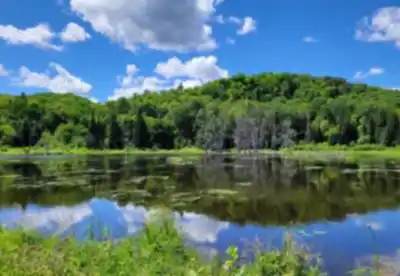
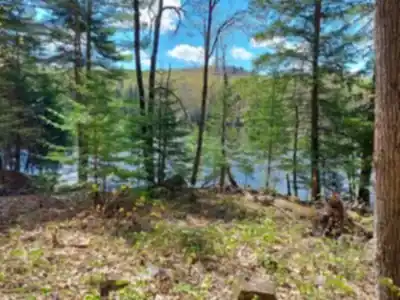
The reserve is home to several picturesque lakes and streams that serve as natural waypoints throughout your hike. These are perfect spots to slow down—whether that's for a snack break, a peaceful picnic, or just a few quiet minutes near the water's edge. On warmer days, these areas can feel like a reset point in the middle of the hike; on cooler days, they're still worth lingering at because the sounds and reflections add a calm rhythm to the outing.
If you're visiting with friends or family, the lakes and streams also give you built-in stopping points that keep the hike feeling manageable. Instead of pushing through a single long loop, you can plan to move from one scenic pause spot to the next, which is often the easiest way to keep a group comfortable and engaged.
The water features also create microclimates within the reserve, supporting different plant communities and attracting wildlife. You'll notice how the forest changes near these areas—often becoming lusher and more diverse as you approach the water's edge.
Wildlife and birding opportunities
Wildlife is a real part of the experience at Réserve naturelle Alfred-Kelly. White-tailed deer are one of the signature sightings here; keep an eye on the edges of the trail where the forest opens up slightly, and you may spot them moving quietly through the woods. Even when you don't see animals, you'll often notice signs of life in the reserve—rustling in the brush, tracks in softer ground, and the constant background of bird calls.
Birdwatchers, in particular, have plenty to look for. Songbirds are common throughout the forest, and you may also have the chance to spot rarer species such as peregrine falcons and barred owls. The best approach is to slow down in quieter sections, listen first, and scan treetops and open sky near viewpoints or water. Moving a little more quietly than usual can make a big difference in what you notice.
The diverse habitats within the reserve—from dense forest to open areas near water—support a wide range of species. Early morning and late afternoon tend to be the most active times for wildlife, so timing your visit accordingly can improve your chances of memorable encounters.
Geological features and natural history
If geology interests you—or if you simply like understanding why a place looks the way it does—make a point of paying attention to the rock formations. The reserve's varied terrain reflects ancient glacial activity, and you'll see that influence in the shapes of the rocks and the way the landscape feels sculpted rather than uniform. These formations are part of what makes the reserve more than a straightforward forest walk: they create natural landmarks along the trails and add visual contrast throughout the hike.
Even if you're not a geology buff, it's worth taking a moment when you reach a rocky section to look around and notice how the forest grows differently where the ground changes. Those subtle shifts—plants, tree density, and the feel of the trail—help you appreciate the diversity the Laurentides can pack into a relatively compact area.
Planning your visit
Before heading out, check trail conditions and plan to bring the basics that make a longer outing comfortable: water, snacks, and appropriate footwear. The trails are well maintained, but the reserve's varied terrain means good shoes matter—especially if you'll be moving between softer forest tread and rockier sections where footing can feel different.
Stick to marked paths and keep your impact low. Staying on the established trails protects the reserve's biodiversity and keeps the hiking experience consistent for everyone. Leave no trace: pack out what you bring in, keep breaks contained to durable surfaces when possible, and avoid disturbing wildlife—especially if you're lucky enough to spot deer or hear an owl nearby.
The reserve works well for solo hikers looking for quiet and focus, and it's also a strong option for groups who want a shared outing with lots of natural talking points—views, water, and interesting terrain. The easy difficulty rating and moderate distance make it accessible to most fitness levels while still providing enough variety to keep the experience engaging throughout the day.
Services and amenities
This information may vary by season.
The Essential Hiking Checklist
Everything you need for your next hike. Bilingual, printable, 1 page.
Get your free hiking checklistRecommended gear for this trail
As an Amazon Associate I earn from qualifying purchases.


Ready to go?
Everything you need to know before you goStarting Point
To get to the Alfred-kelly Nature Reserve trails, you must drive to Saint-Sauveur. Once you arrive in Saint-Sauveur, you must take Principale Street and continue until you reach Chemin du Lac. Then you have to continue on Chemin du Lac until you get to réserve naturelle alfred-kelly.
The trailhead of réserve naturelle alfred-kelly is located in Saint-Sauveur, in the Laurentian region.
When?
How much?
As an Amazon Associate I earn from qualifying purchases.
Affiliate links — LGPO may earn a commission at no extra cost to you.
- Hiking shoes Essential
- → Salomon Elixir Tour Mid WP · 203.38 $
- Layered clothing Essential
- Rain jacket Essential
- Trekking poles
- → Black Diamond Trail Ergo Cork · 69.99 $
- Headlamp
- → Petzl Actik Core 625 · 103.95 $
FAQ - Frequently asked questions
Everything you need to knowSimilar hikes nearby
Discover other trails you might enjoy
Parc De La Rivière Doncaster
Laurentides

Parc Du Domaine Vert
Laurentides

Parc national d'Oka
Laurentides

Sommet Saint-Sauveur
Laurentides

Mont Condor
Laurentides

Montagne Du Dépôt Et Montagne Du Caribou
Laurentides
Hiking near Laval
97 trails to explore ~42 km away
We work hard to provide the most up-to-date and error-free data possible. If something seems incorrect, let us know! Your contribution helps the whole community.
Hikers' opinions
Be the first to review!
No hiker has shared their experience yet. Share your impressions and help other hikers!