

Ready to explore Jardin botanique de Montréal? Here's everything you need to know before you go!
Discover the trail




Available trails
| TrailTrails | Dist.Distance | GainElevation | TimeDuration | Difficulty | GPX |
|---|---|---|---|---|---|
|
Beginner
|
5 km | — | 1h | Beginner |
Trail description
Why this walk feels good
Typically, when people talk about adopting a healthier lifestyle, the focus usually lands on eating better, working out at the gym, and getting enough sleep. Those habits matter, but a walk or hike outdoors can be part of that same plan. Getting outside helps you move more and can have positive effects on your health in a way that doesn’t feel like a chore. Beyond the physical activity, spending time in daylight can also support your mental and physical balance, which is one of the underrated reasons this kind of easy outing can fit into everyday life.
What makes Jardin Botanique De Montréal stand out
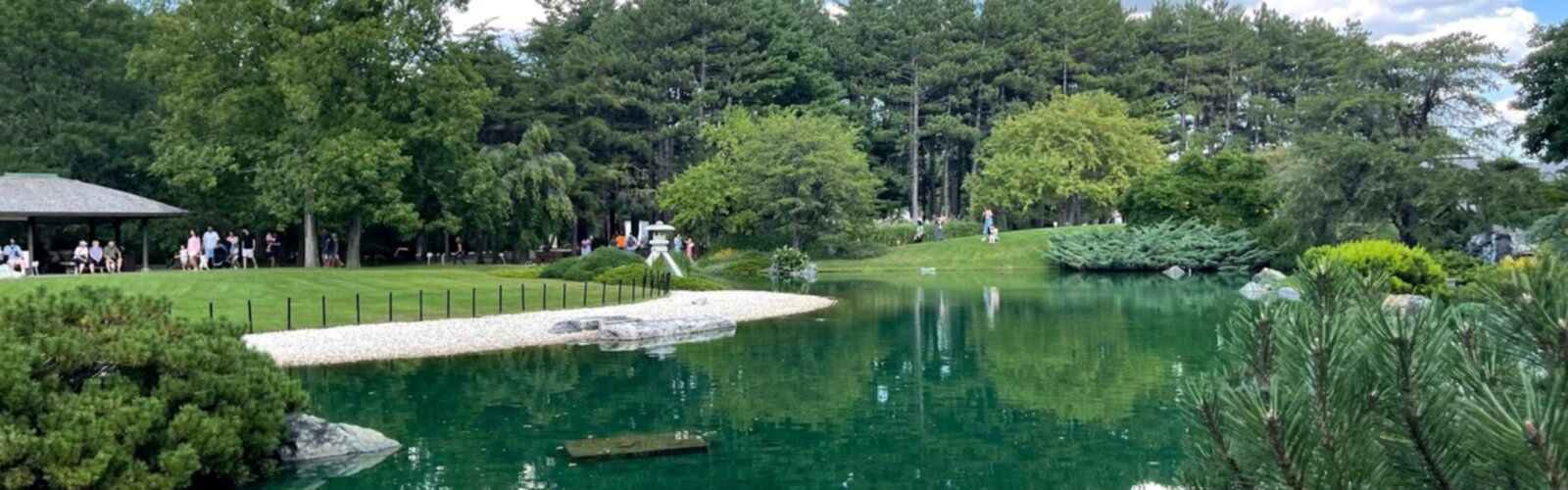
In Montréal, Jardin Botanique De Montréal stands apart from typical walking trails because it’s built around an unusually rich collection of living plants rather than viewpoints or rugged terrain. The garden is known for a remarkably diverse range of old, rare, and endangered plants, making the experience feel more like moving through a series of outdoor “rooms” than following a single path from point A to point B.
As you walk, you’ll notice how much the site reflects the horticulture of southern Quebec, with a colorful and exotic floral heritage woven throughout. This isn’t a quick look-and-leave stop; it’s the kind of place where you naturally slow down because there’s always something new at your feet, at eye level, and overhead—textures, shapes, and plant forms that aren’t part of a typical city stroll.
Route feel and effort level
The walking route here can be done as a 5 km outing, with only about 10 m of elevation gain. That keeps it firmly in the easy category and makes it approachable for a wide range of visitors, including anyone looking for a low-effort way to spend time outdoors. Because the elevation change is minimal, the “challenge” isn’t steep climbs or rough footing—it’s simply deciding how long you want to linger in each section and how many garden areas you want to explore at a relaxed pace.
Terrain-wise, expect a walk that feels more curated than wild. Instead of navigating roots and rocks, you’ll be moving through landscaped spaces designed to showcase plant collections. The experience is less about pushing mileage and more about steady, comfortable walking with frequent pauses to look closely at plant groupings and features along the way.
Plant collections you’ll actually notice
A big part of what you’ll see here is the way the garden balances plants that need extra care with ones that can handle the local climate. For the 70% of the crops grown outdoors, the plants are chosen and managed so they can adapt well to the Quebec winter. That detail matters as you walk through: it’s a reminder that what you’re seeing isn’t temporary decoration, but a collection shaped by real seasonal conditions.
If you enjoy plant variety, this is where the garden shines. The diversity isn’t limited to one theme or one style. It’s the kind of place where a short walk can take you from familiar regional plantings to displays that feel more unusual or unexpected, with the emphasis always on showcasing living specimens—especially those that are old, rare, and endangered.
Garden areas and the “discovery” factor
The Botanical Garden isn’t limited to an extremely varied flora in the general sense; it also includes the great Chinese, Japanese, and First Nations gardens. Walking through these spaces adds a strong “discovery” element to the outing. Even if you’ve visited botanical gardens before, moving from one distinct area to the next keeps the experience from feeling repetitive.
This variety turns a simple walk into what feels like a true discovery activity. You’re not just putting in steps—you’re encountering different styles of planting, landscaping, and atmosphere. It’s also an opportunity to learn more about a unique landscape of plants without needing any specialized knowledge in advance. If you like reading labels, pausing to compare shapes and textures, or just taking in the setting, the layout makes that easy.
Water features and the overall vibe
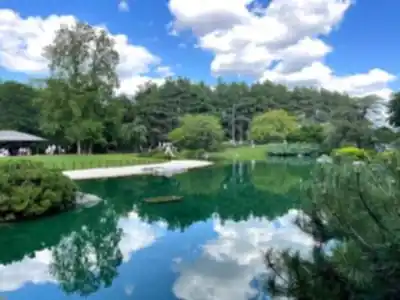
One of the most relaxing parts of the visit is the presence of water features. These aren’t just background details; they shape the mood as you move through the gardens. The sound and look of water naturally encourages slower walking and more stopping points, which fits well with the low-elevation, easy-distance nature of the route.
Between the plant collections and the water elements, the overall feel is calm and restorative. This is a good place for anyone who wants the benefits of being outdoors—movement, daylight, and a change of scenery—without needing a remote trailhead or a strenuous hike.
How to plan your time on-site
Because the experience is built around variety, your pace will likely be different than on a typical trail. Even though the route can be walked as a 5 km loop or outing, many people naturally stretch the visit by stopping frequently—especially in the themed gardens like the Chinese, Japanese, and First Nations areas. If you’re coming for the health benefits mentioned earlier, this is still a solid “active” outing, but it’s active in a gentle, sustainable way.
If you’re visiting with the goal of improving your mental and physical balance, consider treating the walk like a series of small segments: wander through one area, pause by a water feature, then continue on. The garden’s strength is that it gives you reasons to slow down while still keeping you moving.
What to pay attention to as you walk
To get the most out of Jardin Botanique De Montréal, it helps to look beyond the “big picture” views and focus on details: the differences between plant groupings, the way seasonal conditions influence what can thrive outdoors, and the contrast between the different cultural garden spaces. The mix of southern Quebec horticulture and a colorful and exotic floral heritage is part of what makes this place distinct in Montréal.
Even on an easy route with minimal elevation change, the experience stays engaging because the setting keeps changing. It’s a walk where the scenery isn’t a single forest type or a single riverside path; it’s a curated sequence of plant landscapes, anchored by calming water features and the standout themed gardens that make each section feel different from the last.
Services and amenities
This information may vary by season.
The Essential Hiking Checklist
Everything you need for your next hike. Bilingual, printable, 1 page.
Get your free hiking checklistRecommended gear for this trail
As an Amazon Associate I earn from qualifying purchases.


Ready to go?
Everything you need to know before you goStarting Point
To access the hiking trails, head to the main entrance located at 4101 Rue Sherbrooke Est. There is a parking lot available for visitors near this entrance. Public transportation options include taking the metro to Pie-IX station, which is a short walk from the trailheads.
When?
How much?
As an Amazon Associate I earn from qualifying purchases.
Affiliate links — LGPO may earn a commission at no extra cost to you.
- Hiking shoes Essential
- → Salomon Elixir Tour Mid WP · 203.38 $
- Layered clothing Essential
- Rain jacket Essential
- Trekking poles
- → Black Diamond Trail Ergo Cork · 69.99 $
- Headlamp
- → Petzl Actik Core 625 · 103.95 $
FAQ - Frequently asked questions
Everything you need to knowSimilar hikes nearby
Discover other trails you might enjoy

Parc Maisonneuve
Montréal

Parc Jean-drapeau
Montréal

Parc Jarry
Montréal

Zoo Ecomuseum
Montréal

Parc De La Promenade-bellerive
Montréal

Parc Du Mont-royal
Montréal
Hiking near Montreal
92 trails to explore ~6 km away
We work hard to provide the most up-to-date and error-free data possible. If something seems incorrect, let us know! Your contribution helps the whole community.
Hikers' opinions
Be the first to review!
No hiker has shared their experience yet. Share your impressions and help other hikers!