
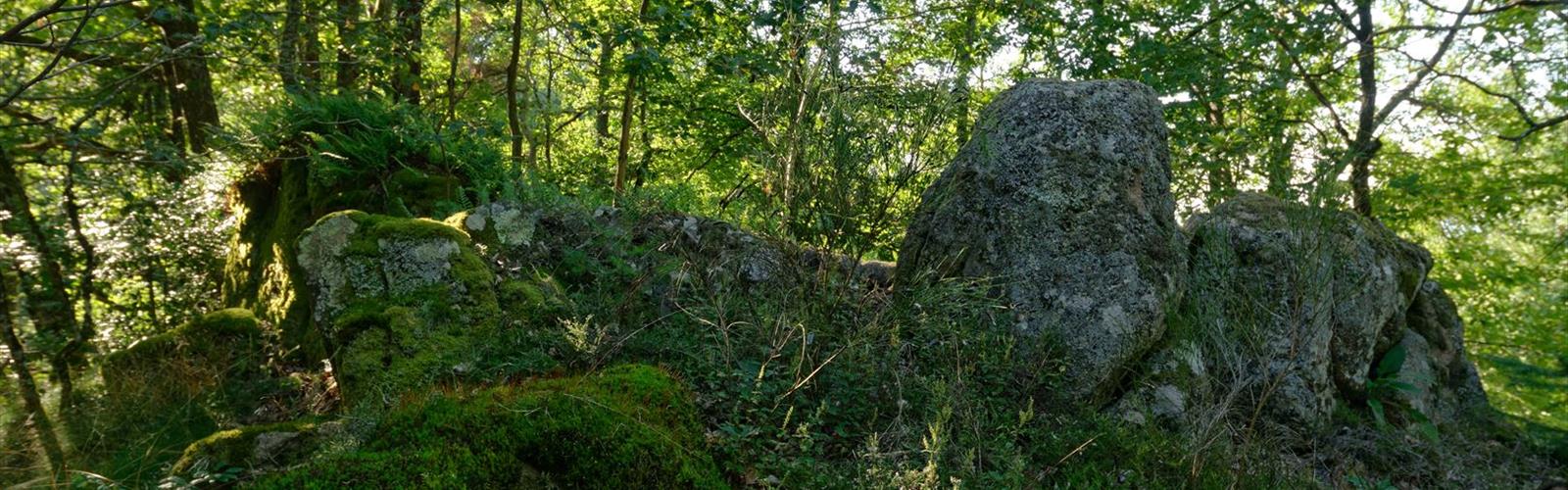
Cascade de la Pisserote
- 1 hr 30 min walk
- 2.5 km
- Dogs: to be confirmed
or pick your starting city — the number is how many trails we list.
Auvergne-Rhône-Alpes · Allier
One outing. Just the right one.
One hiking trail in Allier, with its duration, level and access.
By François Dumaine · updated March 12, 2026
See the trails in Allier
1 trail
No trail matches these filters.
Coordinates: LGPO database · map © OpenStreetMap contributors
Trails can close or change with the season: thaw, snow, maintenance. Each trail page links to the site manager, who publishes closures.
Our practical tipsThe dog rules are not yet confirmed on our trail pages for this region.
Our practical tipsCounts based on our 1 trail in Allier; details and sources are on each trail page.
We list 1: 1 easy.
Among the 1 easy trails, start with Cascade de la Pisserote (2.5 km, 1 hr 30 min). Each trail page gives the duration, the level and the access conditions.
Each trail page links to the site manager's website (park, municipality, reserve), which publishes closures and rules. During the thaw and after heavy rain, some trails may be closed.
Nestled in the heart of the Auvergne-Rhône-Alpes region, Allier offers an authentic French countryside experience where rolling hills, ancient forests, and charming medieval villages create the perfect backdrop for outdoor adventures. This hidden gem provides hikers with diverse landscapes ranging from volcanic terrain to peaceful river valleys, making it an ideal destination for those seeking tranquil trails away from crowded tourist paths.
The Allier department showcases the natural beauty of central France through its varied topography and rich biodiversity. The region's landscape is characterized by gentle hills, dense oak and beech forests, and the meandering Allier River that gives the area its name. Hikers can explore ancient volcanic formations, discover pristine wetlands that serve as important bird migration corridors, and wander through traditional bocage countryside dotted with hedgerows and meadows. The area's geological diversity, shaped by both volcanic activity and river erosion, creates unique hiking opportunities where every trail reveals different facets of this captivating region.
Randonnée enthusiasts in Allier will find trails suited to all experience levels and preferences. The region's relatively gentle terrain makes it particularly welcoming for families and beginner hikers, while still offering challenging routes for more experienced adventurers. The well-maintained network of sentiers includes easy riverside walks perfect for leisurely afternoon strolls, moderate forest loops that showcase the area's diverse flora and fauna, and longer distance trails that connect historic villages and natural landmarks. Many routes follow ancient pilgrimage paths and traditional farming tracks, providing both natural beauty and cultural insights.
While hiking remains the primary draw, Allier's diverse landscape supports numerous plein air activities throughout the year. The region's rivers and lakes offer excellent opportunities for canoeing, kayaking, and fishing, particularly along the Allier River corridor. Cycling enthusiasts can explore the countryside on quiet country roads and dedicated bike paths, while wildlife watching is exceptional in the area's numerous nature reserves and protected wetlands. During winter months, the higher elevations occasionally provide opportunities for snowshoeing and cross-country skiing.
The optimal hiking season in Allier extends from April through October, when weather conditions are most favorable and trails are easily accessible. Spring brings wildflower blooms and mild temperatures, while autumn offers spectacular foliage colors. Summer provides the longest daylight hours, though early morning or evening hikes are recommended during the warmest months.
Allier is easily accessible by car from major French cities, with Moulins serving as the primary gateway to the region. Public transportation connects larger towns, though having a vehicle provides greater flexibility for accessing trailheads. Standard hiking equipment is sufficient for most trails, including sturdy walking boots, weather-appropriate clothing, and basic navigation tools. The region's moderate climate and well-marked trails make it an excellent choice for hikers of all experience levels seeking an authentic French outdoor adventure.
Free guide: 25 hikes under 2 hours from Montreal
Distance, elevation, parking and season for each one. The ones we go back to ourselves.
Get the guide

