


Ready to explore Sentier Des Rapaces? Here's everything you need to know before you go!
Discover the trail



Trail description
The Sentier Des Rapaces winds through the diverse landscapes of the Rhône region, offering hikers an immersive experience in one of France's most ecologically rich areas. This 3.5-kilometer trail takes its name from the impressive variety of raptors that soar above the surrounding terrain, making it a favorite destination for both hiking enthusiasts and wildlife watchers seeking to observe birds of prey in their natural habitat.
The trail's 450-meter elevation gain provides a satisfying challenge without being overwhelming, making it accessible to hikers with moderate experience while still offering rewarding views and varied terrain. The estimated 2 hours and 15 minutes hiking time allows for a perfect half-day adventure, with plenty of opportunities to pause for wildlife observation and photography. As you ascend, the landscape transforms from valley floor vegetation to higher elevation ecosystems, each supporting different wildlife communities and offering distinct perspectives of the surrounding Rhône countryside.
Trail Experience and Terrain
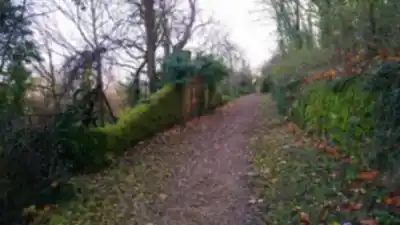
The Sentier Des Rapaces begins with a gentle approach through mixed woodland, where the canopy provides welcome shade during warmer months. The initial section follows well-maintained paths that gradually steepen as you progress deeper into the terrain. Oak and beech trees dominate the lower elevations, their branches often serving as perches for the smaller raptors that give this trail its distinctive character.
As the trail gains elevation, the forest composition shifts, and hikers encounter more open areas that provide excellent vantage points for spotting the larger birds of prey. These clearings also offer the first glimpses of the broader Rhône valley, with its characteristic blend of agricultural lands, river systems, and distant mountain ranges creating a tapestry of colors that changes dramatically with the seasons.
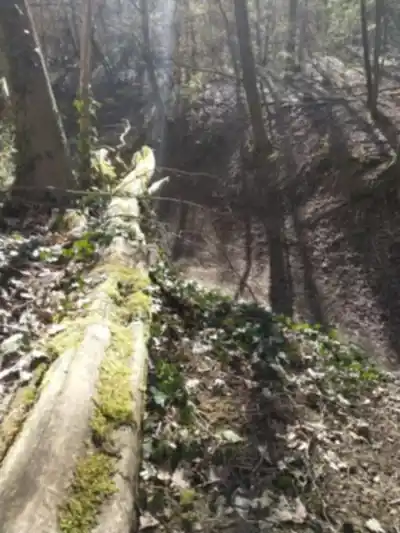
The middle section presents the most technical terrain, with rocky outcroppings and steeper grades that require careful footing. These geological features are remnants of ancient volcanic activity in the region, and they create the perfect nesting sites for many of the raptors that frequent the area. The exposed rock faces warm quickly in the morning sun, creating thermal updrafts that the birds use for effortless soaring.
The upper reaches open onto exposed ridgelines where the full elevation gain becomes apparent. From these elevated positions, hikers can observe the hunting patterns of various raptor species as they patrol the valleys below. The contrast between the intimate forest experience of the lower trail and the expansive views from the higher elevations creates a dynamic hiking experience that keeps the journey engaging throughout the moderate difficulty route.
Wildlife and Raptor Watching
The Sentier Des Rapaces lives up to its name with regular sightings of buzzards, kestrels, and occasionally the more elusive peregrine falcons that nest in the rocky cliff faces. Early morning and late afternoon hikes offer the best opportunities for wildlife observation, as these are the peak hunting times for most raptor species. The thermal currents created by the varied topography make this area particularly attractive to soaring birds, and patient observers often witness spectacular aerial displays.
Beyond the headline raptors, the trail supports a diverse ecosystem that includes red deer, wild boar, and numerous smaller mammals that serve as prey for the birds above. The varied elevation and habitat types create microenvironments that support different plant communities, from the shade-loving species of the forest floor to the hardy alpine plants that cling to the exposed rocky areas near the trail's highest points.
The geological diversity along the route tells the story of the region's volcanic past, with distinctive rock formations that provide both visual interest and important habitat for the local wildlife. These features also create natural water collection points that sustain the ecosystem during drier periods, making them excellent spots for patient wildlife watchers to set up and observe.
Seasonal Hiking Conditions
Spring brings the most active wildlife period, as raptors establish territories and begin nesting activities. The forest floor comes alive with wildflowers, and the moderate temperatures make the climb comfortable for most hikers. This season offers the added benefit of migrating species passing through the area, potentially providing sightings of raptors not typically resident in the region.
Summer hiking requires early starts to avoid the heat, particularly on the exposed upper sections of the trail. However, the thermal activity that builds throughout the day creates ideal conditions for raptor watching, as the birds take advantage of the rising air currents for extended soaring sessions. The full canopy provides good shade on the lower portions during the hottest parts of the day.
Autumn transforms the deciduous forests into a spectacular display of colors while maintaining excellent wildlife viewing opportunities. The cooler temperatures make the elevation gain more comfortable, and the reduced leaf cover can actually improve sightlines for spotting raptors perched in the trees. This season also sees increased hunting activity as animals prepare for winter.
Winter hiking is possible but requires appropriate preparation for potentially icy conditions, particularly on the rocky sections and exposed ridgelines. The bare trees provide unobstructed views of the surrounding landscape, and the resident raptor species remain active throughout the colder months, offering dedicated hikers rewarding wildlife encounters in a dramatically different setting.
Practical Information
The trailhead provides basic parking facilities, though spaces can fill quickly during peak seasons and weekends. The trail is well-marked throughout its length, but carrying a detailed map of the area enhances the experience by helping identify key viewpoints and geological features along the route.
Sturdy hiking boots are essential for navigating the rocky sections safely, and the elevation gain makes trekking poles valuable for many hikers. Binoculars significantly enhance the wildlife viewing experience, allowing for detailed observation of raptors without disturbing their natural behaviors. A lightweight spotting scope can be worthwhile for serious birders, particularly for the exposed ridgeline sections.
Water sources along the trail are limited, so carrying adequate supplies for the full journey is important, particularly during warmer weather when the elevation gain and exposed sections can be demanding. The varied terrain and potential for extended wildlife watching sessions often make trips longer than the estimated time, so preparing for a full day outdoors ensures the most rewarding experience on the Sentier Des Rapaces.
The Essential Hiking Checklist
Everything you need for your next hike. Bilingual, printable, 1 page.
Get your free hiking checklistRecommended gear for this trail
As an Amazon Associate I earn from qualifying purchases.


Ready to go?
Everything you need to know before you goWhen?
How much?
As an Amazon Associate I earn from qualifying purchases.
Affiliate links — LGPO may earn a commission at no extra cost to you.
- Hiking shoes Essential
- → Salomon Elixir Tour Mid WP · 203.38 $
- Layered clothing Essential
- Rain jacket Essential
- Trekking poles
- → Black Diamond Trail Ergo Cork · 69.99 $
- Headlamp
- → Petzl Actik Core 625 · 103.95 $
FAQ - Frequently asked questions
Everything you need to knowSimilar hikes nearby
Discover other trails you might enjoy
Hiking near Sydney
22 trails to explore ~4890 km away
We work hard to provide the most up-to-date and error-free data possible. If something seems incorrect, let us know! Your contribution helps the whole community.
Hikers' opinions
Be the first to review!
No hiker has shared their experience yet. Share your impressions and help other hikers!